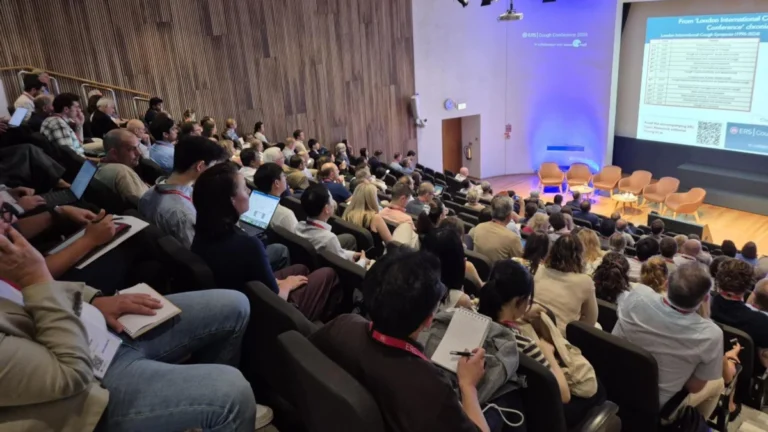





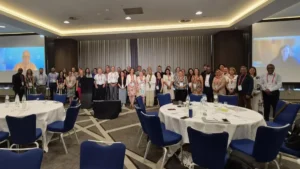


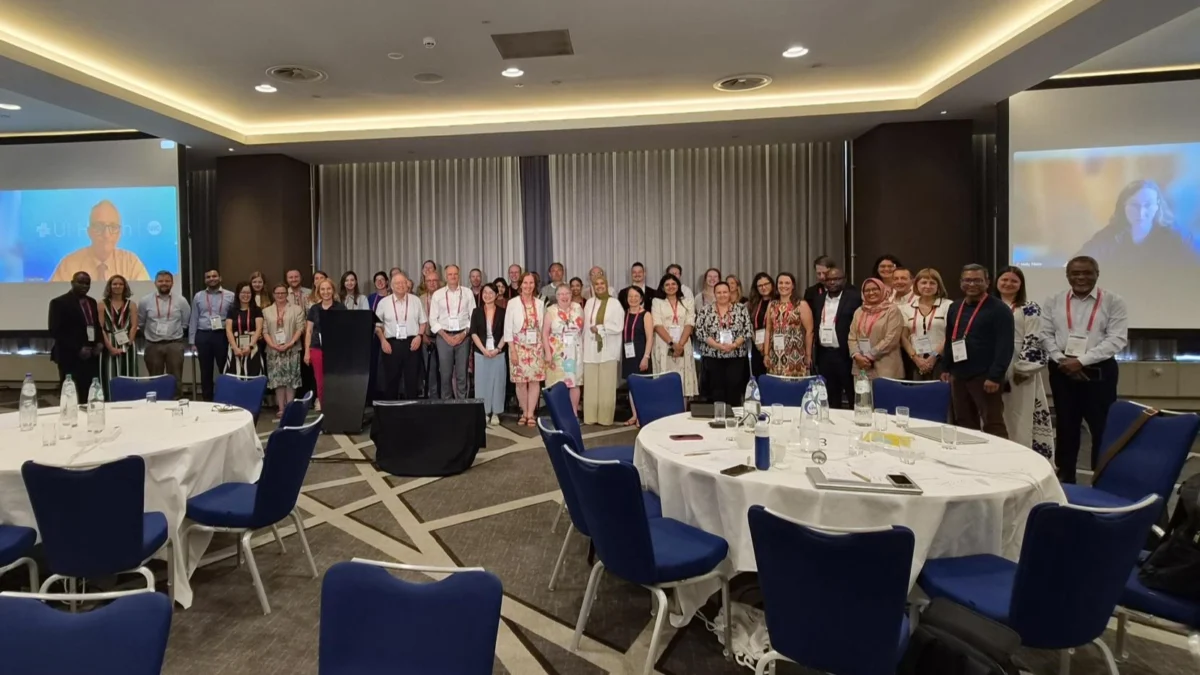
The landscape of European respiratory health is undergoing a critical transformation. While the medical community has long possessed the clinical data necessary to treat and prevent lung disease, a persistent "implementation gap" has historically prevented these breakthroughs from reaching the patients who need them most. Recently, the European Respiratory Society (ERS) and the European Lung Foundation (ELF) convened a landmark forum to address this disconnect, showcasing a suite of flagship initiatives that are successfully turning theoretical research into tangible, life-saving clinical practice.
The "Cinderella Disease" of Global Health
The conference was anchored by a sobering opening address from José Luis Castro, the WHO Director-General’s Special Envoy for Chronic Respiratory Diseases. In his remarks, Castro characterized respiratory conditions as the "Cinderella disease" of the global health sector—a category of illnesses that are undeniably common, economically burdensome, and physically devastating, yet frequently relegated to the shadows of policy prioritization.
"Respiratory disease does not just attack the lungs," Castro asserted. "It attacks people’s dignity. It drives them into social isolation."
His message was one of urgent transition. While he acknowledged that there has been a heartening increase in political recognition regarding the severity of chronic respiratory diseases, he cautioned that acknowledgment is merely the preamble. "Recognition without implementation changes nothing," Castro noted, emphasizing that the era of policy declarations must now give way to an era of rigorous, on-the-ground implementation.
Chronology of Action: The Pipeline of Progress
The conference served as a launchpad for several key projects that embody this shift toward practical application. The following initiatives represent the current vanguard of respiratory care:
1. JARED: Coordinating European Strategy
Professor Ildikó Horváth introduced the Joint Action on REspiratory Diseases (JARED). This project is designed to bridge the fragmented nature of European healthcare by fostering coordinated action. By aligning national strategies, JARED ensures that the standard of respiratory care is not dictated by geography but by shared, high-quality clinical protocols.
2. LH4L: Cultivating Health from Childhood
Cláudia Sofia de Almeida Vicente Ferreira presented LungHealth4Life (LH4L), which addresses the root causes of respiratory issues by focusing on early intervention. By integrating lung health education into Portuguese school curricula, the project aims to establish healthy habits early, demonstrating that prevention is the most effective form of long-term care.
3. FA4L: Environmental Stewardship
Rianne van der Kleij showcased the FRESHAIR4Life (FA4L) project. This initiative operates on the principle that lung health is inextricable from environmental health. By promoting cleaner air and healthier living environments, FA4L provides a roadmap for reducing the incidence of chronic lung disease before it begins.
4. JA-SAFE: A Tobacco-Free Future
Constantine Vardavas presented the Joint Action on Health Promotion and Disease Prevention (JA-SAFE). This project is focused on the macro-level systemic changes necessary for population health, specifically the implementation of smoke- and aerosol-free environments. The goal is to standardize these protections across the EU, effectively paving the way for a tobacco-free generation.
5. SOLACE: Equitable Cancer Screening
Closing the session, Professor Martina Koziar Vašáková presented Strengthening the screening of Lung Cancer in Europe (SOLACE). This project targets one of the most critical aspects of respiratory medicine: early detection. By working to improve equitable access to lung cancer screening across diverse socioeconomic landscapes, SOLACE aims to reduce the mortality rates that currently plague marginalized populations.
Supporting Data: Why Implementation Matters
The data underlying these initiatives paints a clear picture: the burden of respiratory disease is not merely a clinical statistic but a multifaceted socio-economic crisis. Chronic obstructive pulmonary disease (COPD), asthma, and lung cancer represent some of the highest contributors to disability-adjusted life years (DALYs) across Europe.
The projects presented at the conference rely on "implementation research"—a methodology that studies how to integrate evidence-based interventions into routine clinical practice. Unlike traditional clinical trials that test a drug’s efficacy, implementation research tests the feasibility of scaling that drug or protocol within a complex, real-world hospital system.
For instance, the success of the SOLACE project in improving screening rates is measured not just by the number of scans performed, but by the reduction in administrative, financial, and geographic barriers that historically kept high-risk patients from accessing those scans. By analyzing these barriers, the project has provided a blueprint for how European health systems can optimize resource allocation to achieve higher screening uptake.
The Crucial Role of Equity: "Nothing About Us Without Us"
A recurring theme throughout the summit was the necessity of inclusivity. During a panel discussion on equity, Kjeld Hansen, former Chair of the European Lung Foundation, delivered a poignant critique of top-down policy-making.
Hansen argued that healthcare policies designed exclusively by experts in isolation are prone to failure because they lack the "buy-in" of the patient population. "Successful healthcare policies cannot simply be designed by experts and handed down to patients," Hansen stated. "Everyone affected by those decisions should have a seat at the table."
This philosophy—often summarized as "nothing about us without us"—is central to the ELF’s mission. When patients, advocates, and local communities are involved in the design phase of a project, the resulting policies are more practical, more empathetic, and significantly more likely to be adopted. Lasting change, the panel concluded, is built on a foundation of shared ownership.
Implications: Translating Research into Routine Practice
The overarching message of the two-day event was that research is only the first step. The journey from a discovery in a laboratory to a change in a doctor’s office is long and fraught with obstacles.
The Pillars of Future Success
For these initiatives to reach their full potential, three elements must be synchronized:
- Education: Healthcare providers must be kept up to date with the latest evidence-based protocols, requiring a continuous loop of professional development.
- Advocacy: There must be sustained pressure on policymakers to fund and support the infrastructure necessary for these programs to survive beyond their pilot stages.
- Meaningful Involvement: Patient voices must remain central to the evaluation of these programs to ensure that "better care" is defined by the quality of life experienced by the patient, not just by clinical metrics.
Conclusion: From Ideas to Impact
As the conference concluded, the contrast between "policy" and "impact" remained at the forefront of the delegates’ minds. Policy declarations provide the necessary legal and ethical framework to act, but they do not, in and of themselves, heal patients.
As José Luis Castro summarized: "Policy declarations create possibilities. Implementation creates impact."
For the millions of Europeans living with respiratory disease, the work showcased by the ERS and ELF represents a transition from a passive, reactive approach to a proactive, integrated system of care. By prioritizing implementation, fostering equity, and ensuring that patients are partners in their own health journeys, Europe is moving toward a future where respiratory health is no longer left in the shadows, but is instead a fundamental, accessible right for every citizen. The task ahead is significant, but the roadmap provided by these projects suggests that the tools for change are finally in the right hands.