








In an era where "hustle culture" often celebrates sleep deprivation as a badge of honor, millions of individuals are quietly suffering from the debilitating effects of chronic insomnia. Recognizing the urgent need for evidence-based guidance, the American Academy of Sleep Medicine (AASM) and the Society of Behavioral Sleep Medicine (SBSM) recently spearheaded their annual Insomnia Awareness Night. This pivotal campaign is designed to pull back the curtain on the science of sleep, dispel persistent myths, and provide actionable, professional advice to those struggling to find rest.
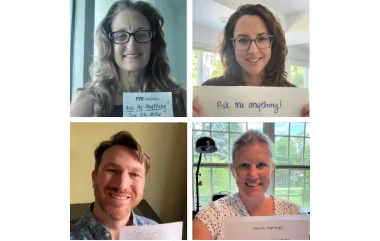
To bridge the gap between clinical research and public understanding, four distinguished sleep specialists—Dr. Spencer Dawson, Dr. Sarah Honaker, Dr. Monica Kelly, and Dr. Jennifer Martin—took to the digital stage in a widely attended Reddit "Ask Me Anything" (AMA) session. The dialogue offered a rare, unfiltered look into how medical professionals approach the modern crisis of sleeplessness, covering everything from the efficacy of consumer wearables to the complex psychological roots of early morning awakenings.
The Crisis of Chronic Insomnia: Main Facts
Chronic insomnia is not merely a "bad night’s sleep"; it is a clinical condition defined by difficulty falling or staying asleep, occurring at least three times per week and persisting for at least three months. It is a pervasive issue that disrupts cognitive function, mood regulation, and long-term physical health.
The core objective of Insomnia Awareness Night is to shift the narrative from "quick-fix" solutions—such as over-the-counter supplements or unregulated sleep aids—toward behavioral interventions. The experts emphasized that while the market for sleep aids is expanding at an unprecedented rate, the scientific community remains cautious. The primary gold-standard treatment for chronic insomnia remains Cognitive Behavioral Therapy for Insomnia (CBT-I), a structured program that helps individuals replace thoughts and behaviors that cause or worsen sleep problems with habits that promote sound sleep.
A Chronology of the Digital Discourse
The AMA session served as a real-time repository of the modern sleep experience. The interaction followed a logical progression:
- The Weekend Catch-up: The dialogue opened with the perennial question of whether one can "repay" a sleep debt.
- The Tech Dilemma: Participants questioned the utility of modern trackers, which have become standard accessories for the health-conscious.
- The Supplement Debate: A deep dive into the safety and efficacy of THC and melatonin.
- The Auditory Intervention: A look at the trend of "binaural beats" as a non-pharmacological aid.
- Clinical Anomalies: Addressing severe cases involving hyperarousal and early morning waking.
Supporting Data and Medical Consensus
The "Weekend Recovery" Fallacy
One of the most common inquiries revolved around the practice of sleeping late on weekends to compensate for a frantic work week. Dr. Jennifer Martin provided a nuanced response, noting that while "catching up" is marginally better than total sleep deprivation, it is not a sustainable health strategy. The consensus is clear: the human body operates on a circadian rhythm that thrives on consistency. Irregular sleep patterns can lead to "social jetlag," where the body’s internal clock is constantly fighting against the external environment. Consistent, seven-plus-hour nightly sleep remains the gold standard for long-term physiological health.
The Rise of Wearable Technology
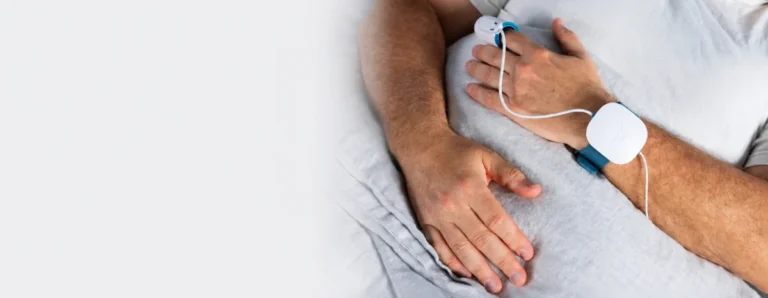
In the age of the quantified self, devices like the Apple Watch have become ubiquitous. Dr. Sarah Honaker offered a tempered perspective on this technology. While tracking can be a powerful tool for behavioral change—such as encouraging a consistent bedtime—it carries a significant psychological risk. For those with "orthosomnia" (an unhealthy obsession with achieving perfect sleep data), these devices can become a source of stress. Dr. Honaker’s advice was simple yet profound: the most important indicator of sleep quality is how you feel during the day. If a device causes anxiety, its negative impact on sleep may outweigh its data-gathering benefits.
Official Expert Responses: Debunking the Myths
The Supplement Conundrum
Perhaps the most contentious topic of the AMA was the reliance on supplements. Many users admitted to using melatonin or microdosed THC to facilitate sleep. Dr. Martin was firm in her assessment: the supplement market is currently outpacing clinical evidence.
"It’s almost impossible to know what works and what may be a placebo effect," she noted. She clarified that melatonin is highly specific—it is most effective for circadian rhythm disorders, such as jet lag or delayed sleep-wake phase syndrome, rather than as a cure-all for chronic insomnia. As for THC, the lack of high-quality, long-term studies means that its safety and efficacy profile remains largely unknown to the medical community.
Binaural Beats: Fact or Fiction?
For the tech-savvy sleeper using Spotify to drift off, Dr. Spencer Dawson addressed the trend of binaural beats. He suggested that while there is little clinical research to support their physiological efficacy, they function effectively as a "distraction." Much like an audiobook or a calming podcast, these sounds serve to occupy the mind, preventing the "racing thoughts" that often prevent sleep onset. If a sound helps induce a calmer state, it can be a useful tool, even if it is not a "proven" cure for insomnia.
Addressing Complex Sleep Disruptions
The Challenge of Hyperarousal
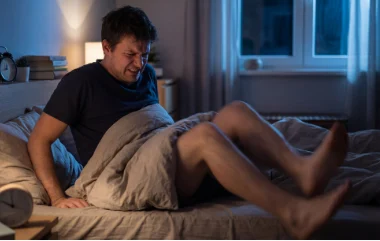
A participant struggling with clinical hyperarousal—reporting that they "wake" every two minutes—received urgent advice from the panel. Frequent arousals are often red flags for underlying conditions such as obstructive sleep apnea (OSA) or restless leg syndrome. Dr. Martin urged the participant to return to their sleep specialist, noting that such frequent awakenings are not typical and require a clinical investigation beyond the scope of general sleep hygiene.
The 4:00 A.M. Awakening
Early morning awakenings are a classic symptom of insomnia, but they can also indicate depression, anxiety, or simply a shift in circadian rhythm due to age. Dr. Dawson provided a strategy for those who find themselves awake before the sun: Do not force it.
"If you have been awake and can’t determine the reason, it may be that your body has had as much sleep as it needs," he explained. The goal is to avoid associating the bed with frustration. If you cannot fall back asleep, the best approach is to get up and engage in a low-stimulation activity, returning to bed only when you feel the genuine onset of sleepiness.
Implications: The Path Forward
The insights gleaned from this Reddit AMA highlight a crucial shift in how we view sleep. It is no longer just about the number of hours spent in bed, but about the quality of the relationship between the individual and their sleep environment.
The implications for public health are significant:
- Shift toward CBT-I: Professionals are increasingly prioritizing behavioral therapy over pharmacological intervention.
- Tech-Lite Approach: The medical community is encouraging a more skeptical, less data-obsessed approach to sleep tracking.
- Holistic Diagnosis: Sleep problems are often symptoms of broader issues, including mental health and physical disorders that require a multidisciplinary approach.
As the American Academy of Sleep Medicine continues to advocate for better sleep health, the message remains consistent: Sleep is not a luxury; it is a fundamental pillar of human health. By engaging with experts and relying on evidence-based strategies rather than trends, individuals can reclaim their rest and, by extension, their quality of life.
For those who continue to struggle, the experts unanimously agree: consult a professional. Whether it is a sleep medicine specialist or a therapist trained in CBT-I, there is a path forward that does not rely on unregulated supplements or the anxiety of a fitness tracker.
This report is based on the expert insights shared during the American Academy of Sleep Medicine’s Insomnia Awareness Night Reddit AMA. For more information on sleep disorders and finding a certified professional in your area, visit the AASM Sleep Education website.