












In the modern economic landscape, few cohorts face as much fiscal pressure as the "Sandwich Generation"—those individuals caught in the crossfire of raising children while simultaneously providing care for aging parents or grandparents. As Sherri Snelling, a noted corporate gerontologist and author of Me Time Monday, explains, financial wellness is not merely about savings accounts; it is one of the seven essential pillars of life that cultivate balance, longevity, and peace of mind.
For the cohort Snelling terms "Gen C" (Generation Caregiver), the challenge is no longer just a personal burden—it is a macro-economic issue. With life expectancies rising and the cost of long-term care skyrocketing, the need for financial resiliency has moved from a "nice-to-have" to an absolute necessity for household survival.
The Financial Realities of "Gen C"
The structural shift in family dynamics has created a fiscal bottleneck. Many caregivers are reaching their peak earning years exactly when their own children require college funding and their parents require intensive, expensive medical support.
According to recent industry data, the out-of-pocket costs associated with family caregiving are staggering. When you combine the loss of income from reduced work hours or early retirement with the direct costs of medical care, home modifications, and daily living assistance, many families find their retirement "wealthspan" severely depleted.

"Preparing and planning for the care of older loved ones is the most effective shield against poverty," says Snelling. "It is never too early or too late to start those long-term care plans. Working with a credentialed financial gerontologist will ensure you get the expert advice you need to navigate this complex terrain with true financial resiliency."
A Chronology of Expertise: Bridging Finance and Gerontology
The intersection of finance and aging, known as "Financial Gerontology," has gained significant momentum in the last decade. This multidisciplinary field integrates lifespan development research with economic planning.
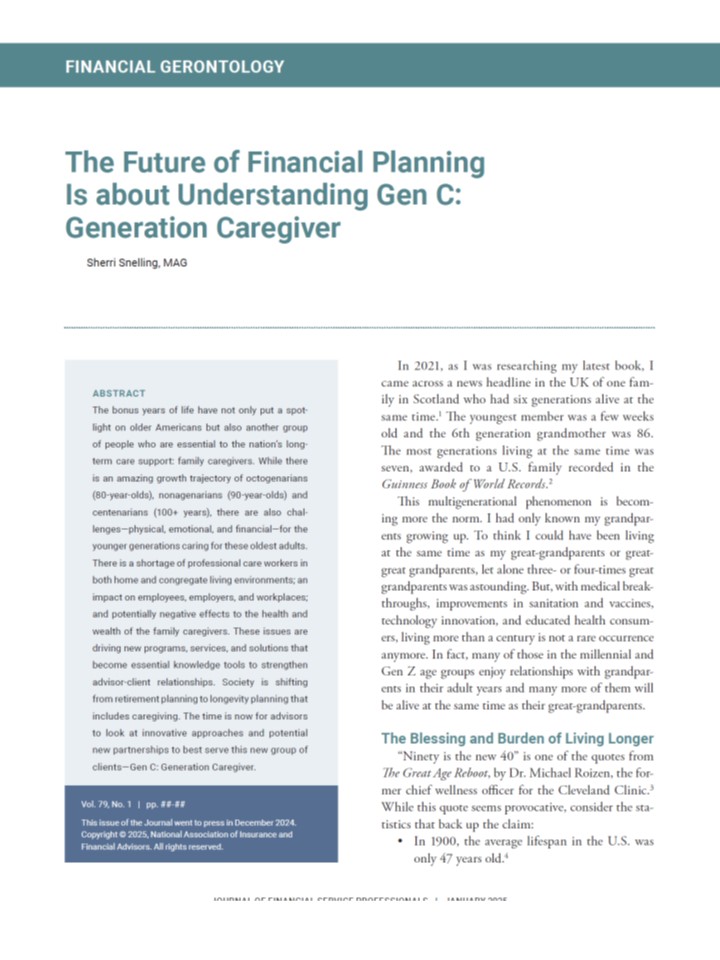
The Influence of Neal Cutler
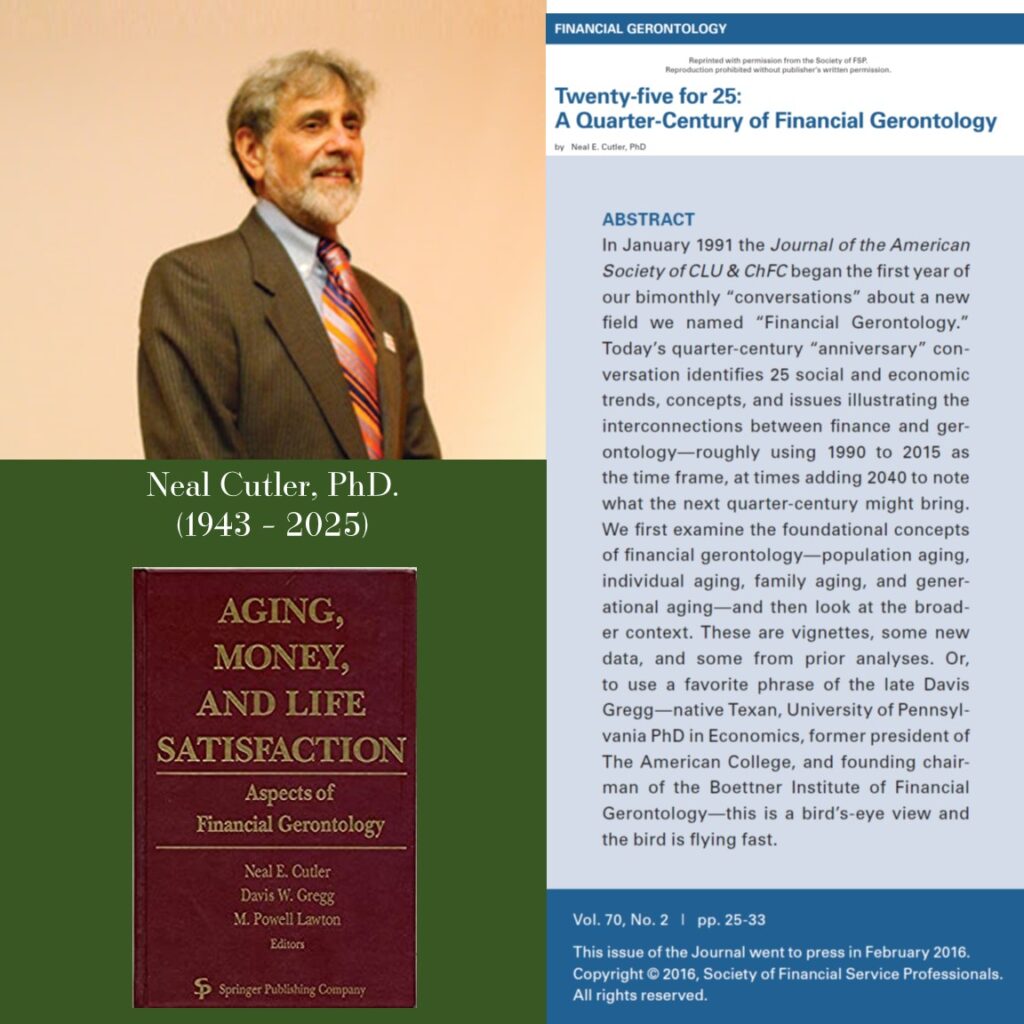
A pivotal moment in the professionalization of this field occurred in late 2024, when the late Dr. Neal Cutler—a legendary academic and mentor to Snelling—invited her to contribute to the Journal of Financial Service Professionals.
The collaboration was a full-circle moment for Snelling, who had studied under Dr. Cutler at the University of Southern California (USC) decades earlier. Their work together, which lasted until Dr. Cutler’s passing in 2026, focused on providing actionable strategies for financial advisors to better serve the aging population. Their shared mission was clear: move the industry away from simple product sales toward a holistic view of human longevity.
Expanding the Conversation
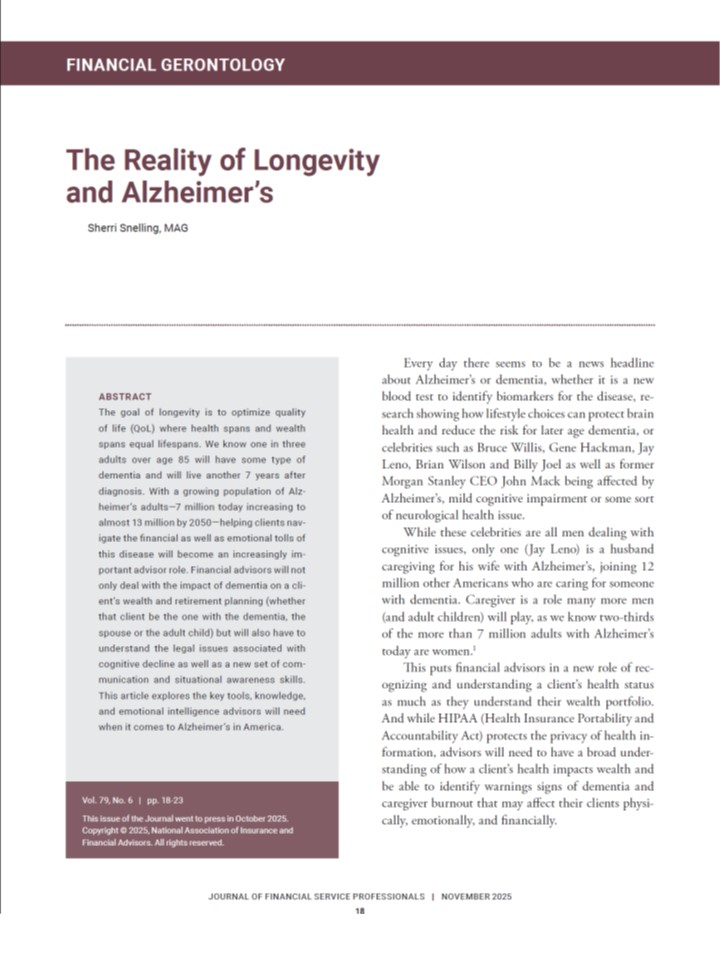
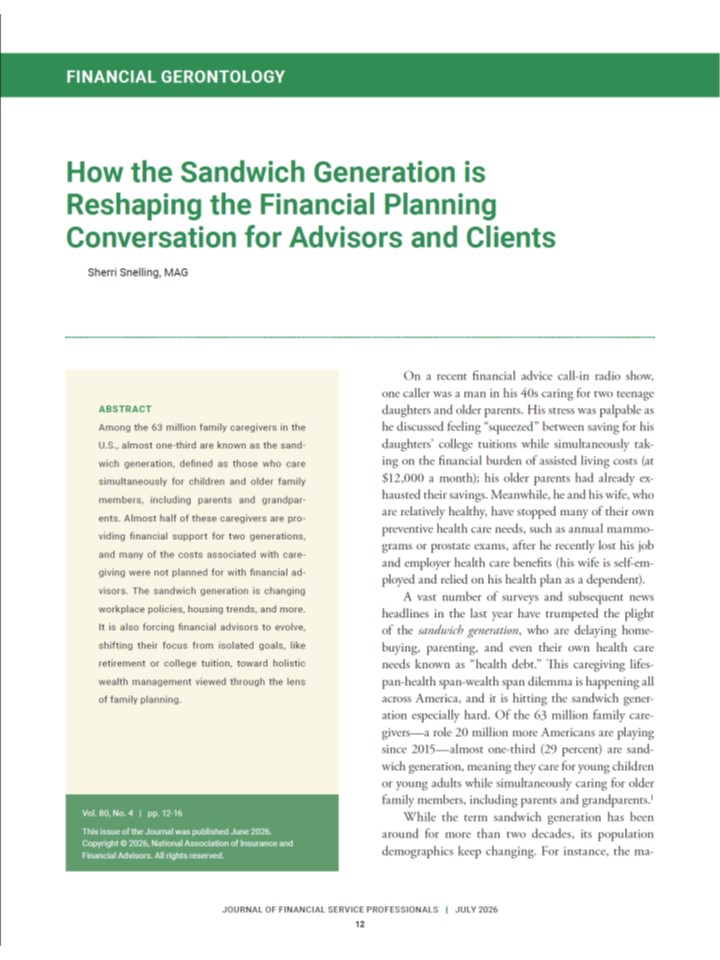
Following their initial collaboration, Snelling has authored a series of seminal articles for the Journal, including:
- "Gen C: The Future of Financial Planning" (Jan 2025): An analysis of how the caregiver demographic is reshaping the labor market.
- "The Financial Realities of Longevity and Alzheimer’s" (Nov 2025): A sobering look at the specific fiscal challenges of neurodegenerative diseases.
- "The Sandwich Generation and Financial Planning" (July 2026): An exploration of how caregiving is fundamentally altering home-buying and family-starting timelines.
Supporting Data and the "Four Lenses" of Aging
Financial gerontology does not operate in a vacuum. It relies on what professionals call the "Four Lenses" of aging: population, individual, family, and generational. By examining these, experts can better predict the trajectories of healthspan and wealthspan.
The Four Lenses Defined:
- Population Aging: How the demographic "silver tsunami" impacts social safety nets and the economy.
- Individual Aging: Personal health trajectories and the physiological requirements of longevity.
- Family Aging: The changing roles within a family unit as members transition from dependents to caregivers and back again.
- Generational Aging: How wealth transfers—and burdens—move between parents, children, and grandchildren.
By applying the BioPsychoSocial model—which synthesizes biology, psychology, and sociology—financial gerontologists can create plans that account for the inevitable physical decline of a loved one while protecting the financial future of the caregiver.
Implications for the Future
The current system is, by all accounts, fragmented. Consumers are often forced to navigate a maze of Medicare, Medicaid, private insurance, and legal requirements without a central navigator. This lack of coordination often leads to preventable financial losses.

The Role of the Financial Gerontologist
The industry is beginning to see a shift. Financial advisors are increasingly seeking specialized training in gerontology. This is not just a trend; it is a necessity. As banks and wealth management firms realize that their clients are primarily interested in "longevity planning," we are seeing the rise of positions like "Chief Longevity Officer" within major financial institutions.
For the average family, the implication is clear: you must demand more from your financial planning. A standard advisor might look at your portfolio and suggest a mutual fund; a financial gerontologist will look at your family tree, your parents’ health history, and your own caregiving responsibilities to determine a strategy that prevents financial ruin.
Official Guidance and Resources
For those struggling to manage the "Joyconomy"—a term Snelling uses to describe the balance between financial health and personal fulfillment—there are several pathways to stability.
Expert Recommendations
- Seek Specialized Advice: Ensure your financial advisor has training in gerontology. If they are not familiar with the nuances of long-term care insurance or the complexities of the Sandwich Generation, seek a second opinion.
- Early Intervention: Waiting until a health crisis occurs is the most expensive path. Initiate family meetings regarding care expectations while everyone is still healthy.
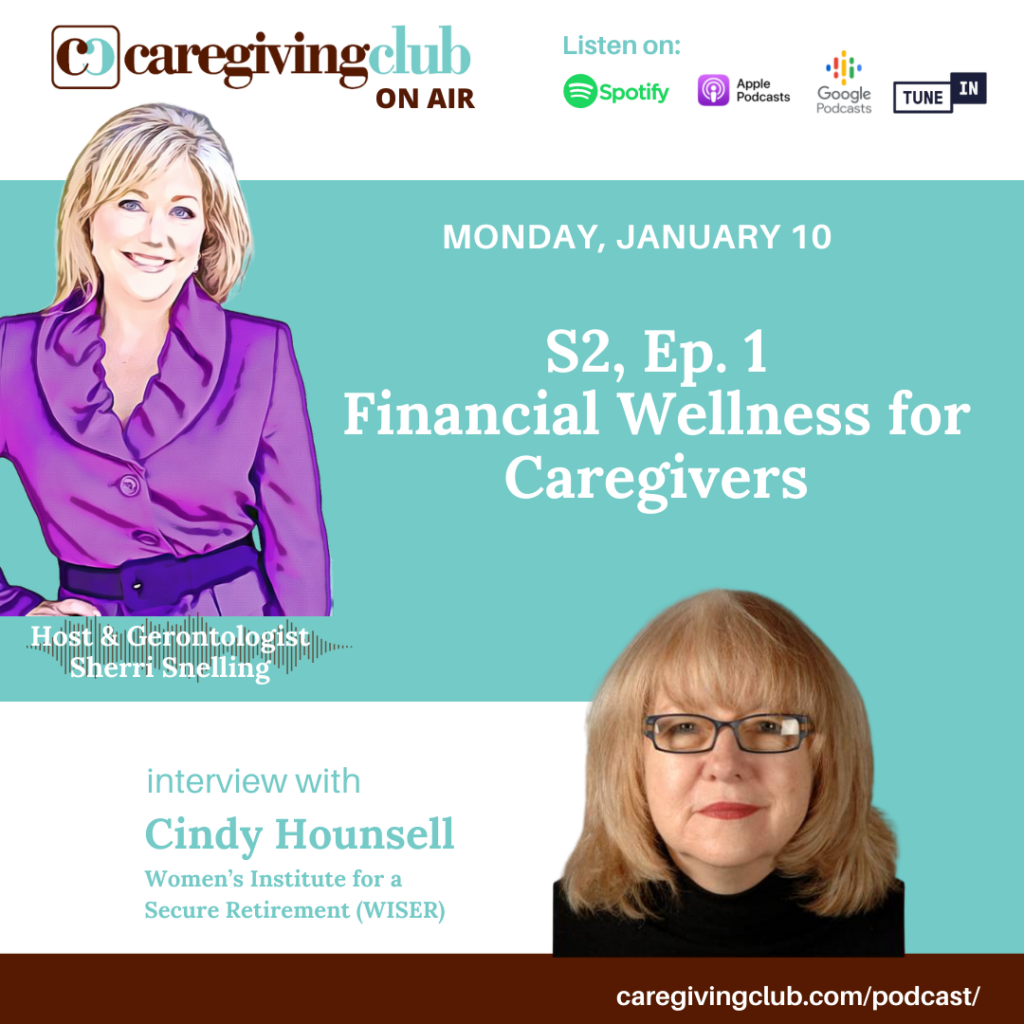
- Leverage Educational Content: Utilize resources like the Caregiving Club On Air podcasts, which feature interviews with industry leaders, attorneys, and financial planners who specialize in the "Gen C" experience.
- Adopt a "Joyconomy" Mindset: Financial wellness is not just about hoarding assets; it is about allocating resources in a way that minimizes stress and maximizes time spent with loved ones.
Conclusion: The Path Forward
The Sandwich Generation is the backbone of the modern American family, yet they are often the most financially vulnerable. By understanding the principles of financial gerontology, caregivers can move from a reactive state of survival to a proactive state of planning.

As we look toward the future, the integration of health and wealth will become the gold standard of financial services. Whether you are currently caring for an aging parent, planning for your own later years, or balancing the needs of a growing family, the message from experts like Sherri Snelling is consistent: Planning is the most powerful tool you possess. Start today, engage with experts, and secure your financial future against the uncertainties of the aging journey.
Frequently Asked Questions (FAQs)
Q: What exactly is a financial gerontologist?
A: A financial gerontologist is a professional who bridges the gap between traditional financial services and the science of aging. They understand the "BioPsychoSocial" aspects of aging and use that knowledge to help clients navigate the financial implications of long-term health needs, end-of-life planning, and intergenerational wealth transfers.

Q: How can I find a qualified advisor?
A: Look for financial advisors who hold certificates in gerontology from reputable academic institutions, such as the USC Leonard Davis School of Gerontology. You can also ask potential advisors about their specific experience in helping families manage long-term care costs.
Q: Why is "Financial Wellness" categorized as a pillar of health?
A: Financial stress is a leading contributor to cortisol production, which negatively impacts physical health. By achieving financial resiliency, caregivers reduce their anxiety levels, allowing them to provide better care for their families and maintain their own long-term well-being.
References
- Brown, M. (2026). Sandwich generation caregiver report: Navigating the mental overload. Care.com.
- CareScout and Genworth (2026). Cost of Care Survey.
- Carstensen, L., et al. (2018). The sightlines special report: Seeing our way to financial security. Stanford Center on Longevity.
- Skufca, L., & Rainville, C. (2021). Caregiving out-of-pocket costs study. AARP.
- Snelling, S. (2025-2026). Various contributions to the Journal of Financial Service Professionals.