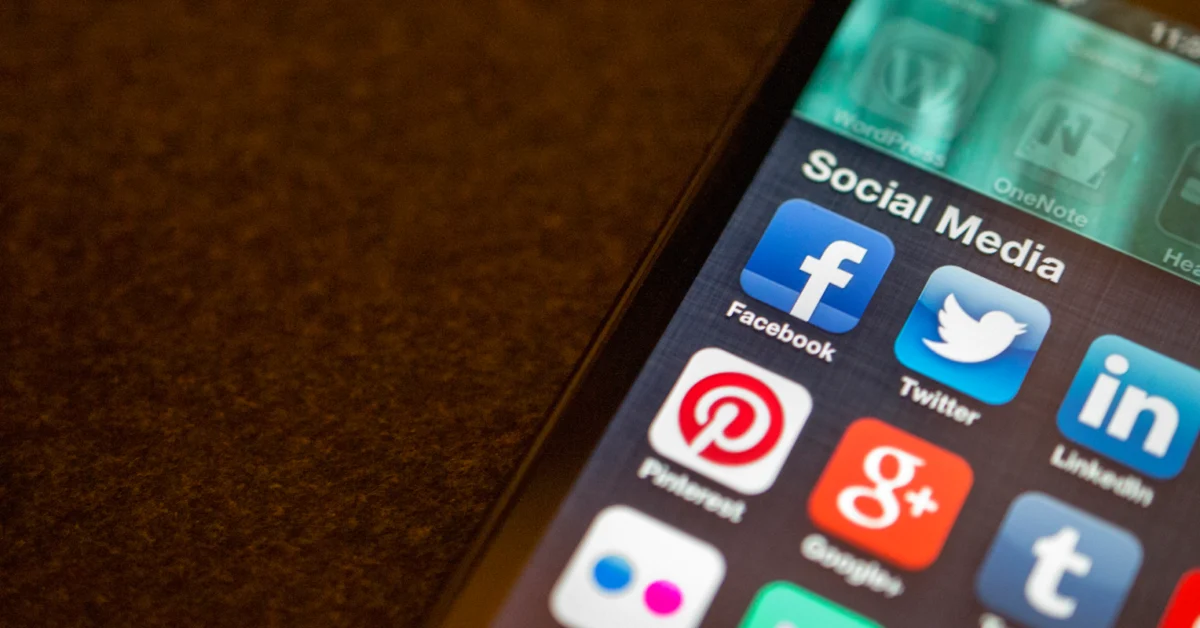
In the modern era, social media has evolved from a niche hobby into the central nervous system of global communication. Whether we embrace it as a vital tool for connection or resent it as a source of endless distraction, these platforms mediate our professional lives, our interpersonal relationships, and our perception of global events. Yet, as our digital footprints expand, so does a growing body of evidence suggesting that our relationship with the screen is fraught with psychological risk. The question, however, remains: Must we sever our digital ties to preserve our sanity, or is a healthier, more nuanced relationship possible?
Main Facts: A Dual-Edged Sword
Social media platforms are engineered to optimize engagement. By delivering a relentless stream of curated content—images, videos, cultural snippets, and discourse—these applications leverage psychological triggers to keep users scrolling. This "infinite scroll" architecture, while effective for business, has created a paradigm where the boundary between our digital lives and our lived reality is increasingly porous.
The primary tension lies in the paradox of connectivity. We are more connected than at any point in human history, yet rates of reported loneliness and anxiety are at record highs. Research suggests that while social media can act as a catalyst for community-building and self-expression, it simultaneously functions as a platform for social comparison, cyberbullying, and the amplification of ideological polarization.
A Chronological Evolution of Digital Interaction
To understand our current state, we must look at how social media has matured over the past two decades:
- The Early 2000s (The Era of Connection): Platforms like MySpace and the early iterations of Facebook were built around the novelty of finding long-lost friends and maintaining long-distance relationships. The psychological impact was largely viewed through the lens of community building.
- The 2010s (The Rise of Curation): With the introduction of visual-heavy platforms like Instagram, the focus shifted from "connection" to "curation." The rise of the "Influencer" model encouraged users to present a polished, highlight-reel version of their lives, setting the stage for widespread social comparison.
- The 2020 Pandemic Catalyst: COVID-19 acted as an accelerant. With physical isolation becoming the norm, humanity migrated almost entirely to digital spaces. During this time, social media became a lifeline for mental health support, but it also saw a surge in misinformation and digital fatigue.
- The Current Era (Algorithmic Influence): Today, we are in the age of the algorithm. Platforms no longer just host content; they predict what we want to see, often trapping users in "echo chambers" that reinforce existing biases and anxieties, significantly impacting public discourse and individual worldviews.
Supporting Data and Scientific Inquiry
The impact of social media on mental health is not merely anecdotal; it is documented by rigorous sociological and psychological study.
The Impact on Youth
The Royal Society for Public Health (RSPH) has been at the forefront of this research. A landmark study found that nearly 70% of teenagers reported receiving positive emotional support from their peers via social media during times of crisis. However, the same demographic is disproportionately vulnerable to the negative feedback loops of these platforms. Internal reports, such as those leaked from Meta (Facebook’s parent company), revealed that 32% of teen girls felt that Instagram exacerbated their body image issues.
The Stigma Reduction Potential
Not all digital influence is negative. The National Academies of Sciences, Engineering, and Medicine highlights the success of organized social media campaigns in shifting public perception. Scotland’s "See Me" campaign is a gold-standard example. By using social media to challenge myths about mental illness, the campaign achieved an 11% reduction in the belief that the public needs to be "protected" from those with mental health struggles, and a 17% decrease in the perception that the mentally ill are inherently dangerous.
The Cost of Comparison
The psychological concept of "social comparison theory" is highly relevant here. When users are exposed to the curated "perfect" lives of others, they often experience what has become colloquially known as the "Fear of Missing Out" (FOMO). Studies consistently show a correlation between high social media usage and symptoms of depression, driven largely by the feeling that one’s own life fails to measure up to the digital standard of others.
Official Responses and Regulatory Implications
The debate surrounding social media has moved from the psychologist’s office to the halls of government.
Legislative Scrutiny
Members of the U.S. Congress and international regulatory bodies have increasingly singled out the "algorithmic bias" of major platforms. The primary concern is that the profit-driven nature of these algorithms encourages inflammatory content because it generates the most engagement. This has led to intense bipartisan discussions regarding potential regulations on data transparency and the ethical design of digital interfaces.
Platform Accountability
Under pressure from regulators and the public, major tech companies have begun to roll out "well-being" features. These include time-management reminders, hidden "like" counts, and tools to limit interaction with triggering content. However, critics argue these are superficial fixes to systemic problems that are built into the business models of the platforms themselves.
Implications for the Individual: Striking a Balance
If social media is a tool, how do we prevent it from using us? The implications for our mental health suggest that "all or nothing" is rarely the answer. Instead, the focus should be on intentionality.
1. The Audit of Your Feed
Just as we audit our diet, we must audit our digital intake. If a specific account or platform consistently leaves you feeling inadequate or anxious, the most effective mental health intervention is to unfollow or mute. You are the architect of your digital environment.
2. Recognizing the "Curated Reality"
It is vital to maintain a cognitive distance from the content we consume. Remembering that influencers and peers are presenting a highly stylized version of reality can mitigate the urge to compare one’s behind-the-scenes life with someone else’s highlight reel.
3. Active vs. Passive Use
Research indicates that "active" users—those who use social media to message friends, comment meaningfully, and build relationships—experience higher levels of well-being than "passive" users, who simply scroll through content without interacting. Shifting from consumption to participation can transform social media from a source of anxiety into a genuine tool for community.
4. Setting Digital Boundaries
The "always-on" nature of modern technology makes it difficult to unplug. Implementing "digital-free zones" (such as the dinner table or the bedroom) or setting hard time limits on application usage can prevent the erosion of real-world experiences.
Conclusion
The relationship between humanity and social media is perhaps the defining psychological challenge of our time. While these platforms have undoubtedly provided a lifeline for connection and a vehicle for positive social change, they also carry the potential to diminish our sense of self-worth and warp our perception of reality.
We cannot necessarily control the algorithms that dictate our feeds, nor can we control the way others choose to present their lives online. We can, however, control our own engagement. By cultivating digital literacy, practicing intentional use, and prioritizing our real-world relationships, we can harness the benefits of a connected world without sacrificing our peace of mind. The goal is not to abandon the digital age, but to master it.