




As the global population ages, the challenge of maintaining robust health becomes increasingly tied to the resilience of our internal defenses. A groundbreaking study recently published in the journal Aging Cell offers a glimmer of hope for one of the most vulnerable demographics: older adults whose immune systems no longer respond optimally to vaccination. The research identifies a naturally occurring compound, spermidine, as a potential key to reversing the biological clock of immune cells, potentially bridging the gap in vaccine efficacy.
Main Facts: A New Frontier in Immunosenescence
The immune system is a complex, multi-layered defense network that undergoes a gradual, inevitable decline known as "immunosenescence." As individuals age, this process renders them more susceptible to infectious diseases and, crucially, less capable of mounting a robust response to life-saving vaccines. Whether it is the seasonal flu or a novel coronavirus, older adults often face a "vaccine gap," where their bodies fail to generate the necessary concentration of protective antibodies and T cells required for immunity.
A collaborative study led by Dr. Katja Simon of the Max Delbrück Center and Dr. Ghada Alsaleh of the University of Oxford’s Nuffield Department of Orthopaedics, Rheumatology & Musculoskeletal Sciences (NDORMS) suggests that spermidine—a polyamine compound found in both the human body and everyday foods like wheat germ, mushrooms, and aged cheeses—may serve as a natural countermeasure to this decline.
The pilot trial, involving 40 healthy adults aged 65 and older, demonstrated that a daily 6mg dose of spermidine for 13 weeks following a third COVID-19 booster could effectively "rejuvenate" the immune response in those who were previously identified as vaccine non-responders. By reducing signs of cellular senescence and promoting autophagy—the body’s "recycling" mechanism for damaged cellular components—spermidine appears to help the immune system regain its youthful efficiency.
Chronology: The Arc of the Investigation
The journey toward these findings began with the realization that the COVID-19 pandemic had brought the limitations of geriatric immunology into sharp focus. While vaccines proved highly effective for the general population, clinicians observed a persistent cohort of older adults whose antibody titers remained stubbornly low, even after repeated doses.
- The Hypothesis (Pre-2023): Drawing on existing knowledge that spermidine supports cellular maintenance mechanisms that typically fade with age, Dr. Simon and Dr. Alsaleh posited that supplementing these levels could restore immune cell function.
- Study Enrollment (Mid-2023): The team recruited 40 participants, all aged 65 or older. The methodology was double-blinded, with participants randomly assigned to receive either 6mg of spermidine or a placebo daily for 13 weeks post-vaccination.
- Data Collection (Late 2023): Researchers monitored the participants’ antibody levels, T-cell activity, and markers of biological cellular aging, such as DNA damage and senescence markers.
- Analysis (Early 2024): The team observed that approximately one-quarter of the participants exhibited "weak responder" profiles, characterized by high levels of cellular senescence. Among this specific subgroup, the spermidine cohort showed significant improvements in antibody production and neutralizing activity against viral variants.
- Peer Review and Publication (Mid-2024): The findings were subjected to rigorous scrutiny and subsequently published in Aging Cell, sparking international interest in the potential of metabolic interventions to boost immunity.
Supporting Data: The Science of Cellular Recycling
The efficacy of the immune system is fundamentally tied to the health of its constituent cells. As cells age, they accumulate "junk"—damaged proteins, malfunctioning mitochondria, and DNA lesions. In a younger, healthy body, a process called autophagy sweeps away these cellular hazards. In the elderly, autophagy slows down, leading to the accumulation of "senescent" or "zombie" cells. These cells stop dividing and functioning but remain in the tissue, secreting inflammatory signals that further degrade immune performance.
The data from the Oxford-Max Delbrück study provided a clear window into this process. The participants who responded poorly to the COVID-19 vaccine displayed high baseline markers of cellular senescence. After the 13-week spermidine regimen, those markers were measurably lower.
The results were twofold:
- Enhanced Neutralization: Participants who received the supplement showed higher levels of antibodies specifically capable of neutralizing various SARS-CoV-2 variants, suggesting a broader, more flexible immune response.
- Safety Profile: Perhaps most importantly for an older population, the study reported no adverse side effects. The supplement was well-tolerated, paving the way for larger-scale clinical investigations.
Official Responses: The Academic Perspective
The research team, which included experts from the Oxford Vaccine Group—such as Drs. Paul Klenerman, Teresa Lambe, and Lucy Jones—as well as Owen B. Spiller from Cardiff University, has been careful to frame these findings as a "proof-of-concept" pilot.
Dr. Ghada Alsaleh highlighted the clinical importance of the work: "Many older adults respond well to vaccines, but some do not develop strong protection, even after repeated vaccination. Biological aging of immune cells may be one reason why this happens. Our findings suggest that spermidine could help restore aspects of immune function in this group."
Dr. Katja Simon emphasized the need for caution, noting the study’s scope: "This study was designed as a pilot trial and involved a relatively small number of participants. Larger studies will be needed to determine whether spermidine can consistently improve vaccine responses and whether similar effects are seen with other vaccines, such as those used against seasonal influenza."
Despite the small sample size, the scientific community has reacted with cautious optimism. The use of a simple, naturally occurring compound to augment the immune system represents a move away from purely pharmaceutical interventions toward metabolic health, which is a growing area of interest in gerontology.
Implications: The Future of Geriatric Care
The implications of this research extend far beyond the COVID-19 pandemic. If validated by larger trials, the use of spermidine could revolutionize the strategy for protecting the elderly against a host of respiratory infections, including influenza and respiratory syncytial virus (RSV).
1. Tailored Vaccination Strategies
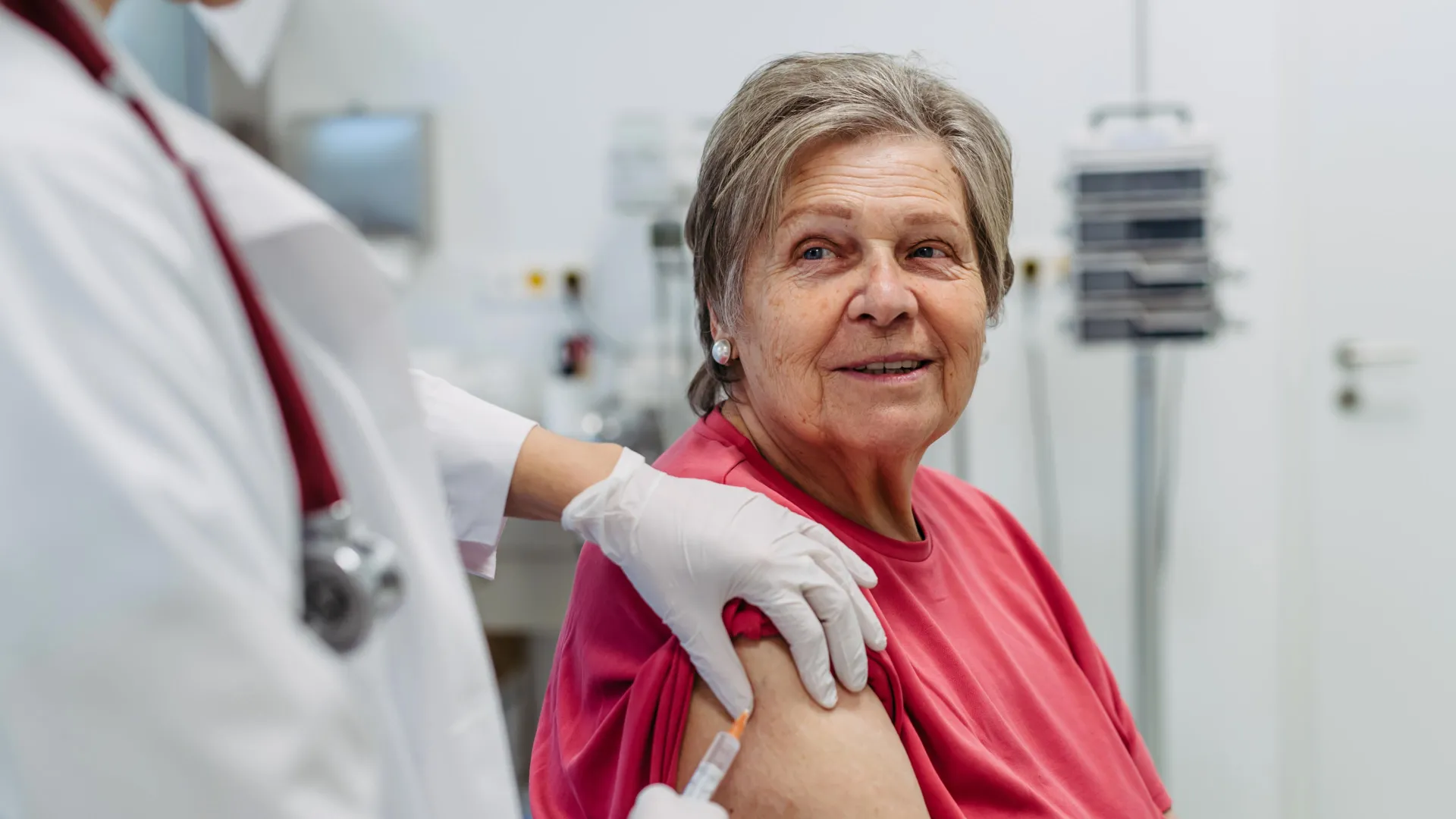
Currently, "one-size-fits-all" vaccination protocols often leave the oldest and most frail behind. A metabolic booster like spermidine could allow doctors to "prime" the immune systems of older patients prior to vaccination, ensuring that the body is biologically prepared to produce a strong response.
2. Dietary Interventions
While the study used a concentrated supplement, the identification of spermidine-rich foods—wheat germ, mushrooms, and certain cheeses—suggests that dietary intervention might be an accessible, low-risk way for seniors to support their cellular health. However, the researchers caution that individuals should consult their healthcare providers before starting any new supplement regimen.
3. Combatting Chronic Inflammation
Because spermidine targets the root causes of cellular aging, its benefits may not be limited to vaccination. By reducing the accumulation of senescent cells, such a treatment could potentially have wider implications for chronic inflammatory conditions, which are the hallmark of many age-related diseases.
4. The Path Ahead
The next phase of research will likely involve multicenter trials with hundreds or thousands of participants. Scientists will look to see if the improvements in antibody responses translate into real-world reductions in hospitalization and severe illness. Furthermore, there is a need to determine the optimal dosage and the duration of the effect.
In summary, while we are not yet at the stage where a "miracle pill" can reverse biological age, the study by Simon, Alsaleh, and their colleagues provides a robust scientific foundation for a new approach to elderly care. By viewing the immune system not as a static entity that must inevitably decline, but as a dynamic system that can be supported and recharged through metabolic intervention, we may finally be unlocking a way to ensure that our later years are as protected as our youth.