









Published July 28, 2026
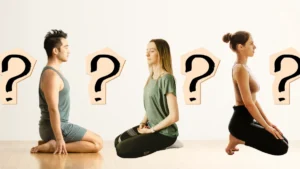
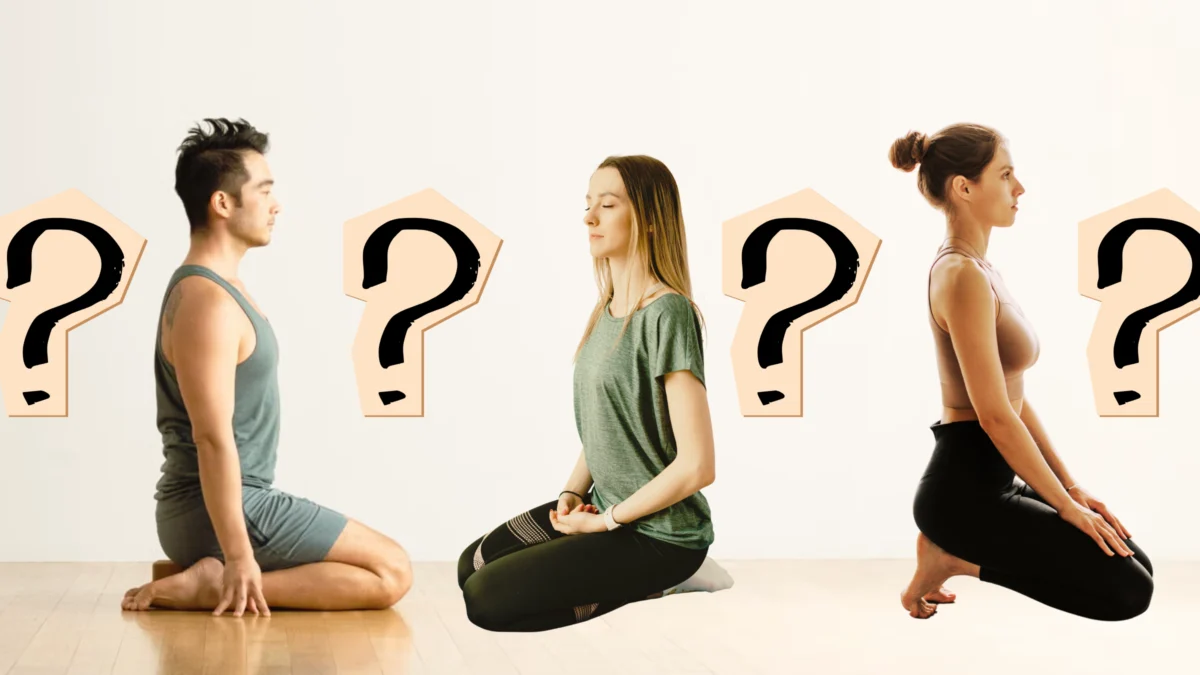
In the quiet, deliberate space of a yoga studio, the teacher’s voice cuts through the stillness: “Find your way into Thunderbolt Pose.” You kneel, sinking your hips onto your heels, and glance around the room. To your left, a student is sitting firmly on the floor between their feet; to your right, someone is balancing precariously with their toes curled under.
The moment of hesitation is universal. For many practitioners, the nuances between Thunderbolt, Hero, and Toe Squat remain a point of confusion. Despite their shared kneeling foundation, these three asanas offer distinct physiological benefits and anatomical challenges. Understanding the subtle distinctions is not just a matter of proper form—it is a gateway to deepening one’s practice and preventing unnecessary injury.
The Anatomy of Stillness: Why Kneeling Matters
Yoga is often defined by its mobility—the sweeping lunges, the flowing transitions of Sun Salutations, and the gravity-defying arm balances. Yet, the most profound work often happens in stillness. Kneeling poses serve as a vital counterpoint to the high-impact nature of modern fitness. They target the connective tissues of the feet, ankles, and quadriceps—areas often neglected in standard athletic training.
However, the "wait, what?" moment is a cornerstone of the yogic journey. Whether you are a novice or a seasoned instructor, the intellectual humility required to question one’s alignment is precisely what keeps the practice alive. As the ancient philosophy suggests, yoga is a lifelong process of refining awareness. When we stop to ask, "Am I doing this correctly?" we shift from mindless movement to conscious embodiment.
Thunderbolt Pose (Vajrasana): The Foundation of Stability
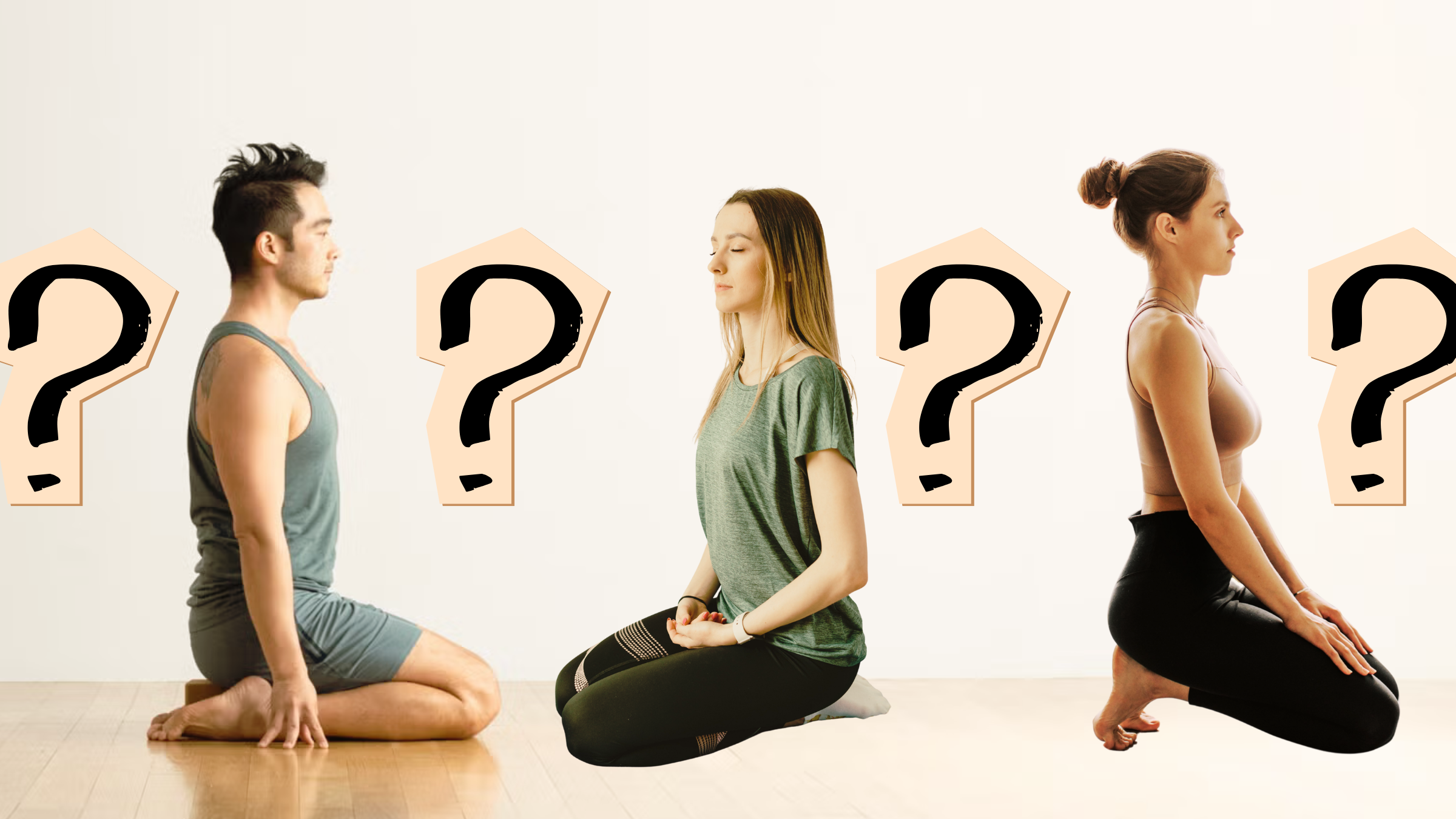
Thunderbolt Pose, or Vajrasana, is the bedrock of many seated meditation practices. Its primary function is to stabilize the lower body while encouraging an elongated, alert spine.
The Mechanics of Vajrasana
In its purest form, Thunderbolt Pose requires the practitioner to kneel with knees together, the tops of the feet resting flat against the mat, and the heels touching. The goal is to sit directly on the heels.
Key Alignment Cues:
- The Arch: Ensure your sit bones rest on the fleshy parts of the heels, rather than the sensitive inner arches.
- The Spine: Reach the crown of your head toward the ceiling, creating space between each vertebra.
- The Shoulders: Draw the shoulder blades down and back, away from the ears, to open the chest.
For those with limited ankle flexibility, the pose can feel restrictive. If you experience discomfort, folding a firm blanket and placing it underneath the feet or between the calves and hamstrings can provide the necessary elevation to sustain the pose without straining the joints.
Hero Pose (Virasana): Expanding the Horizon
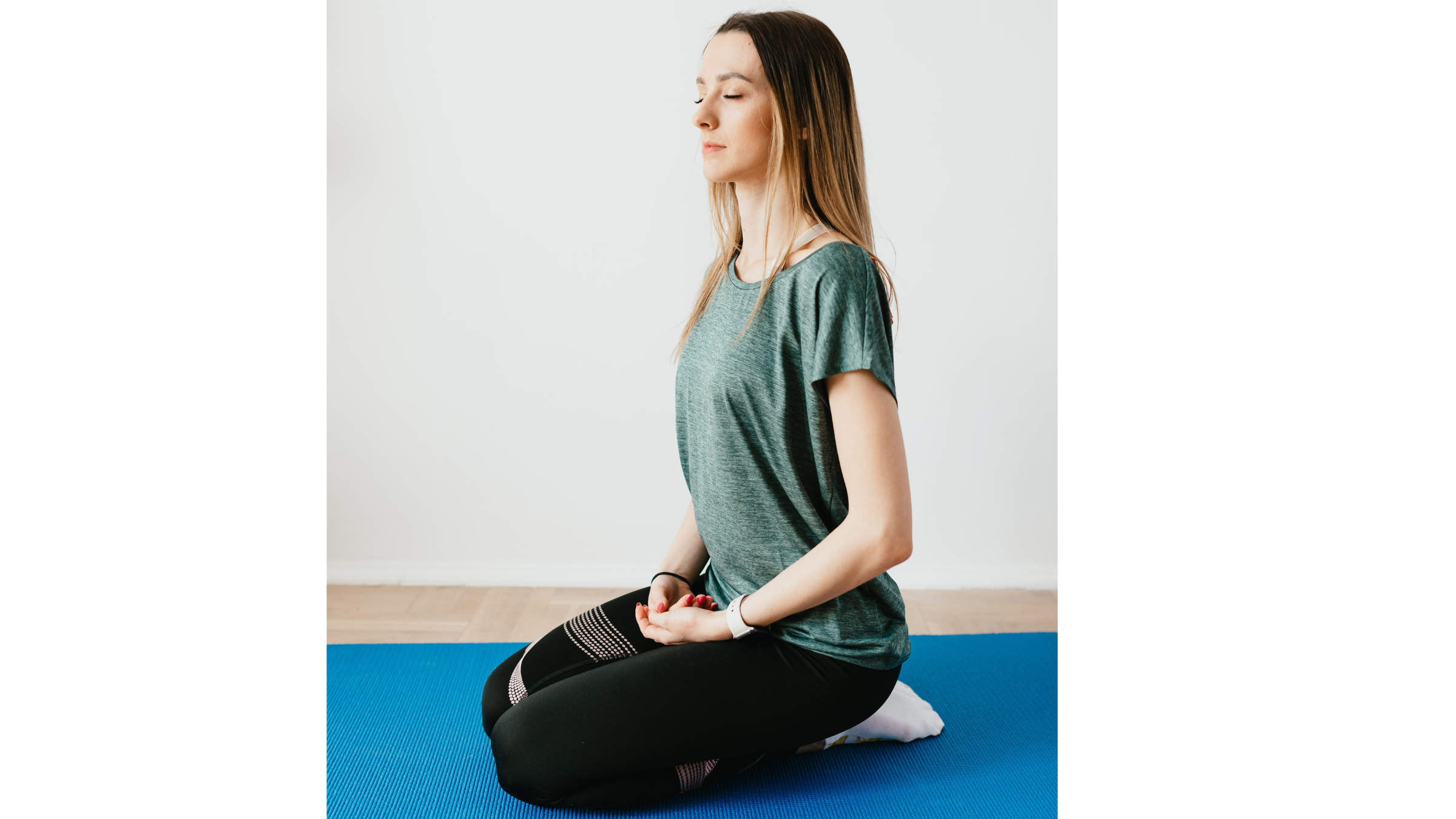
If Thunderbolt is about compactness, Hero Pose (Virasana) is about expansion. By shifting the hips from being perched on the heels to being rooted between them, the pose places a deeper demand on the quadriceps and the rotation of the knees.
The Mechanics of Virasana
Hero Pose is often misidentified as Thunderbolt because both involve kneeling. The critical differentiator is the placement of the sit bones.
Key Alignment Cues:
- Width: Start with your feet slightly wider than your hips.
- Descent: As you sink your hips back, ensure your inner calves are tucked against your outer thighs.
- Support: If your sit bones do not reach the floor, do not force them. Utilizing a yoga block or a stack of books under the pelvis is not a "cheat"—it is a therapeutic adaptation that allows the hips and knees to safely open over time.
While Virasana is excellent for opening the thighs, it is also notoriously intense. If you feel sharp, stabbing pain in the knees, it is a clear physiological signal to exit the pose or increase your elevation.
Toe Squat: The Unsung Hero of Foot Health
Of the three, the Toe Squat is arguably the most intense and the most rewarding for those who spend their days in restrictive footwear. By tucking the toes, we stimulate the plantar fascia and the intricate network of nerves in the feet.
The Mechanics of the Toe Squat
This pose is effectively an active stretch for the entire posterior chain of the foot.
Key Alignment Cues:
- The Tuck: Ensure all ten toes, including the pinky toes, are tucked firmly into the mat.
- Weight Distribution: As you sit your weight onto your heels, you may feel an immediate, intense sensation in the arches.
- Gradual Integration: If the sensation is overwhelming, lean your torso forward, resting your hands on the mat. By shifting weight into your arms, you control the intensity of the stretch, allowing your tissues to adapt at their own pace.
Supporting Data: The Physiology of Kneeling
Why do we insist on these poses despite their discomfort? Modern research into myofascial release suggests that these kneeling positions are highly effective at hydrating the connective tissues. When we place the ankle and foot into these extreme ranges of motion, we encourage blood flow to areas that are typically sedentary.
A 2024 study on sedentary office workers found that integrating just five minutes of "kneeling-based restorative stretching" significantly reduced reported foot pain and improved ankle dorsiflexion over a six-week period. These poses are not merely symbolic; they are functional maintenance for the modern body.
Official Perspectives: When to Modify
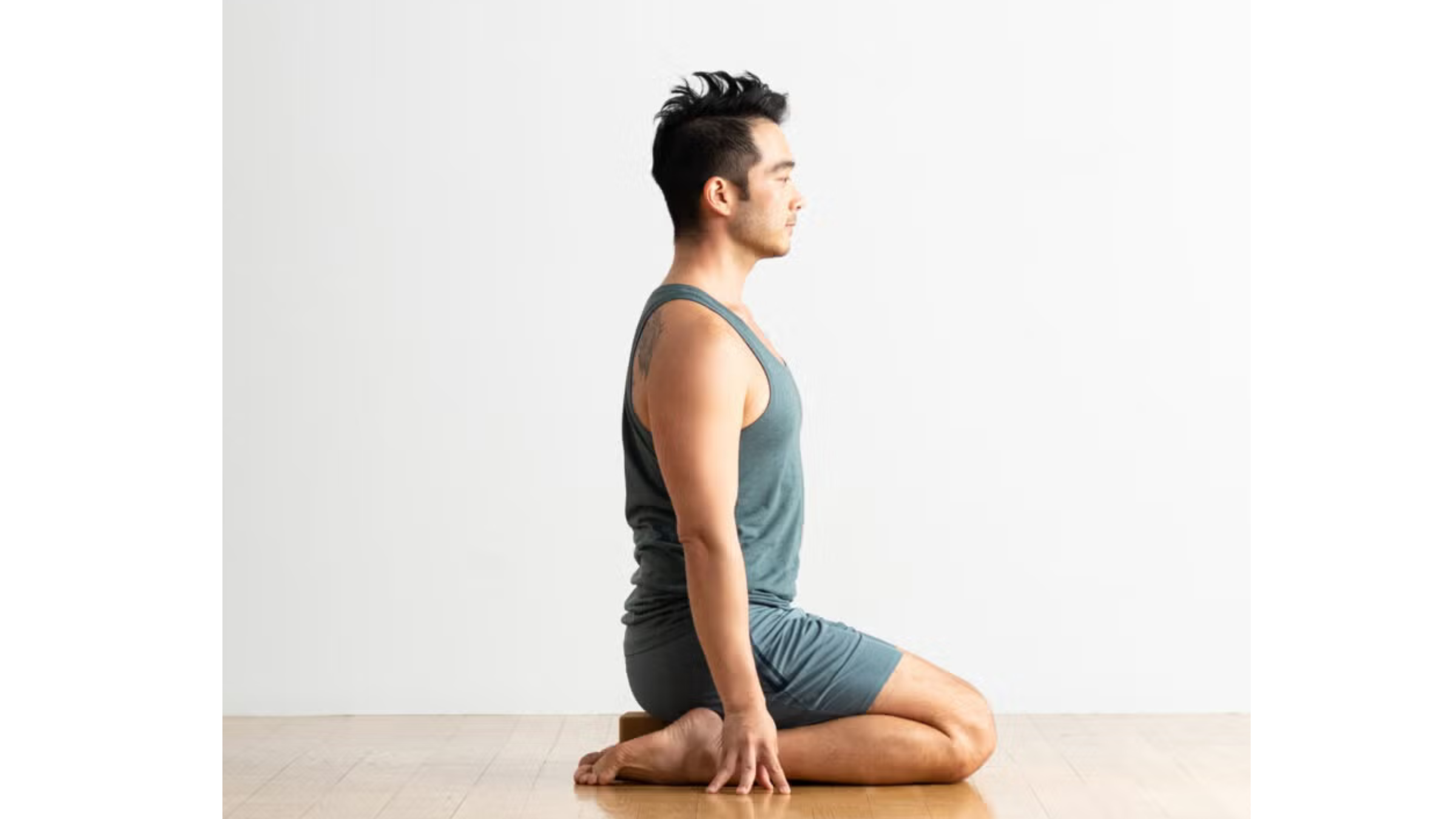
Leading physical therapists and senior yoga instructors consistently echo one sentiment: Alignment is subjective.
"There is no ‘correct’ version of a pose that ignores the individual’s unique bone structure," says Dr. Elena Vance, a specialist in sports medicine and yoga anatomy. "If a student has a history of knee injury, the deep flexion of Hero Pose might be contraindicated, while Thunderbolt might be perfectly manageable. The goal is to find the ‘edge’ of the sensation—the point where you feel a stretch, but not pain."
The consensus among the professional yoga community is clear: props are not a sign of weakness. Whether it is a blanket under the ankles for Thunderbolt, a block under the hips for Hero, or leaning forward to adjust the weight in a Toe Squat, the use of support represents a sophisticated understanding of one’s own body.
Implications for Your Practice
The confusion between these three poses serves as a useful metaphor for the broader practice of yoga. Often, we assume we know exactly what a pose should look like, or we prioritize the "aesthetic" of the shape over the "feeling" of the pose.
By mastering the differences between Thunderbolt, Hero, and Toe Squat, you gain more than just technical knowledge. You gain the ability to choose the right tool for the right day.
- Choose Thunderbolt when you need grounding and a quiet, meditative seat.
- Choose Hero when you are seeking to open the quadriceps and prepare the hips for deeper seated work.
- Choose Toe Squat when your feet feel tight, fatigued, or stagnant.
As you return to the mat, remember that the "mental files" you are flipping through are never truly closed. Learning in yoga is a perpetual state of curiosity. Next time you are in class and the teacher cues a pose that makes you pause, don’t look around to mimic your neighbor. Instead, look inward. Feel the stretch, respect your boundaries, and embrace the fact that in yoga, the "right" way to practice is the way that serves your body, right here, right now.