









Published July 27, 2026
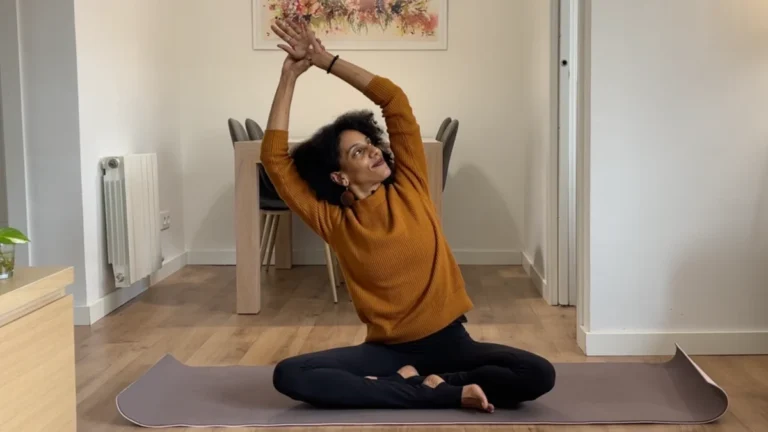
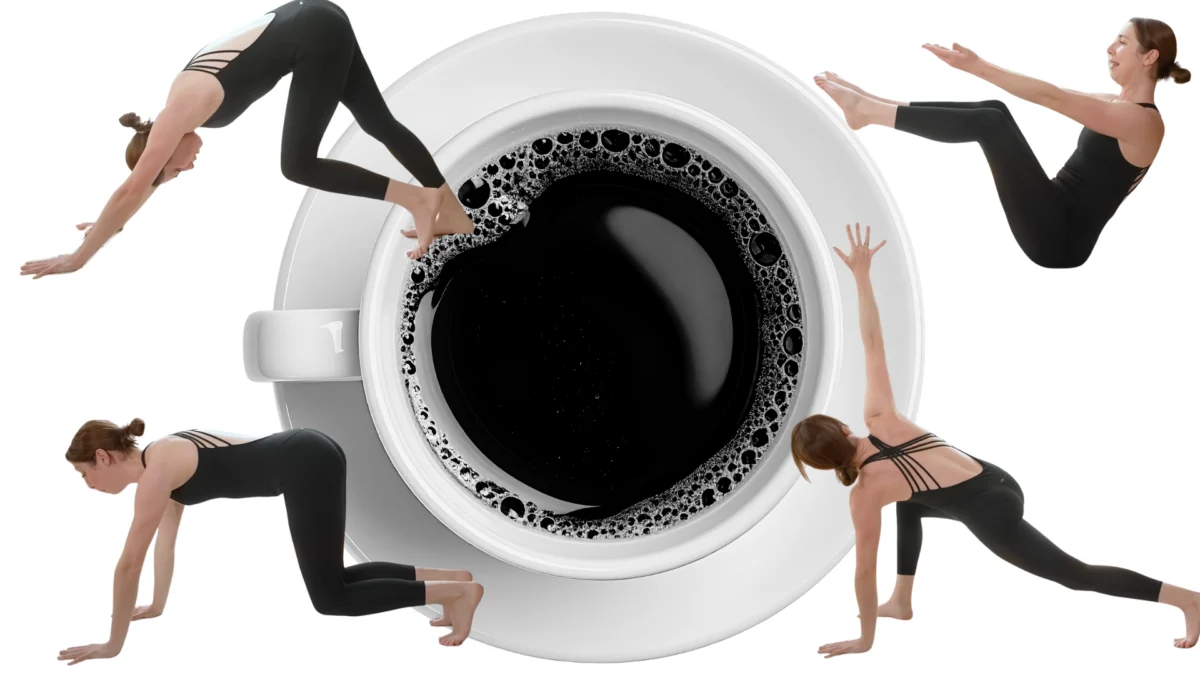
For millions of people, the transition from sleep to wakefulness is a daily struggle characterized by physical stiffness, mental fog, and a reliance on external stimulants like caffeine. However, wellness experts are increasingly pointing toward a more sustainable, physiological approach to starting the day: intentional movement. A new 10-minute yoga flow, designed specifically for morning vitality, is gaining traction as an effective method to jumpstart the body’s metabolic and nervous systems without the intensity of a high-impact workout.
The Morning Energy Deficit: Why We Feel Stiff
Physiologically, the body undergoes significant changes during sleep. Muscle tissue undergoes a period of relative inactivity, leading to a decrease in synovial fluid—the lubricant that keeps joints supple. When we wake, this reduction in lubrication, combined with the natural drop in core body temperature that occurs during REM cycles, results in the familiar sensation of morning stiffness.
"Practicing yoga first thing in the morning is not just about flexibility," explains movement specialist and yoga instructor Kassandra, who developed the trending 10-minute sequence. "It is about signaling to the nervous system that it is time to shift from a parasympathetic, restorative state into a sympathetic, active state. It’s a way to wake up the spine, stimulate blood flow, and clear the mental cobwebs."
A Chronological Guide to the 10-Minute Flow
This sequence is curated to be accessible for all skill levels, focusing on spinal mobility through twists and side bends rather than cardiovascular strain. Below is the breakdown of the 10-minute progression:
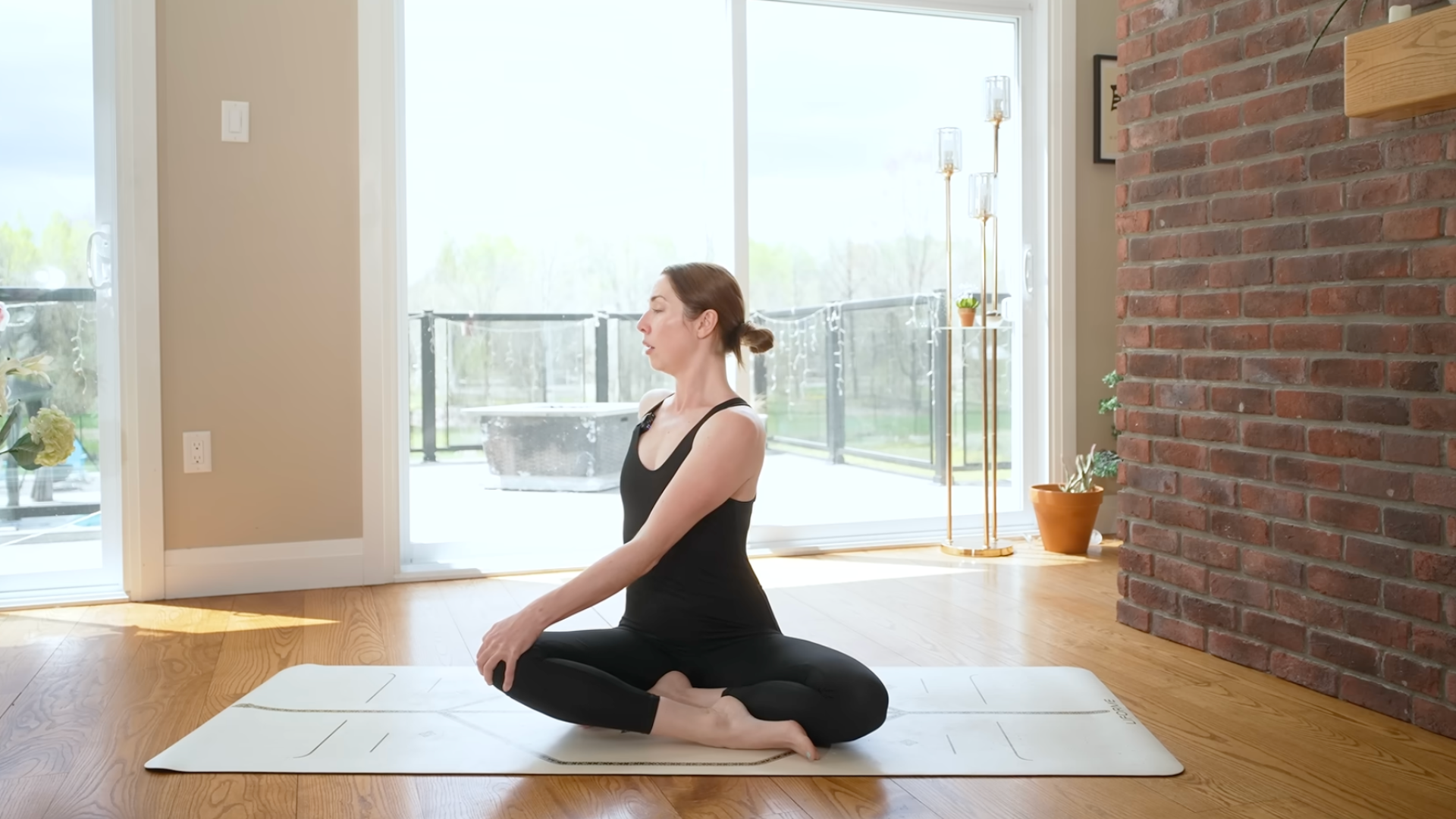
1. Seated Twists: The Spinal Wake-Up
The session begins with a seated twist. By crossing the legs and grounding the sit bones, practitioners isolate the mid and upper back. This initial phase focuses on mechanical engagement—drawing the shoulder back while keeping the hips square—to safely awaken the vertebrae that have been compressed or immobile for hours.
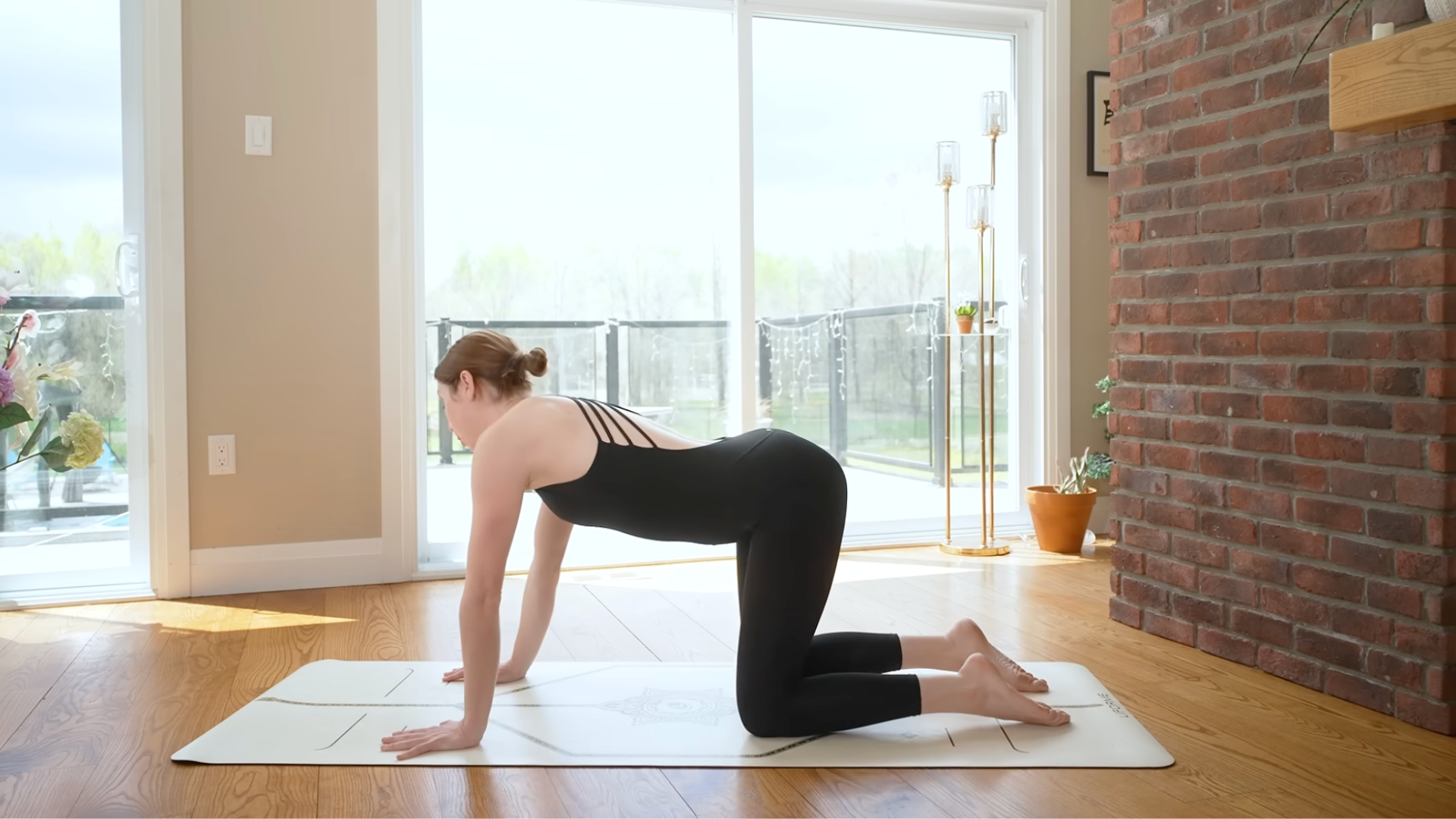
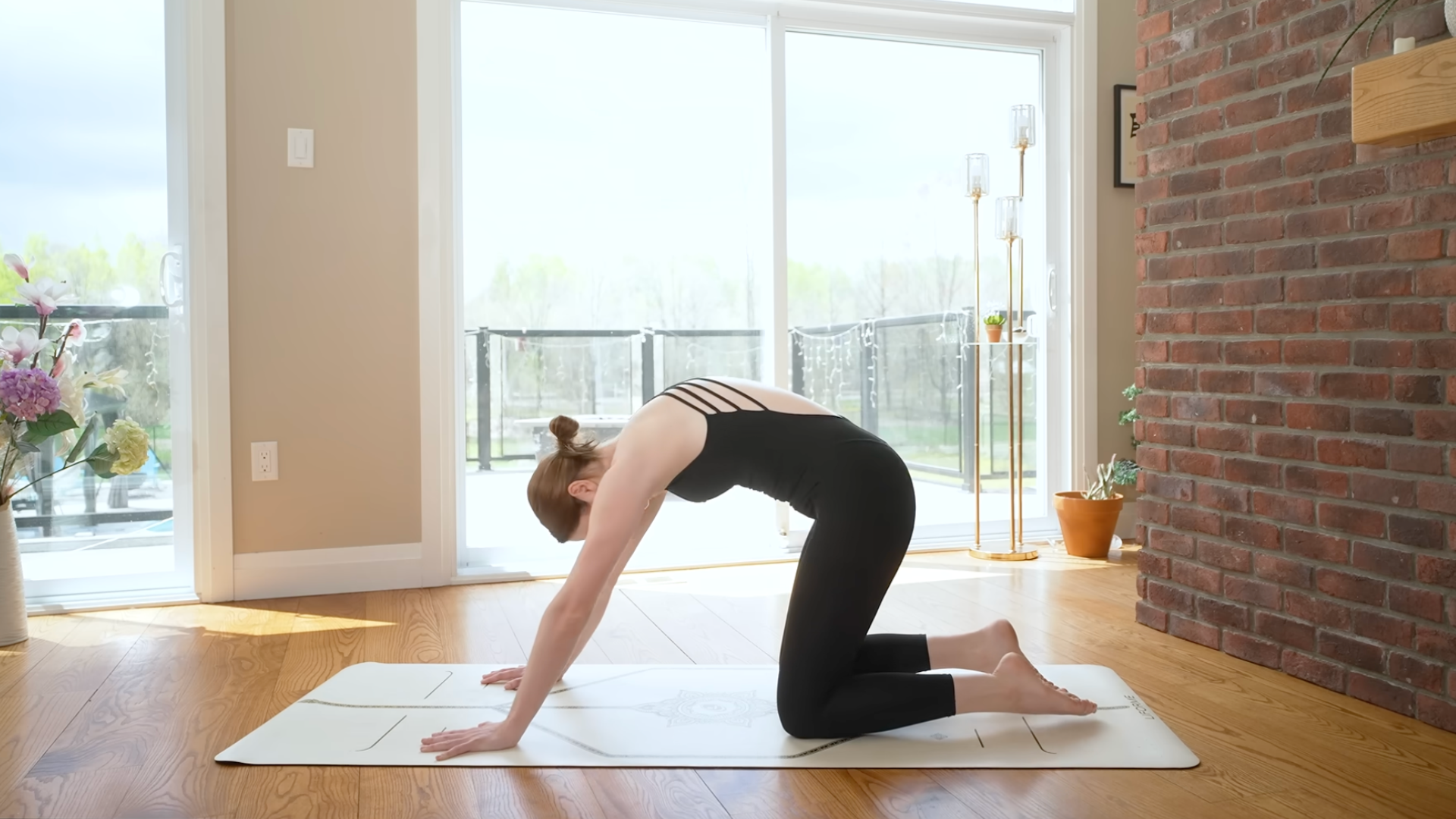
2. Cat and Cow: Circular Mobility
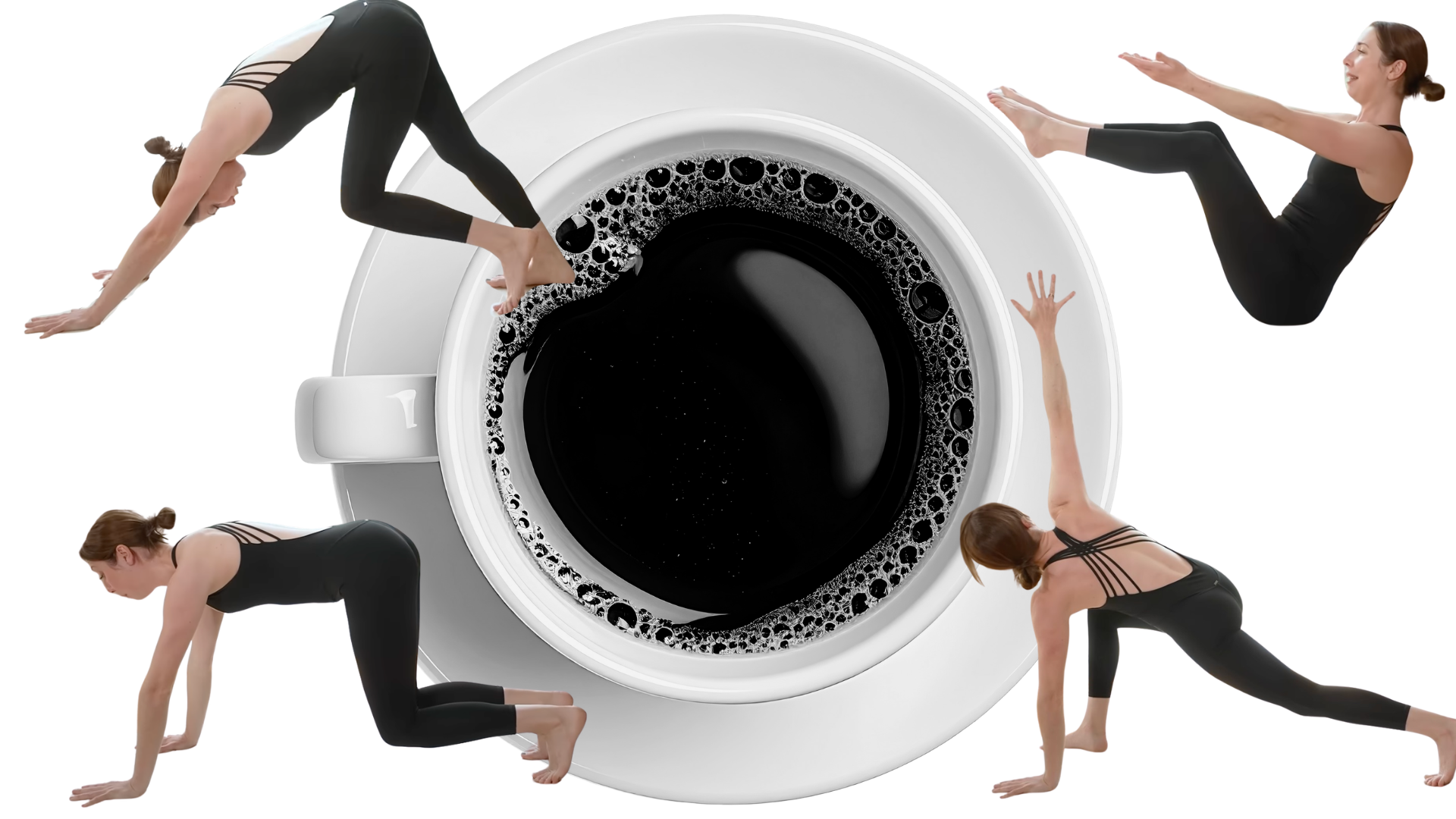
Moving into a quadruped position, the sequence utilizes a "circular" version of the classic Cat-Cow. Rather than a simple linear arch and round, the addition of circular hip movements ensures that the entire thoracic and lumbar spine is mobilized. This movement is essential for lubricating the intervertebral discs.
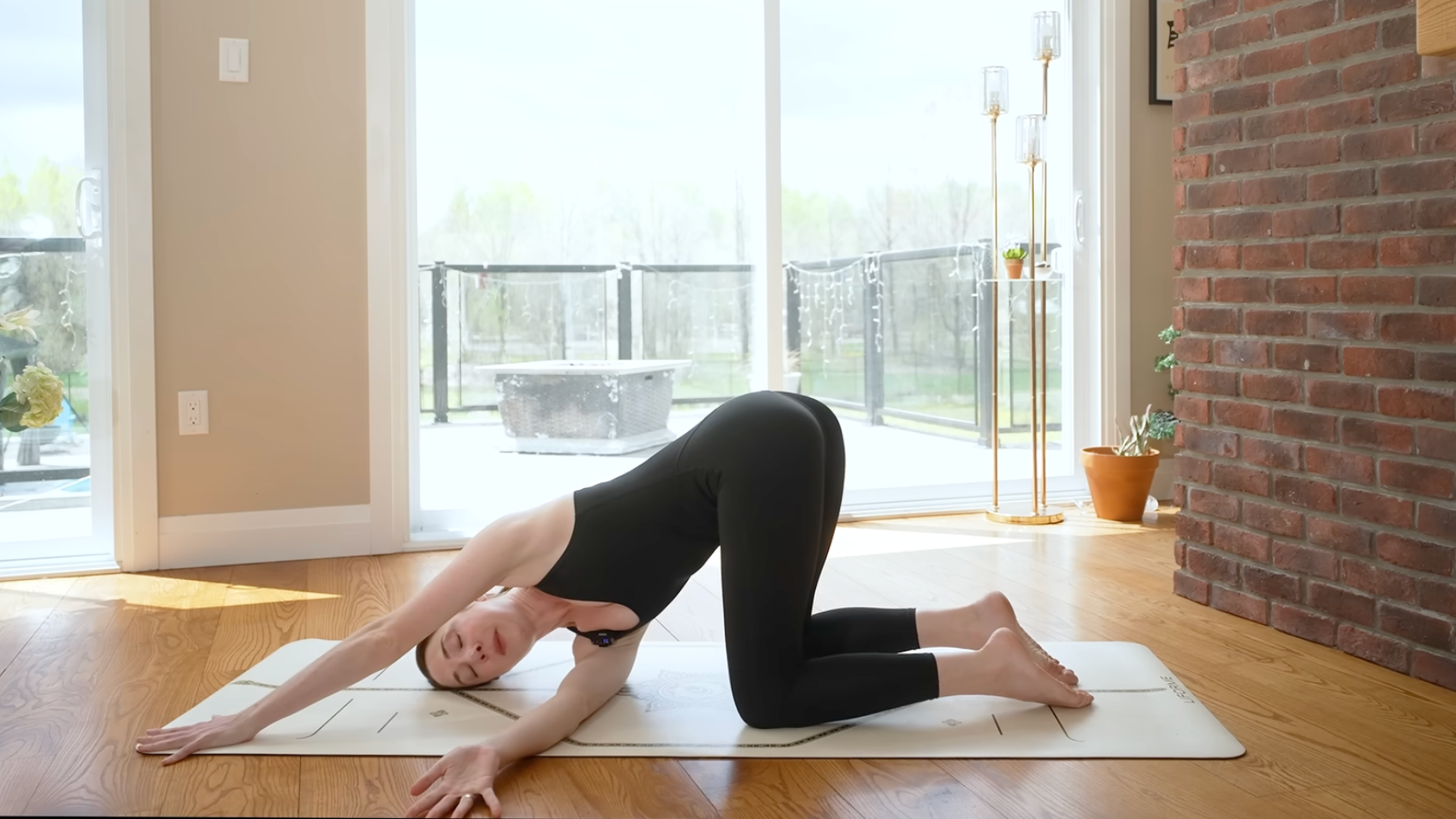
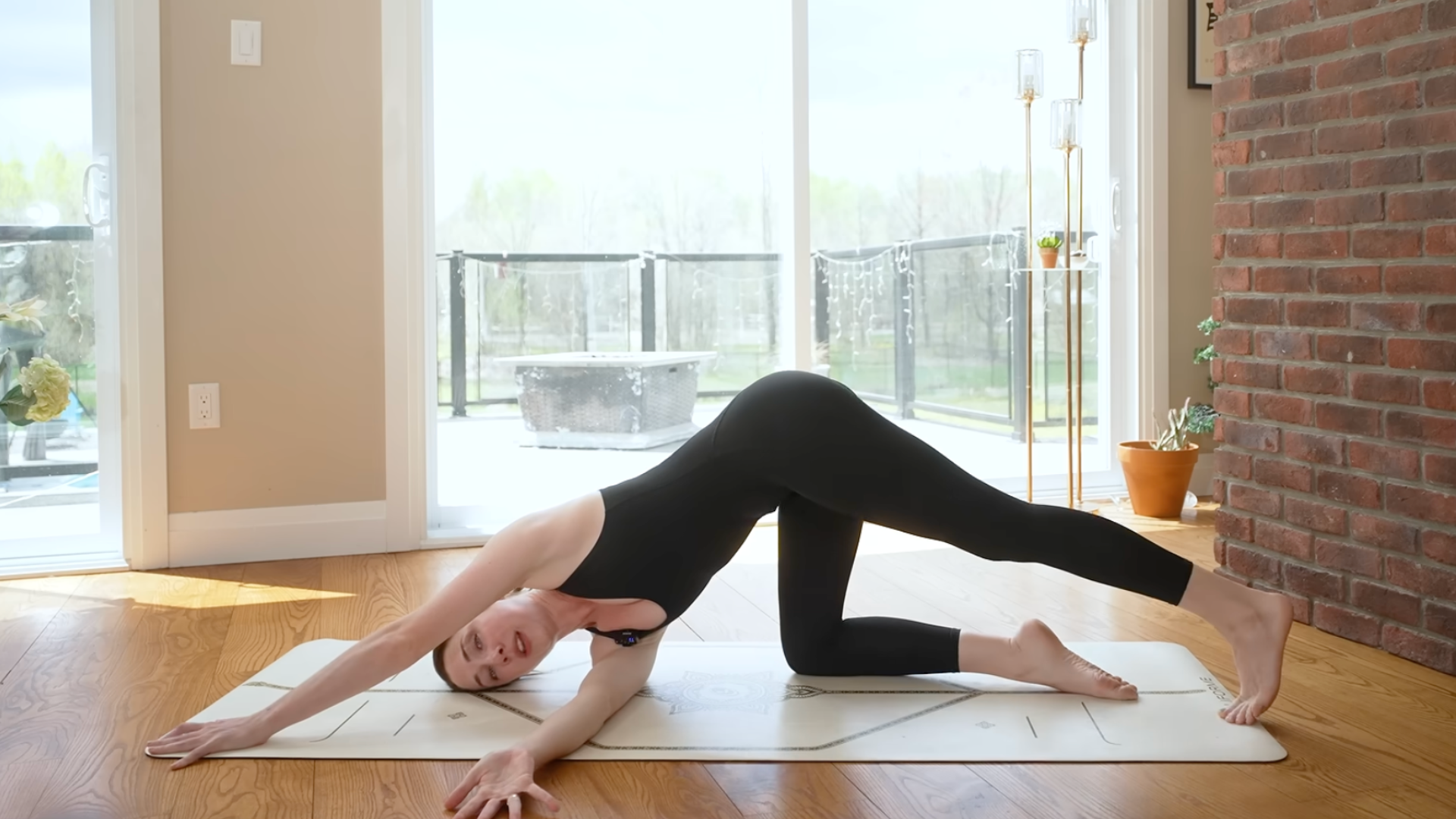
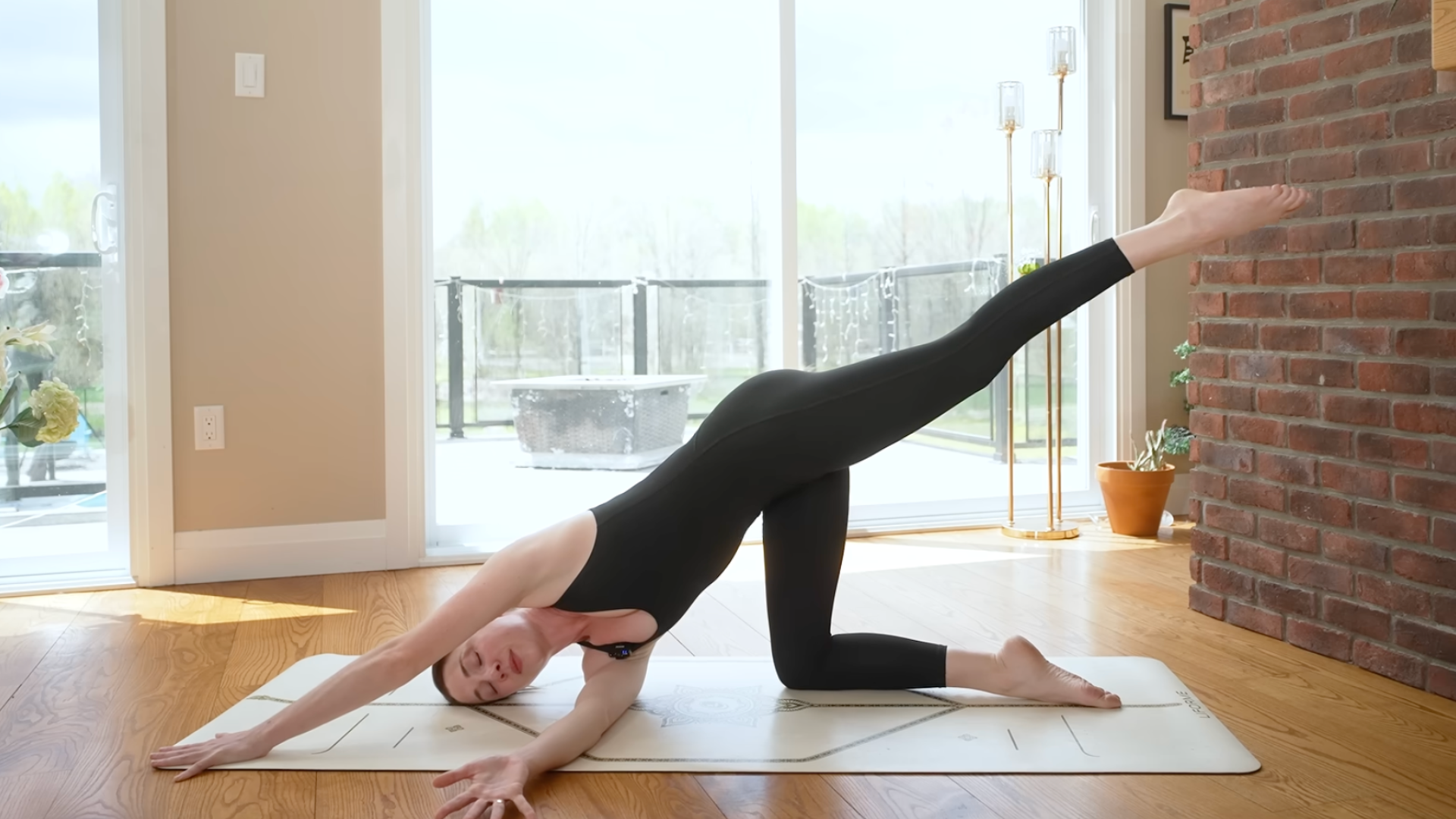
3. Thread the Needle: Deep Thoracic Release
The transition to "Thread the Needle" introduces a deep stretch for the shoulders and upper back. By extending one arm underneath the body, the practitioner targets the rhomboids and trapezius. For those seeking a higher level of physical challenge, the instructor suggests extending the opposite leg, which introduces a stability and core-activation component to an otherwise restorative pose.
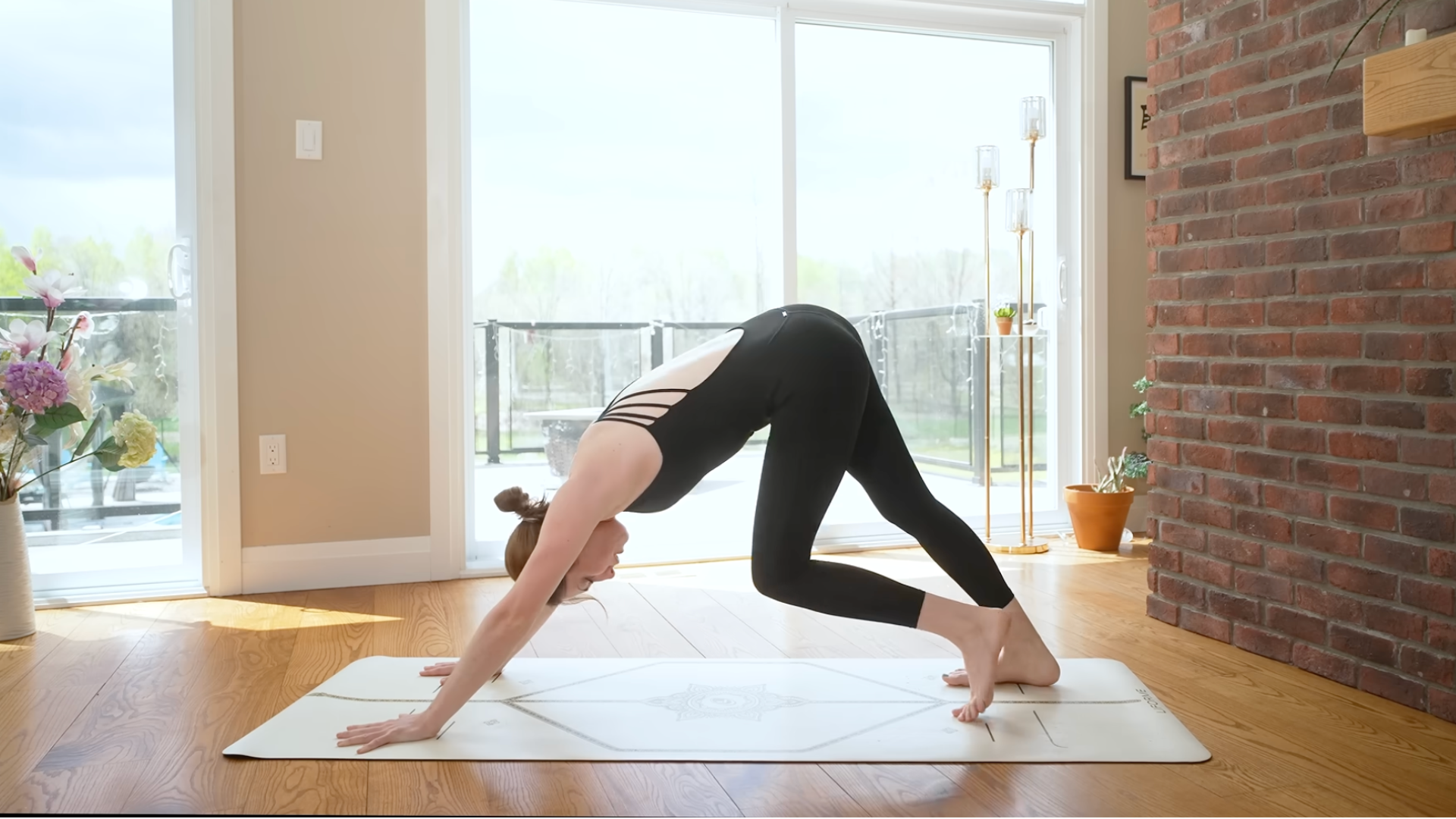
4. Downward-Facing Dog and Three-Legged Dog
The practice then shifts to inversion. Downward-Facing Dog serves as the primary tool for lengthening the hamstrings and calves—areas that are notoriously tight in the morning. The "peddling" of the feet is encouraged to facilitate blood circulation.
5. Low Lunge Twists and Variations
The sequence incorporates a low lunge with a lateral twist. This targets the psoas and hip flexors. The variation—dropping the hand toward the back thigh while reaching the other overhead—opens the chest and intercostal muscles, which can significantly improve breathing capacity for the day ahead.
6. Boat Pose and Hovering Tabletop
The latter half of the flow introduces core stability. "Boat Pose" (Navasana) serves as a bridge, engaging the abdominals, before transitioning into "Hovering Tabletop Twists." By lifting the knees just an inch off the mat and shifting the hips side to side, practitioners engage their deep core stabilizers, providing an immediate energy spike through focused effort.
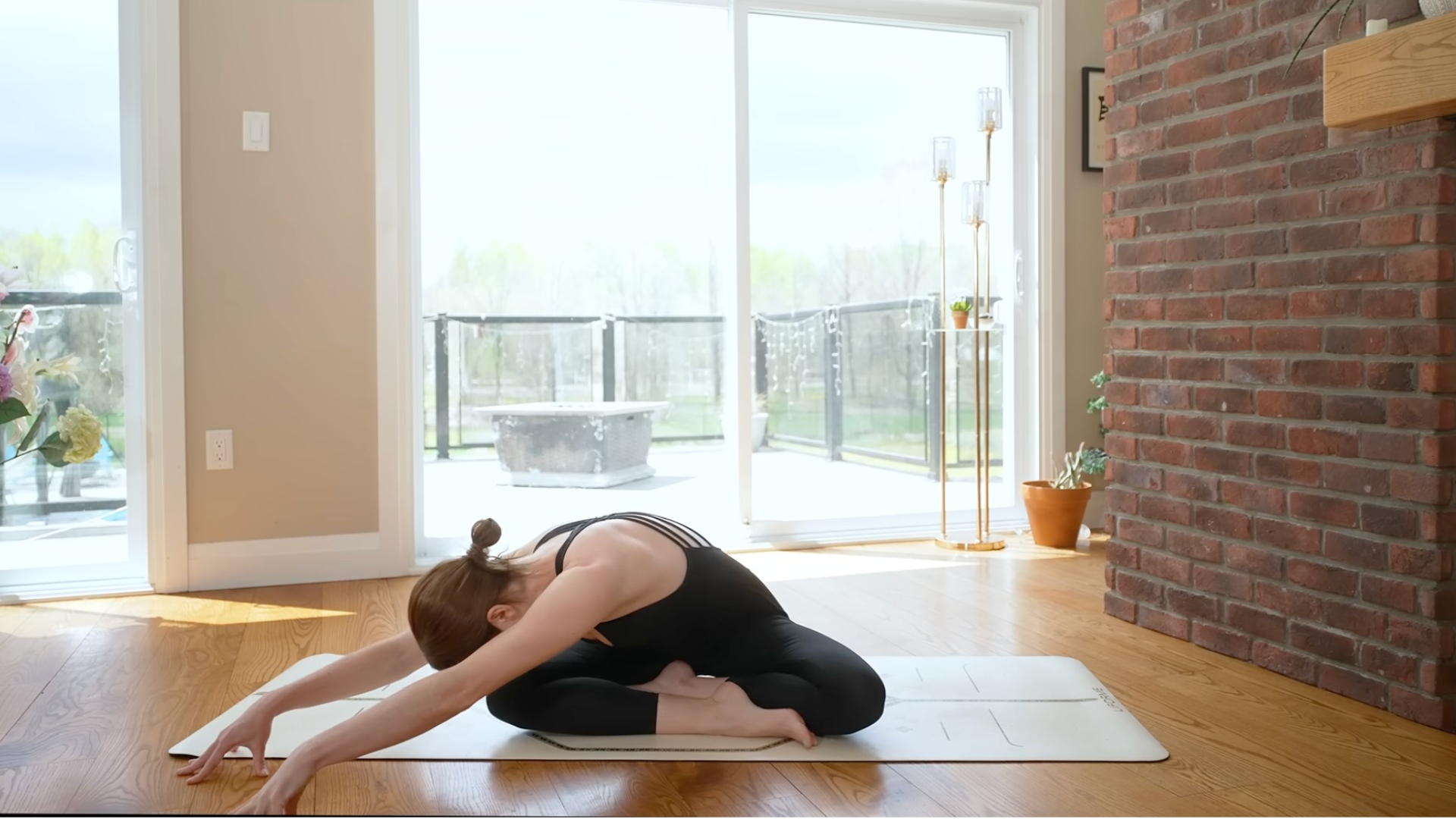
7. Child’s Pose: Intention Setting
Unlike traditional yoga classes that conclude with Savasana (Corpse Pose), which can induce drowsiness, this sequence ends in Child’s Pose. This allows for a moment of quiet reflection, where the practitioner is encouraged to set a "one-word intention" for the day, grounding the physical practice in a mental framework.
Supporting Data: The Impact of Movement on Circadian Rhythms
The effectiveness of this 10-minute routine is supported by the study of chronobiology. Research suggests that engaging in gentle, rhythmic movement shortly after waking helps to align the body’s internal clock.
According to sports physiologists, morning movement increases core temperature, which in turn enhances enzymatic activity within the muscles. This leads to a faster onset of "readiness" in the body. Furthermore, the focus on twists—a hallmark of this specific sequence—is believed by many practitioners to aid in the stimulation of the digestive system, which often requires a "nudge" after overnight fasting.
Expert Perspectives on Accessibility
One of the primary barriers to consistent exercise is the perception that a workout must be long or grueling to be beneficial. By keeping the session under 10 minutes and largely seated or kneeling, the barrier to entry is significantly lowered.
"We have to stop equating ‘effective’ with ‘exhausting’," says a local sports medicine consultant. "For the average person, a 10-minute session that improves range of motion and mental clarity is infinitely more sustainable than a 60-minute gym session that is skipped due to time constraints. The goal of this flow is consistency, which is the cornerstone of long-term health."
Implications for Daily Productivity
The implications of adopting such a morning routine extend beyond the yoga mat. Participants report a higher degree of mental clarity and emotional regulation throughout the day. By starting with a conscious choice—the "one-word intention"—the practitioner moves from a reactive state of "waking up" to a proactive state of "starting the day."
The "No Savasana" Philosophy
The conscious decision to omit Savasana at the end of this morning flow is a deliberate design choice. In the context of a 6:00 AM routine, the goal is activation, not relaxation. By closing the session with an intentional, upright, or active-rest pose like Child’s Pose, the flow ensures the user remains alert and prepared for their daily obligations.
Conclusion: A Minimalist Approach to Vitality
In an era where productivity is often linked to complex routines and expensive equipment, the 10-minute morning yoga flow offers a refreshing alternative. It relies on the body’s innate design, utilizing simple, fluid movements to address the physical stiffness and mental fog that accompany the start of a new day.
Whether one is a seasoned yogi or a complete beginner, the combination of spinal twists, core engagement, and intentional breathing provides a scientifically grounded foundation for a more productive, energetic day. As the wellness industry continues to evolve, it is likely that such "micro-practices" will become a standard component of the modern morning routine, proving that sometimes, 10 minutes is all it takes to shift the trajectory of an entire day.