Updated: July 29, 2026
In an era defined by perpetual connectivity and the "always-on" culture, the concept of self-care has often been commodified into expensive, time-intensive retreats or hour-long studio commitments. For the average professional, the parent, or the student, the mere suggestion of adding a 60-minute yoga class to an already overflowing calendar can feel more like a burden than a relief. Yet, new evidence suggests that the most effective way to combat the physiological toll of modern stress is not found in grand gestures, but in the power of the "micro-break."
A newly refined 3-minute, beginner-friendly yoga sequence is challenging the status quo, proving that significant physical and mental relief does not require a time-consuming overhaul of your daily routine. By stripping away the performative nature of complex yoga flows, this routine focuses on fundamental, accessible movements designed to reset the nervous system, improve posture, and alleviate the physical manifestations of chronic stress.
The Main Facts: Reframing the "Time-Poor" Barrier
The primary reason people abandon wellness goals is not a lack of desire, but a lack of perceived capacity. Psychologists note that when we are under extreme stress, our executive function—the part of the brain responsible for planning and initiation—becomes overwhelmed. This is why a 10-minute yoga video, which should be simple, suddenly feels like an insurmountable mountain.
The "3-Minute Basic Routine" acts as a psychological "low-friction" entry point. By committing to just 180 seconds, individuals bypass the internal negotiation that often leads to procrastination. This is not about achieving the perfect pose; it is about showing up exactly as you are, regardless of your energy levels or flexibility. Whether executed at dawn, during a lunch break, or as a transitional ritual after closing a laptop, the routine offers a consistent, rhythmic anchor for the body.
Chronology of the 3-Minute Flow
This sequence is designed to move systematically through the body, releasing tension in the neck, shoulders, spine, and hips—the primary sites where stress-induced muscular tension resides.
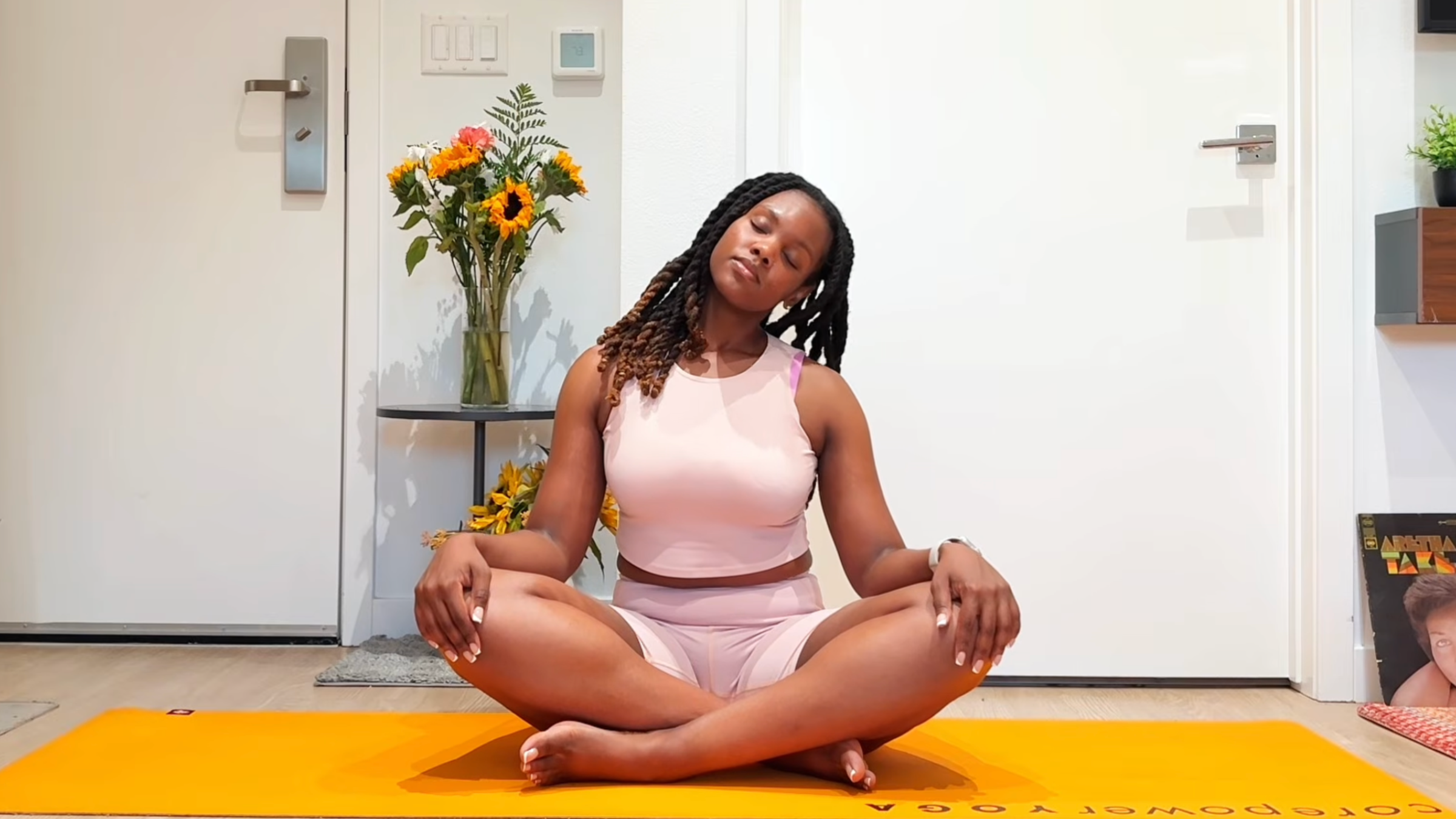
1. The Cervical Release (Neck Stretch)
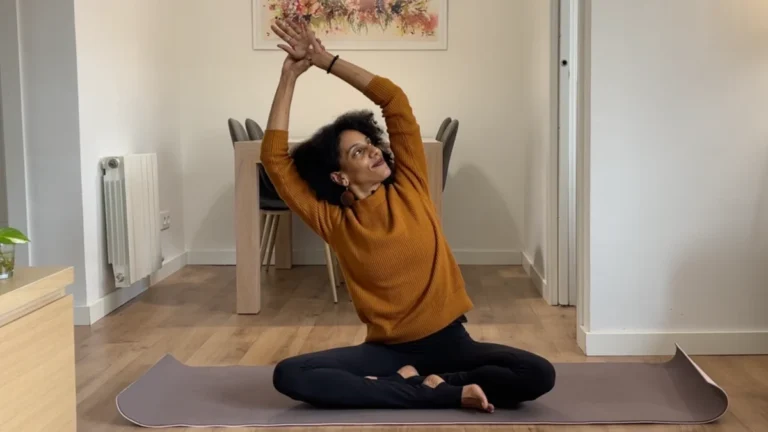
Start by grounding yourself in a comfortable cross-legged position. By lowering your right ear toward your right shoulder, you engage the upper trapezius and levator scapulae muscles, which are notorious for tightening during desk work. Breathing deeply here facilitates oxygen flow to the tissues. Repeating this on the left side ensures bilateral symmetry and releases the neck’s habitual forward-head posture.
2. The Spinal Reset (Cross-Legged Forward Fold)
Transitioning into a forward fold, you gently lengthen the entire posterior chain. This pose serves as an external signal to the parasympathetic nervous system that it is time to shift from "fight or flight" to "rest and digest."
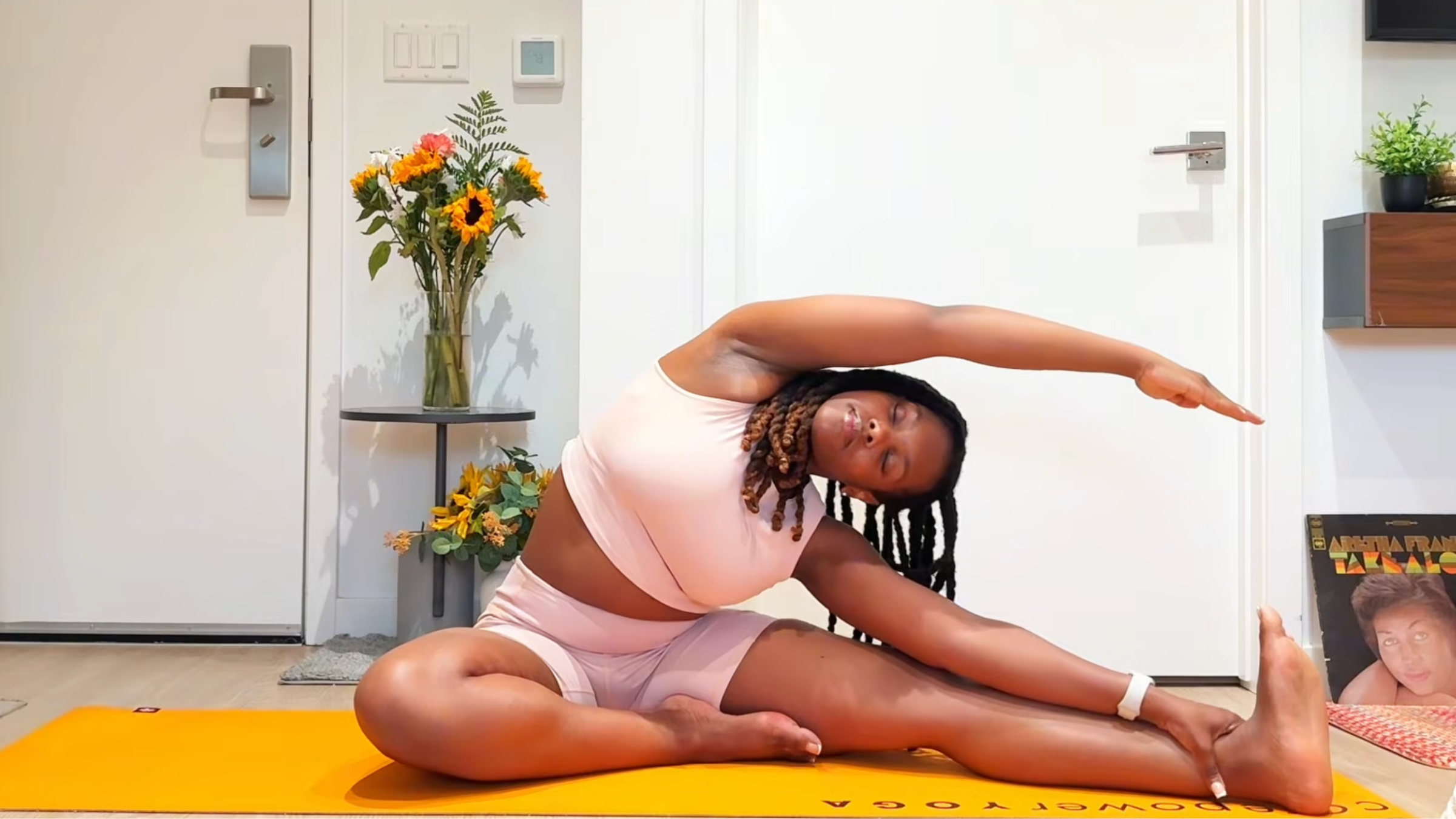
3. The Lateral Expansion (Revolved Head to Knee Pose)
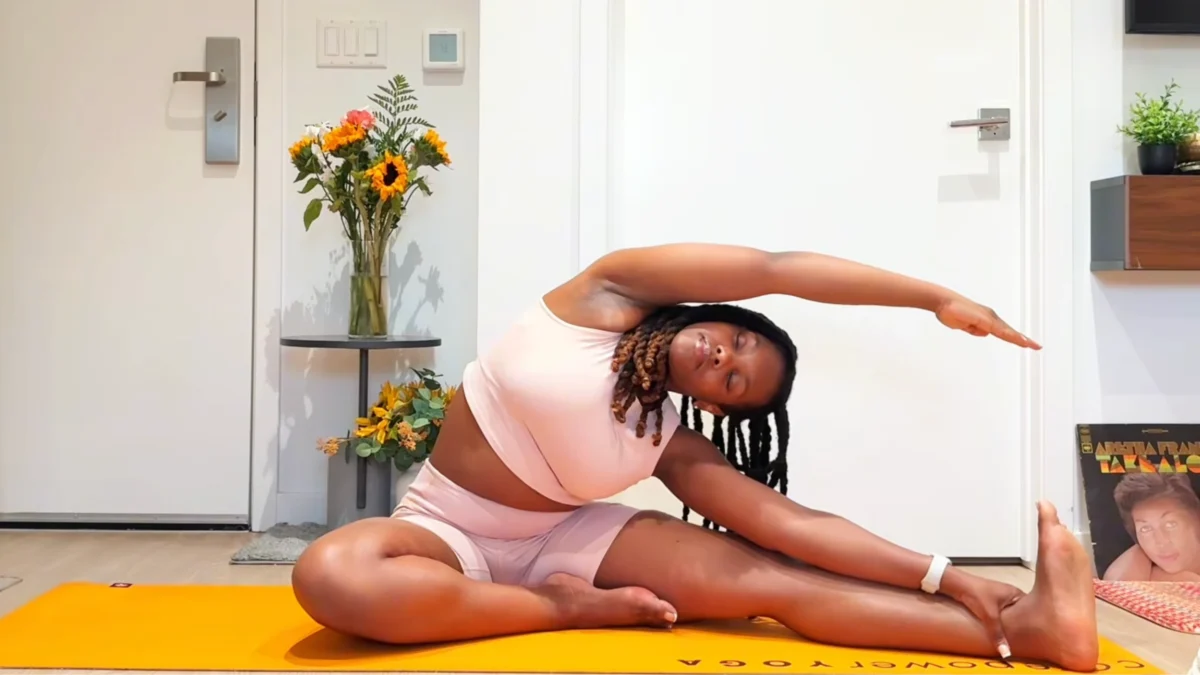
This pose introduces rotation and lateral flexion. By extending one leg and reaching the opposite arm toward the ceiling, you create space between the ribs, which can feel compressed after hours of sitting. This movement targets the intercostal muscles and the latissimus dorsi, helping to expand lung capacity and improve respiratory ease.
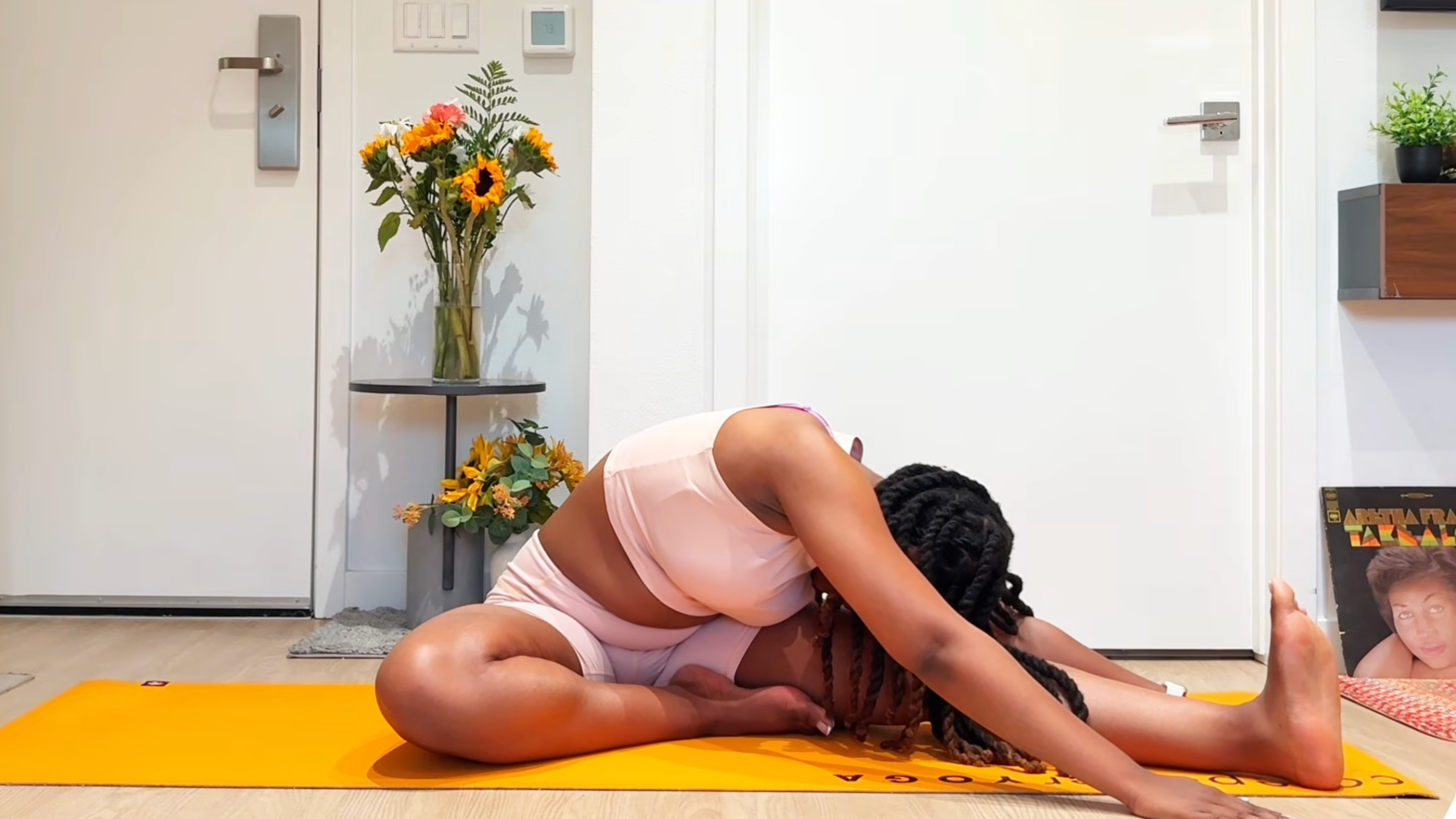
4. The Targeted Release (Head to Knee Pose)
Focusing on one side at a time, this forward bend allows for a deeper, more intentional release of the lower back. By rounding the spine and allowing the head to hang heavy, you release tension in the cervical and thoracic vertebrae, counteracting the effects of rounded shoulders.
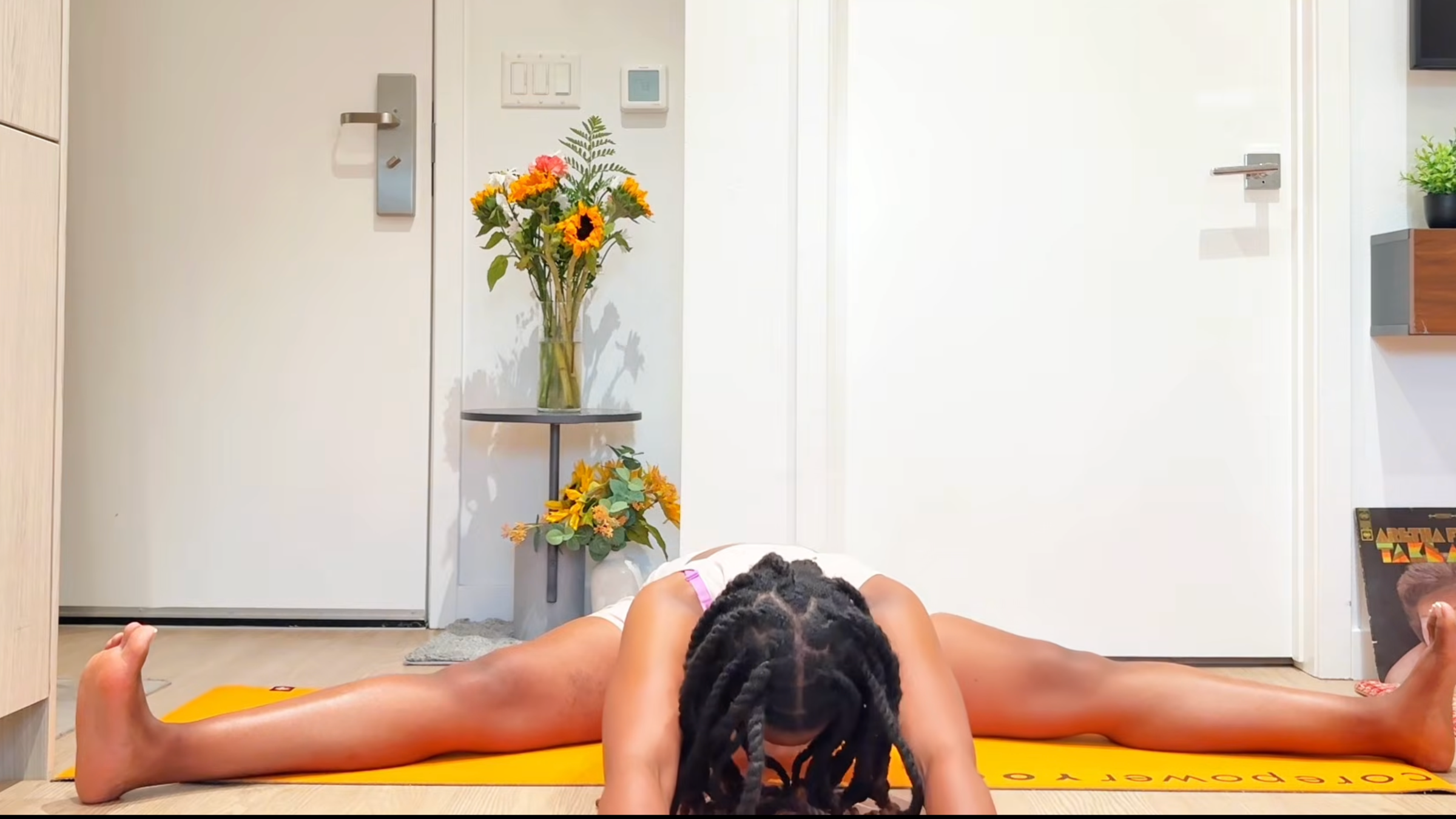
5. The Hip Opener (Wide-Legged Seated Forward Bend)
The hips are often described as the "junk drawer" of the body, where we store emotional and physical tension. By moving into a V-shape and folding forward, you engage the adductors and hamstrings. This provides a deep, grounding stretch that prepares the body for the final stages of the sequence.
6. The Kinetic Bridge (Cat-Cow)
Transitioning to the hands and knees, the Cat-Cow flow introduces spinal articulation. This is arguably the most important movement for spinal health, as it encourages the flow of synovial fluid between the vertebrae, keeping the spine supple and hydrated.
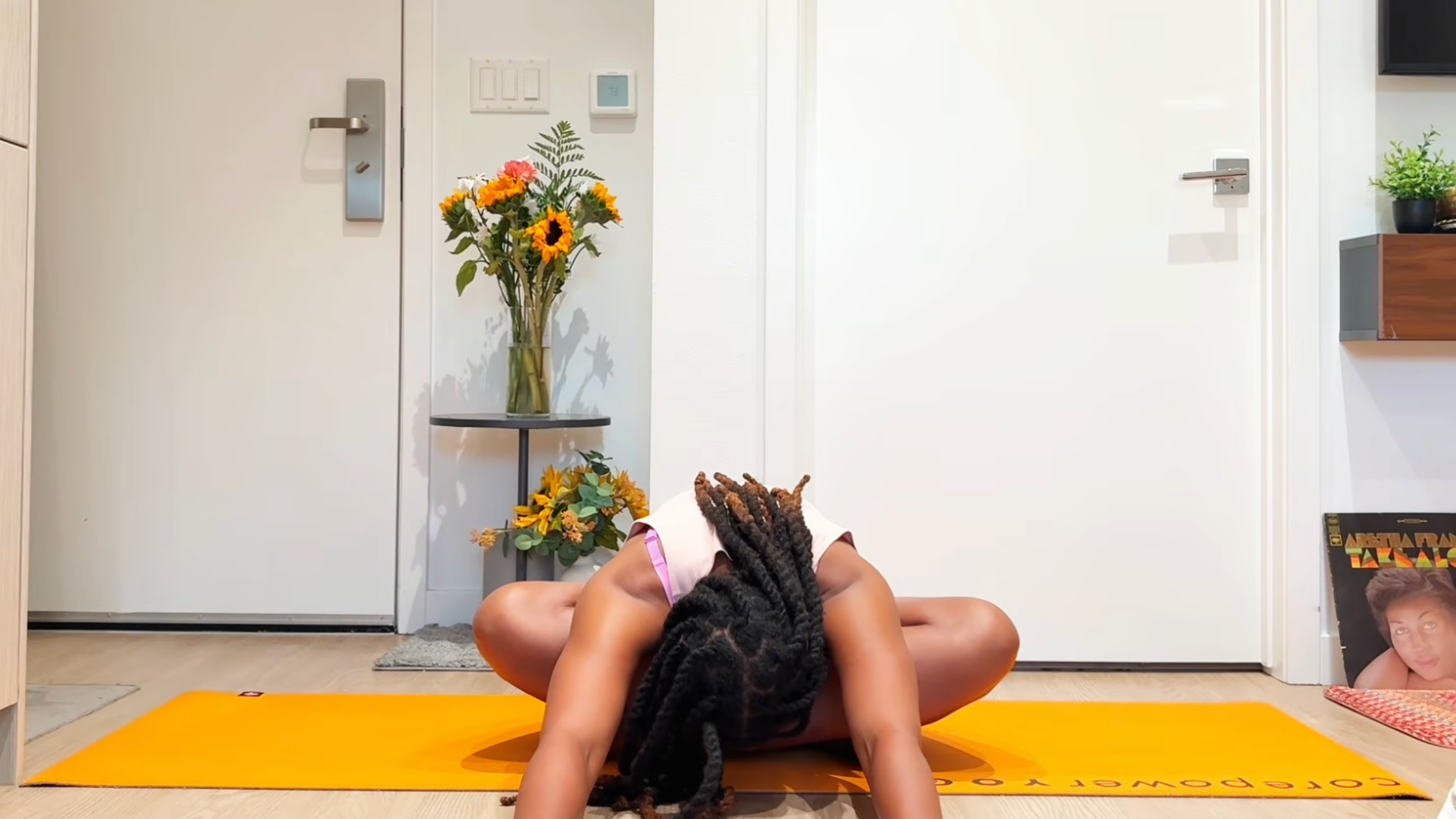
7. The Final Integration (Child’s Pose)
The sequence culminates in Child’s Pose. This is the ultimate posture of surrender, allowing the forehead to rest on the mat, which provides a calming sensory input to the brain. It is the perfect conclusion to a 3-minute practice, locking in the sense of ease achieved through the previous movements.
Supporting Data: The Physiology of Brief Movement
The efficacy of this routine is supported by emerging research in somatic movement. Studies from the Journal of Occupational Health have shown that "micro-breaks"—defined as periods of physical activity lasting less than five minutes—can reduce subjective reports of fatigue by up to 25% when performed every two hours.
Furthermore, the act of rhythmic breathing during these stretches modulates the vagus nerve. The vagus nerve is the main component of the parasympathetic nervous system; by lengthening the exhale during these movements, practitioners can physically lower their heart rate and blood pressure within a single three-minute session. The physical release of tension in the neck and shoulders specifically helps to reduce the frequency of tension headaches, which are frequently reported by sedentary office workers.
Official Responses and Expert Perspectives
Yoga instructors and physical therapists have long advocated for "movement snacks" over sporadic, high-intensity workouts.
"We often see people who try to ‘undo’ a week of desk work with a 90-minute power yoga class on a Saturday," says Sarah Jenkins, a physical therapist specializing in occupational health. "This often leads to injury. Instead, these 3-minute, gentle routines act as a ‘maintenance dose’ for the musculoskeletal system. It keeps the joints lubricated and the muscles from entering a state of chronic shortening."
Psychologists also weigh in on the "identity shift" these routines provide. "When you commit to just three minutes, you aren’t just stretching; you are reclaiming your agency," says Dr. Marcus Thorne, a behavioral health researcher. "You are proving to yourself that you have the capacity to care for your body even when the day is chaotic. That is a powerful psychological win."
Implications: The Future of Workplace Wellness
The implications of this 3-minute model are profound for the future of corporate and individual wellness. If organizations were to normalize these micro-breaks, we could potentially see a significant reduction in musculoskeletal disorders (MSDs), which remain the leading cause of lost work time globally.
Furthermore, the democratization of yoga—moving it away from the aesthetic-driven, high-cost studio model and toward a functional, accessible tool—could improve long-term public health outcomes. By making yoga "literally for anyone," we reduce the barrier to entry that often excludes those with mobility issues, limited financial resources, or high-stress environments.
The Path Forward
Ultimately, the goal of this 3-minute routine is not to become a master of complex yoga poses, but to become a master of your own physical state. By integrating these small windows of movement, you are building a resilient body that is better equipped to handle the stresses of modern life.
The next time you find yourself staring at your screen, feeling the familiar tightening of your neck or the slump in your posture, remember that you are only three minutes away from relief. You don’t need a fancy studio, a $100 yoga mat, or an hour of free time. You only need the willingness to pause, breathe, and move. Your body will thank you for it, one stretch at a time.