









For millions of postmenopausal women, the cycle of recurrent urinary tract infections (UTIs) is not just an intermittent annoyance; it is a significant, life-altering health burden. Characterized by at least two infections within six months or three within a year, recurrent UTIs represent a major public health challenge, often leading to repeated antibiotic courses, increased risk of antibiotic resistance, and significant morbidity.
A landmark study, the TAPER randomized trial, published in Obstetrics & Gynecology, has introduced a paradigm shift in how clinicians might manage this condition. The study demonstrates that a simpler, lower-dose, and arguably more patient-friendly method of applying estrogen cream—periurethral digital application—is noninferior to the standard, high-dose intravaginal applicator method for preventing recurrent UTIs.
The Standard of Care and the "Messiness" Barrier
Vaginal estrogen therapy is currently the only treatment for UTI prevention that carries a Grade A clinical recommendation. The physiological mechanism is well-understood: postmenopausal decline in estrogen levels leads to a loss of protective Lactobacillus species within the urogenital microbiome. This shift causes the vaginal pH to rise, creating an environment that favors the colonization and proliferation of uropathogens like E. coli.
"Vaginal estrogen works by restoring the beneficial Lactobacillus species within the urogenital microbiome, which promotes an acidic vaginal environment protective against uropathogens," the authors of the TAPER study, led by Dr. Stephanie Zuo of the University of Virginia, noted.
Despite its efficacy, the clinical reality is that many women struggle with adherence. The standard method—using an applicator to insert 1.0 g of estrogen cream deep into the vagina—is frequently described by patients as "messy" and cumbersome. Dr. JoAnn E. Manson, a prominent endocrinologist and professor of medicine at Harvard Medical School, points out that the inconvenience of the standard application process often discourages patients from continuing the therapy, leading them to rely instead on recurrent rounds of antibiotics, which fail to address the underlying physiological cause of the infections.
Chronology of the TAPER Trial
The TAPER trial was conceived to bridge the gap between anecdotal clinical practice and evidence-based medicine. While some physicians have historically suggested that patients simply dab a small amount of cream around the urethra (periurethral application), there had been a conspicuous lack of robust, randomized data to support this practice.
Study Design and Methodology
The trial was a single-center, nonblinded, randomized noninferiority study. Researchers enrolled 114 postmenopausal individuals with laboratory-confirmed recurrent UTIs. To ensure the results were applicable to a broad population, the researchers included a diverse range of participants with a mean age of 71.1 years.
Participants were randomized in a 1:1 ratio into two distinct groups:
- The Standard Group: Received 1.0 g of estradiol cream via a traditional intravaginal applicator.
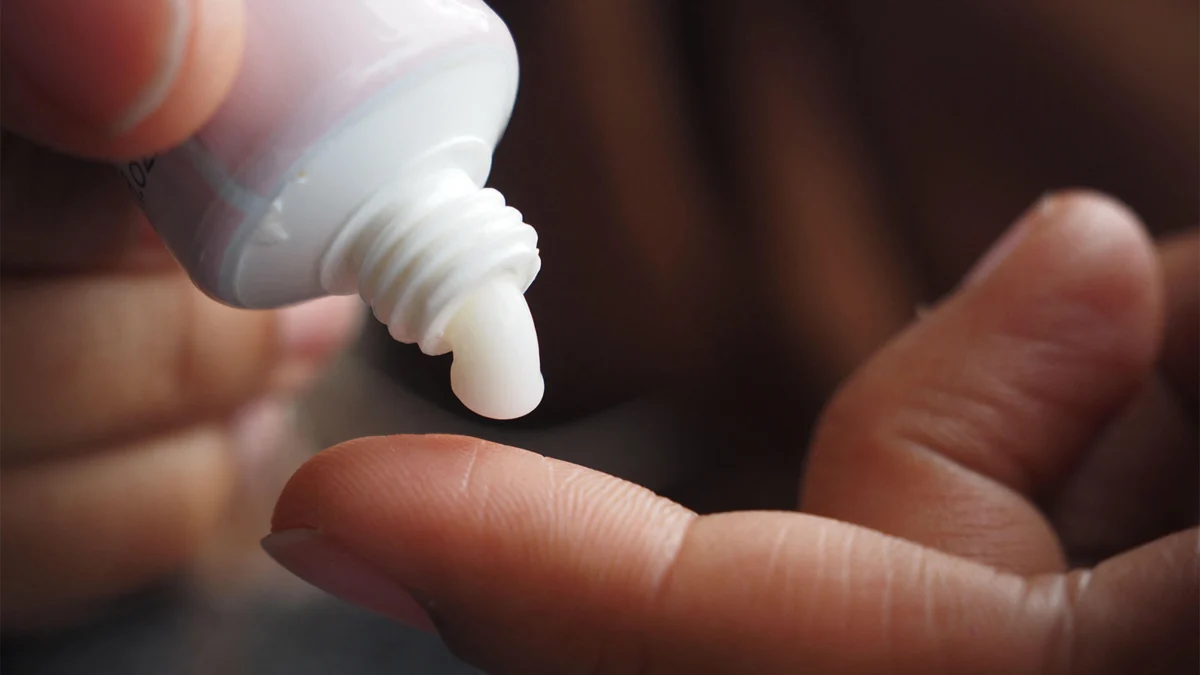
- The Experimental Group: Received 0.5 g of estradiol cream applied digitally (by finger) to the periurethral area.
Both groups were instructed to follow the same regimen: nightly application for 14 days, followed by a maintenance dose of twice-weekly applications at bedtime.
The Six-Month Milestone
The primary endpoint of the study was the proportion of participants who remained UTI-free at the six-month mark. The results were striking:
- 50.9% of the periurethral group remained UTI-free.
- 52.6% of the intravaginal group remained UTI-free.
The risk difference was -1.75 percentage points (95% CI -20.0 to 17.0), confirming that the simpler, lower-dose method was statistically noninferior to the traditional approach. Furthermore, both groups saw a significant reduction in vaginal pH, indicating that both methods successfully restored the protective, acidic vaginal environment necessary to stave off pathogens.
Supporting Data: Comfort and Compliance
Beyond the primary endpoint of UTI prevention, the study examined patient experience, a critical component of long-term therapeutic success. A notable finding emerged regarding side effects: at the three-month mark, patients in the intravaginal group were significantly more likely to report vaginal itching (24.0%) compared to those in the periurethral group (2.4%). While this disparity lost statistical significance by the six-month mark, it highlights the potential for the digital application method to be better tolerated by patients with sensitive tissues.
Secondary outcomes—including Patient Global Impression of Improvement scores and overall urinary and sexual function—showed no significant divergence between the two methods. This suggests that shifting to a lower dose applied externally does not sacrifice the hormonal benefits needed to maintain the health of the genitourinary tract.
Perspectives from the Field: Expert Commentary
Dr. JoAnn E. Manson, who was not directly involved in the study but serves as an expert in the field, emphasized the importance of these findings. "This study suggests an alternative route of delivery of the estrogen cream that may be more acceptable to the patient," she stated in an interview with MedPage Today.
Dr. Manson highlighted that the medical community has historically been too quick to treat recurrent UTIs with antibiotics, ignoring the underlying genitourinary syndrome of menopause (GSM). The failure to address GSM leaves patients vulnerable to a cycle of morbidity and, in severe cases, life-threatening complications.
Recent data supports the urgency of better management: a massive study published in Urology, which analyzed data from nearly 2 million women, found that initiating vaginal estrogen within two months of a recurrent UTI diagnosis was associated with a significant decrease in the odds of suffering from serious outcomes, including sepsis, hospitalization, and death. By providing a more "palatable" application method, the TAPER trial may help clinicians improve adherence to this life-saving therapy.
Clinical Implications and Future Directions
The implications of the TAPER trial are significant for both primary care physicians and gynecologists. By validating the periurethral application, clinicians can now offer patients a method that is less invasive, less messy, and uses half the amount of medication. This reduction in the total dose may also alleviate patient concerns regarding systemic absorption, although the study was not designed to measure systemic hormonal levels.
However, the authors were careful to acknowledge the limitations of their work:
- Sample Size: With 114 participants, the study was not powered to detect subtle differences in effectiveness.
- Adherence Metrics: Adherence was based on self-reporting, which can be prone to bias.
- Non-Blinded Design: Because the methods of application were so distinct, it was impossible to blind the patients to their treatment arm, which may influence perceived outcomes.
Despite these limitations, the TAPER trial provides a robust foundation for larger, multi-center trials. The researchers advocate for a future study that includes a placebo arm to definitively confirm the efficacy of these methods against the natural history of the condition.
Conclusion
The TAPER trial marks a turning point in the management of recurrent UTIs in postmenopausal women. By demonstrating that the periurethral application of estrogen cream is just as effective as the traditional intravaginal approach, researchers have provided clinicians with a powerful tool to increase treatment adherence.
For the aging population, where the burden of recurrent infection is high and the risks of over-prescribing antibiotics are equally significant, this simplified approach offers a promising path forward. It represents a shift toward more patient-centered care, where the convenience of the treatment is viewed as an essential component of its clinical efficacy. As medicine continues to evolve, the TAPER study serves as a poignant reminder that sometimes, the most effective medical innovation is not a new drug, but a better way to use the tools we already have.