By Gwendolyn Wu
Published September 28, 2026
The landscape of autoimmune disease management is currently undergoing a radical transformation. For decades, the standard of care for conditions like systemic lupus erythematosus (SLE) has relied upon chronic, broad-spectrum immunosuppressants and corticosteroids—regimens that manage symptoms but often fail to address the underlying drivers of the disease while leaving patients vulnerable to infections and organ damage.
In recent years, the medical community has turned its eyes toward CAR-T cell therapy, a modality originally engineered to combat oncology’s most stubborn cancers. By “resetting” the immune system through the targeted depletion of pathogenic B cells, these therapies have shown the potential for drug-free remissions. However, as the field matures, the limitations of first-generation, patient-derived CAR-T treatments have become impossible to ignore. A new contender, Adicet Bio, is now attempting to pivot the conversation toward a more scalable, potentially safer alternative: "gamma delta" T-cell therapy.
Main Facts: A New Paradigm for Immune Reset
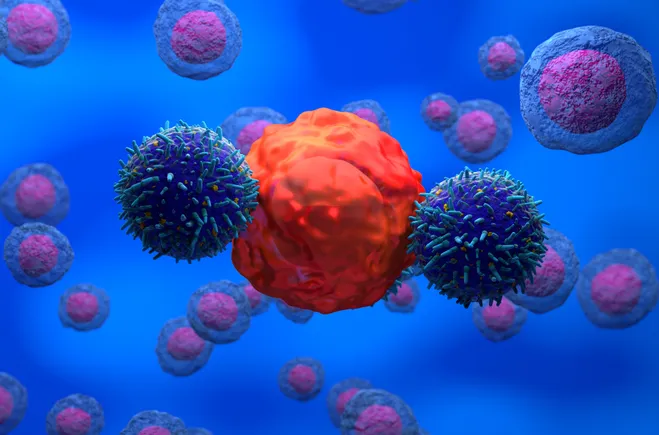
Adicet Bio’s experimental therapy, "prula-cel," represents a significant departure from the personalized, autologous (patient-derived) CAR-T treatments that have dominated headlines. While conventional CAR-T requires extracting a patient’s own cells, engineering them in a lab, and re-infusing them—a process that is both time-consuming and prohibitively expensive—prula-cel is an "allogeneic" product.
Derived from healthy donors, prula-cel is an off-the-shelf therapy that can be manufactured in large batches. This scalability is viewed as a critical step toward making immune-reset therapies accessible to a broader patient population. Furthermore, the use of gamma delta T cells, rather than the traditional alpha-beta T cells used by industry giants like Novartis and Bristol Myers Squibb, offers a biological distinction that Adicet believes will solve the safety crisis currently gripping the cell therapy sector.
Chronology: The Rise, The Setback, and the Pivot
To understand the significance of the latest data, one must look at the recent, tumultuous history of cell therapy in the autoimmune space.
- 2022: The medical community reaches a fever pitch of excitement as early reports emerge showing that personalized CAR-T treatments can effectively "wipe clean" the immune systems of patients with severe lupus, leading to deep, durable remissions.
- 2023–2024: Major pharmaceutical players, including Novartis and Bristol Myers Squibb, move aggressively into the space, initiating high-profile clinical trials for autologous CAR-T in lupus and other inflammatory conditions.
- August 2026: The optimism is tempered by reality. Novartis and Bristol Myers Squibb publicly announce the halting of several individualized CAR-T trials. The reason: unexpected and life-threatening toxicity profiles. In some instances, patients experienced rare, fatal complications, raising questions about whether the aggressive nature of alpha-beta CAR-T is inherently incompatible with the needs of autoimmune patients.
- September 2026: Adicet Bio releases early-stage trial data for prula-cel. The results suggest that by utilizing gamma delta cells, the company may have bypassed the toxicity hurdles that led to the clinical holds of their peers.
Supporting Data: Safety and Efficacy in Focus
The primary concern with CAR-T therapies has always been Cytokine Release Syndrome (CRS)—a systemic inflammatory response that can be fatal if not managed correctly. Adicet CEO Chen Schor argues that the biological structure of gamma delta cells makes them naturally less prone to triggering this storm.
The Safety Profile
According to recent trial data provided to BioPharma Dive, approximately 25% of participants treated with prula-cel experienced mild-to-moderate CRS. While this confirms that the treatment is not entirely free of side effects, the severity profile is vastly different from the catastrophic events seen in other trials. Infections were reported in more than 50% of the cohort, with roughly 8% of those categorized as Grade 3 or higher. While this necessitates ongoing monitoring, it is viewed by many researchers as a manageable trade-off for a therapy that promises to replace a lifetime of daily, toxic medication.
The Efficacy Benchmarks
The data has caught the attention of market analysts, including Jefferies’ Dennis Ding, who noted that the efficacy results are “competitive” with existing cell therapy and antibody benchmarks. While peer cell therapy manufacturers have reported complete response rates of approximately 40%, Adicet’s early data suggests that prula-cel is performing within a range that makes it a viable challenger to current standards of care.
Official Responses and Strategic Outlook
In an exclusive communication with BioPharma Dive, CEO Chen Schor emphasized the broader vision for the company: "What excites us the most is the opportunity to potentially redefine the standard of care for lupus patients from a lifetime of chronic immunosuppressants and steroid treatment."

The company is now moving toward a pivotal strategy. Schor confirmed that Adicet intends to engage with regulators to discuss an expanded study, specifically targeting patients who do not suffer from lupus nephritis, a move intended to widen the therapeutic window and validate the platform’s versatility.
Analysts have remained cautiously optimistic. Dennis Ding remarked that the data is "impressive" and suggested that the industry is likely to "start migrating toward more elegant solutions like gamma delta T cells." Despite this, investor sentiment remains volatile; shares in Adicet dropped 22% by mid-morning on the news. This market reaction reflects the broader skepticism currently surrounding the biotech sector, where even promising data must overcome the chilling effect of recent clinical failures in the CAR-T space.
Implications: The Future of Autoimmune Treatment
The transition from chronic symptom management to a "one-and-done" immune reset is the ultimate goal of modern immunology. However, the path forward is fraught with scientific and regulatory complexity.
1. The Manufacturing Advantage
The shift toward allogeneic, donor-derived cells is not merely a matter of convenience; it is a necessity for commercial viability. By removing the need for a vein-to-vein process that can take weeks, Adicet is attempting to create a supply chain that looks more like traditional pharmaceutical manufacturing than the bespoke, artisanal cell engineering of the past.
2. The Safety Hurdle
The failure of alpha-beta CAR-T in some autoimmune trials served as a stark reminder that the immune system is a delicate machine. If gamma delta cells prove to be the "quieter" alternative—secreting fewer inflammatory cytokines—they could open the door to treating not just lupus, but a range of inflammatory conditions, including multiple sclerosis, rheumatoid arthritis, and systemic sclerosis.

3. Regulatory Scrutiny
Regulators will undoubtedly require more robust, long-term safety data before approving an allogeneic approach for non-oncological indications. The focus will likely shift to how these cells persist in the body and whether they can be controlled or "switched off" should an adverse event occur.
As Adicet navigates these next steps, the biotech community will be watching closely. If prula-cel succeeds, it will not only mark a major milestone for the company but also validate the hypothesis that the future of autoimmune medicine lies in the precision of gamma delta cells. For patients currently tied to the side effects of chronic steroid use, the promise of a reset is not just a scientific breakthrough—it is a hope for a new, healthier life.