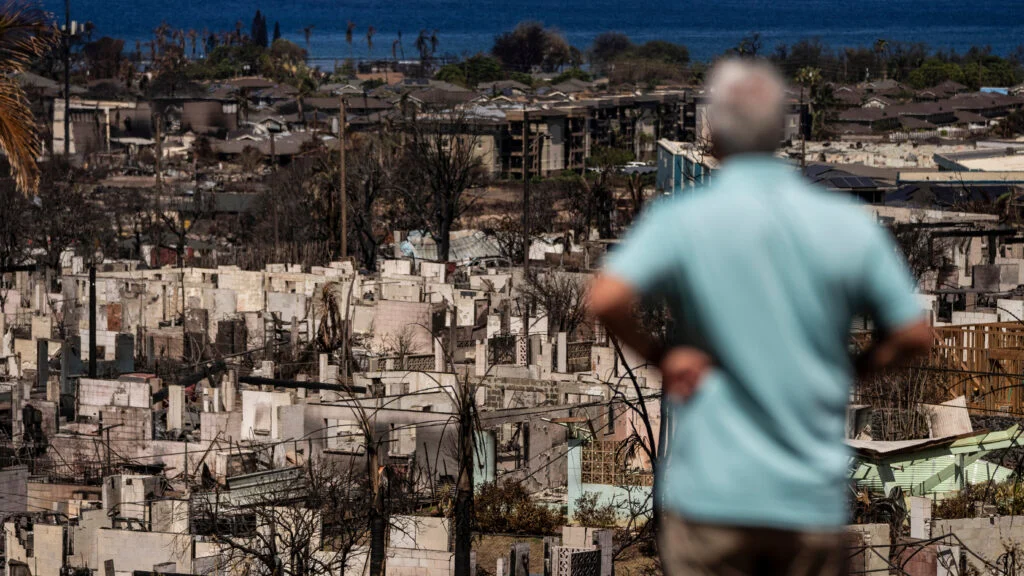
The devastating wildfires that leveled the historic town of Lāhainā in August 2023 were not merely a singular moment of catastrophe; for many survivors, they were the beginning of a persistent health crisis. A landmark study published this week in the Proceedings of the National Academy of Sciences reveals that the smoke, ash, and debris left in the wake of the flames contained a complex cocktail of toxic metals, causing measurable harm to the respiratory health of residents nearly a year and a half after the fires ceased.
As climate change continues to drive more frequent and intense wildfire events globally, this research provides a sobering warning: the public health emergency does not end when the flames are extinguished. The lingering contamination of soil, residue, and air in disaster-stricken zones represents a significant, long-term threat that traditional disaster recovery efforts are often ill-equipped to address.
The Chronology of a Disaster and Its Lingering Shadow
The Maui wildfires, ignited by high winds and exacerbated by downed power lines, remain etched in American history as one of the deadliest fire events in the last century. On August 8, 2023, the fires tore through the island with terrifying speed, obliterating Lāhainā and claiming more than 100 lives. While the initial trauma of the event—the loss of homes, businesses, and loved ones—was immediate, the subsequent environmental fallout remained largely invisible to the public eye.
In the months that followed, as recovery crews sifted through the charred remains of homes, vehicles, and modern electronics, the composition of the "ash" began to change. Unlike forest fires, which largely consume organic matter, the Lāhainā blaze acted as an industrial-scale incinerator, vaporizing plastics, metals, batteries, and synthetic building materials.
The Maui Wildfire Exposure Study (MauiWES), one of the most comprehensive post-fire health investigations in U.S. history, began tracking these environmental variables. By monitoring the biological samples of 1,400 local adults, researchers from the University of Hawaiʻi sought to understand the "hidden" burden placed on the survivors who remained in or near the affected zones. Their findings, analyzed up to 18 months post-disaster, suggest that the toxic legacy of these fires is embedded deep within the community’s physiology.
A Toxic Cocktail: The Science of Post-Fire Exposure
The study identifies a troubling trend: concentrations of heavy metals, including arsenic, cadmium, copper, and antimony, were substantially higher in the urine of study participants compared to standard U.S. biomonitoring data.
The most alarming metric involved antimony, which researchers found at levels nearly 40 times higher in Maui residents than the national average. Other elements were also significantly elevated: manganese was 3.8 times higher, barium 2.3 times higher, and arsenic 2.2 times higher.
Why These Metals Matter
These substances are not typical byproducts of natural vegetation burning. Their presence is a direct result of the combustion of the "built environment." When homes and commercial buildings burn, the resulting heat releases a complex mixture of synthetic chemicals and heavy metals that settle into the dust and soil.
"What we’re dealing with, especially in the aftermath of what we experienced in Lāhainā, is a much more complicated mixture of these chemical exposures," explains Alika Maunakea, co-principal investigator of MauiWES and a professor of anatomy, biochemistry, and physiology at the University of Hawaiʻi, Mānoa.
The study correlated these elevated metal levels with clinical respiratory dysfunction. Participants with higher concentrations of these metals in their systems exhibited reduced lung capacity and significant difficulty in moving air in and out of their lungs during standardized pulmonary function tests. The geographic distribution of these health impacts matched the patterns of smoke and ash fall, with residents of Lāhainā, Wailuku, and Kahului showing the most severe respiratory degradation compared to those in more distant areas like Kula.

The Climate Connection: A Future of Intensifying Risks
The Maui fires serve as a grim case study for the effects of a warming planet. As climate change renders landscapes drier and hotter, wildfires are increasing in intensity, frequency, and geographic scope. Regions that previously experienced minimal fire risk are now becoming hotspots, frequently encroaching upon urban and suburban interfaces.
The research highlights a critical shift in how we must view wildfire management. In the past, wildfire impact was largely categorized by immediate air quality alerts during the active burning phase. However, as disasters move into urban centers, they create "legacy contaminants."
"This is bigger than wildfires," says Ruben Juarez, a co-principal investigator of the study and a professor of health economics at the University of Hawaiʻi. "These climate-related disasters can change the environment in ways that continue after the immediate emergency is over. Floods, hurricanes, fires, and other disasters can disturb soil, debris, buildings, and legacy contaminants, creating these pathways for exposure."
The study acknowledges a limitation: because there was no comprehensive biomonitoring data for the Maui population prior to August 2023, it is difficult to isolate the exact proportion of metal exposure caused by the fire versus chronic exposure from Hawaii’s unique geology, diet, or historical industrial activities. Nevertheless, the correlation between the disaster zones and the severity of respiratory issues suggests that the fire significantly exacerbated, if not directly caused, a new tier of health risks.
Expert Perspectives and Calls for Policy Reform
The medical community is paying close attention to these findings. Dr. Kekoa Taparra, a physician and assistant professor at UCLA who focuses on chronic diseases, notes that the Maui study is a vital expansion of our current medical understanding of disaster aftermaths.
"This type of work echoes that climate-related disasters affect human health well beyond the immediate injuries and deaths we see during the event itself," Taparra noted. "Historic wildfires in Lāhainā and even Los Angeles have highlighted how these disasters can produce longer-lasting consequences through displacement, disruption of healthcare and social networks, environmental exposures, and potentially increased mortality."
Recommendations for Future Recovery
The researchers and medical experts suggest that the current model of disaster response is insufficient. Key recommendations include:
- Extended Environmental Monitoring: Public health agencies must move beyond air quality alerts during the fire and implement long-term monitoring of soil, dust, and particulate matter in areas where buildings have been destroyed.
- Mitigation of Re-exposure: Efforts must be made to stabilize debris and soil to prevent the re-suspension of toxic dust. This is particularly important during the clearing and reconstruction phases, where heavy machinery can kick up contaminated sediment.
- Integrating Health into Recovery: Disaster recovery should include a health-monitoring component for residents, allowing for early detection of respiratory and systemic issues that may arise months or years after the event.
- Community Resilience: As these events become more common, building "resilient health systems" is essential. This means equipping local clinics to recognize and treat symptoms of unique chemical exposures rather than treating them as standard asthma or seasonal allergies.
Conclusion: Looking Beyond the Embers
The message from the Maui study is clear: the environmental footprint of a modern wildfire is a long-term public health challenge. As communities across the globe face the increasing reality of climate-driven disasters, the focus must shift toward the invisible, persistent threats left behind in the dust.
"What happens to the land and environment can shape what people breathe, take into their bodies, and develop over time," Maunakea says. "The consequences of that can unfold over many years."
For the survivors of Lāhainā, the battle for health is not merely a matter of healing from the trauma of the past; it is a complex, ongoing effort to navigate an environment transformed by the fire. Recognizing that disaster response does not end when the visible danger is gone is the first, crucial step toward protecting the long-term well-being of communities in an era of climate uncertainty.