











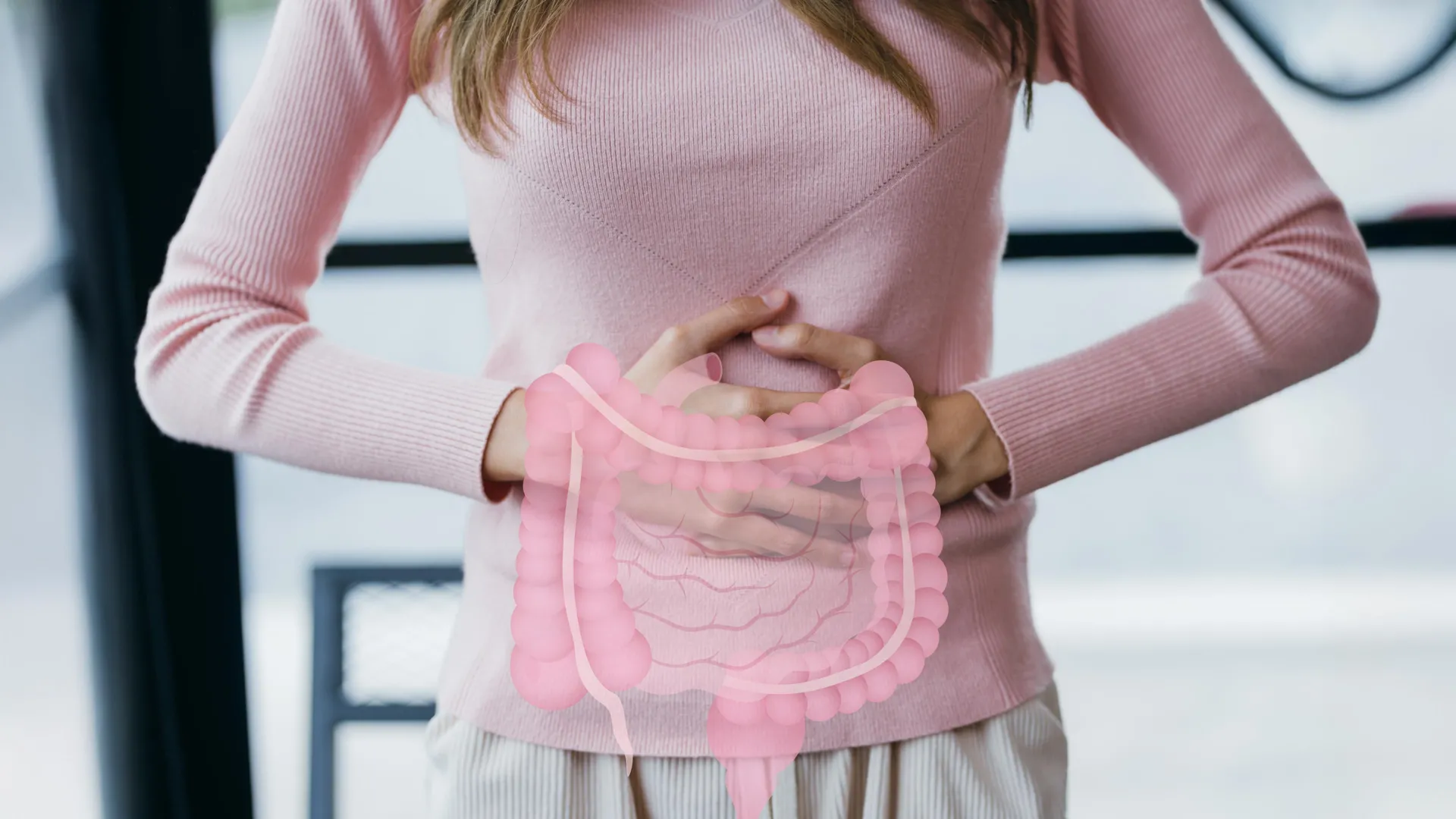
A groundbreaking study originating from the Faculty of Pharmaceutical Sciences at Toho University has shed new light on the physiological properties of ferulic acid (FA), a naturally occurring polyphenol abundant in rice bran and whole grains. Led by Dr. Keisuke Obara, Dr. Kento Yoshioka, and Professor Yoshio Tanaka, the research team has identified a previously unknown mechanism through which FA modulates intestinal smooth muscle contractions.
By demonstrating that this common dietary compound acts as a natural inhibitor of voltage-dependent calcium channels, the researchers have opened a new frontier in the management of gastrointestinal motility disorders, including Irritable Bowel Syndrome (IBS) and Inflammatory Bowel Disease (IBD). This discovery bridges the gap between basic nutritional science and clinical gastroenterology, offering a potential path toward non-pharmacological, dietary-based therapies for patients suffering from chronic gut dysfunction.
The Main Facts: Deciphering the Intestinal Connection
At the heart of the Toho University study is the interaction between ferulic acid and the gastrointestinal tract. Intestinal motility—the process by which the gut undergoes coordinated muscle contractions to transport food and waste—is a complex physiological symphony. When this rhythm is disrupted, it manifests as the painful and often debilitating symptoms of IBS and IBD.
The research team hypothesized that FA, already celebrated for its antioxidant and neuroprotective properties, might possess a direct mechanical influence on the smooth muscles that line the intestines. Their findings confirmed that FA acts as a potent inhibitor of intestinal contractions. Specifically, the compound interferes with the excitation-contraction coupling process in smooth muscle cells. By blocking voltage-dependent calcium channels, FA prevents the influx of calcium ions—the essential "trigger" for muscle contraction—thereby effectively calming hyperactive intestinal activity.
Chronology of the Investigation
The journey to this discovery was a methodical, multi-stage scientific process that spanned several months of rigorous laboratory testing.
Phase I: Identifying the Mechanism
The researchers began by testing the effect of FA on guinea pig ileal longitudinal smooth muscle (ILSM) tissues. The goal was to see if FA could counteract the signaling molecules that typically trigger contractions, such as acetylcholine, histamine, serotonin, and prostaglandin F2α. The results were instantaneous and significant: the introduction of FA resulted in a marked reduction in muscular activity across all tested stimulants.
Phase II: Determining the Nature of Inhibition
To ensure the effect was not merely a random occurrence, the team monitored the tissue after the removal of FA. They discovered that the inhibitory effect was fully reversible; once the compound was washed away, the muscle returned to its normal state of contraction. Furthermore, the researchers observed a concentration-dependent relationship, confirming that higher concentrations of FA led to more profound suppression of muscle activity.
Phase III: Pinpointing the Cellular Pathway
Having established that FA could stop muscle contraction, the team sought to understand how. Through experiments on vascular smooth muscle cell models, they observed that FA effectively blunted the rise in intracellular calcium levels typically triggered by potassium chloride. This confirmed that the compound functions as a calcium channel blocker, providing a clear biological explanation for the observed decrease in intestinal spasms.
Supporting Data and Scientific Analysis
The study’s data points are particularly compelling for pharmacologists. By analyzing the noncompetitive nature of FA’s interaction with the muscle tissue, the researchers concluded that the compound does not simply occupy the receptors intended for signaling molecules. Instead, it operates at a deeper, shared mechanical level within the cell.
Key Experimental Findings:
- Broad-Spectrum Inhibition: FA proved effective against multiple pathways (acetylcholine, histamine, serotonin, and prostaglandin), suggesting it is a robust regulator rather than a narrow-target blocker.
- Reversibility and Dose-Response: The clear dose-response curve suggests that the compound’s potency can be titrated, a vital factor for future drug development or dietary supplementation.
- Calcium Channel Modulation: By targeting voltage-dependent calcium channels, FA mirrors the function of certain calcium-channel-blocking medications currently used for cardiac issues, but applied specifically to the gastrointestinal tract.
Official Responses and Expert Perspectives
While the scientific community has greeted the study with enthusiasm, the researchers themselves maintain a stance of cautious optimism.
"Our primary goal was to bridge the gap between traditional dietary knowledge and modern physiological evidence," noted Professor Yoshio Tanaka in a summary of the project. "We have established that ferulic acid is not merely an antioxidant; it is a bioactive molecule capable of physically modulating gut movement."
The team emphasizes that while the findings are robust in a controlled laboratory environment, the jump to human application is significant. They urge the medical community to view this as a "foundational study" rather than an immediate treatment protocol. They note that the concentrations used in the petri dish were higher than those typically found in human blood after a standard meal, which necessitates further study into how the compound is processed and concentrated within the gut lumen itself.
Implications for Future Health Care
The implications of this research are far-reaching, particularly for the millions of people worldwide suffering from motility disorders.
Potential Benefits for IBS and IBD
Patients with diarrhea-predominant IBS or specific forms of IBD often suffer from "gut hyperactivity." If FA can be safely delivered to the intestinal tract in effective concentrations, it could serve as a natural alternative to synthetic antispasmodics. Because it is a naturally occurring compound found in common dietary staples like rice and wheat, it may carry a more favorable side-effect profile than traditional pharmaceuticals.
The Double-Edged Sword: Risks and Contraindications
The researchers are quick to caution that this discovery is not a universal panacea. For patients suffering from constipation-predominant IBS, the inhibitory effect of ferulic acid could potentially exacerbate their condition by slowing down intestinal transit even further. This highlights the necessity for personalized nutritional approaches; a "one-size-fits-all" dietary recommendation would be inappropriate given the opposing ways motility disorders manifest.
Toward Clinical Trials
The next logical step for the Toho University team is the transition to human clinical trials. These trials will be critical in answering several lingering questions:
- Bioavailability: How much of the ferulic acid consumed via diet actually reaches the intestinal smooth muscle in an active form?
- Safety and Dosage: What are the safe levels for daily intake, and do they produce the desired physiological effect in humans?
- Target Patient Populations: How can we accurately screen patients to ensure that those who need to slow their gut motility are the ones receiving the intervention, while avoiding those who might experience adverse effects?
Conclusion: A New Chapter in Nutritional Science
The research led by Dr. Obara, Dr. Yoshioka, and Professor Tanaka serves as a powerful reminder that our daily diet contains bioactive compounds with sophisticated biological functions. Ferulic acid, long known as a simple antioxidant, has now been revealed as a potential architect of intestinal function.
While it will take time for these laboratory findings to evolve into clinical applications, the study provides a vital roadmap for future investigation. As we move toward an era of personalized nutrition and evidence-based dietary interventions, the role of compounds like ferulic acid in managing chronic conditions like IBS and IBD will likely become a focal point of digestive health research. For now, the study underscores the importance of maintaining a balanced diet rich in whole grains and rice bran—not just for general health, but potentially for the nuanced regulation of our digestive systems.
As the research moves toward clinical trials, the medical community will be watching closely to see if this common dietary polyphenol can indeed transform the standard of care for patients navigating the complex, and often painful, landscape of gastrointestinal disorders.