







By Editorial Staff
The trajectory of a medical breakthrough is rarely a straight line. It begins in the quiet, focused corners of a laboratory—the spark of a curiosity-driven question—and matures through years of rigorous, often precarious, scientific inquiry. It is a journey that demands not only intellectual brilliance but also the unwavering financial and moral support of a community dedicated to the belief that cancer, in all its forms, is a challenge that can be overcome.
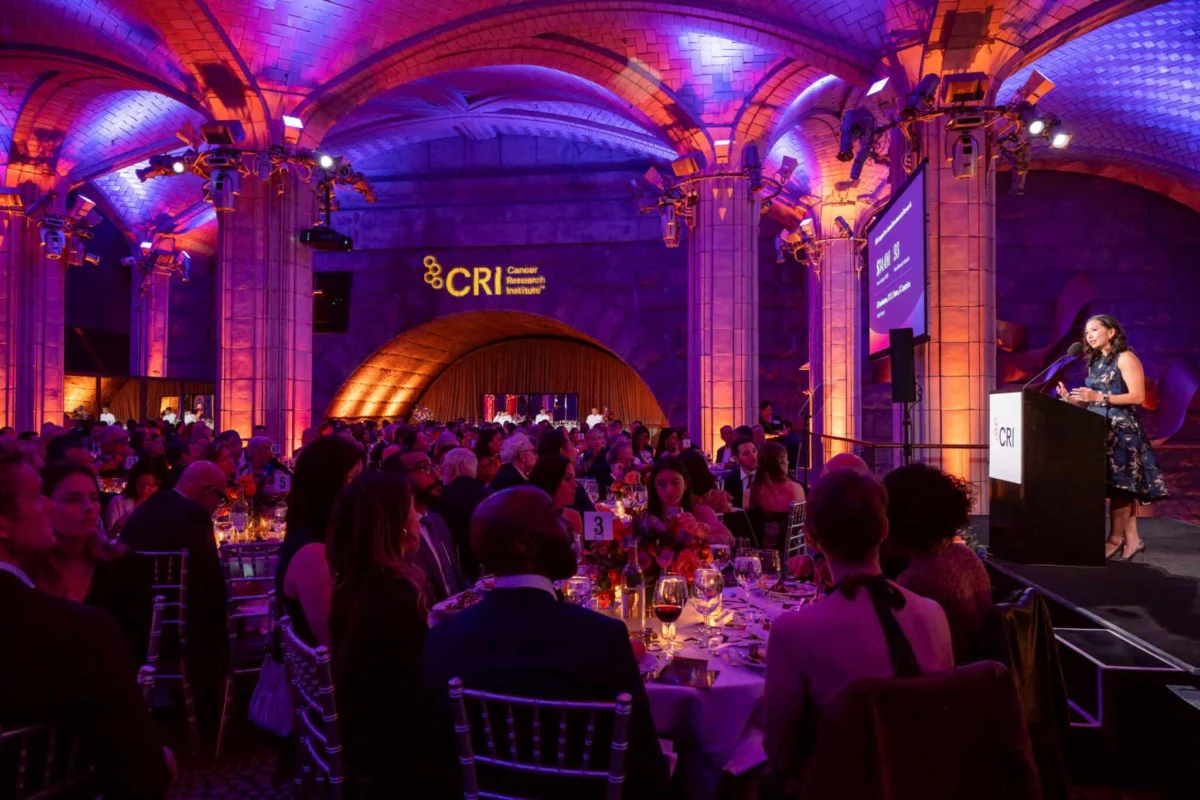
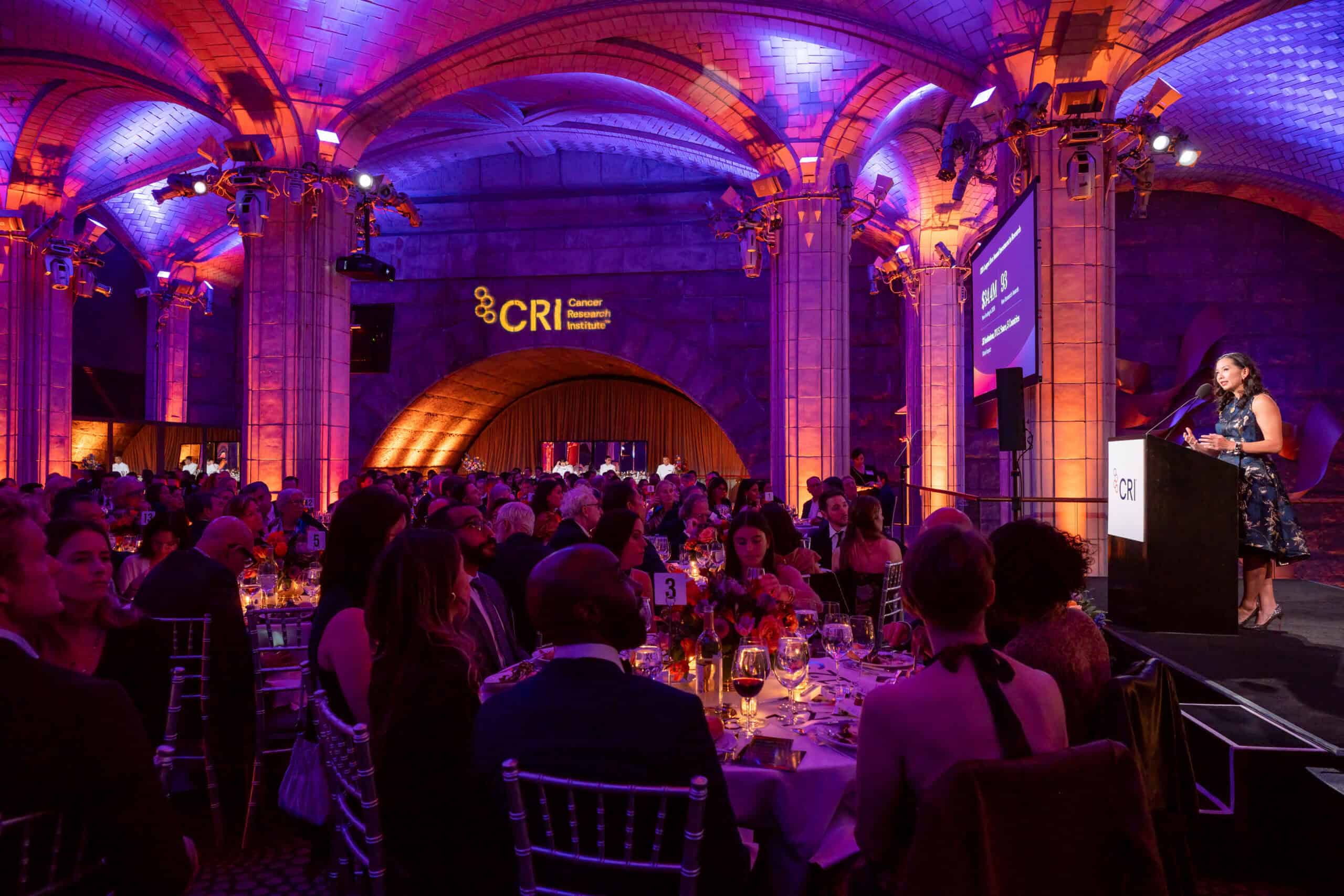
On Tuesday, October 20, 2026, the Cancer Research Institute (CRI) brought this journey to the forefront at its 2026 Annual Awards Gala. Hosted at the historic Guastavino’s in New York City, the evening was defined by the theme "Next is Now." The gala served as both a celebration of scientific mastery and a call to action for a global audience, uniting researchers, patients, philanthropists, and advocates to accelerate the next era of cancer immunotherapy.
The Foundation of Hope: Main Facts and Evening Highlights
The 2026 Gala was a landmark success, raising more than $1.6 million to fund CRI’s mission of sponsoring foundational and translational cancer research. Under the skillful guidance of veteran journalist and breast cancer survivor Athena Jones, the event transcended the traditional boundaries of a fundraiser, becoming a forum for discussing how the convergence of biology, data, and artificial intelligence is reshaping oncology.
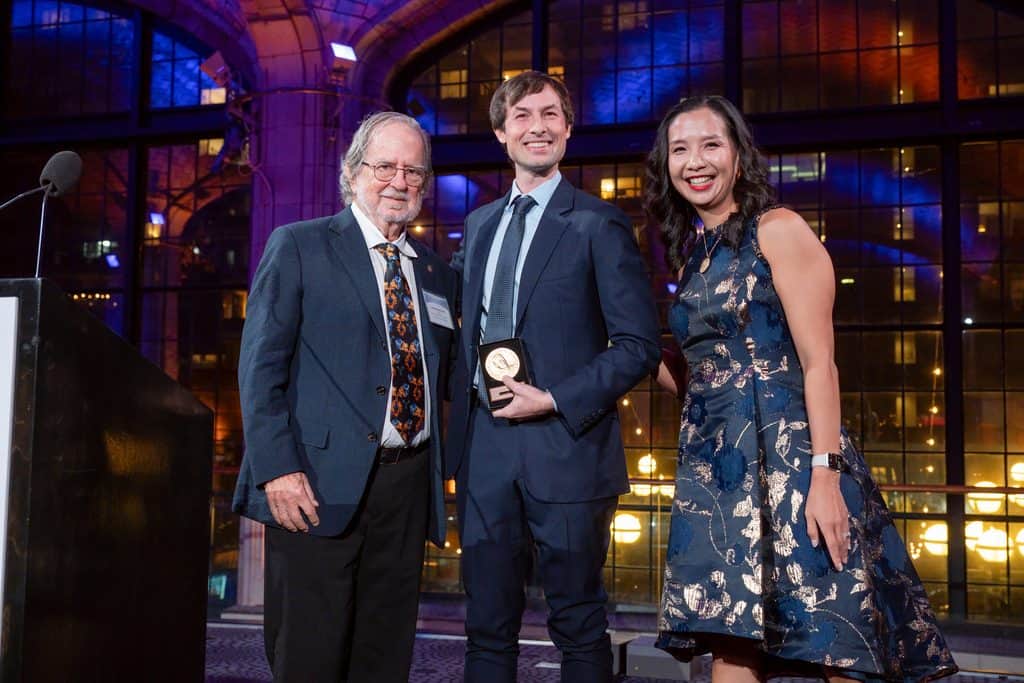
The evening was anchored by the recognition of three individuals whose contributions—spanning venture philanthropy, fundamental immunology, and pioneering research—represent the pillars of the modern immunotherapy landscape:
- Reed Jobs: Honored with the Oliver R. Grace Award for Distinguished Service in Advancing Cancer Research for his transformative approach to funding early-stage oncology ventures.
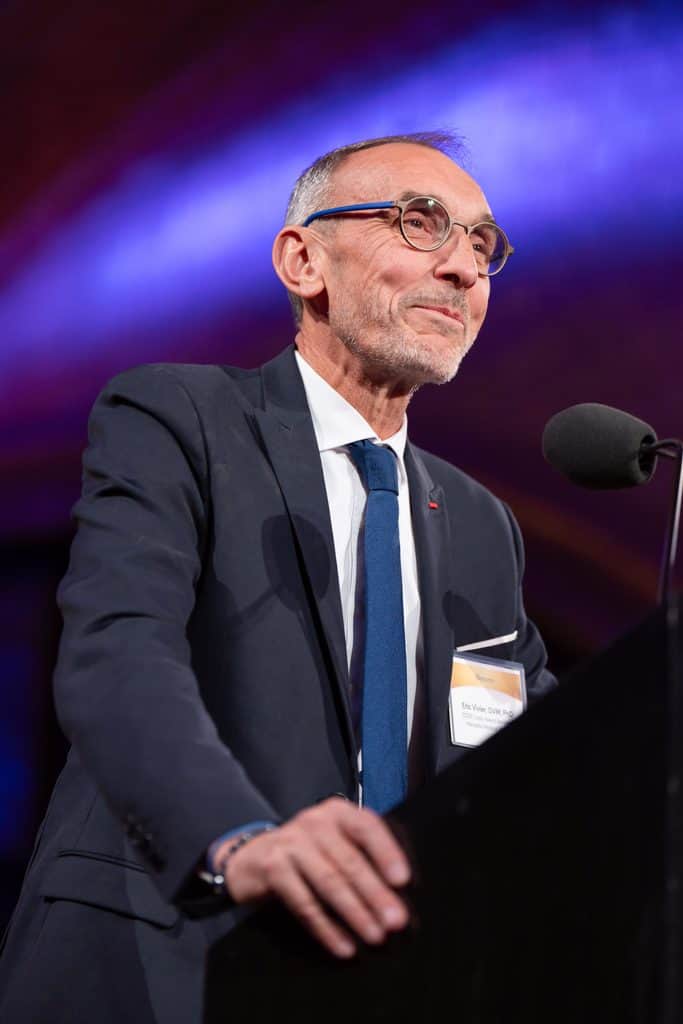
- Eric Vivier, DVM, PhD: Recipient of the William B. Coley Award for Distinguished Research in Basic Immunology for his groundbreaking work in natural killer (NK) cell biology.
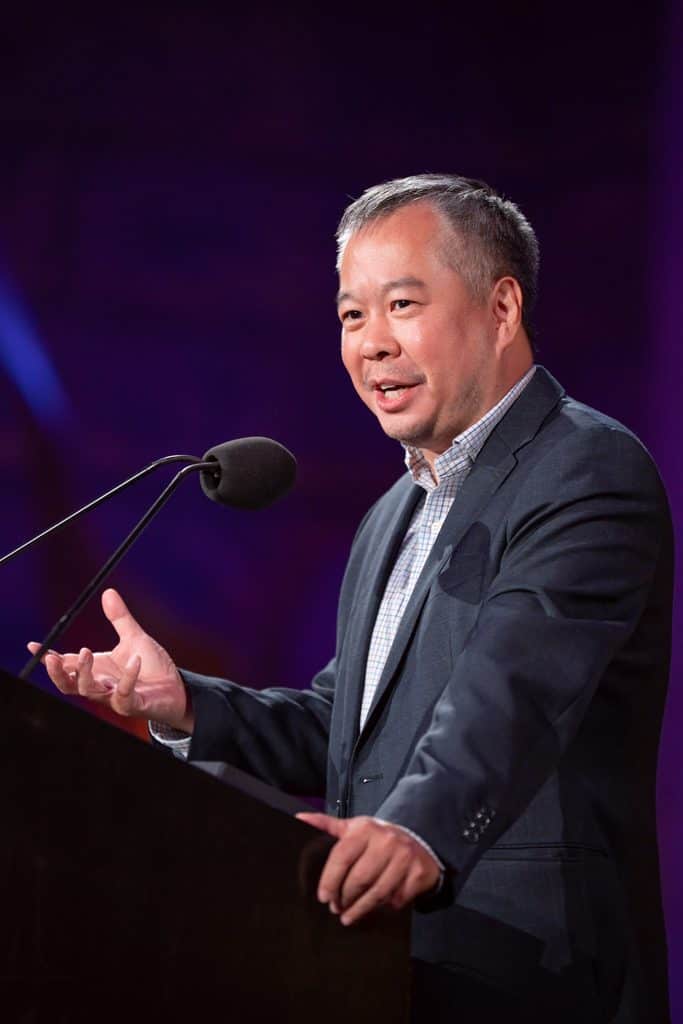
- Joseph Sun, PhD: Awarded the Frederick W. Alt Award for New Discoveries in Immunology, recognizing his paradigm-shifting research into immune memory.
A Legacy of Resilience: Remembering Adam Shapiro
The evening was profoundly anchored in the human reality of the cause. Guests gathered to honor the memory of the late Adam Shapiro, a former CRI board member whose battle with metastatic cancer was extended by the very immunotherapies he fought to advance.
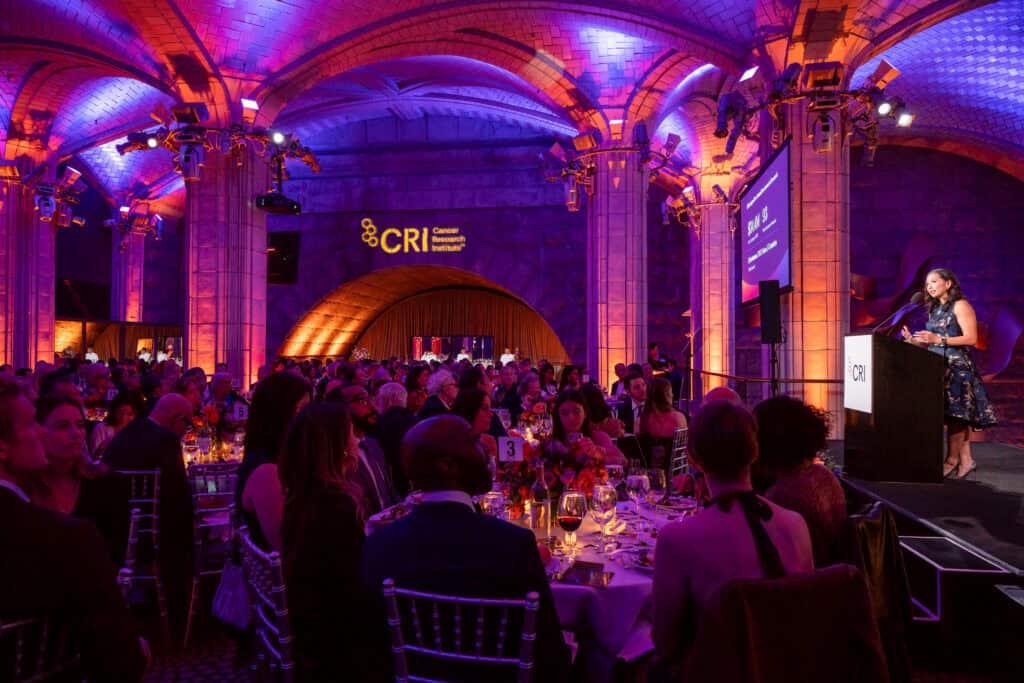
In a moving tribute, Shapiro’s wife shared the intimate details of a life lived fully despite a terminal diagnosis. She spoke of his humor, his devotion as a father to his sons, Arthur and Eli, and his commitment to the scientific process. Her testimony served as a stark reminder of the "why" behind the research: immunotherapy provided her husband with precious, productive years that otherwise would have been lost.
"There is so much cause for hope, but cancer still kills far too many, far too soon," she remarked. Her plea to the room was clear: to view funding not as a donation, but as an investment in time—time for families to share, for children to grow, and for the next generation of treatments to move from the bench to the bedside.
Chronology of the "Next is Now" Movement
The 2026 gala was not merely a retrospective; it was a blueprint for the future. The evening’s program outlined a clear chronology of how current advancements are unfolding:

- The Fundamental Question (The "Vivier" Phase): Basic research, such as Dr. Vivier’s work on innate immunity, identifies the biological "switches" in our immune system.
- The Paradigm Shift (The "Sun" Phase): Researchers like Dr. Sun challenge established textbooks, uncovering how immune memory works, which provides the target for future therapeutic designs.
- The Translational Bridge (The "Jobs" Phase): Venture philanthropy identifies these nascent academic discoveries, providing the capital necessary to de-risk them for clinical development.
- The Patient Reality (The "Hones" Phase): The final stage, where the patient—like Molly Hones—receives the "moonshot" treatment that turns a terminal prognosis into long-term remission.
The Patient Perspective: Molly Hones’ "Moonshot"
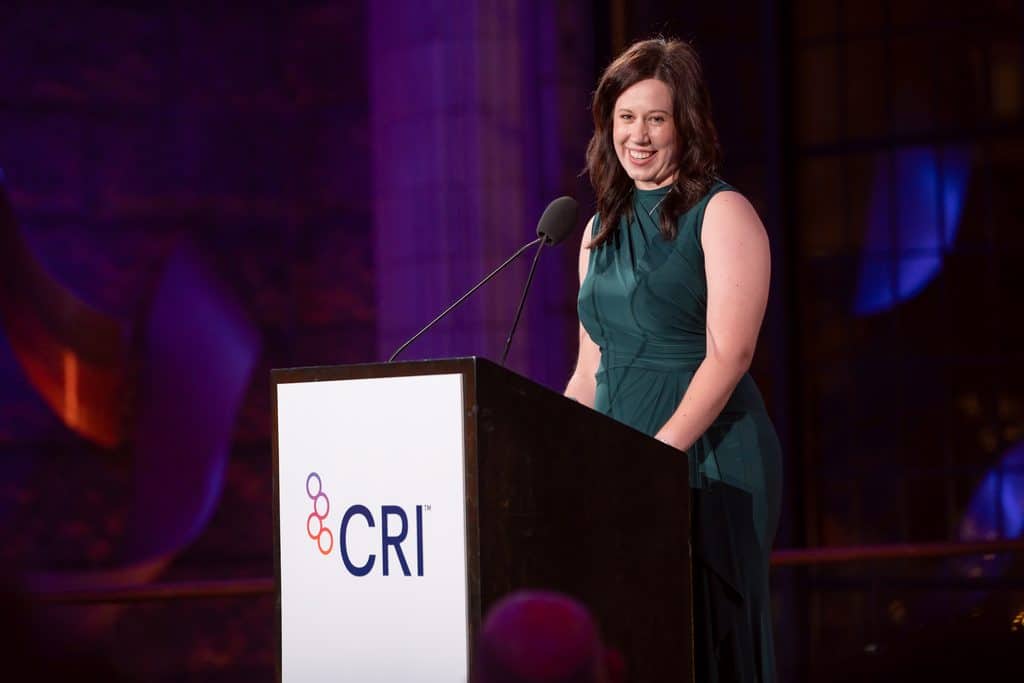
Perhaps the most poignant moment of the evening arrived when Molly Hones took the stage. Diagnosed with a rare liver cancer that had metastasized to her lungs, Hones had effectively begun preparing for the end of her life.
She described her enrollment in a clinical trial at Johns Hopkins—a test of a cancer vaccine combined with checkpoint immunotherapy—as her "moonshot." The narrative of her survival was marked by unimaginable personal loss; she lost her husband, Grant, just two weeks after beginning the treatment. Yet, driven by his encouragement to continue living, she persisted.
Months later, the scans were clear. The four nodules in her lungs had vanished. As she celebrated two years of complete remission, Hones offered a powerful perspective on the collective nature of medical progress: "When I joined the trial, I thought I was doing it for the person who would come after me. Now I understand that people before me had already done that for me."
Official Responses and Strategic Vision
CRI CEO Alicia Zhou, PhD, opened the gala with a sobering but optimistic assessment of the current state of the field. "The challenge now is to turn promising results into treatments that work reliably for more people," Dr. Zhou stated. "No single laboratory, institution, or discipline can do that alone. An increasingly important part of CRI’s role is to bring scientists together to tackle the questions they can’t answer in isolation."
This sentiment was echoed by the award recipients, who emphasized that the "Next is Now" theme is not just a slogan, but an operational necessity.
Perspectives from the Honorees
Reed Jobs spoke candidly about his philosophy at Yosemite, his venture firm. "The cures to cancer have not yet been made, and we need to go out and make them," Jobs said. He stressed that by targeting the most ambitious, early-stage ideas in university labs, his firm aims to bridge the "valley of death"—the period between a scientific discovery and the clinical proof required to attract traditional investment.
Dr. Eric Vivier reinforced the critical nature of basic research. "Every therapy that reaches a patient today began as a fundamental question," he noted. "If we stop asking those questions, we stop curing diseases." His work on innate immunity—specifically the role of natural killer cells—has become a cornerstone of current drug development, proving that fundamental biology is the bedrock of clinical innovation.
Dr. Joseph Sun offered a reflection on the mentorship and environment required for breakthrough science. Recalling his time as a CRI Irvington Postdoctoral Fellow, he credited his mentors with giving him the "freedom to explore new and perhaps even heretical ideas." His discovery that NK cells can form memory, much like adaptive immune cells, has fundamentally changed the scientific understanding of how the body remembers and fights cancer.
Implications: The Road Ahead
The implications of the 2026 CRI Gala are clear: the future of cancer treatment lies in the integration of basic science, sustained private and public funding, and cross-institutional collaboration.
The Role of Artificial Intelligence and Data
As the field moves into the "Next is Now" era, researchers are increasingly utilizing AI to map the immune system with unprecedented precision. The ability to model how immune cells interact with tumor microenvironments allows for the design of more effective combination therapies.
Sustaining the Pipeline
The gala highlighted a critical bottleneck in oncology: the transition from "promising results" to "reliable treatments." The models championed by individuals like Reed Jobs, combined with the foundational grants provided by the Cancer Research Institute, represent the most viable path forward. The event solidified the idea that philanthropy serves as the "risk capital" for science, allowing researchers to follow the evidence wherever it leads, even when the path is not yet clearly defined.
Conclusion: A Call to Action
The 2026 CRI Annual Awards Gala concluded on a note of both humility and resolve. As the evening drew to a close, the focus returned to the individual patient. For every Molly Hones who receives a "moonshot," there are countless others waiting for the scientific community to bridge the gap between a hypothesis and a cure.
The collective effort displayed at Guastavino’s—the $1.6 million raised, the recognition of brilliant minds, and the remembrance of those lost—serves as a reminder that cancer research is a relay race. The baton has been passed from those who discovered the basic building blocks of immunology to those who are now engineering the next generation of vaccines and cellular therapies.
As Molly Hones poignantly summarized: "I got my moonshot. Let’s make sure the next person gets theirs too." With the continued support of the global community and the unwavering dedication of scientists like Drs. Vivier and Sun, that future is not a distant possibility; it is a reality being built today.