




By Kari McBride
The crisis began with a subtle, almost imperceptible shift in atmosphere—a quiet, clipped "Hmmph" followed by tightly crossed arms. For any parent of a child living with chronic pain, this is the universal precursor to an impending emotional collapse. It is the silent alarm that signals the body’s battery has reached critical depletion.
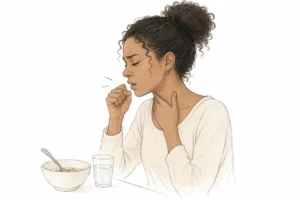
What followed was a cascade of frustration: audible sighs, exaggerated groans, muttered complaints, and the sharp, glassy-eyed defiance of a child at her absolute limit. In an attempt to de-escalate, I ushered my daughter outside, hoping a change of scenery would reset her nervous system. It was too late. The emotional storm clouds broke, manifesting in the visceral language of pain—tears, kicks, and jagged screams echoing across the summer patio. It was the physical manifestation of a morning’s worth of hidden exhaustion finally boiling over.
We retreated to the cool, sterile silence of the health center. As we sat together—navigating the raw edges of her distress and the quiet, aching thrum of my own chronic pain—I sent a simple, utilitarian text to a friend: "Can you bring us some water?"
I expected a bottle of water. I did not expect the profound shift in perspective that followed.
The Unspoken Language of the "Pain Village"
The response to my plea for hydration was not merely a logistical one; it was an exercise in radical empathy. My friend did not just bring water; she brought an atmosphere of calm.
"What do you need?" she asked.
"How can we help?"
"I am here if you need me."
In that moment, these were not platitudes. They were a lifeline. I realized that my own internal monologue had been a frantic list of requirements: I need her breathing to slow. I need this pain flare to ease. I need to catch my own breath.
This interaction highlights a core tenet of the Pediatric Pain Warrior Family Summer Camp: the existence of a "village" built not on pity, but on shared lived experience. In the outside world, parents of children with chronic pain often spend their days translating their reality to teachers, doctors, and family members who have no frame of reference for the complexities of invisible illness. At camp, however, that labor is removed. Understanding is not something to be earned or explained; it is the default state of existence.
The Burden of the Caregiver: Expertise vs. Vulnerability
As parents of children with chronic pain, we are often forced into roles for which we have no formal training. We become amateur pharmacists, physical therapists, and psychological mediators. We memorize the titration of medications, the precise timing of physical therapy routines, and the micro-expressions that indicate a pain flare is imminent.
We become experts at the "how." We know how to distract, how to medicate, how to soothe, and how to advocate. Yet, we are frequently abysmal at the "who"—specifically, who is going to hold us when the weight of that expertise becomes too heavy to bear.
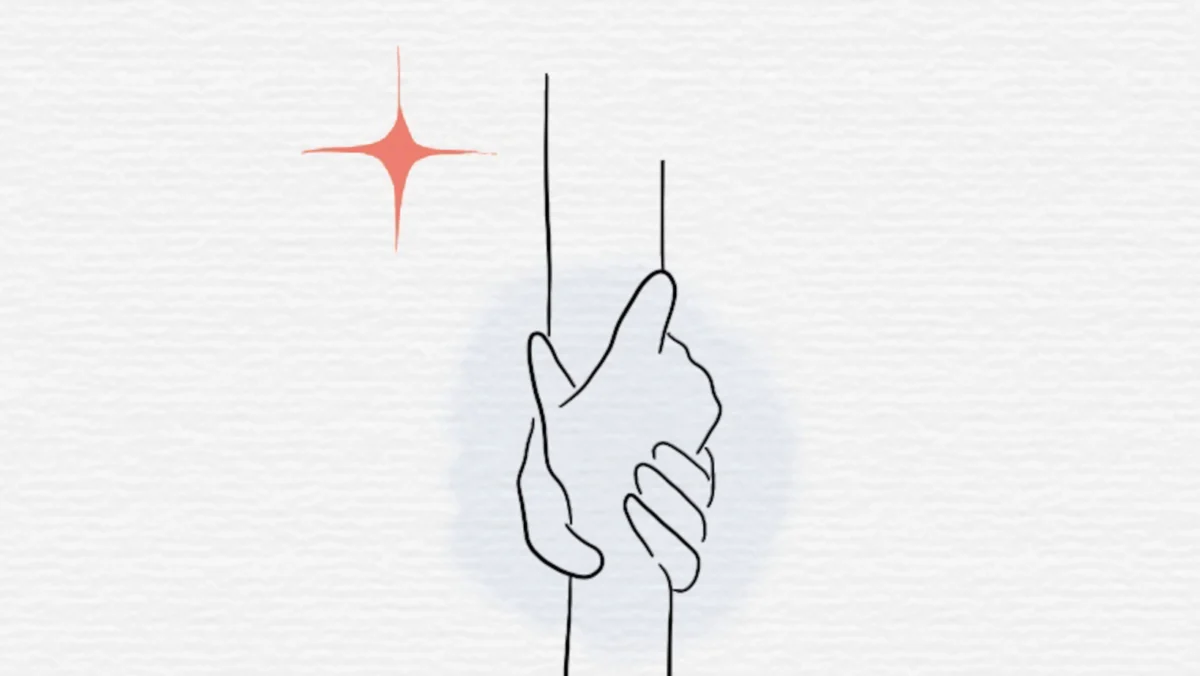
During that afternoon in the health center, I hadn’t asked for emotional support. I hadn’t realized I needed it. But when another mother, someone who had walked this exact path, walked through the door, she offered the one thing I hadn’t thought to request: a hug and a simple, declarative truth: "You are doing a great job, Mom. I just wanted you to know."
In that embrace, the rigid armor I wore to protect my daughter—and myself—softened. The stress of managing her pain while living with my own felt, for the first time in years, slightly less like an insurmountable mountain and more like a manageable, shared journey.
The Data of Chronic Pain: Why Community Matters
According to the U.S. Pain Foundation and pediatric health data, an estimated 20% to 35% of children and adolescents worldwide live with chronic pain. For these families, the psychosocial impact is profound. Studies published in the Journal of Pediatric Psychology consistently demonstrate that "parental stress" is a primary factor in the long-term prognosis of pediatric chronic pain patients.
When parents feel isolated, their ability to regulate their child’s nervous system decreases. Conversely, communities like the Pediatric Pain Warrior Camp serve as a "co-regulation" hub. By gathering families in a neutral, safe space, the camp facilitates what researchers call "social buffering"—a process where the presence of empathetic others reduces the physiological stress response (cortisol levels) in both the child and the parent.
This is not just "camaraderie"; it is a clinical necessity. The absence of this community leads to "caregiver burnout," a condition characterized by emotional exhaustion, detachment, and a decreased sense of personal accomplishment. For families dealing with chronic pain, the camp environment acts as a prophylactic against this burnout.
Official Responses and the Need for Peer-Led Support
While pediatric rheumatologists and pain management clinics provide the medical architecture for treatment, the emotional architecture is largely built by peer-to-peer organizations.
"The medical system is designed to treat the patient, but it often misses the unit," says a representative from a national pain advocacy group. "When a child hurts, the family unit hurts. The intervention needs to move beyond the clinic and into the living room. Programs like the Pediatric Pain Warrior Camp provide the essential ‘soft’ infrastructure—emotional support, peer validation, and the normalization of the chronic pain experience—that clinical settings are often unable to provide due to time and resource constraints."
The implications of this model are clear: to improve patient outcomes, we must prioritize caregiver mental health. When a parent feels seen and supported, they are better equipped to model resilience for their child. The "village" is not a luxury; it is a vital component of the treatment plan.
Implications: Moving Beyond the Crisis
Looking back at that day, I am struck by how easily I could have rejected the help. I could have stayed in the "I can handle this" mindset, which is the default setting for so many of us in the chronic pain community. But by allowing the water to be brought, and by accepting the hug that followed, I received something far more valuable than a beverage. I received permission to be human.
The lessons from the Pediatric Pain Warrior Summer Camp extend far beyond the one week we spend together each year. It teaches us that:
- Validation is an Intervention: Just as medication lowers physical pain, social validation lowers emotional pain.
- Permission to Falter: Parents do not need to be "strong" 24/7. True resilience is acknowledging when the burden is too heavy and allowing others to help carry it.
- The Power of "No Explanation": Living in a space where you don’t have to explain your existence is a restorative experience. It preserves the energy that would otherwise be spent on justification.
As I reflect on the tear-stained patio and the quiet health center, I am reminded that my daughter’s pain and my own do not define our worth. We are part of a community that understands the fatigue, the meltdowns, and the complex, often non-linear recovery processes that define our lives.
I didn’t realize how much I needed help that day. I thought I was simply a mother looking for a cup of water. Instead, I found a reflection of my own strength in the eyes of another parent. I learned that while the journey of chronic pain is often solitary, the path does not have to be walked alone.
We are not just the families trying to explain our pain to the world. We are the families living it, surviving it, and, in the company of our peers, thriving despite it. The village is there—sometimes it arrives with a bottle of water, sometimes with a hug, and always with the quiet, profound knowledge that we are, indeed, doing a great job.