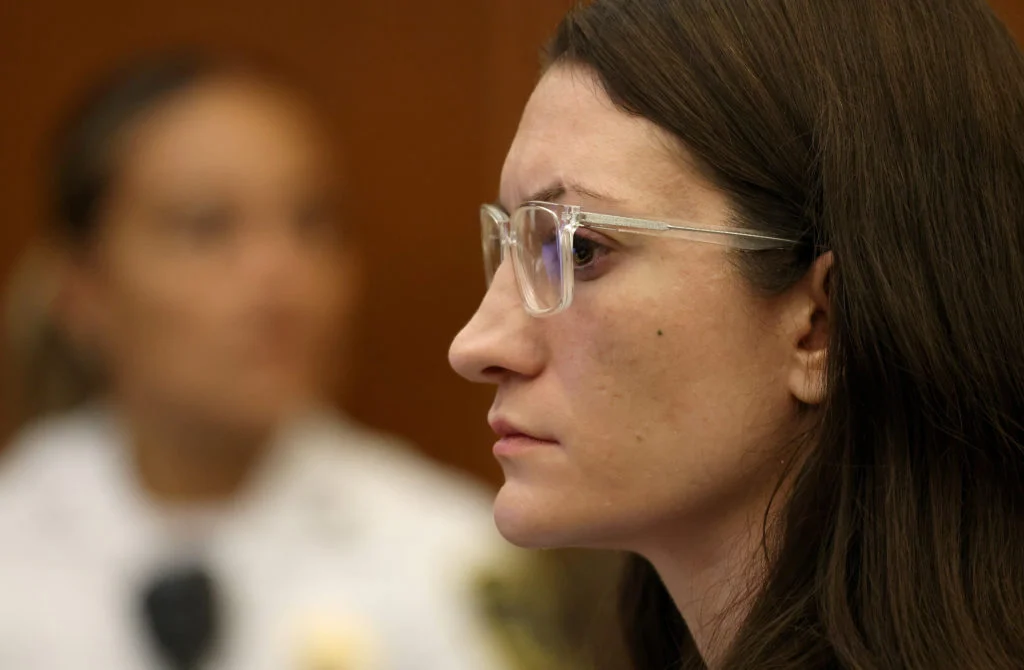
PLYMOUTH, Mass. — The quiet, coastal town of Duxbury, Massachusetts, remains etched in the national consciousness as the site of a profound tragedy that unfolded in January 2023. This week, the legal proceedings against Lindsay Clancy, a former labor and delivery nurse accused of murdering her three young children, reached a harrowing crescendo. As testimony continues in Plymouth Superior Court, the trial has moved beyond the simple question of "what happened" to a more complex, unsettling interrogation of the American healthcare system’s ability to treat the catastrophic mental health crisis known as postpartum psychosis.
The Tragic Events of January 2023
On the evening of January 24, 2023, Patrick Clancy returned to his family home after a brief errand, expecting to find his wife and their three children—8-month-old Callan, 3-year-old Dawson, and 5-year-old Cora—engaged in the typical rhythms of a winter evening. Instead, he encountered an unimaginable scene of horror.
The subsequent investigation revealed that the children had been strangled with exercise bands in the basement of the home. Lindsay Clancy, having jumped from a second-story window in a failed attempt to end her own life, was found by first responders in the snow behind the house. She survived the fall but remains paralyzed from the waist down.
The testimony provided this week by Duxbury Police Officers Stephen Hall and Brian Josephine offered a visceral, step-by-step account of the chaos. Officer Hall recalled the harrowing sound of Patrick Clancy’s voice as he discovered the reality of the situation. "I can’t wake them up—I can’t get them up!" Patrick shouted to police upon descending into the basement. Despite immediate medical intervention from fire department supervisors like PJ Hussey, the injuries were insurmountable; only the youngest child, Callan, initially showed a faint pulse, which soon faded.
A Chronology of a Deteriorating Mind
The defense’s narrative, presented during opening arguments, posits that Lindsay Clancy was not a perpetrator of cold-blooded murder, but a victim of a severe medical crisis. Her attorneys argue that the case is a textbook example of postpartum psychosis—a rare, life-threatening condition characterized by delusions, hallucinations, and a complete break from reality.
- Months Preceding the Tragedy: Patrick Clancy testified that in the months leading up to January 2023, his wife’s mental health had plummeted. He described her struggling with intrusive, disturbing thoughts of harming the children and taking her own life.
- Medical Intervention: The defense highlighted that Lindsay, a medical professional herself, sought help. She consulted with experts in postpartum mood disorders and was prescribed a cocktail of psychiatric medications.
- Psychiatric Hospitalization: When the initial treatment proved ineffective, Lindsay voluntarily checked herself into a psychiatric facility.
- The Final Days: The killings occurred just 19 days after her discharge from the psychiatric hospital. According to her legal team, on the day of the tragedy, she was experiencing auditory hallucinations, including a voice that commanded her: "This is your last chance. Kill the children so you can kill yourself."
Legal Arguments and Competing Narratives
The trial has become a battleground between the concept of criminal responsibility and the nuances of mental health law.
The Prosecution’s Stance
Prosecutors from the Commonwealth maintain that Clancy’s actions were intentional and calculated. They argue that as a labor and delivery nurse, she possessed a sophisticated understanding of medical protocol and that her actions—strangling the children one by one—demonstrated a clear intent to kill. The prosecution asserts that she remains criminally responsible for her actions, regardless of her psychiatric history.
The Defense’s Stance
Clancy’s defense team is fighting for a verdict of not guilty by reason of lack of criminal responsibility. They argue that the combination of bipolar disorder and the "medication-induced" worsening of her symptoms rendered her incapable of conforming her conduct to the law. They frame her actions not as a choice, but as a symptom of a mind trapped in a psychotic fugue state.
Supporting Data: The Reality of Postpartum Psychosis
Postpartum psychosis (PPP) is often misunderstood by the public as a severe form of "baby blues" or postpartum depression. However, medical experts emphasize that it is a distinct and severe medical emergency.
- Prevalence: PPP occurs in approximately 1 to 2 out of every 1,000 deliveries.
- Clinical Presentation: It typically manifests within the first two weeks postpartum. Symptoms include rapid mood swings, confusion, obsessive thoughts about the baby, and paranoia.
- The "Nurse’s Paradox": Legal and medical observers have noted the tragic irony that a woman trained to support mothers through childbirth was unable to receive the necessary life-saving intervention for herself. The trial highlights a systemic failure in the screening and follow-up care provided to women during the high-risk "fourth trimester."
Implications for Public Policy and Healthcare
The trial has sparked a nationwide dialogue regarding how the United States handles maternal mental health. If the jury finds Clancy not guilty by reason of mental illness, she would be committed to a state psychiatric facility for treatment rather than serving a life sentence in prison.
A Call for Reform
Advocates for maternal health argue that the tragedy could have been prevented with more robust, long-term monitoring for mothers exhibiting signs of distress. The fact that Clancy was discharged from a psychiatric facility less than three weeks before the killings has led to intense scrutiny of the standards of care in psychiatric hospitals for postpartum patients.
Societal Forgiveness vs. Justice
Perhaps the most unusual aspect of this trial is the position of the husband, Patrick Clancy. Despite the unimaginable loss of his three children, he has publicly stated that he forgives his ex-wife. He described her as "ill, not evil," providing a voice of empathy that contrasts sharply with the cold, adversarial nature of a murder trial. This perspective poses a philosophical challenge to the jury: How does the justice system balance the requirement for accountability with the reality of a profound mental health collapse?
Conclusion
As the trial moves toward its conclusion, the community of Duxbury and the nation at large are forced to confront the limits of empathy and the rigors of the law. The outcome will likely set a significant precedent for how future cases involving postpartum psychosis are litigated.
For now, the courtroom remains a place of somber reflection. The jurors are tasked with weighing the chilling testimony of first responders and the heartbreaking details of a father’s loss against the medical evidence of a mind that had entirely abandoned its tether to reality. Regardless of the verdict, the case of Lindsay Clancy serves as a haunting reminder of the invisible struggles faced by mothers and the desperate need for a healthcare system that can provide true, enduring safety for those in the depths of maternal mental illness.