




By Medical Policy Correspondent
July 30, 2026
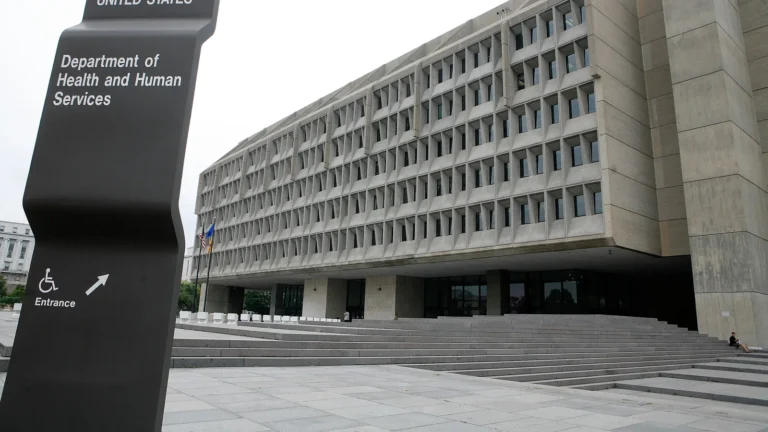
Millions of older adults enrolled in Medicare prescription drug plans are bracing for a period of financial uncertainty as the Trump administration prepares to sunset a critical temporary subsidy program. The decision, announced by the Centers for Medicare & Medicaid Services (CMS) this week, marks the conclusion of a two-year fiscal intervention that had effectively suppressed monthly premiums for beneficiaries across the country. As the 2026 calendar year draws to a close, the shift threatens to complicate the household budgets of some 25 million Americans, casting a long shadow over the upcoming midterm election season.
The End of a Two-Year Bridge
The subsidy program in question was established by the Biden administration in 2024. It served as a strategic response to the structural shifts introduced by the 2022 Inflation Reduction Act (IRA). As the pharmaceutical landscape adjusted to new federal drug-price negotiation mandates, the subsidy was designed to prevent a sudden spike in consumer costs, acting as a buffer for seniors living on fixed incomes.
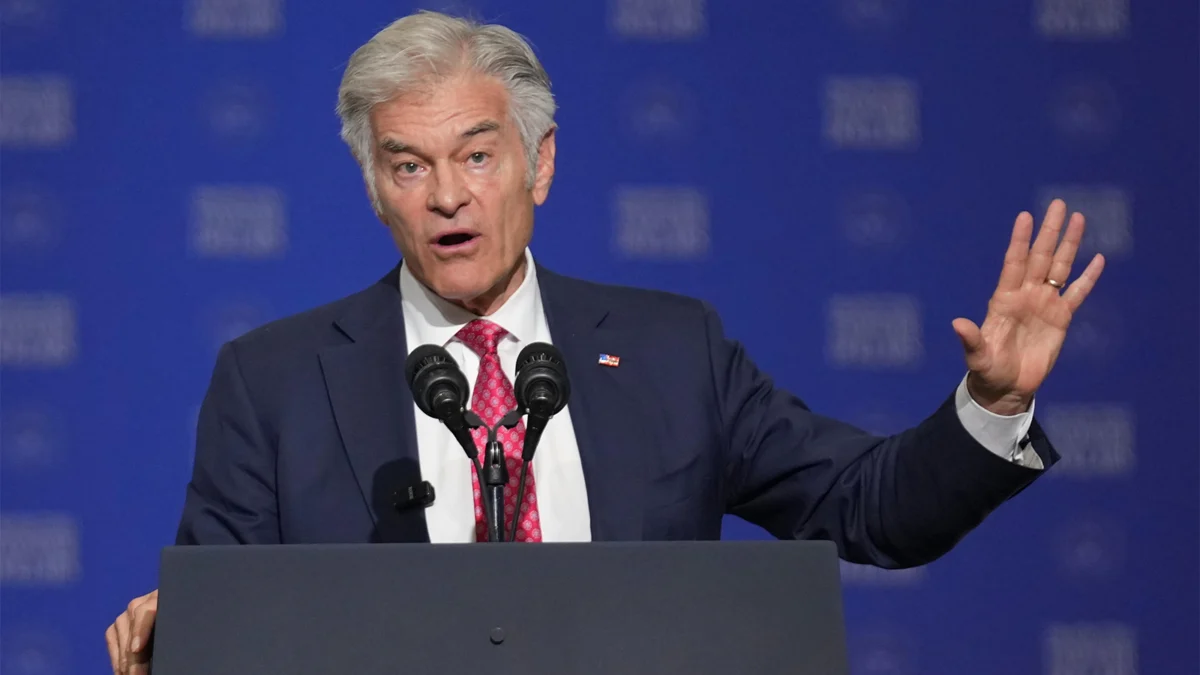
CMS Administrator Dr. Mehmet Oz announced the termination of this program, citing a desire to move away from what the current administration characterizes as excessive government spending. According to CMS, the subsidy cost the federal treasury approximately $3.6 billion in 2026 alone. By ending these payments, the administration claims it is curbing a pipeline of taxpayer funds that were, in effect, flowing directly to private insurance companies rather than reaching the patients themselves.
Chronology of Policy Shifts
The evolution of Medicare Part D has been marked by a series of legislative and executive maneuvers aimed at balancing fiscal solvency with beneficiary access.
- 2022: Congress passes the Inflation Reduction Act, which introduces historic provisions for Medicare to negotiate drug prices and establishes a hard cap on out-of-pocket spending for seniors.
- 2024: The Biden administration implements a temporary premium stabilization program to counteract projected volatility in the private Medicare Advantage and standalone Part D insurance markets.
- 2025: The subsidy remains in place, keeping average premiums at a baseline of approximately $36 per month, according to data from KFF.
- July 2026: CMS officially confirms the program will not be extended into the 2027 plan year, triggering immediate political backlash.
- September 2026: CMS is scheduled to release the finalized 2027 premium data, at which point beneficiaries will begin the annual "shopping" period for new coverage.
- November 2026: Midterm elections occur, with voters expected to weigh the cost-of-living crisis—including healthcare premiums—against the broader economic platforms of both parties.
Supporting Data and Financial Impact
The financial ramifications of this decision are currently the subject of intense debate. While the federal government maintains that the impact will be negligible, independent analysts suggest that the reality for individual beneficiaries may be more complex.
Federal data from the Medicare Payment Advisory Commission (MedPAC) indicates that the subsidies successfully offset average premiums by roughly $16 per month throughout 2026. Without these funds, the "sticker price" for many plans is expected to rise.
Dr. Oz has countered criticism by asserting that the average monthly increase will remain under $10, and in some market segments, competition could potentially drive premiums lower than they were previously. However, the volatility of the insurance market means these averages do not account for the wide variance between different plan offerings.
Crucially, this policy shift does not affect the out-of-pocket spending cap for prescription drugs. That limit, which protects seniors from catastrophic costs, was set at $2,100 for 2026 and is slated to increase to $2,400 for the 2027 coverage year. While the cap remains, the increase in the cap itself—combined with the expiration of premium subsidies—suggests that seniors will face a dual-pronged increase in their healthcare expenditures next year.
Official Responses and Political Fallout
The announcement has ignited a firestorm in Washington. Democrats have moved quickly to frame the decision as an attack on the economic security of the elderly.
Senate Minority Leader Chuck Schumer (D-N.Y.) took to social media shortly after the news broke, labeling the administration’s actions as "heartless" and "cruel." Schumer and other high-ranking Democrats argue that this decision is merely the latest in a series of rollbacks, pointing to concurrent reductions in Medicaid funding and the expiration of Affordable Care Act (ACA) subsidies that had previously lowered costs for working-age adults.
Conversely, the Trump administration is positioning this move as a return to fiscal responsibility. Dr. Oz has emphasized that the administration remains committed to lowering drug prices through alternative mechanisms. Specifically, he highlighted the ongoing success of direct federal negotiations with pharmaceutical companies for high-cost medications and the recent initiative to provide seniors access to GLP-1 medications—often used for weight loss and diabetes management—at a capped rate of $50 per month.
"Every Medicare beneficiary still has access to low-cost plans," Dr. Oz stated in a press briefing. "We are committed to a system that incentivizes competition among insurers rather than relying on federal bailouts that ultimately shield private companies from market pressure."
Broader Implications for Seniors
For the average enrollee, the concern is less about political strategy and more about the "math of survival." Juliette Cubanski, PhD, MPH, vice president and director of the program on Medicare policy at KFF, notes that even marginal increases can be devastating for those living on fixed Social Security incomes.
"When you look at a $10 or $15 increase in isolation, it might seem manageable," Dr. Cubanski explained. "But for a senior living on a fixed income, that isn’t happening in a vacuum. It’s happening alongside inflation in grocery prices, energy costs, and housing. What matters most for consumers is the bottom line—what is left in the bank account after the monthly bills are settled. For many, this will make the monthly budget math much harder."
The complexity of the Medicare system adds another layer of difficulty. Each year, beneficiaries must navigate the "open enrollment" process, comparing dozens of plans to find the best fit. With the landscape shifting, many older adults may find that their previous plan is no longer the most affordable option, forcing them to spend significant time analyzing complex plan documents to avoid price hikes.
As the fall approaches, the focus will shift to the CMS disclosures in September. For the 25 million Americans enrolled in Part D, that data release will serve as the first concrete look at their 2027 financial reality. By the time they cast their ballots in November, the impact of these premium changes will likely be a primary factor in the discourse surrounding the cost of living—a topic that has remained the most pressing issue for voters throughout this election cycle.
The decision to end the subsidies is, in many ways, a microcosm of the larger debate over the role of government in healthcare. Whether the move represents a necessary correction to prevent market dependency or a withdrawal of support from a vulnerable population remains a point of intense contention, with the ultimate verdict likely to be delivered by the voters this fall.