





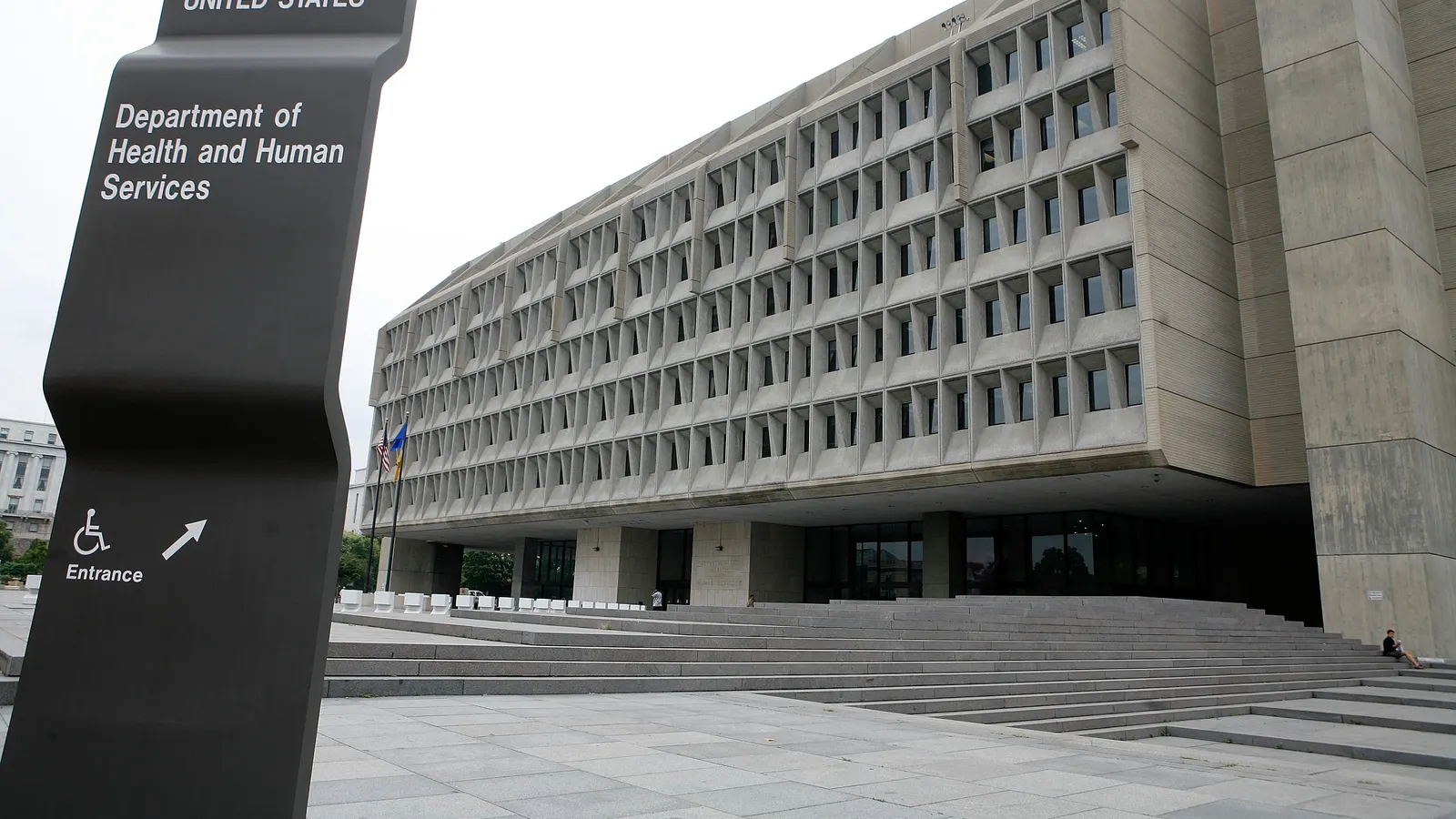
In a bold move to reverse the erosion of American dominance in pharmaceutical research, the U.S. Department of Health and Human Services (HHS) has launched an ambitious initiative aimed at dismantling the traditional, decades-old framework of phased clinical trials. As global competition intensifies, with nations like China and Australia capturing an increasing share of early-stage research, the U.S. government is betting on a "phaseless" future to reclaim its position as the world’s premier hub for medical innovation.
The Impetus: A Global Competitive Crisis
For decades, the United States has served as the gold standard for drug development, boasting the most robust regulatory environment and the most advanced research institutions. However, that landscape is shifting rapidly. According to a landmark memo released by the HHS last month, the U.S. is facing a "sovereignty challenge" in clinical research.
Data from 2021 marked a historical turning point: for the first time, China’s share of global Phase 1 clinical trials eclipsed that of the United States. By 2024, the trend had accelerated, with China registering a higher total number of all clinical studies compared to the U.S. Meanwhile, Australia has successfully branded itself as a "fast-track" destination, leveraging highly efficient regulatory pathways to achieve one of the highest trials-per-capita rates globally.
The reason for this migration is clear: speed and cost. In the current U.S. system, bringing a drug from laboratory discovery to market is a marathon that typically spans a decade and requires an investment of $1 billion to $2 billion. Despite these staggering figures, the industry faces a daunting reality: more than 90% of drug candidates fail to reach the market. For biotech startups and established pharmaceutical giants alike, the "phased" model—where research stops and starts for regulatory review between Phase 1, 2, and 3—is increasingly viewed as a relic of a slower, less data-driven era.
Chronology of the Shift: From Operation Trialblazer to "Surpass"
The push for reform did not happen in a vacuum. It is the culmination of years of mounting industry pressure and internal government analysis.
- Early 2020s: Industry groups began sounding the alarm as biotech investment began to pivot toward international markets that promised lower overhead and faster patient enrollment.
- 2024: The FDA launched "Operation Trialblazer," an initiative focused on streamlining Investigational New Drug (IND) applications. By utilizing pre-qualified research institutions, the FDA aimed to shave months off the approval process for early-phase trials.
- Late 2025/Early 2026: European pharmaceutical leaders, representing nine of the continent’s largest firms, issued a stern warning that the European industry was losing ground to China. This public admission catalyzed a sense of urgency in Washington.
- September 2026: HHS officially unveiled the "Surpass" project. This initiative moves beyond mere regulatory tweaks, calling for a fundamental architectural redesign of how human trials are conceived, conducted, and analyzed.
Supporting Data: The Case for a "Phaseless" Engine
The economic argument for moving away from the traditional three-phase system is compelling. A recent thinktank report highlighted that drugmakers conducting trials in Australia can initiate studies between six and 12 months earlier than their U.S. counterparts. Furthermore, the operational costs in these competing jurisdictions can be as much as 50% lower.
The "Surpass" project, spearheaded by program manager Daria Fedyukina, is designed to close this gap by replacing the rigid, sequential trial model with a "phaseless design engine."
The Components of the New Model
The HHS is currently offering significant funding to research teams capable of developing a prototype for this new system. The core requirements include:
- Continuous Data Integration: Instead of waiting for a phase to conclude, the system would offer real-time, on-demand analysis, allowing sponsors to pivot strategies instantly.
- Agentic Operations Layer: The integration of artificial intelligence to automate routine research activities, such as patient monitoring, adverse event reporting, and data verification.
- Regulatory Interoperability: A streamlined pipeline that maintains high safety standards while eliminating the administrative "dead time" between regulatory hurdles.
Fedyukina has stated that the goal is nothing short of revolutionary: by utilizing these innovations, the government aims to cut drug development timelines in half while simultaneously achieving a 10-fold reduction in costs.
Official Responses and Industry Sentiment
The reaction from the scientific and pharmaceutical communities has been one of cautious optimism tempered by the sheer magnitude of the challenge.
"The current system was built for a different world—a world of paper records and linear progression," says Dr. Aris Thorne, a senior policy analyst at the Institute for Biomedical Advancement. "By moving toward an agentic, data-driven engine, the HHS is essentially trying to move from a manual transmission to an autonomous vehicle. It is high-risk, but the alternative is watching the U.S. become a secondary market for global drug development."
However, not everyone is convinced that a "phaseless" model is an immediate panacea. Concerns remain regarding patient safety and the rigorous statistical validation that the current phase system provides. Regulatory skeptics argue that while speed is essential, the "phased" approach serves as a critical safety valve that ensures systemic errors are caught before large-scale exposure.

HHS officials have countered these concerns by emphasizing that the new system will rely on "digital twins" and advanced simulation modeling to predict outcomes, theoretically providing better safety profiles than the current reliance on static, sequential snapshots.
Implications for the Future of Medicine
The implications of the Surpass project are vast. If successful, the U.S. would not only reclaim its economic competitiveness but would also accelerate the pace of medical miracles. Diseases that currently take a decade to find a potential treatment could theoretically see breakthroughs in half that time.
For the American patient, this could mean earlier access to life-saving therapeutics. For the U.S. economy, it could secure the nation’s status as the epicenter of the global biotechnology sector for the next century.
However, the path forward is fraught with technical and cultural challenges. Transitioning an entire industry—governed by strict legal requirements and long-standing clinical traditions—requires more than just funding; it requires a total transformation of the "clinical culture." As the HHS begins reviewing proposals from research teams, the global medical community is watching closely.
The era of the "phased" clinical trial is under review. Whether the U.S. can successfully build a "phaseless" future will determine the trajectory of global health for generations to come. As the HHS memo concludes, "The question is no longer whether we can afford to innovate; it is whether we can afford not to."