








A landmark study published in 2026 has provided the most compelling evidence to date that Hypermobile Ehlers-Danlos Syndrome (hEDS) and Hypermobility Spectrum Disorder (HSD) may not be distinct entities, but rather manifestations of the same underlying biological pathology. By analyzing the circulating proteome of 352 participants, researchers have uncovered a shared molecular signature that suggests these conditions exert a systemic influence on the body, extending far beyond the traditional view of connective tissue fragility.
This breakthrough, published in the journal Clinical Proteomics, marks a significant shift in how the medical community may approach the classification, diagnosis, and future treatment of hypermobility-related conditions.
Main Facts: The Proteomic Connection
The core of the study lies in the identification of "differentially expressed proteins" (DEPs). Rather than searching for a single, elusive genetic marker, the researchers investigated the holistic environment of the blood. They identified 54 proteins that were expressed differently in hEDS patients compared to healthy controls, and 49 such proteins in HSD patients.
The most striking finding, however, was the lack of statistical difference between the hEDS and HSD cohorts. When researchers compared these two groups directly, they found no significant variations in their protein profiles. This absence of distinction is a powerful indicator that the biological mechanisms driving both conditions are virtually identical. When the researchers combined the cohorts for a more robust analysis against a healthy control group, they identified a total of 69 DEPs, providing a high-resolution "snapshot" of the disease state.
Chronology of Research: A Path to Discovery
For decades, clinicians and patients have debated the boundaries between hEDS and HSD. While hEDS is often defined by strict clinical criteria, HSD is frequently diagnosed when patients present with symptomatic hypermobility that does not meet the specific, narrow criteria for hEDS.
- The Initial Inquiry: Researchers recognized that the clinical overlap between the two was becoming increasingly difficult to distinguish, leading to the hypothesis that the distinction might be artificial.
- Patient Recruitment: The study enrolled 352 participants, creating a diverse cohort that allowed for high-powered statistical comparison.
- Blood Analysis: Using advanced mass spectrometry, the team isolated 458 circulating proteins. This method allowed for the observation of how the body regulates proteins in real-time, rather than just looking at the static genome.
- Data Correlation (2026): The analysis phase revealed that the expression levels of these 458 proteins were remarkably consistent across both patient groups, effectively erasing the "biological wall" that had previously been assumed to separate hEDS from HSD.
Supporting Data: Understanding "Differential Expression"
To grasp the significance of these findings, one must understand the role of proteomics. When researchers describe a protein as "differentially expressed," they are documenting a change in the body’s "metabolic output."
- Upregulation: The body is producing higher levels of a protein, potentially as a compensatory response to stress or as an indicator of an active, ongoing biological process.
- Downregulation: The body is producing lower levels, which may indicate a deficiency or a disruption in signaling pathways.
In the combined hEDS/HSD group, 50 proteins were upregulated and 19 were downregulated. These proteins were not random; they were mapped to critical physiological functions, including:
- Inflammatory Pathways: Suggesting that these conditions may involve a chronic, low-grade systemic immune response.
- Neurological Function: Specifically related to the myelination of the peripheral nervous system, which may explain the neuropathic pain often reported by patients.
- Cardiometabolic Health: Providing a potential link to the cardiovascular issues and autonomic dysfunction (such as POTS) that frequently accompany hypermobility.
- Tissue Maintenance: Confirming that the structural integrity of connective tissue is indeed being signaled differently at the molecular level.
Official Responses and Scientific Context
The research team noted that their findings "reinforce the idea that hEDS and HSD share common protein signatures and a disease-associated profile that extends beyond variations in gene expression."
While this study does not provide an immediate clinical diagnostic test, it acts as a validation for the patient community. For years, patients with HSD have often felt their symptoms were dismissed as "lesser" than those with hEDS. This study suggests that, biologically, their internal experience of the disease is identical.
Prominent rheumatologists and geneticists are now beginning to call for a re-evaluation of current diagnostic taxonomies. If the protein signature is the same, the argument for keeping the conditions separated by strict, arbitrary clinical criteria becomes increasingly difficult to defend from a scientific standpoint.
Implications: The Future of Medicine
The implications of this study are far-reaching, spanning from diagnostic innovation to the development of precision medicine.
1. Toward a Laboratory-Based Diagnostic
Currently, diagnosis is primarily clinical, relying on physical exams and historical data. A proteomic profile could eventually lead to a blood test—a "biomarker panel"—that confirms the presence of the hypermobility disease spectrum, removing the subjectivity that currently hampers the diagnostic process.
2. Targeting Systemic, Not Just Local, Symptoms
The discovery that inflammation, nerve myelination, and cardiometabolic processes are involved suggests that treatments should move beyond physical therapy and joint stabilization. Future therapeutic interventions could focus on:
- Immunomodulation: If specific inflammatory proteins are identified as drivers, drugs that target these specific pathways could reduce systemic pain and fatigue.
- Neuro-protective Therapies: Addressing the peripheral nerve issues identified in the study could provide relief for patients suffering from chronic pain and sensory hypersensitivity.
3. Refining Clinical Criteria
If hEDS and HSD are effectively the same condition, the medical community may eventually move toward a unified diagnostic framework. This would ensure that all patients, regardless of whether they meet the specific criteria for "hEDS," receive the same level of care, support, and access to symptom-management resources.
Conclusion: A New Foundation
The 2026 study is not the final word, but rather a robust beginning. As the scientific community digests these findings, the focus must shift to replication and expansion. Larger longitudinal studies will be necessary to determine if these protein signatures change over time or if they correlate with the severity of specific symptoms.
For those living with hEDS and HSD, this research offers a sense of validation. It confirms that the symptoms—the pain, the autonomic dysfunction, the fatigue—are not "in their heads," but are deeply rooted in the measurable, biological architecture of their bodies. By shifting the focus from subjective clinical observation to objective molecular science, we are entering a new era where these conditions are treated with the precision and urgency they deserve.
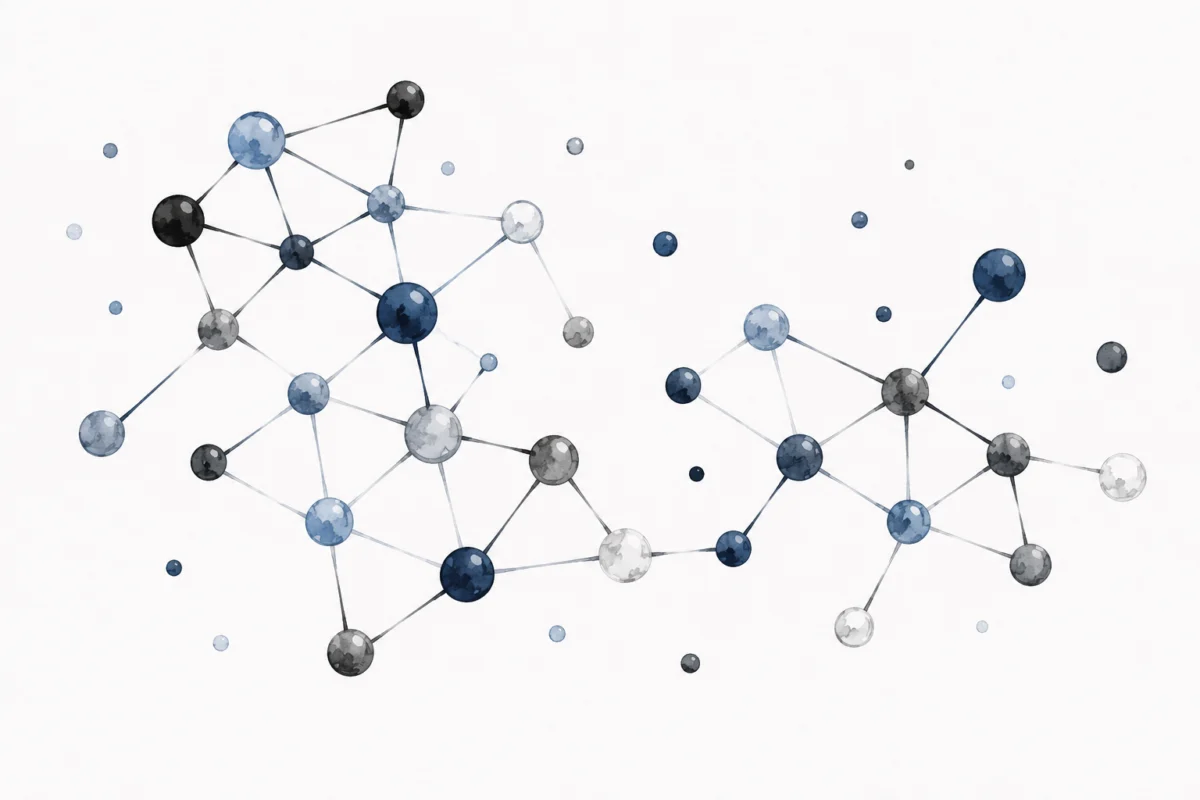
As researchers continue to map the "interconnected protein networks" identified in the study, the hope is that these 69 differentially expressed proteins will eventually act as a roadmap for targeted, effective, and life-changing medical interventions. The distinction between hEDS and HSD is blurring, and in its place, a clearer, more inclusive understanding of these systemic conditions is finally emerging.
This article is based on the 2026 research findings regarding proteomics in hypermobility disorders. While these developments are promising, readers are encouraged to consult with their medical providers regarding their specific health management plans.