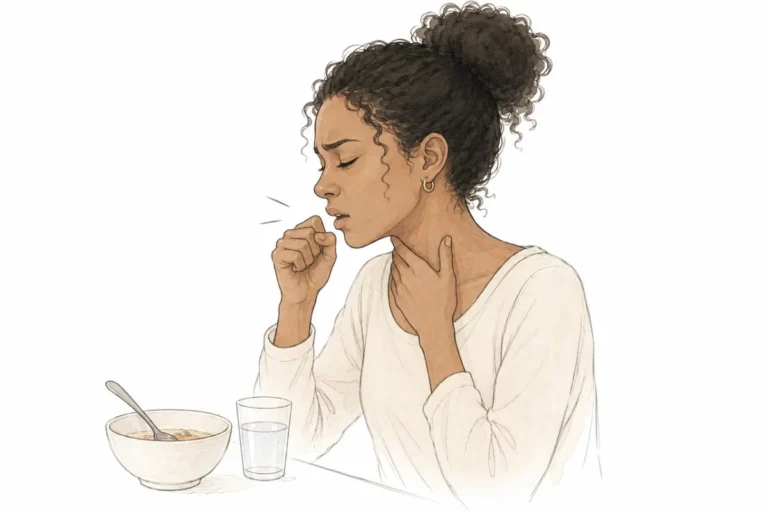










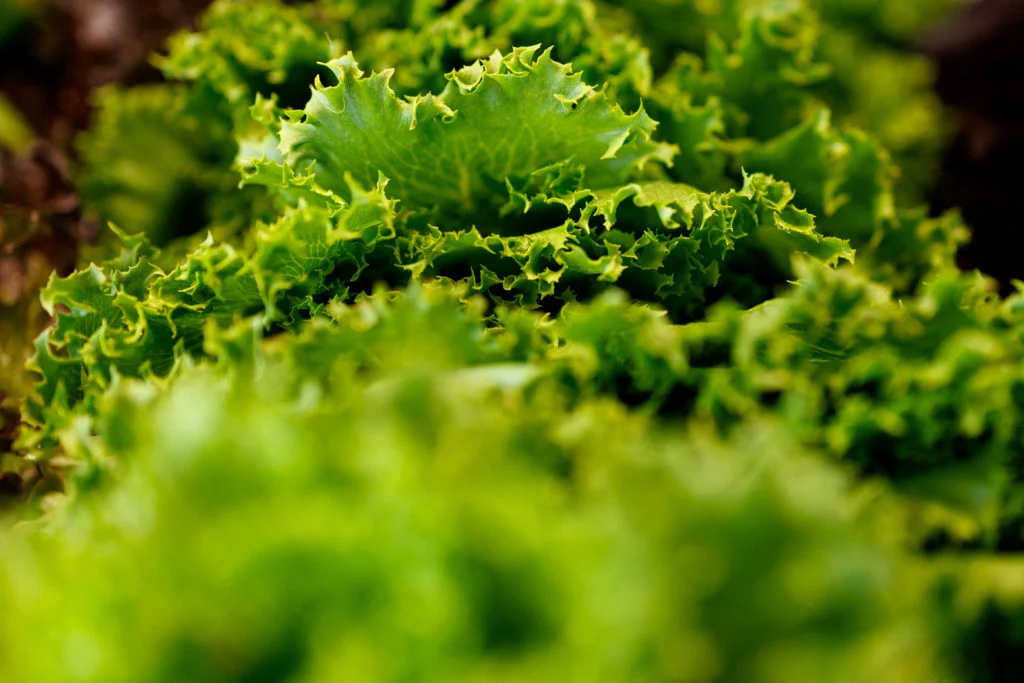
In recent months, the American dinner table has become a source of anxiety for many. As public health officials grapple with an ongoing and aggressive outbreak of cyclosporiasis, a gastrointestinal illness caused by the Cyclospora cayetanensis parasite, consumers are increasingly wary of the very foods meant to sustain them: fresh leafy greens and produce.
With more than 11,500 reported cases across the United States, the scale of this outbreak is significant. The resulting alarm has led to a measurable shift in consumer behavior, with recent polling data indicating that 40% of U.S. adults have intentionally reduced their intake of fresh fruits and vegetables. However, as infectious disease experts warn, abandoning nutrient-dense produce may do more harm to long-term health than the risk of exposure itself.
The Vital Role of Produce in Human Health
To understand the gravity of this dietary shift, one must first recognize the nutritional necessity of leafy greens. These foods are primary sources of vitamins A, C, and K, as well as essential minerals like folate, potassium, and magnesium. Beyond micronutrients, the high fiber content of salad greens plays a critical role in maintaining a robust gut microbiome, which is now understood to be a foundation of immune function, blood sugar regulation, and even cognitive health.
When a significant portion of the population stops eating these foods due to fear of contamination, the public health consequences—ranging from cardiovascular issues to metabolic disorders—could be far more widespread and lasting than the acute symptoms of a parasitic infection.
A Chronology of the 2026 Outbreaks
The current crisis did not emerge in a vacuum. It is the result of a complex interplay between industrial food processing and the biological resilience of specific pathogens.
- Early 2026: Initial clusters of cyclosporiasis were identified in regional healthcare settings, primarily characterized by "explosive" diarrhea, severe abdominal cramping, and fatigue.
- Spring 2026: The Centers for Disease Control and Prevention (CDC) and the Food and Drug Administration (FDA) began identifying links between these cases and commercially packaged salad mixes, sparking the first of several widespread investigations.
- July 2026: The crisis intensified as reports of simultaneous outbreaks involving Salmonella in eggs and E. coli in blueberries emerged. This "perfect storm" of food safety concerns culminated in a sharp decline in consumer confidence.
- Late July 2026: Federal investigators announced they were looking into a secondary, distinct cluster of Cyclospora infections, suggesting that the problem was not isolated to a single contaminated farm or packing facility, but rather indicative of systemic vulnerabilities in the supply chain.
The Myth of "Triple Washed" Perfection
For many consumers, the label "prewashed" or "triple washed" provides a false sense of security. While these terms imply a high standard of commercial cleanliness, they do not equate to sterility.
The process of bringing a head of lettuce from a field to a bag is fraught with potential for cross-contamination. Each touchpoint—the harvesting blade, the conveyor belt, the communal wash water, and the final packaging machinery—represents a new opportunity for bacteria or parasites to hitch a ride.
Furthermore, research indicates that the act of cutting leaves creates a biological "wound." These cut surfaces release plant juices that can actually serve as a nutrient source for pathogens, helping them survive and multiply within the bag. Once a single leaf is contaminated in a large-scale wash tank, the water-circulating systems can effectively distribute that pathogen across an entire batch, turning a localized issue into a widespread recall.
Why Cyclospora is Exceptionally Challenging
Cyclospora is a particularly stubborn adversary. Unlike some bacteria that are easily neutralized by the chlorine-based sanitizers commonly used in industrial food processing, the Cyclospora parasite is highly resistant to these chemicals.
Additionally, the parasite’s structure allows it to adhere tenaciously to the surface of produce. Its eggs are "sticky," meaning that even if a leaf is subjected to high-pressure rinsing, the organism may remain anchored. Because of this, public health officials emphasize that the most effective way to combat the parasite is not through downstream washing, but through rigorous prevention during the growing and harvesting phases.
Supporting Data and Industry Implications
The reliance on centralized, mass-produced bagged salads has transformed the way pathogens travel. When a product is processed in a single facility and distributed across dozens of states, a single contamination event can result in thousands of illnesses in a matter of days.
Data from food safety studies suggest that "local" produce generally carries a lower risk profile. By purchasing whole heads of lettuce from farmers’ markets or local farm stands, the supply chain is significantly shortened. Fewer intermediaries and less mechanical processing mean fewer opportunities for contamination.
Furthermore, the current market consolidation—where a handful of massive companies control the majority of the leafy green supply—means that when a recall occurs, it affects a staggering percentage of the market. This creates a "fragility" in the food system that is currently being exploited by the Cyclospora outbreak.
Official Responses and Regulatory Outlook
The FDA and CDC have been under mounting pressure to tighten oversight of leafy green production. Official responses have focused on two fronts: enhancing traceability and mandating better environmental monitoring on farms.
The FDA is currently working with industry leaders to implement better genomic surveillance. By sequencing the DNA of the Cyclospora found in patients and comparing it to samples taken from environmental swabs at farms, regulators are getting better at pinpointing the source of outbreaks. However, until such technologies are universally adopted, the burden of safety remains, in part, on the consumer.
Practical Steps for the Consumer
In light of these challenges, infectious disease specialists suggest that the best strategy is not total avoidance, but rather a transition to more controlled consumption habits:
- Prioritize Whole Produce: Whenever possible, buy whole heads of lettuce instead of pre-cut bags. The act of tearing leaves off a head yourself removes the "factory-processed" risk factor.
- Rigorous Home Preparation: If you do buy produce, strip away the outer leaves, which are most likely to have been exposed to contaminants. Wash the remaining leaves under cold, running water. While this may not remove 100% of parasites, it significantly reduces the bacterial load.
- Use Mechanical Drying: A salad spinner is not just for convenience; it helps remove excess moisture where bacteria prefer to congregate. Use paper towels to pat greens dry, which further aids in the removal of any lingering pathogens.
- Support Local Agriculture: By shifting purchases to local growers, consumers can bypass the high-risk, mass-processing environments that characterize the current outbreak sources.
Implications for the Future
The 2026 outbreaks serve as a wake-up call for the American food industry. It highlights that convenience has a hidden cost. The drive for pre-packaged, ready-to-eat meals has outpaced the safety technologies required to keep those products secure.
As we look toward the future, it is clear that systemic changes are necessary. This includes stricter regulation of water sources for irrigation, better sanitation protocols for harvesting equipment, and perhaps a return to a more "hands-on" approach to fresh food preparation.
For the individual, the takeaway is clear: do not let the fear of a parasite deprive your body of the essential nutrition found in greens. By opting for whole, locally sourced produce and exercising careful preparation techniques at home, you can continue to reap the profound health benefits of a diet rich in vegetables, while successfully navigating the risks of an evolving food safety landscape.
The resilience of the human diet depends on our ability to adapt our habits to the risks of the modern world. With informed choices, we can keep the salad on our plates and our health firmly intact.