








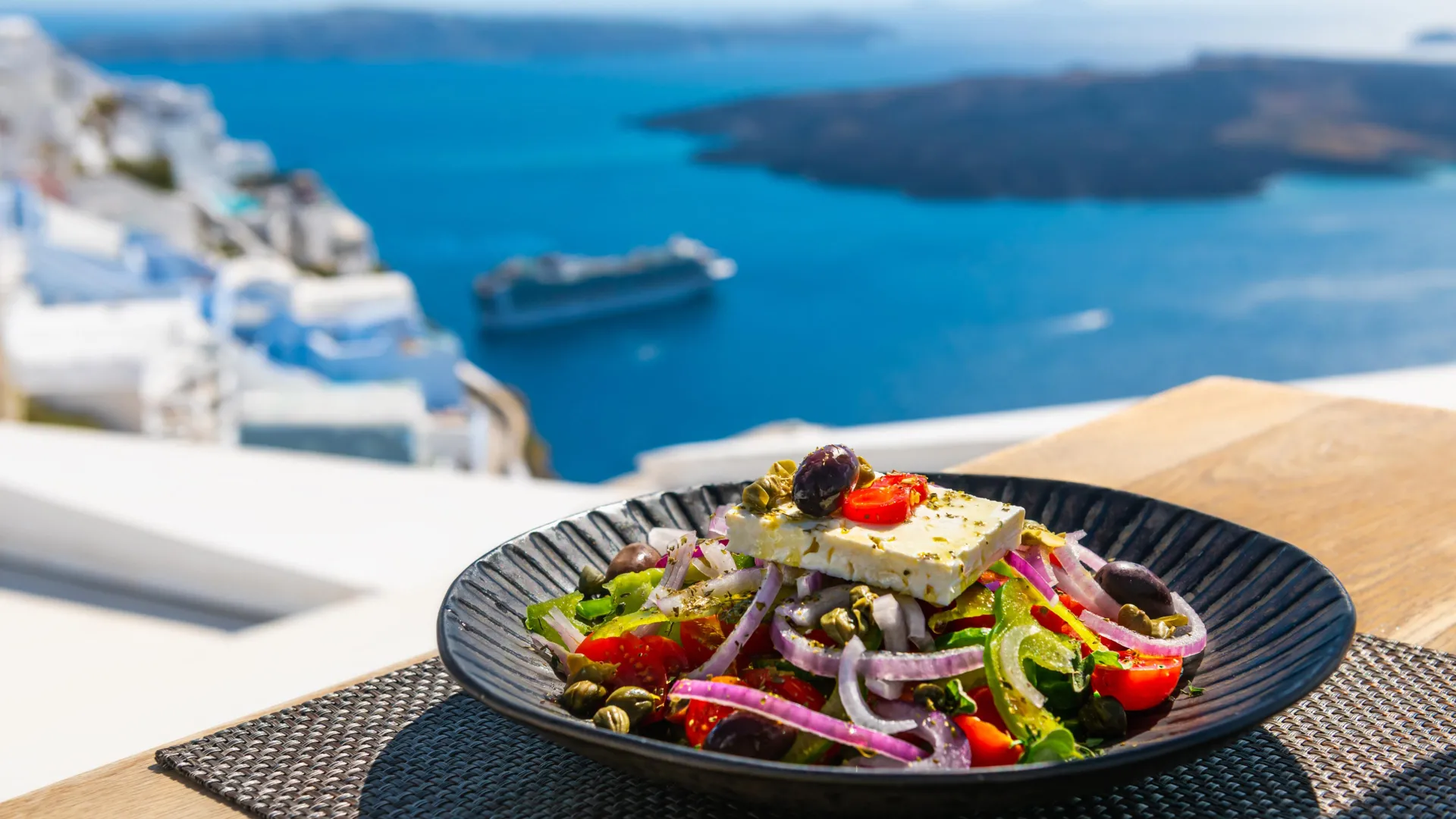
For decades, the Mediterranean diet has been touted by nutritionists and cardiologists alike as the "gold standard" for longevity. Characterized by a rich intake of olive oil, legumes, fatty fish, and whole grains, this eating pattern has been consistently linked to lower rates of cardiovascular disease, cognitive decline, and metabolic disorders. Yet, despite the vast epidemiological evidence, the precise biological mechanisms—the "how" and "why" of its success—have remained somewhat elusive.
A groundbreaking study led by researchers at the USC Leonard Davis School of Gerontology has now unveiled a missing piece of this biological puzzle. The research suggests that the Mediterranean diet influences aging through an unexpected pathway involving tiny, often overlooked proteins produced within the mitochondria—the powerhouses of our cells.
The Mitochondrial Connection: Unveiling Microproteins
Mitochondria are universally recognized as the cellular engines responsible for generating adenosine triphosphate (ATP), the primary energy currency of the cell. However, modern biology has repositioned these ancient organelles as far more than mere batteries. They are now viewed as sophisticated command centers that release chemical signals regulating metabolism, inflammation, and stress responses.
The USC study, published in Frontiers in Nutrition, identifies two specific mitochondrial microproteins—humanin and SHMOOSE—as key intermediaries in this process. According to the research, older adults who strictly adhere to a Mediterranean-style diet exhibit significantly higher concentrations of these proteins in their blood.
"These microproteins may act as molecular messengers that translate what we eat into how our cells function and age," explains Roberto Vicinanza, an instructional associate professor of gerontology at USC and the lead author of the study. "It’s a new biological pathway that helps explain why the Mediterranean diet is so powerful."
A Chronology of Discovery: From "Junk" DNA to Vital Regulators
To understand the significance of this discovery, one must look at the history of mitochondrial research. For years, the genetic material inside mitochondria was thought to be largely dormant, with vast stretches of the genome labeled as "non-coding" or "junk."
Pinchas Cohen, Dean of the USC Leonard Davis School and the senior author of the study, has spent over two decades challenging this dogma.
- 2003: Cohen and his team first identified humanin, a peptide encoded within the mitochondrial genome. Subsequent research quickly established its role in improving insulin sensitivity, protecting the cardiovascular system, and preserving cognitive function.
- The Mid-2010s: The lab expanded its search, eventually discovering SHMOOSE (Small Human Mitochondrial ORF Over SErine tRNA). This microprotein was found to be critical for brain health, with specific variants acting as a shield against amyloid plaques—the pathological hallmark of Alzheimer’s disease.
- 2026 (The Current Study): Researchers bridged the gap between these peptides and dietary habits. By analyzing blood samples from older adults, the team established that diet directly correlates with the circulating levels of these protective proteins.
Supporting Data: The Impact of Dietary Choices
The study’s findings provide granular insight into how specific components of the Mediterranean diet contribute to mitochondrial health. The research team categorized dietary adherence and mapped it against microprotein concentrations and markers of oxidative stress.
The Power of Specific Foods
- Olive Oil, Fish, and Legumes: These staples showed the strongest correlation with elevated humanin levels.
- Carbohydrate Quality: A reduced intake of refined carbohydrates—such as white bread and sugary snacks—was directly linked to higher levels of SHMOOSE.
This is particularly important because refined carbohydrates often trigger "metabolic spikes," causing rapid blood sugar increases that force mitochondria to work harder, eventually leading to exhaustion and dysfunction. By replacing these with fiber-rich, minimally processed foods, the body appears to optimize its mitochondrial output.
Oxidative Stress Mitigation
The study also found that those with high adherence to the diet exhibited lower markers of oxidative stress. Oxidative stress occurs when reactive oxygen species (ROS)—unstable molecules—overwhelm the body’s antioxidant defenses. These molecules wreak havoc on proteins, lipids, and DNA, accelerating the aging process.
The research identified a potential link between humanin and Nox2, an enzyme responsible for producing these damaging ROS. Higher levels of humanin were associated with suppressed Nox2 activity, suggesting that the diet provides a dual-action defense: it minimizes the production of damaging molecules while simultaneously boosting the proteins that provide cellular "armor."
Official Perspectives: The Experts Speak
The implications of these findings extend far beyond individual health; they provide a scientific framework for public health policies.
"These findings suggest that specific components of the Mediterranean diet may directly influence mitochondrial biology," says Dean Pinchas Cohen. "Humanin and SHMOOSE could serve as reliable biomarkers for adherence to the Mediterranean diet and hold significant clinical weight."
For the medical community, the utility of these biomarkers cannot be overstated. A biomarker acts as a "biological report card." In this case, clinicians could potentially measure humanin and SHMOOSE levels to determine if a patient’s diet is truly protecting them at a cellular level, allowing for a move toward "precision nutrition"—a personalized approach that moves away from the "one-size-fits-all" dietary guidelines.
Roberto Vicinanza emphasizes the broader cultural mission of this work. His collaboration with the Municipality of Pollica, Italy—a UNESCO-recognized hub for the Mediterranean diet—has led to the establishment of the International Day of the Mediterranean Diet, observed annually on November 16.
"We’re connecting centuries-old dietary traditions with cutting-edge molecular biology," Vicinanza notes. "It supports the hypothesis that healthy eating patterns, devoid of ultra-processed foods, mirror the environments to which our mitochondria—which evolved from bacteria over a billion years ago—are naturally adapted."
Implications for Future Health Strategies
While the study provides a compelling roadmap, the researchers urge caution. As an observational study, it demonstrates a strong association but cannot yet definitively prove causality. Factors such as genetics, physical activity, and overall lifestyle choices remain variables that influence both diet adherence and microprotein levels.
However, the trajectory of this research is clear. The next phase will focus on interventional trials:
- Testing Causality: Can changing a person’s diet directly force an increase in humanin and SHMOOSE?
- Disease Intervention: Can these increases lead to a measurable reduction in the risk of cardiovascular events or Alzheimer’s disease?
- Precision Nutrition: Can we create "molecularly informed" diets that target specific deficiencies in mitochondrial function?
"Our goal is to move from observing associations to understanding causality," says Vicinanza. "If we can harness these pathways, we may be able to design nutritional strategies that promote healthy aging at the molecular level, not just the symptomatic level."
A Global Shift
The study, co-authored by researchers from USC and Sapienza University of Rome, arrives at a critical time in global health. As the world faces an aging population and an epidemic of chronic, lifestyle-related diseases, the validation of the Mediterranean diet through the lens of mitochondrial biology offers more than just a menu—it offers a blueprint for how to feed the very engine of human life.
By aligning our modern eating habits with the ancient, evolutionary requirements of our mitochondria, we may finally unlock the secrets to not only living longer but living with greater vitality. The "Mediterranean model" is no longer just a cultural preference; it is a molecular necessity.