











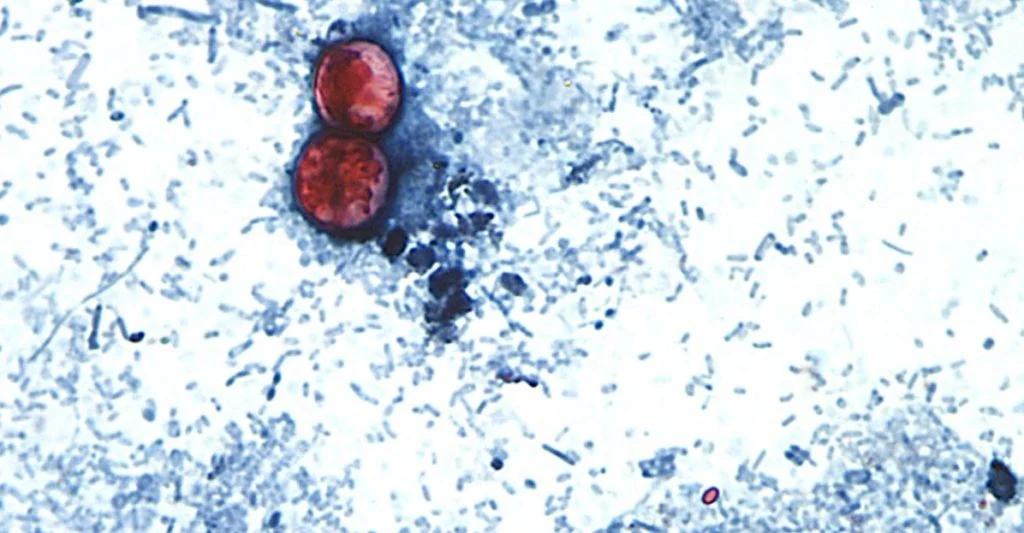
LANSING, Mich. — The ongoing nationwide outbreak of Cyclospora cayetanensis, a microscopic parasite responsible for debilitating intestinal illness, has reached a tragic milestone. On Monday, August 3, 2026, the Michigan Department of Health and Human Services (MDHHS) confirmed that two individuals in the state have died following complications from the infection. These deaths mark the first officially recorded fatalities in the United States associated with this specific, widespread outbreak.
The state health department noted that both deceased individuals suffered from underlying health conditions, which were likely exacerbated by the severe gastrointestinal distress and rapid dehydration characteristic of cyclospora infection. Citing privacy concerns, state officials have declined to release further details regarding the victims’ ages, locations, or medical histories.
This development escalates an already historic public health crisis, as federal and state agencies continue to struggle to contain the parasite’s spread across 41 states.
The Nature of the Threat: Understanding Cyclospora
Cyclospora cayetanensis is a single-celled parasite that typically infects the small intestine. It is transmitted through the ingestion of food or water contaminated with human feces—a transmission route that remains a persistent challenge in global food safety.
Unlike bacterial pathogens such as Salmonella or E. coli, which often show symptoms within hours of ingestion, the Cyclospora parasite has an incubation period of roughly one to two weeks. This delay significantly complicates contact tracing efforts, as patients often struggle to recall the specific meals they consumed ten days prior to the onset of illness.
Once symptoms manifest, they are notoriously difficult to manage. Patients frequently report explosive, watery diarrhea, severe abdominal cramping, bloating, nausea, and persistent fatigue. Without medical intervention, the illness can last for weeks or even months, with a high risk of relapse. For vulnerable populations, such as the elderly or those with compromised immune systems, the rapid fluid loss caused by the parasite can quickly lead to life-threatening complications, as seen in the recent Michigan cases.
Chronology of the 2026 Crisis
The scale of the 2026 outbreak is unprecedented in American history. While small, localized clusters of cyclospora have appeared in the past, the current trajectory has shattered previous records.
- May 1, 2026: The Centers for Disease Control and Prevention (CDC) marks the start of the current surveillance period. Reports of gastrointestinal illness begin to trickle in from across the Midwest.
- Late May – June 2026: Epidemiologists notice a sharp spike in cases. Preliminary investigations begin focusing on fresh produce distribution chains.
- Early July 2026: Federal investigators link specific batches of lettuce imported from Mexico to a series of illnesses associated with Taco Bell locations in five states. Taco Bell and its suppliers begin working with the FDA to remove the implicated product from the supply chain.
- Mid-July 2026: The case count crosses the 3,000 mark. The CDC expands its investigation to include secondary distribution channels, acknowledging that the parasite may have contaminated multiple brands and retail outlets beyond the initial findings.
- August 3, 2026: Michigan officials confirm the two deaths, marking the first time the outbreak has proven fatal in the U.S.
Supporting Data: An Unprecedented Outbreak
The numbers currently reported by federal agencies underscore the severity of the situation. As of the latest update on August 3, the CDC has confirmed more than 4,100 cases of cyclosporiasis. However, the true scope of the crisis is likely much larger; the agency is actively investigating an additional 7,400 "likely" cases.
The geographic footprint is equally concerning. With reports spanning 41 states, the outbreak is no longer a localized issue but a national food safety emergency. Public health experts suggest that the sheer volume of cases is putting a significant strain on regional testing laboratories, which are struggling to keep pace with the influx of stool samples requiring specialized microscopic analysis to detect the Cyclospora oocysts.
Data suggests that fresh produce—specifically lettuce, cilantro, and other leafy greens—remains the primary vehicle for transmission. The parasite is hardy; it can survive in the environment for long periods and is resistant to standard sanitizers used in produce processing. This makes the prevention of fecal contamination at the source, particularly during irrigation and harvesting in agricultural fields, the only truly effective line of defense.
Official Responses and Public Safety Guidance
The CDC and the Food and Drug Administration (FDA) are operating in a state of high alert. Their primary objective remains the identification of all contaminated supply chains. While the investigation initially pointed to specific lettuce imports from Mexico, officials are now warning that other "brands, restaurants, retailers, or distribution channels" may be involved.
"This is a complex investigation because of the long lag time between consumption and symptom onset," said a spokesperson for the CDC. "We are working around the clock to identify commonalities across the 41 affected states, but the public must remain vigilant about food handling and hygiene."
Recommendations for Consumers:
- Thorough Washing: While washing produce can reduce the risk of contamination, it does not guarantee the removal of the parasite, as Cyclospora can be embedded in the microscopic crevices of leaves.
- Cooked vs. Raw: During an active outbreak, infectious disease experts recommend that individuals—particularly those at high risk—prioritize cooked vegetables over raw salads.
- Medical Consultation: If you experience prolonged, severe diarrhea or symptoms of dehydration, seek medical attention immediately. Physicians should be informed about the ongoing Cyclospora outbreak, as standard stool tests for common parasites often miss Cyclospora unless specifically requested.
Implications for U.S. Food Safety Policy
The 2026 outbreak is expected to trigger a significant legislative and regulatory overhaul regarding imported produce. The reliance on international supply chains for fresh produce year-round has highlighted a vulnerability in the U.S. food system: the difficulty of auditing safety standards in foreign agricultural operations.
Critics of the current food safety infrastructure argue that the FDA’s import monitoring programs are underfunded and unable to address the complexities of globalized produce distribution. The fact that a single parasite could cause over 11,000 potential cases in a single season has reignited debates over the need for more stringent testing at the border and increased transparency for consumers regarding the origin of their food.
Furthermore, the restaurant industry is facing a reckoning. The link between major chains and the outbreak highlights the difficulty of maintaining safety protocols when produce changes hands multiple times between the farm and the table. As investigations continue, industry groups are calling for better "farm-to-fork" traceability, utilizing technologies like blockchain to track the origin of every head of lettuce in the supply chain.
For now, the priority remains life-saving medical care for those currently ill and the containment of the supply chain. As the nation grapples with these first two deaths, the shadow of Cyclospora looms large over the American dinner table, forcing a necessary, albeit painful, conversation about the cost of our modern diet.