










By Delilah Alvarado
Published August 3, 2026
In a move that signals the definitive conclusion of the pandemic-era chapter for one of biotechnology’s most recognizable names, BioNTech has officially appointed Guido Oelkers as its next Chief Executive Officer. Oelkers, the long-standing helmsman of the Swedish pharmaceutical firm Sobi, will assume the mantle at the Mainz-based company by February 1, 2027.
This leadership transition marks more than just a change in the corner office; it represents a fundamental recalibration of BioNTech’s identity. As the company shifts focus from its history as a global vaccine powerhouse back to its roots as a pioneer in oncology, it faces the dual challenge of navigating a volatile regulatory environment and managing the exit of its visionary founders, Ugur Sahin and Özlem Türeci.
The Changing of the Guard: A Chronology of Transition
The seeds for this transition were sown long before the formal announcement on Monday. While BioNTech achieved international acclaim through its partnership with Pfizer to deliver Comirnaty—the world’s first COVID-19 vaccine—the company’s leadership had been quietly preparing for a future beyond the pandemic.
- 2008: BioNTech is founded in Mainz, Germany, with an initial, singular focus on cancer immunotherapy and individualized mRNA-based cancer treatments.
- 2020–2021: The COVID-19 pandemic transforms the company into a household name. The success of the mRNA platform provides unprecedented capital, enabling a rapid expansion of the company’s R&D capabilities.
- March 2026: BioNTech announces that its co-founders, CEO Ugur Sahin and CMO Özlem Türeci, will depart the company to launch a new, stealth-mode mRNA startup.
- August 3, 2026: Guido Oelkers is named the incoming CEO, tasked with leading the company through its next decade of clinical development.
- February 1, 2027: The formal transition date when Oelkers will officially assume his duties as CEO.
The departure of Sahin and Türeci is not merely a retirement; it is a move toward a new venture that remains shrouded in mystery. For the industry, the founders’ exit raises questions about the future of mRNA innovation, as the duo looks to apply their expertise to a "fledgling" enterprise, leaving BioNTech to integrate its newfound commercial scale with its scientific research.
From Pandemic Powerhouse to Oncology Specialist
BioNTech’s journey has been defined by its ability to pivot. In the wake of the pandemic, the plummeting sales of Comirnaty forced a stark realization: the company could no longer rely on the windfall of a global health crisis. Simultaneously, the political and regulatory climate for mRNA vaccines shifted dramatically.
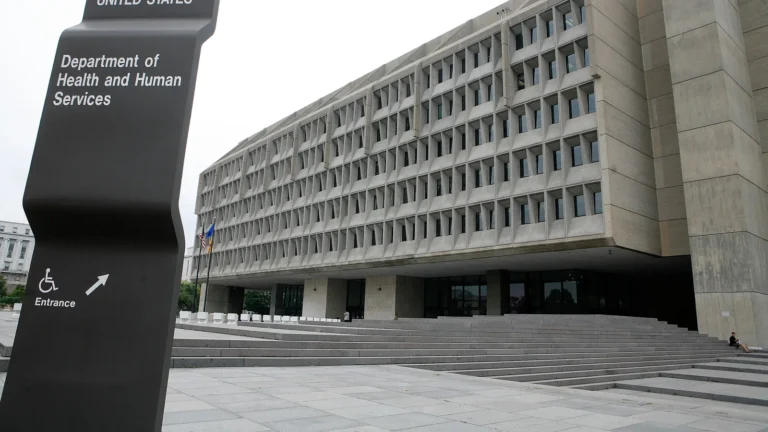
Under the leadership of Robert F. Kennedy Jr. at the Department of Health and Human Services, mRNA technology has faced intense scrutiny. This, combined with the saturation of the COVID-19 vaccine market, necessitated a return to the company’s founding objective: oncology.
Building the Pipeline
BioNTech has aggressive plans for its cancer portfolio. By the end of 2026, the company expects to have 15 Phase 3 clinical trials underway. The focus is no longer solely on vaccines; the company is leveraging a sophisticated mix of:
- Bispecific Antibodies: Designed to target multiple pathways simultaneously, these drugs are the crown jewels of the company’s current late-stage efforts.
- Cellular Medicines: Utilizing the body’s own immune system to identify and destroy tumor cells.
- Strategic Partnerships: The recent deal with Bristol Myers Squibb regarding a "PD-1/VEGF" inhibitor has become a cornerstone of the company’s late-stage strategy. This asset is currently undergoing rigorous testing for various indications, including non-small cell lung cancer.
Oelkers: The Architect of Commercial Success
The appointment of Guido Oelkers is a clear signal to shareholders that BioNTech is prioritizing commercial maturity. Oelkers, who has led Sobi since 2017, is credited with transforming the company into a powerhouse in rare diseases. His tenure was defined by the expansion of product portfolios and the successful navigation of complex global markets.
BioNTech’s chairperson, Helmut Jeggle, emphasized that Oelkers’ appointment was driven by his proven ability to "seamlessly transform scientific excellence into commercial success." For a company that has mastered the science of mRNA but struggled to find a post-pandemic commercial identity, Oelkers represents the "steady hand" necessary for this next phase.

Official Responses and Stakeholder Sentiment
The market’s reaction to the announcement was swift and positive. On the morning of August 3, 2026, BioNTech shares rose approximately 4%, trading at roughly $94 per share. This uptick reflects investor confidence in a clear succession plan, a rarity in the high-stakes biotech sector.
Statement from Helmut Jeggle, Chairperson
"Guido Oelkers has consistently demonstrated sound strategic leadership in global organizations. His deep expertise in both oncology and immunology is perfectly aligned with our goal to evolve into a multi-product company. We are confident he will continue the remarkable success story that Ugur Sahin and Özlem Türeci began nearly two decades ago."
The Search for a New CMO
While the CEO position is filled, the company remains in a period of transition regarding its scientific leadership. The search for a replacement for Özlem Türeci is ongoing. The Board has explicitly stated that they are seeking a candidate with "exceptional medical and scientific expertise" and a proven track record in late-stage clinical development. This indicates that BioNTech intends to maintain a high bar for its scientific rigor, even as it pivots toward a more commercial-centric model.
Strategic Implications: The Road Ahead
The implications of this leadership change extend far beyond the boardroom in Mainz.
1. The "Multi-Product" Mandate
BioNTech is moving away from its reliance on a single blockbuster product. Oelkers will be expected to manage a diverse pipeline where the risk is spread across 15 Phase 3 programs. The success of this strategy will be the primary metric by which his leadership is judged over the next five years.

2. Navigating the Political Climate
The scrutiny surrounding mRNA technology in the United States remains a significant hurdle. Whether Oelkers can navigate these political headwinds while maintaining the integrity of BioNTech’s research will be critical. The company’s pivot to oncology—which relies on different delivery mechanisms and therapeutic modalities than infectious disease vaccines—may serve as a strategic buffer against the political volatility facing mRNA.
3. Maintaining the Innovation Culture
The greatest risk to BioNTech is the "brain drain" associated with the departure of Sahin and Türeci. To retain its status as an innovation leader, the company must ensure that the culture of scientific inquiry remains robust under Oelkers. His ability to foster that environment while demanding commercial results will be his most difficult challenge.
Conclusion
As BioNTech prepares for the departure of its iconic founders, the appointment of Guido Oelkers marks a transition from a research-driven, pandemic-era phenomenon to a diversified, multi-product oncology leader. The company’s success in the coming years will depend on its ability to bridge the gap between the visionary science of its past and the commercial realities of its future.
With a deep bench of late-stage assets and a new leader experienced in the complexities of global pharmaceutical growth, BioNTech appears poised to weather the transition. However, as the industry watches, the real test will be whether the company can translate its massive R&D spending into the tangible, lifesaving therapies that patients—and investors—are eagerly awaiting. The clock is now ticking toward February 2027, the moment when the Oelkers era officially begins.