










By Jana Wu, LCSW, LADC
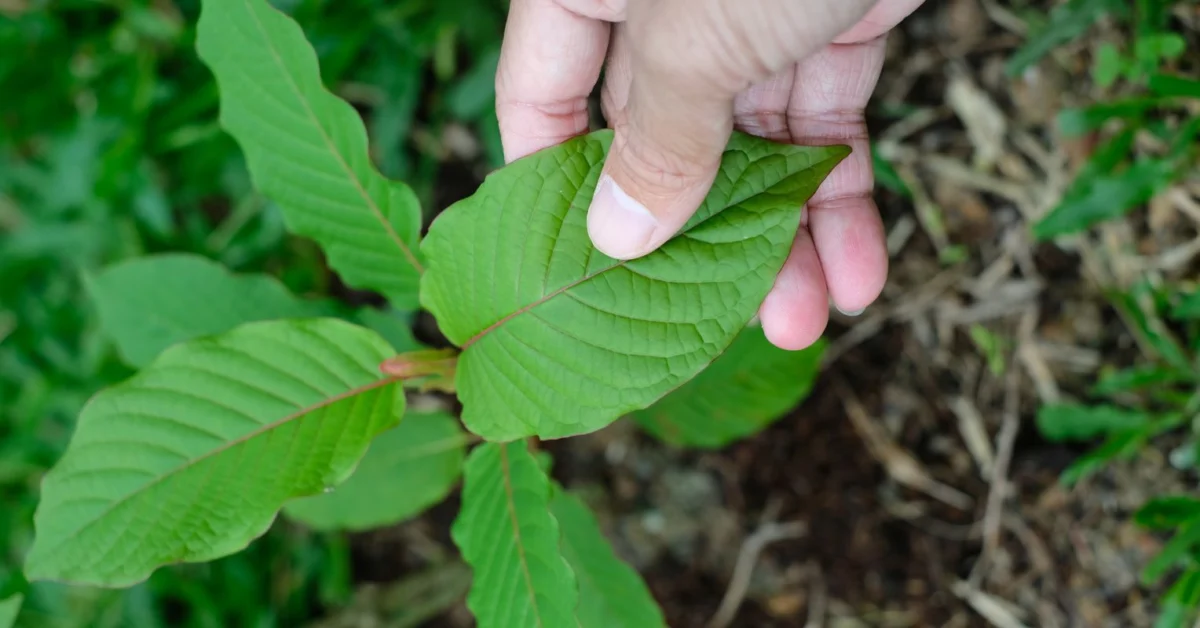
In the landscape of modern wellness, few substances have sparked as much polarized debate as kratom (Mitragyna speciosa). Whether found in the aisles of boutique health food stores, behind the counter of local vape shops, or prominently displayed at gas stations, kratom has transcended its origins as a niche traditional remedy to become a staple of the American supplement market.
Native to the tropical climates of Southeast Asia, the kratom tree has been used for centuries by laborers to sustain energy levels and manage the physical toll of demanding manual work. However, its migration to Western markets has shifted the narrative from traditional use to a multifaceted public health concern. As we navigate a landscape where "natural" is often conflated with "safe," it is critical to dissect the evidence, the regulatory environment, and the human cost of kratom dependence.
Main Facts: What is Kratom?
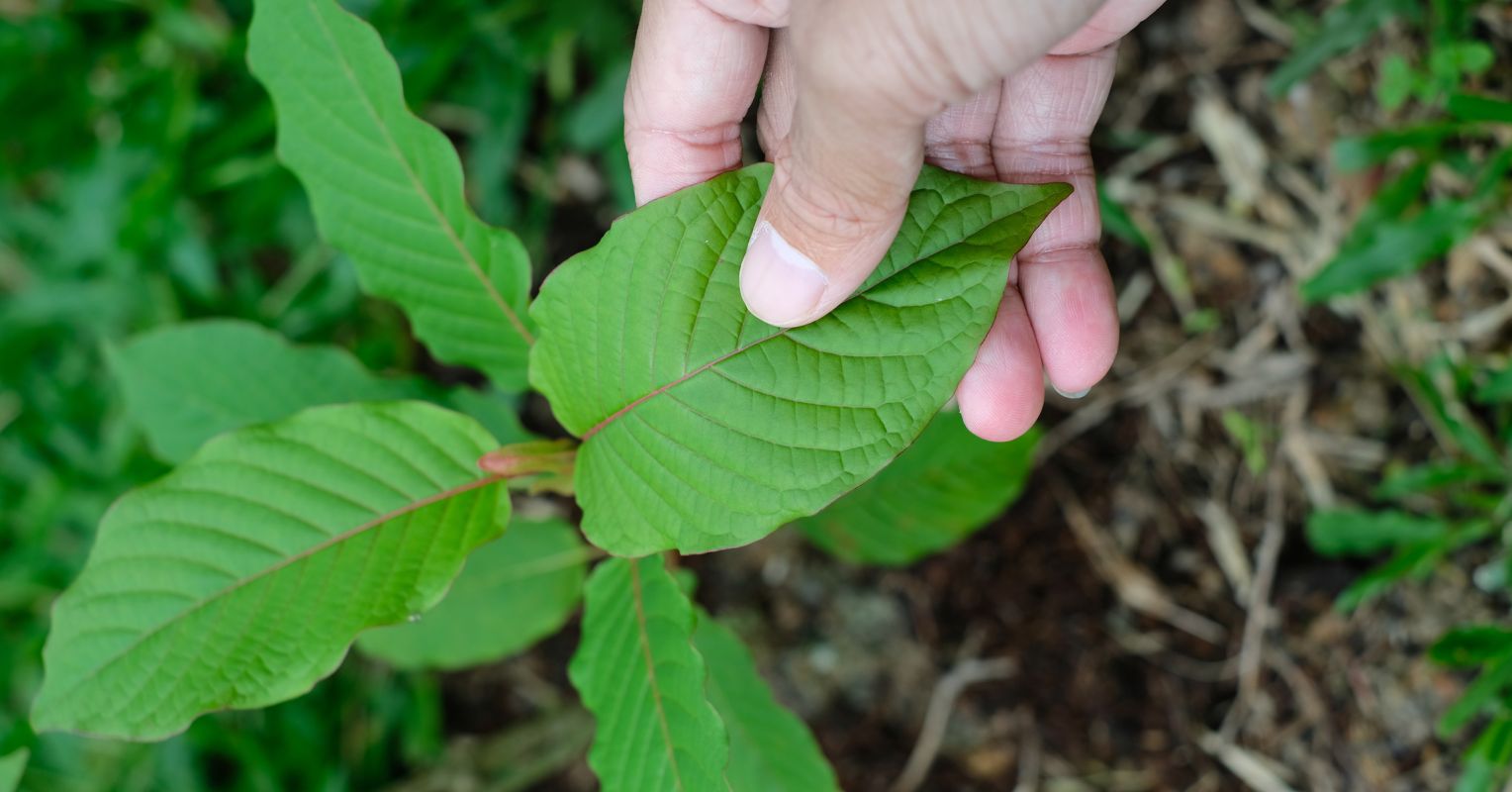
Kratom is a tropical evergreen tree in the coffee family. Its leaves contain compounds—primarily mitragynine and 7-hydroxymitragynine—that interact with opioid receptors in the brain. Because of this, the substance produces effects that can range from stimulant-like energy at lower doses to sedative-like pain relief at higher doses.
Proponents frequently market kratom as a "lifesaving natural supplement," claiming it serves as a panacea for chronic pain, anxiety, depression, PTSD, and even as a harm-reduction tool for individuals struggling with opioid or alcohol cravings. Yet, the lack of FDA oversight means that what a consumer purchases is rarely standardized. Dosage, purity, and the presence of adulterants remain massive variables that create significant risks for the end-user.
A Chronological Overview: The Rise of a Botanical Contender
The trajectory of kratom in the United States has been marked by a transition from obscurity to widespread availability, paralleled by increasing alarm from federal health authorities.
- Pre-2000s: Kratom remains largely confined to its native regions in Southeast Asia, used by indigenous populations as a tea or chewed leaf for stamina.
- 2000s–2015: As globalization and e-commerce expanded, kratom began appearing in the U.S. as an herbal supplement, often marketed as a "legal high" or an herbal alternative to controlled substances.
- 2016: The Drug Enforcement Administration (DEA) announced its intent to place kratom into Schedule I of the Controlled Substances Act, citing an imminent threat to public safety. Following intense public outcry and lobbying from user groups, the DEA withdrew its proposal, leaving the substance in a legal gray area.
- April 2022: The FDA issued a renewed, firm warning to consumers, advising against the use of kratom. The agency cited a lack of evidence regarding safety and efficacy and warned of the potential for abuse and dependence.
- June 2023: Reflecting a trend toward state-level regulation, Florida enacted the "Kratom Consumer Protection Act." This legislation specifically prohibited the sale of kratom to individuals under 21, establishing a regulatory framework that treats the substance with the caution reserved for age-restricted products.
Supporting Data: Why Consumers Turn to Kratom
The allure of kratom is deeply rooted in the current crisis of chronic pain and mental health. With over two million Americans estimated to use the substance, the motivations for usage are varied but consistent.
A study published in Frontiers in Pharmacology revealed that over 90 percent of respondents considered kratom "very effective" for managing their pain or medical conditions. For those suffering from opioid use disorder, the narrative often involves the use of kratom to manage the agonizing symptoms of withdrawal.
However, as healthcare providers, we must approach these self-reported "success stories" with clinical skepticism. While an individual may report initial relief, the path to self-medication is often paved with unintended consequences. The lack of clinical oversight means that users are effectively acting as their own pharmacists, often increasing dosages as their bodies develop a tolerance, inadvertently transitioning from therapeutic use to full-blown chemical dependence.
The Clinical Reality: Negative Side Effects and Risks
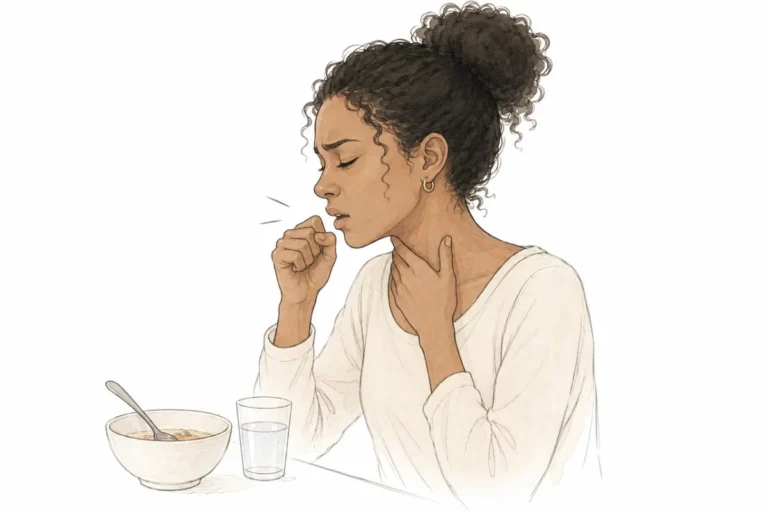
The narrative of "natural" is not synonymous with "harmless." The physiological impact of kratom is significant and, in many cases, dangerous. According to data provided by the Mayo Clinic and clinical observation, the side effects of chronic kratom use are extensive:
Physical Manifestations
- Cardiovascular strain: Users frequently report elevated heart rates, hypertension, and palpitations.
- Gastrointestinal distress: Nausea, constipation, and loss of appetite are common complaints.
- Neurological impacts: High doses have been linked to tremors, seizures, and in severe cases, psychosis.
Behavioral and Psychological Consequences
In my professional experience working at the intersection of addiction and mental health, I have seen the devastating impact of kratom misuse. Clients often start with a desire to alleviate anxiety or depression, only to find themselves ensnared in a cycle of dependence.
I have treated patients who, in their quest to manage pain or cravings, have jeopardized their financial stability, withdrawn from their families, and sacrificed their careers. The tolerance buildup is rapid; what started as a small dose for relief soon evolves into a daily necessity that dictates the user’s behavior. When the substance is withheld, withdrawal symptoms—including profound anxiety, muscle aches, insomnia, and depressive episodes—can be as debilitating as those associated with traditional opioids.
Official Responses and Regulatory Implications
The regulatory landscape remains fractured. Because the FDA has not approved kratom for any medical use, the burden of regulation has shifted to the states.
The "Kratom Consumer Protection Act" model, seen in Florida and other jurisdictions, represents a compromise. By defining kratom products and banning sales to minors, these laws attempt to mitigate the most egregious risks. However, these laws do not address the fundamental issue of product purity. Without a centralized federal body monitoring manufacturing, the consumer remains at risk of consuming batches contaminated with heavy metals, bacteria, or potent synthetic additives.
Treatment Pathways: Breaking the Cycle
Recovery from kratom dependence is entirely possible, but it requires a structured, multi-modal approach.
1. Medical Detox
While kratom withdrawal is rarely life-threatening, it is profoundly uncomfortable. Medical detox provides a safety net, using medications to manage acute withdrawal symptoms such as chills, body aches, and nausea. This allows the patient to stabilize before moving into the next phase of treatment.
2. Psychotherapeutic Engagement
Detox addresses the physical dependence, but therapy addresses the why. Through individual and group counseling, patients can explore the root causes of their reliance. Whether the trigger is unresolved trauma, chronic pain, or undiagnosed anxiety, therapy provides the tools to build healthier coping mechanisms.
3. Holistic and Supportive Modalities
Mindfulness, meditation, and stress-reduction techniques are essential in the recovery toolkit. They empower individuals to develop a heightened awareness of their triggers and a deeper compassion for their own healing process. Support groups, such as the exploratory forums being developed at centers like Mountainside, allow individuals to share their experiences, reducing the stigma and isolation that often accompany addiction to "unconventional" substances.
Conclusion: The Path Forward
The "Kratom Paradox" is a reflection of a healthcare system that is failing to address the underlying needs of its population. When individuals turn to gas-station supplements, it is often a cry for help in a system that makes traditional pain management and mental health care inaccessible or prohibitively expensive.
To move forward, we must adopt a more sophisticated, multi-faceted approach. This includes:
- Increased Research: We need rigorous, peer-reviewed studies to determine if there is a safe, clinical application for kratom derivatives.
- Informed Consent: Consumers must be educated on the risks of drug interactions, especially when combining kratom with other medications or alcohol.
- Clinical Guidance: Healthcare providers must maintain an open, non-judgmental dialogue with patients about their substance use, ensuring that those who are self-medicating are transitioned to safer, FDA-approved alternatives like buprenorphine when appropriate.
As we continue to peel back the layers of this issue, the goal remains clear: to ensure that the pursuit of wellness does not inadvertently lead to a new, silent epidemic of dependence. We must replace the current era of unchecked experimentation with a future built on evidence, regulation, and compassionate, professional care.
Jana Wu, LCSW, LADC, is the Director of Cultural Integration at Mountainside Treatment Center. She holds a master’s degree in social work from Smith College and is an expert in the fields of addiction and substance abuse counseling.