By Staff Reporter
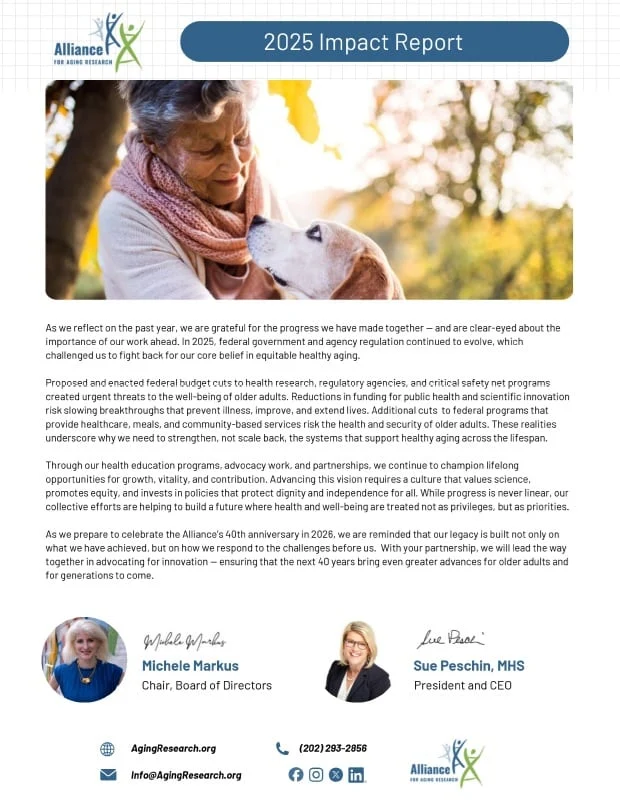
In a milestone year that marks four decades of dedicated advocacy, the Alliance for Aging Research has officially released its 2025 Impact Report. The document serves as more than a standard year-end review; it acts as a comprehensive roadmap of the organization’s efforts to shape the future of healthy aging in a rapidly shifting legislative and healthcare landscape. From high-level policy advocacy to grassroots health education, the report encapsulates the strategic initiatives that have defined the Alliance’s mission over the past twelve months.
Main Facts: A Year of Advocacy and Evolution
The 2025 Impact Report is a multimedia-rich document that provides a granular look at the Alliance’s organizational structure, including its Board of Directors and dedicated staff, while highlighting the award-winning educational campaigns that have become the hallmark of the organization.
At its core, the 2025 report serves to validate the Alliance’s influence in Washington, D.C., and beyond. As the global population continues to age, the need for research-backed policy and accessible health information has never been more critical. The report highlights how the Alliance has successfully navigated the complexities of federal regulatory changes, ensuring that the voices of older adults remain central to healthcare debates.
The interactive nature of this year’s report allows stakeholders to delve into specific areas of interest, ranging from clinical research priorities to the fight for equitable access to medical innovation. By digitizing their impact, the Alliance has made its achievements transparent, accessible, and actionable for partners, donors, and the general public.
Chronology: Navigating a Year of Regulatory Flux
To understand the weight of the 2025 report, one must examine the specific challenges the organization faced throughout the year.
Q1: Setting the Policy Agenda
The year began with an intense focus on federal budget negotiations. The Alliance worked closely with legislative committees to ensure that funding for aging-related research remained a non-negotiable priority. During this period, the organization launched several briefings for Capitol Hill staffers to clarify the economic impact of age-related diseases on the national healthcare system.
Q2: Expanding Health Education Initiatives
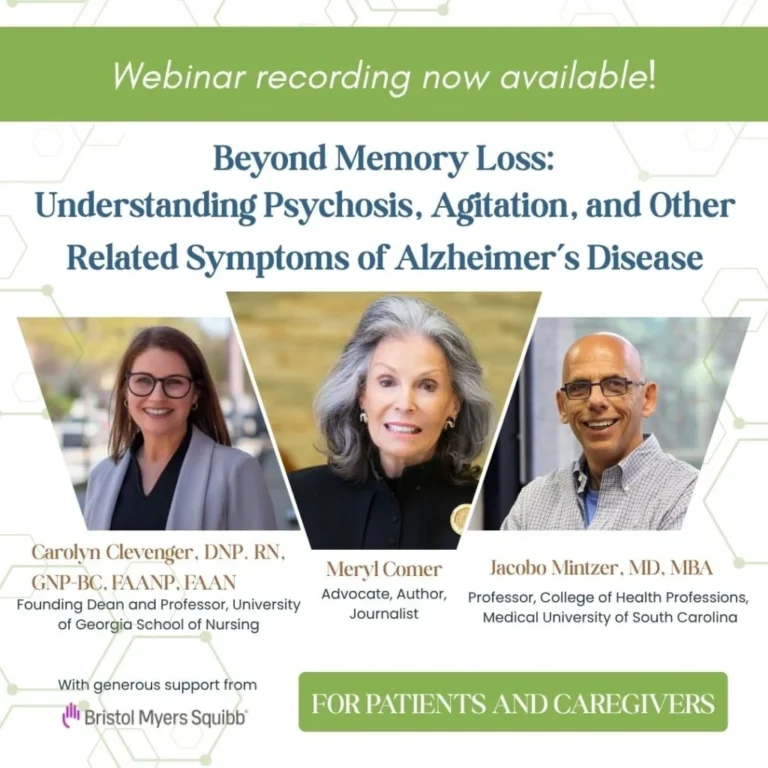
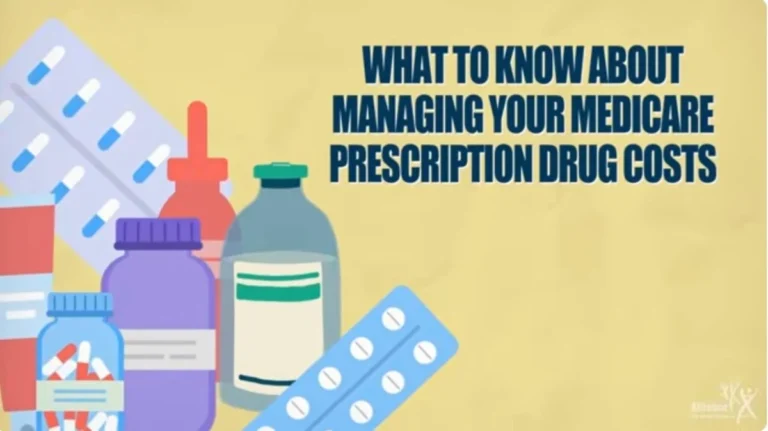
As the spring arrived, the Alliance pivoted toward consumer-facing education. Recognizing that medical literacy is a key social determinant of health, the organization unveiled new digital assets designed to help older adults and their caregivers navigate complex Medicare coverage issues and the latest therapeutic developments in neurodegenerative and cardiovascular care.
Q3: Confronting Regulatory Hurdles
Mid-year brought significant challenges in the form of shifting agency regulations. As government agencies adjusted their frameworks for drug approval and reimbursement, the Alliance found itself in a defensive yet proactive stance. The organization mobilized its coalition partners to testify against proposed changes that threatened to limit patient access to life-extending therapies.
Q4: Reflection and Anniversary Preparation
The final quarter of the year was dedicated to synthesizing the successes of the advocacy efforts and preparing for the organization’s 40th anniversary. This period involved an exhaustive review of internal metrics, leading to the compilation of the data points now presented in the 2025 Impact Report.
Supporting Data: Quantifying the Impact
The 2025 Impact Report is bolstered by extensive data sets that illustrate the scope of the Alliance’s work. While the document is too vast to summarize in a single paragraph, several key pillars stand out:
- Reach and Engagement: Through its educational webinars, fact sheets, and advocacy alerts, the Alliance reached a record-breaking number of unique visitors across its digital platforms.
- Policy Successes: The report chronicles a series of legislative wins, including the preservation of funding for the National Institute on Aging (NIA) and advocacy successes related to the implementation of the Inflation Reduction Act (IRA) to ensure patient protections remained intact.
- Coalition Building: The Alliance expanded its network of stakeholders, adding dozens of new patient advocacy organizations to its coalition, thereby increasing its collective leverage in policy negotiations.
These data points demonstrate that the Alliance does not work in a vacuum. By leveraging partnerships, they have successfully amplified the message that healthy aging is a public health necessity rather than a private burden.
Official Responses: Leadership Perspectives
In a joint statement released alongside the report, Alliance Board Chair Michele Markus and President & CEO Sue Peschin underscored the gravity of the past year’s accomplishments.
"As we reflect on the past year, we are grateful for the progress we have made together—and are clear-eyed about the importance of our work ahead," the leaders stated. They pointed specifically to the volatility of the federal regulatory environment as a primary catalyst for their work in 2025.
"In 2025, federal government and agency regulation continued to evolve, which challenged us to fight back for our core belief in equitable healthy aging," they added. Their message is clear: the Alliance views itself as a sentinel, standing between the vulnerability of the aging population and the often-impenetrable bureaucracy of federal healthcare policy.
This sentiment is echoed by Katie Riley, the Vice President of Communications at the Alliance, who emphasized the importance of transparency. By providing the report in both web-based and downloadable PDF formats, the organization is ensuring that whether a reader is a policy expert in D.C. or a family caregiver in a rural community, the information is readily available.
Implications: The Future of Healthy Aging
The release of this report carries significant implications for the next decade of aging research and advocacy. As the Alliance enters its 40th anniversary year, the document signals a shift from traditional advocacy to a more modernized, tech-enabled approach to public health.
1. The Intersection of Technology and Advocacy
The report demonstrates that the Alliance is no longer just an advocacy group; it is a content powerhouse. By creating interactive web experiences, they are reaching younger demographics—such as the "sandwich generation" of caregivers—who are increasingly turning to digital sources for medical information.
2. The Battle for Equity
A primary theme of the report is the concept of "equitable healthy aging." This implies that the Alliance is shifting its focus toward the disparities that exist in the healthcare system, particularly regarding how race, socioeconomic status, and geography impact how an individual ages. The report serves as a mandate for the organization to continue its work in highlighting and mitigating these systemic gaps.
3. A Legacy of Longevity
As the organization celebrates its 40th anniversary, the 2025 report serves as both a retrospective and a forward-looking manifesto. It sets the stage for the next phase of the Alliance’s work: transitioning from the early days of raising awareness about aging to the modern challenge of implementing systemic change that allows people to not only live longer but to live with higher quality of life.
How to Engage with the 2025 Impact Report
For those interested in exploring the work of the Alliance, the report is accessible through the organization’s Financial Reports & Funding page. Users have the option to navigate the content through an interactive web page or download the comprehensive PDF for offline reading and distribution.
The Alliance emphasizes that this report is a collective success. "All of us at the Alliance for Aging Research thank you for taking the time to explore our impact in 2025," the organization stated. "We are grateful to you and our entire community of partners, whose generous support allows us to do meaningful work for older adults and their loved ones."
As the Alliance for Aging Research moves into its fifth decade, the 2025 Impact Report stands as a testament to the fact that while the challenges of aging are daunting, they are not insurmountable when met with rigorous research, unwavering advocacy, and a community dedicated to the belief that every person deserves the opportunity to age with health and dignity.
For further updates and to support the ongoing mission, the public is encouraged to visit www.AgingResearch.org. Whether through donating, participating in advocacy campaigns, or simply sharing the vital health information provided by the Alliance, there is a role for everyone in the movement to redefine the aging experience in the 21st century.