








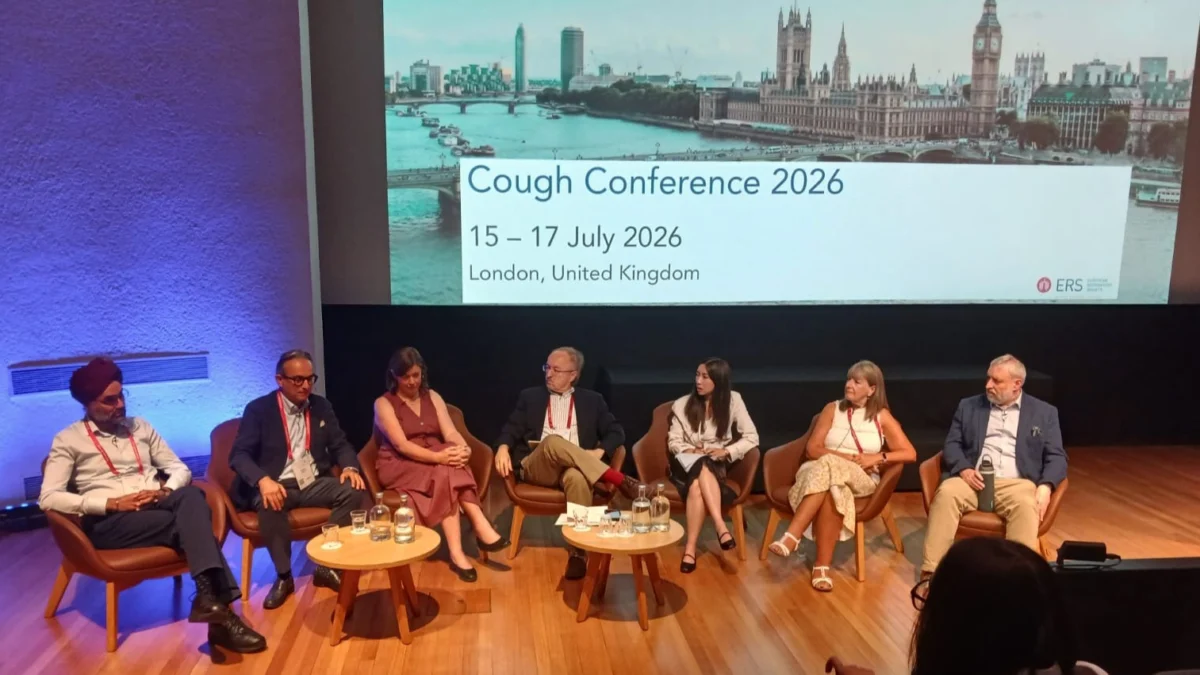
Introduction: A New Era for Chronic Cough
The upcoming European Respiratory Society (ERS) Cough Conference 2026 marks a pivotal turning point in the landscape of respiratory medicine. As the medical community converges to discuss the latest breakthroughs in diagnostics, pathophysiology, and pharmacological interventions, the event will distinguish itself by centering the lived experience of patients. Chronic cough, a condition that is frequently misunderstood, under-diagnosed, and often dismissed as a mere symptom rather than a primary clinical entity, is finally taking center stage.
By bridging the divide between high-level clinical research and the daily realities of those living with the condition, the conference aims to transform the future of care. Central to this mission are the patient representatives from the European Lung Foundation (ELF), whose inclusion signifies a paradigm shift: from "treating a case" to "caring for a person."
Main Facts: The Scope of the Crisis
Chronic cough—defined as a cough lasting longer than eight weeks—is not merely a minor annoyance. It is a persistent, debilitating condition affecting approximately 10% of the adult population globally. Despite its prevalence, patients often endure years of diagnostic uncertainty, multiple referrals, and ineffective treatments before finding relief.
The ERS Cough Conference 2026 seeks to address these systemic failures by:
- Integrating Patient Advocacy: Formalizing the role of the patient as an equal stakeholder in medical discourse.
- Refining Diagnostic Pathways: Exploring the latest in laryngeal hypersensitivity research and neuro-modulation therapies.
- Standardizing Care: Moving toward a global consensus on the management of refractory and unexplained chronic cough.
Chronology: From Isolation to Integration
The journey to the 2026 conference has been one of gradual evolution. For decades, the respiratory field viewed cough largely as a secondary reaction to underlying issues like asthma or gastroesophageal reflux. However, the rise of specialized cough clinics and the work of groups like the ELF’s Chronic Cough Patient Advisory Group (PAG) have fundamentally changed the narrative.
- Pre-2019: Chronic cough was largely managed in siloes within primary care, with limited interdisciplinary collaboration.
- 2019: The formation and expansion of the ELF Chronic Cough PAG provided a formal structure for patients to influence research agendas.
- 2023–2025: A surge in clinical trials for P2X3 antagonists and other neuro-targeted therapies highlighted the urgent need for a cohesive, patient-informed management strategy.
- 2026: The ERS Cough Conference serves as the culmination of these efforts, where the first formal, large-scale integration of patient testimonials into the scientific program will take place.
Supporting Data: The Patient Perspective
To understand the necessity of this conference, one must look at the data provided by those living with the condition. Andrew Lothian, a member of the ELF’s Chronic Cough PAG, highlights that the physical toll is only half the story.
"The impact is far-reaching, encompassing physical, emotional, and social consequences," Lothian explains. His perspective, which he will present at the conference, underscores that standard clinical data—such as cough frequency counts—fails to capture the anxiety, social isolation, and professional disruption that patients face.
Similarly, Ruth Last, a long-time advocate who has participated in multiple clinical trials, emphasizes that the journey to diagnosis is often a gauntlet of "medical terminology and failed interventions." Her participation, alongside Lothian’s, is intended to provide a "reality check" for clinicians, ensuring that the scientific advancements discussed in lecture halls remain grounded in the practical needs of patients.
Official Perspectives: The Value of Partnership
The ERS has increasingly recognized that the "patient-professional partnership" is not a decorative aspect of clinical care but a functional necessity.
Andrew Lothian: Advocating for Early Intervention
Lothian’s primary objective at the conference is to champion the earlier adoption of Speech and Language Therapy (SLT). "Some of the techniques are very straightforward for patients to incorporate into daily living," he notes. By advocating for these interventions at the primary care level, rather than waiting for a tertiary referral, he believes the medical community could significantly reduce the burden of laryngeal hypersensitivity. For Lothian, the conference is a unique opportunity to act as a bridge, translating the "lived reality" of the condition into actionable clinical insights.
Ruth Last: The Call for Disease Classification
Ruth Last brings a unique background to the table, having previously worked within the NHS. Her focus is on the formal recognition of chronic cough as a distinct disease entity. "I have high hopes for chronic cough to be designated a disease," she states. Such a classification would change the way insurance covers, research funds are allocated, and, most importantly, how patients are treated by the healthcare system. She views her 10-minute testimonial as a chance to document the "refractory" nature of her cough—the kind that resists standard treatments—and to push for more robust, personalized care strategies.
Implications: The Future of Care
The implications of the ERS Cough Conference 2026 extend far beyond the duration of the event. The goal is to move toward a model of "empathetic, patient-centered care."
The Humanization of Research
By forcing clinicians to confront the social and emotional dimensions of chronic cough, the conference aims to challenge the assumptions that often lead to "case-management" fatigue. When a patient is seen as a partner, the quality of information shared—and therefore the quality of research—improves.
Empowering the Patient Voice
The conference also highlights the importance of the European Patient Ambassador Programme (EPAP). This initiative, which trains patients to navigate the complexities of healthcare advocacy, is a model for how the medical community can empower patients to become active contributors to their own treatment plans.
Getting Involved: A Call to Action
The ERS and ELF emphasize that the patient voice must remain active long after the conference concludes. For those living with chronic cough, or those interested in respiratory health, there are clear paths to engagement:
- Join a Patient Advisory Group (PAG): These groups are the engines of patient-led advocacy. By joining, individuals contribute their unique experiences to shape future clinical projects.
- Utilize Educational Resources: The ELF provides an extensive information hub for those seeking to understand the mechanisms of their condition, from diagnosis to emerging treatments.
- Engage in Self-Learning: The EPAP programme offers free, online tools for patients and carers to develop the skills necessary to represent themselves effectively in clinical and research settings.
Conclusion: A New Foundation for Progress
The ERS Cough Conference 2026 is more than a gathering of experts; it is a collaborative space where the hierarchy between the provider and the patient is dismantled in favor of a shared goal. By listening to the experiences of individuals like Andrew Lothian and Ruth Last, the medical community is moving toward a more holistic, effective, and humane approach to managing chronic cough.
As we look toward 2026, the message is clear: scientific innovation must be matched by clinical empathy. Only by aligning clinical data with the lived reality of the patient can the medical community truly hope to solve the mystery of chronic cough and provide the relief that millions of people around the world so desperately need.
For more information on chronic cough, patient involvement opportunities, or to stay updated on the ERS Cough Conference, please visit the European Lung Foundation website.