










Published August 4, 2026
In the relentless tempo of the 21st-century workplace, the concept of "self-care" has often become just another item on an already bloated to-do list. We are caught in a paradox: the more stressed we become, the more we feel we need to exercise, yet the act of scheduling that exercise—commuting to a studio, changing into specialized gear, and carving out an hour—often adds more friction than relief. For many professionals, the attempt to "squeeze in" a yoga class between back-to-back video calls results in a secondary layer of stress, driven by the anxiety of transit times and the pressure to return to a desk before the next notification pings.
However, a shift in perspective is taking root. Health practitioners and wellness experts are increasingly advocating for "micro-dosing" movement—short, high-impact bursts of activity that meet the individual exactly where they are. This approach moves away from the rigid, hour-long studio model and toward a more flexible, integrated philosophy: yoga that fits into the gaps of a chaotic day, no gym bag required.
The Science of Micro-Breaks: Breaking the Paradox of Relaxation
The psychological toll of a "jam-packed" schedule is well-documented. When we treat relaxation as an athletic event requiring logistical planning, we trigger the body’s sympathetic nervous system—the "fight or flight" response—rather than the parasympathetic "rest and digest" state.
Recent data suggests that the brain benefits significantly more from frequent, brief transitions than from infrequent, long-duration bouts of exercise. By integrating 10-minute yoga sessions into the workday, employees can reset their nervous systems without the overhead of logistical anxiety. This is not about achieving the perfect pose or mastering complex inversions; it is about reclaiming the agency to regulate one’s internal state during the workday.
A Chronology of the Modern Yoga Shift
The evolution of yoga from a communal studio practice to a modular, "on-demand" habit has been accelerated by the hybrid work model.
- 2020–2022: The "Great Pivot" forced wellness practitioners to digitize their offerings, normalizing the home-practice environment.
- 2023–2025: Research into "Micro-Movement" began to suggest that even five to ten minutes of focused stretching could mitigate the physiological effects of sedentary office work, such as "tech neck," lumbar compression, and peripheral nerve tension.
- 2026: We are currently seeing the normalization of the "10-minute reset." It is no longer considered a "lesser" practice; it is viewed as a strategic, time-efficient tool for cognitive maintenance.
The 10-Minute Protocol: A Structured Approach
To facilitate this shift, wellness experts have developed a sequence designed to be performed in work clothes, requiring no props and minimal space. The focus here is on spinal mobility, hip opening, and lymphatic stimulation.
Phase 1: The Reset (Minutes 0–2)
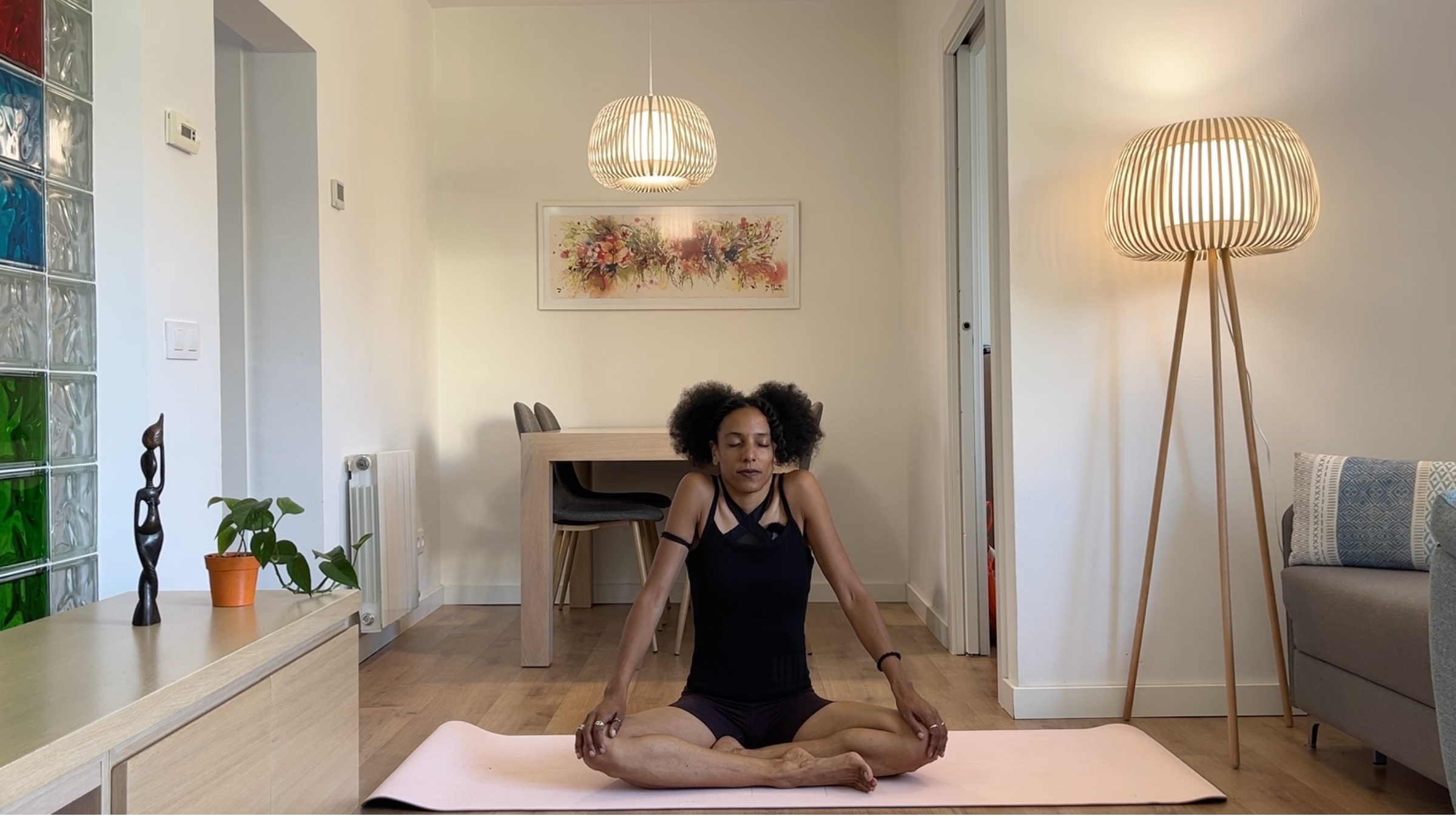
- Warm Up: Begin by sitting in a comfortable, upright position. Inhale deeply, shrugging your shoulders up toward your ears to identify tension, then exhale forcefully, dropping them back and down. Repeat this four times. This signals to the body that the transition from "work mode" to "body mode" has begun.
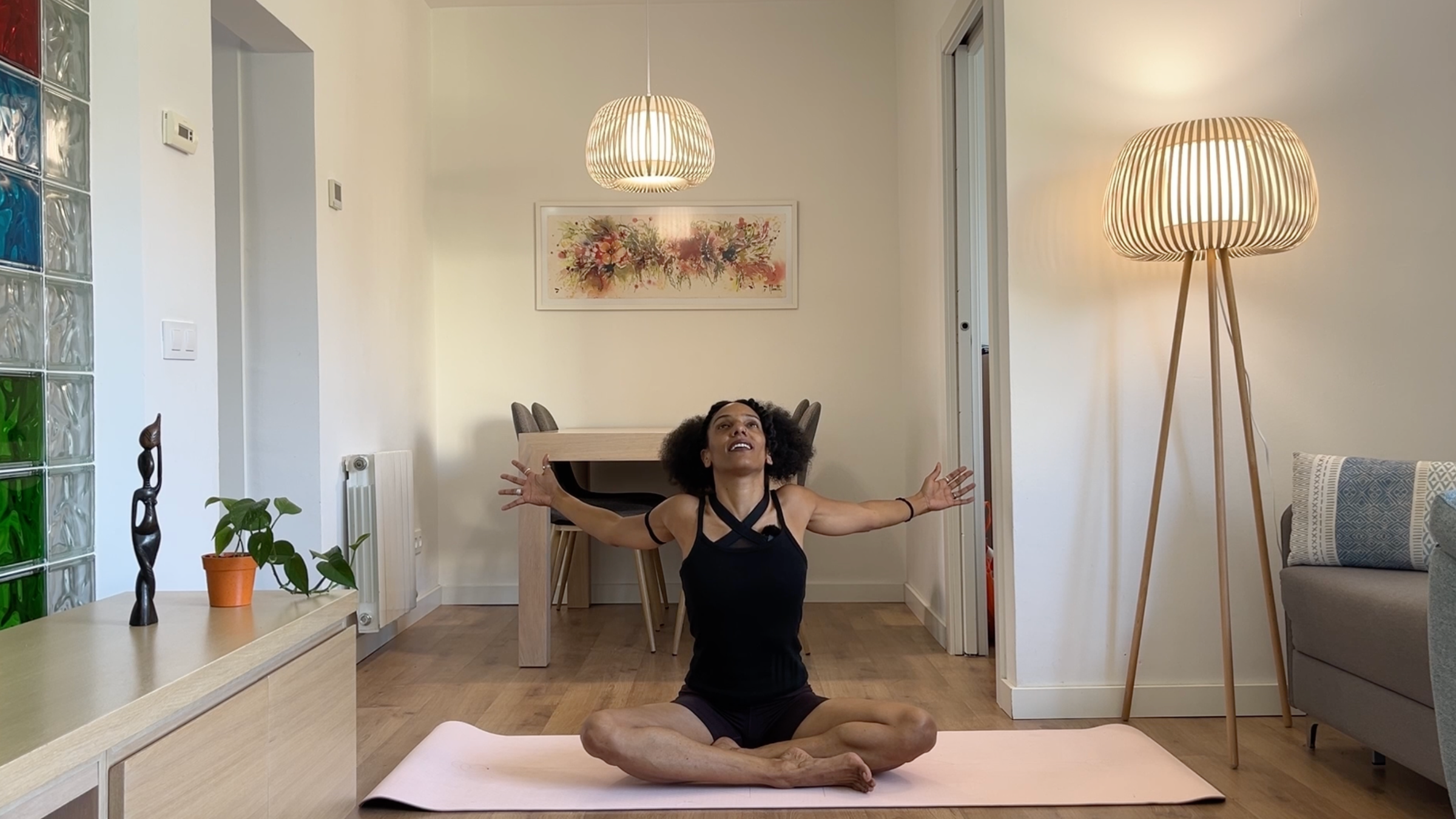
- Seated Chest Stretch: Open your arms wide, arching the spine to counter the "hunched" posture of desk work. Exhale and round the back, pulling the chin to the chest and hugging yourself. This provides a tactile sense of security and physical release.
Phase 2: Structural Integration (Minutes 3–6)
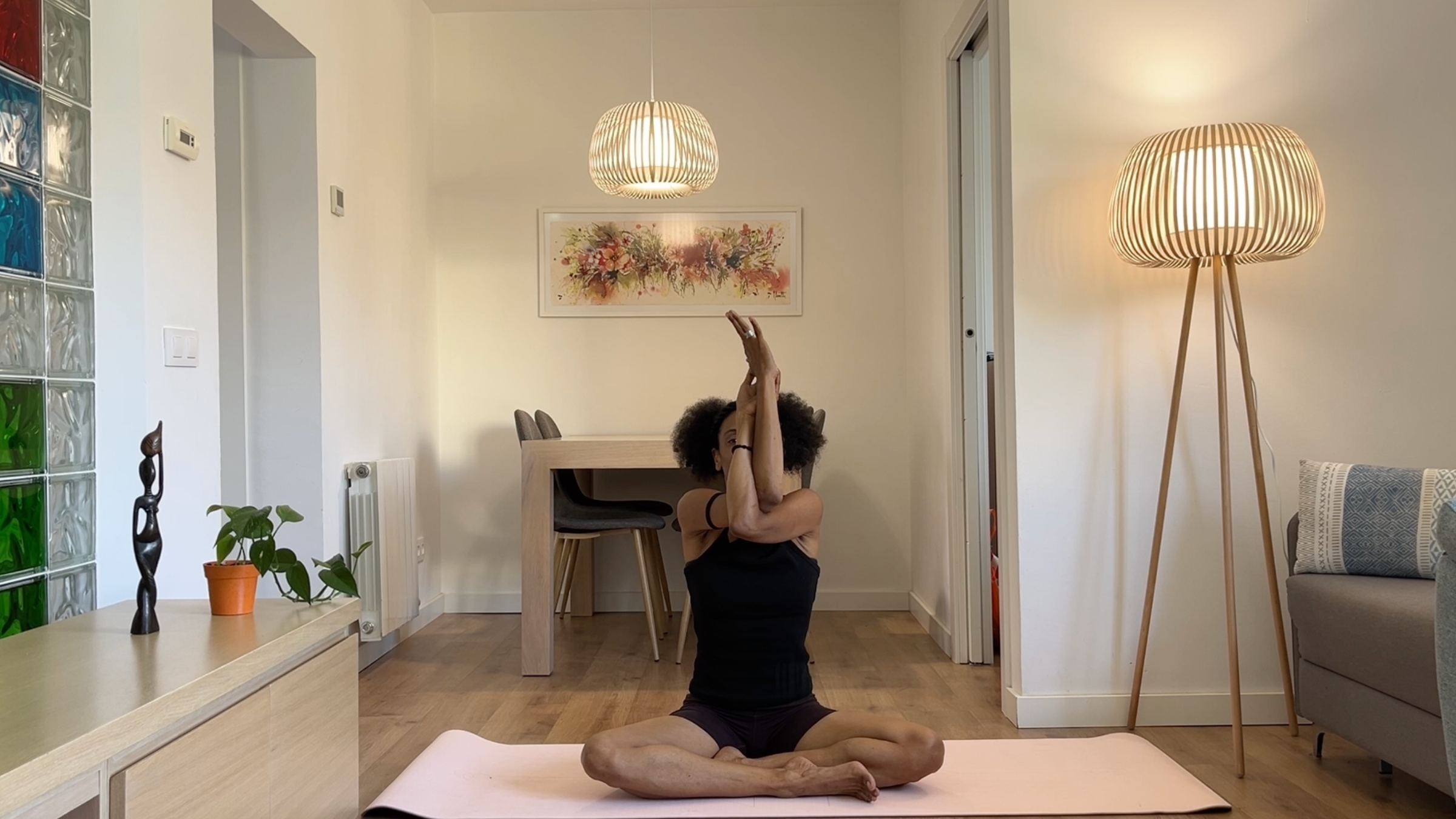
- Eagle Arms: From your self-hug, transition into Eagle arms by crossing one elbow over the other, pressing the backs of the forearms together. This targets the rhomboids and the space between the shoulder blades, where stress often manifests physically.
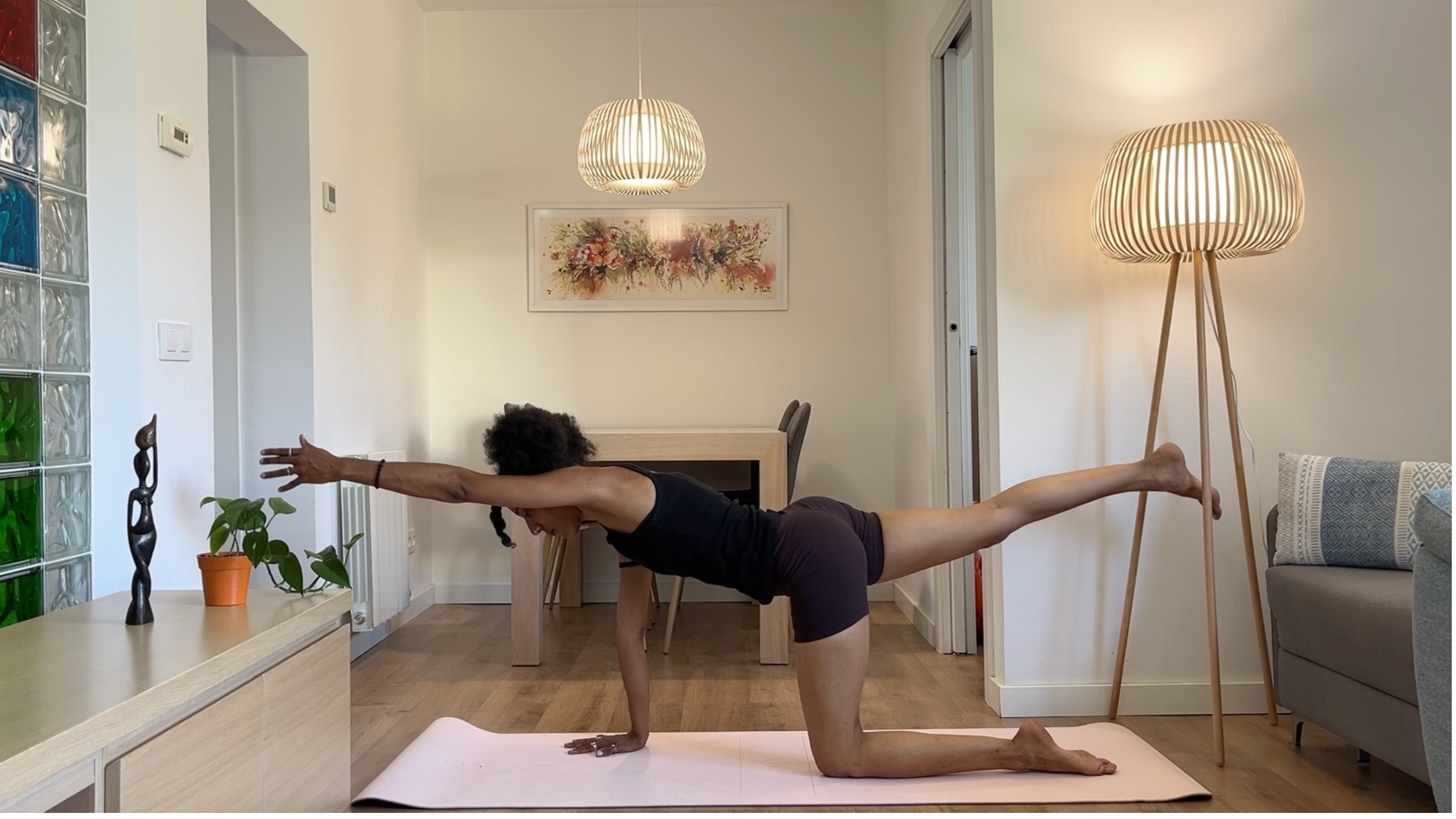
- Bird Dog Variation: Moving to a hands-and-knees position on the floor, extend one leg behind you. This engages the core and stabilizes the pelvis, reversing the stagnation caused by long periods of sitting.
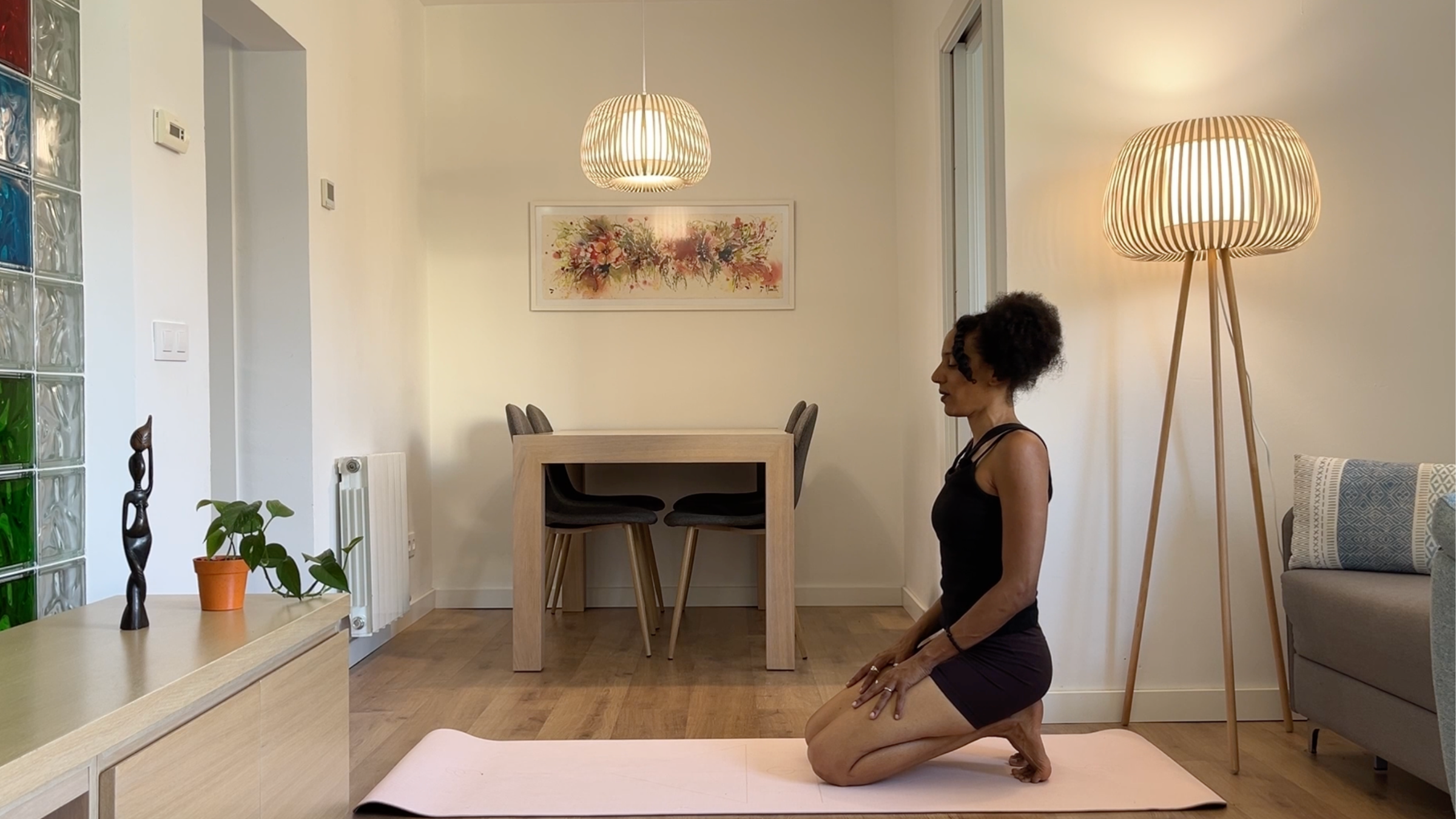
- Toe Squat: This is perhaps the most vital component for those in sedentary roles. By tucking the toes and sitting back on the heels, you stretch the plantar fascia—the connective tissue that tightens when we are immobile.
Phase 3: The Flow (Minutes 7–10)
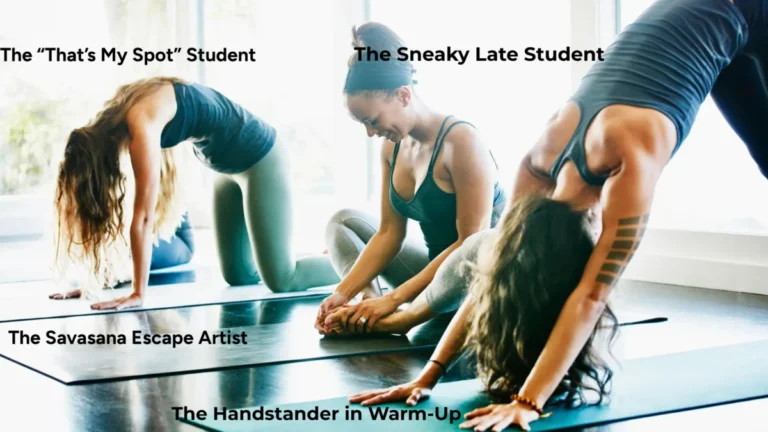
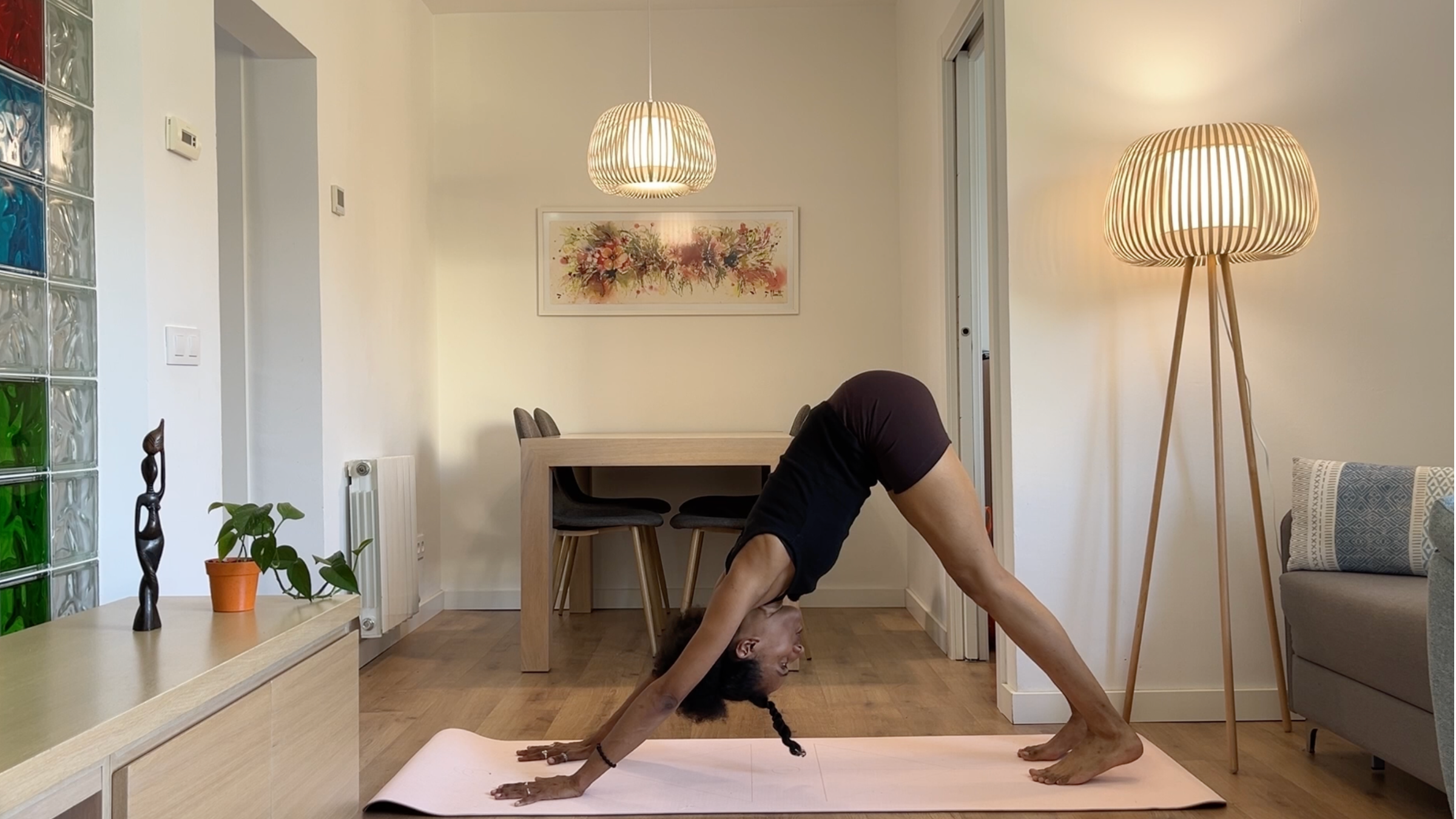
- Downward-Facing Dog: An inversion that encourages blood flow to the head, helping to clear "brain fog."
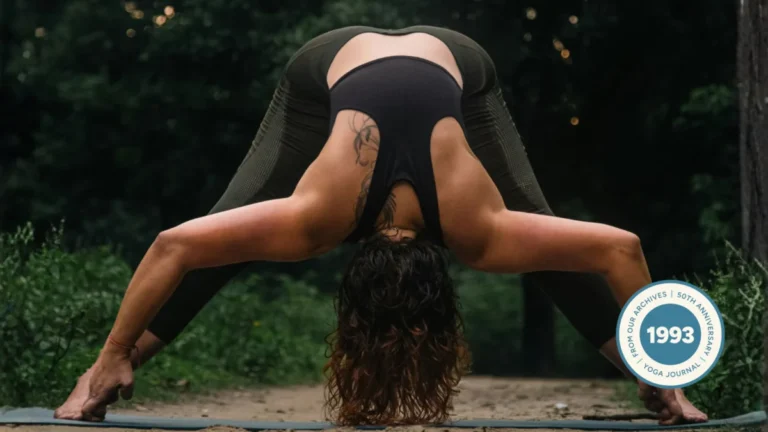
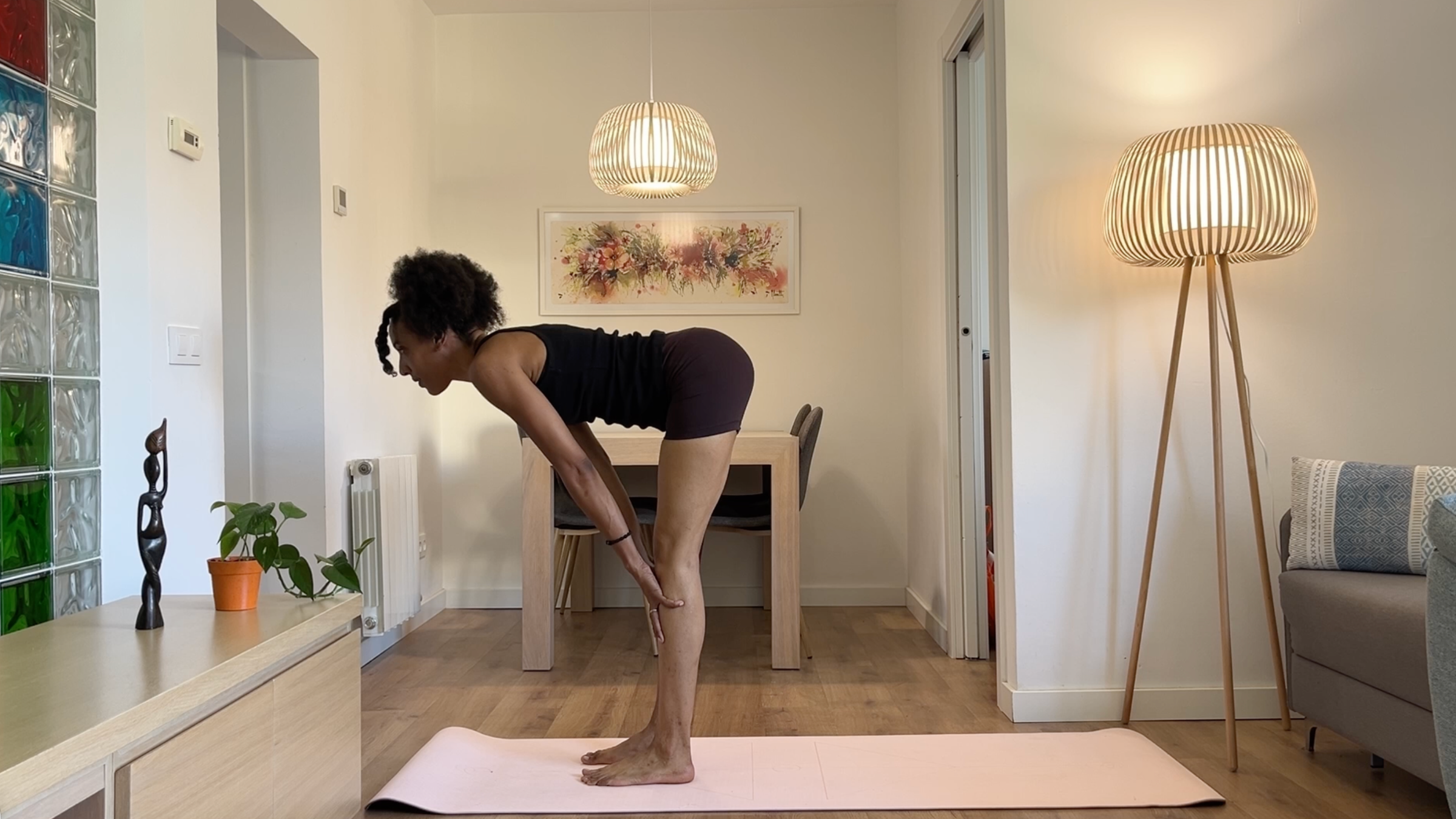
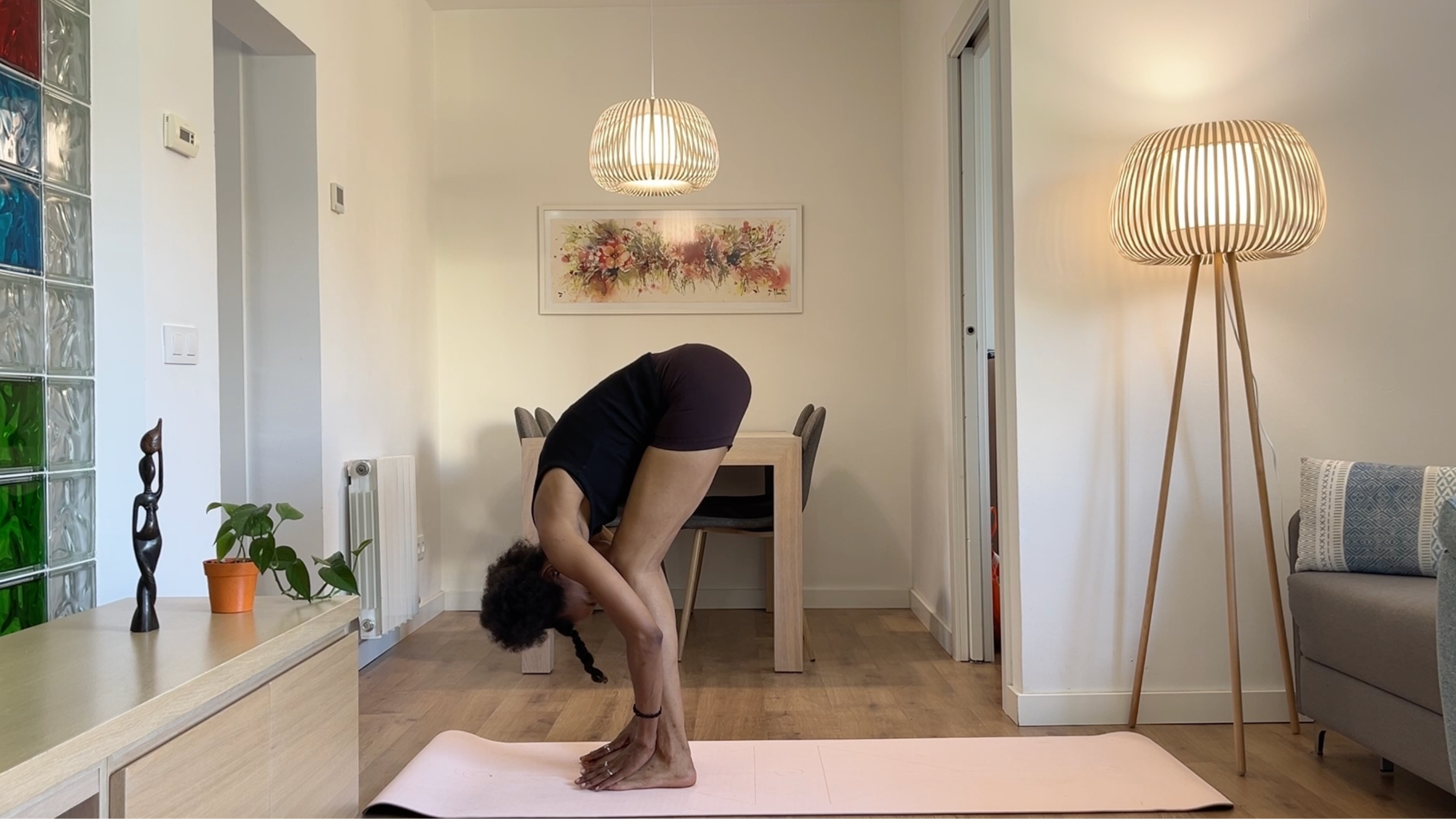
- Standing Sequences: Transition through a Standing Half Forward Bend to lengthen the spine, followed by a full Forward Bend to release the hamstrings.
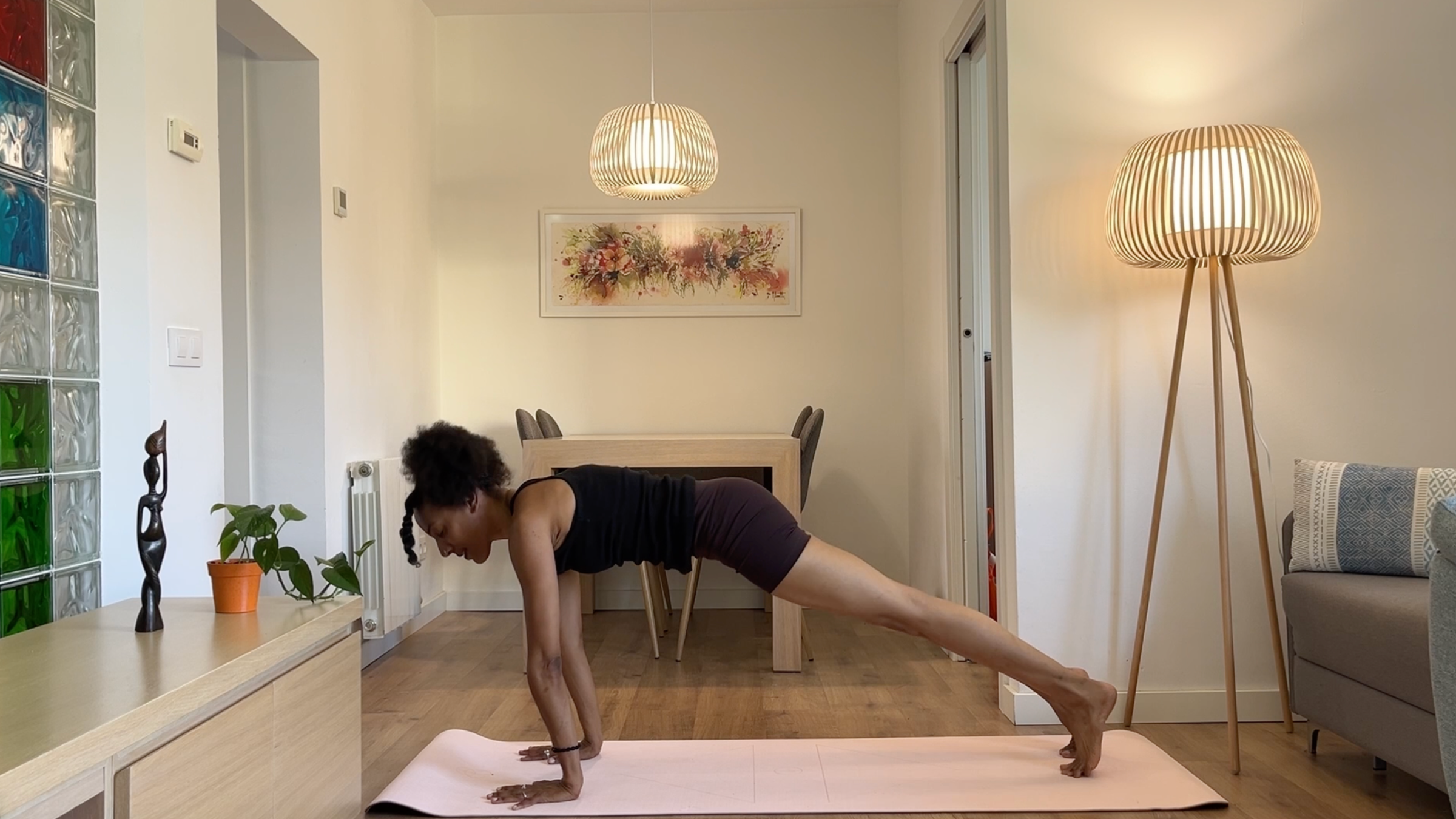
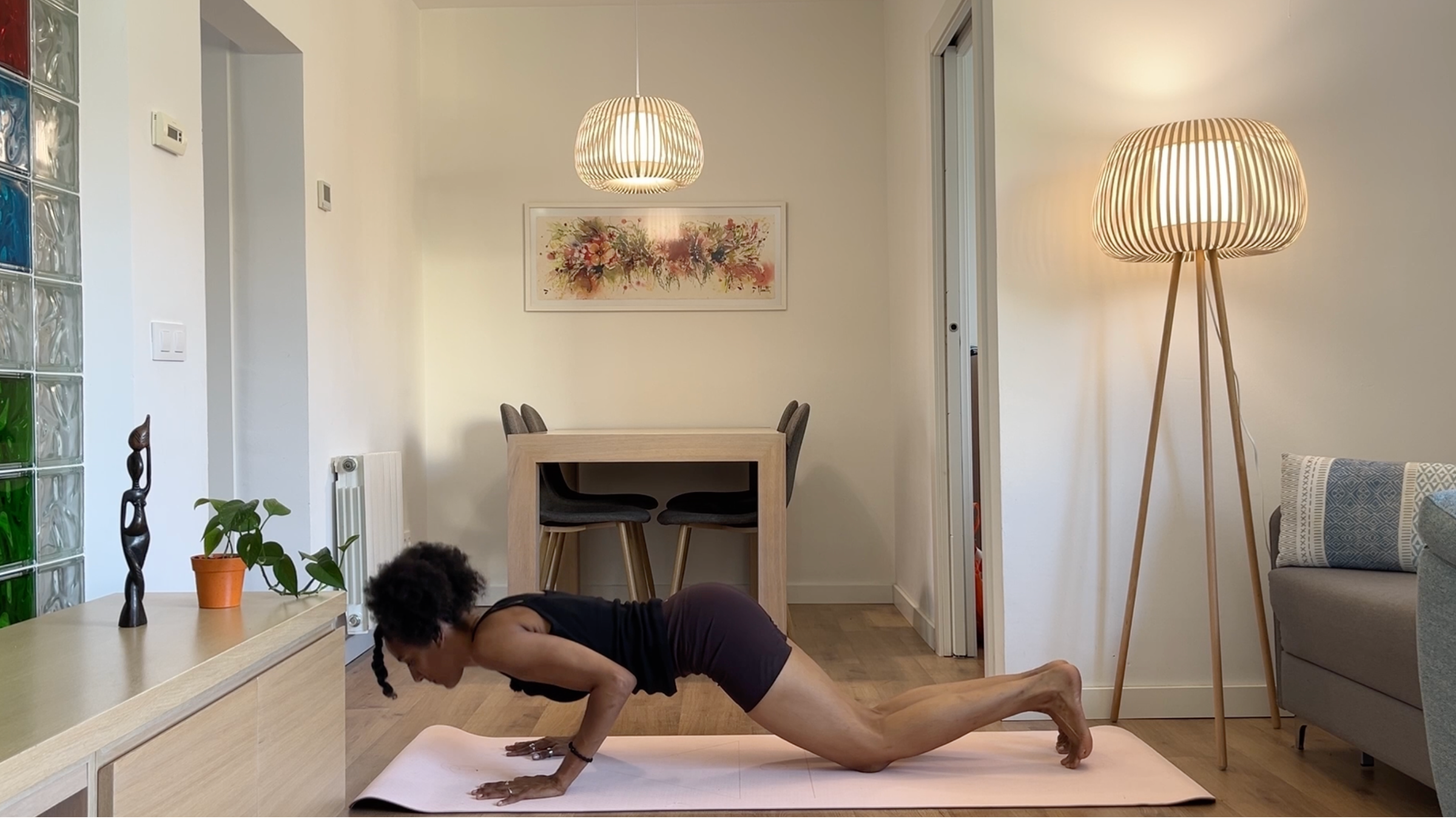
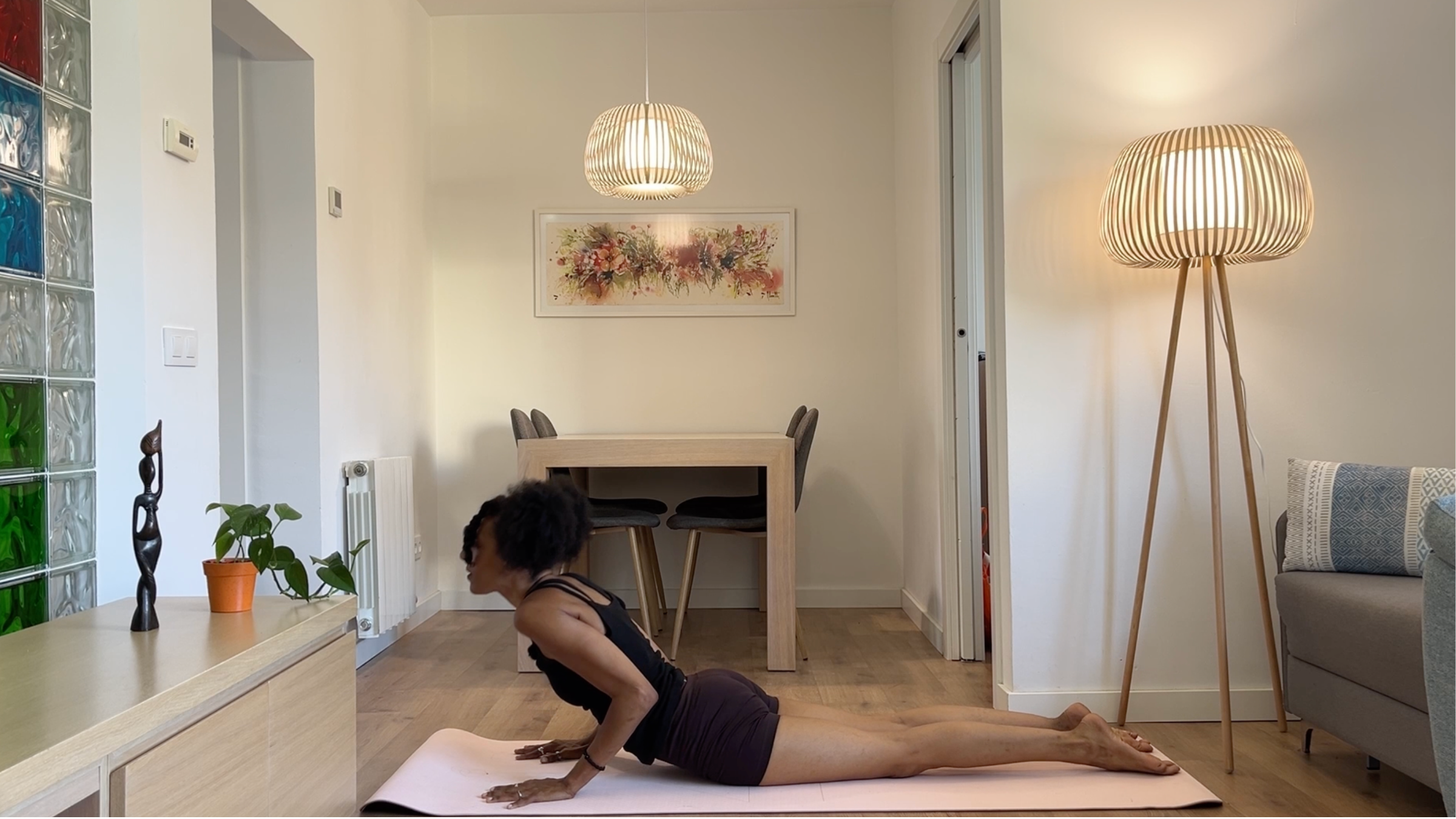
- Plank to Cobra: A brief, dynamic flow that activates the core and opens the thoracic cavity.
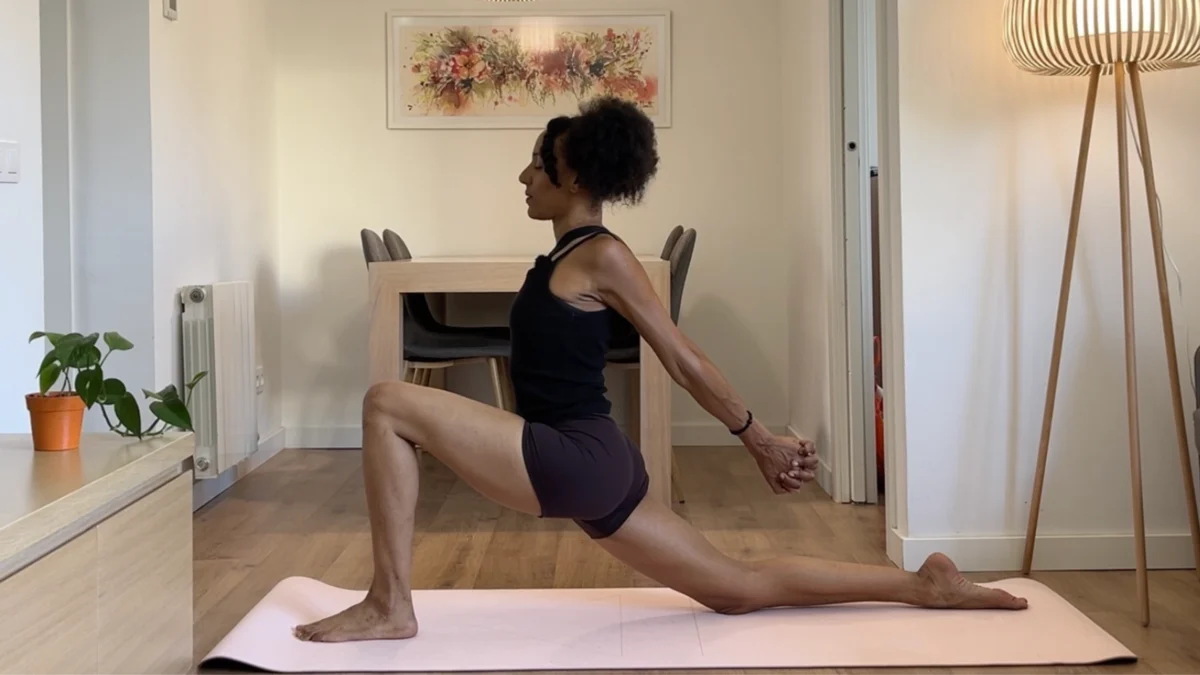
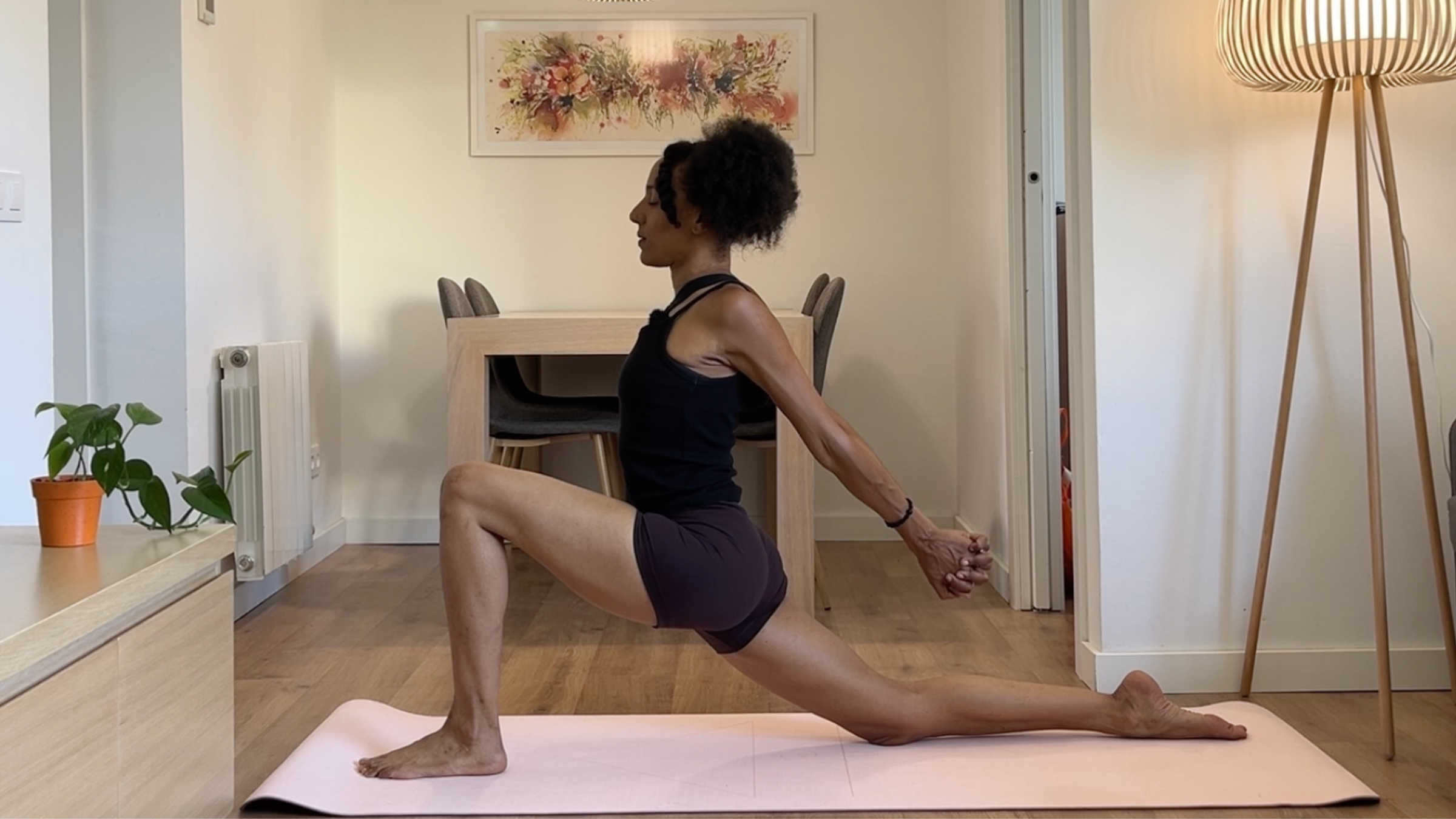
- Low Lunge: Focus on the psoas, the hip flexor that becomes chronically shortened during extended periods of sitting at a desk.
- Child’s Pose & Seated Twist: Conclude with these grounding poses to stabilize the heart rate before returning to professional tasks.
Supporting Data: The Impact of Brief Movement
The efficacy of this 10-minute approach is supported by emerging data on corporate productivity. Studies show that employees who engage in short, scheduled bouts of movement report a 22% higher subjective feeling of "mental clarity" compared to those who take traditional, sedentary coffee breaks.
Furthermore, musculoskeletal health data indicates that 80% of back-pain-related absenteeism can be reduced through consistent, low-intensity spinal mobilization. When practiced in 10-minute increments, these stretches prevent the "cumulative trauma" of sitting for eight hours straight. The goal is not a workout; it is a recalibration.
Official Responses and Industry Trends
Corporate wellness consultants have begun to pivot their strategies. Where large-scale gym stipends were once the standard, companies are now investing in "Micro-Wellness" training for their staff.
"The feedback is clear," says Dr. Elena Vance, a consultant for global HR firms. "Employees don’t want another meeting or a lunch-and-learn seminar. They want the permission to step away from the screen for 10 minutes to move their bodies. Companies that normalize this behavior see higher retention rates and significantly lower reported levels of burnout."
The shift is mirrored in the design of modern offices, which increasingly feature "quiet zones" or "wellness pods"—dedicated spaces where an employee can unroll a mat for 10 minutes without social stigma.
Implications for the Future of Work
The implications of this movement extend far beyond physical health. By integrating yoga into the workday, we are fundamentally changing our relationship with productivity. We are moving away from a model of "output at all costs" toward one of "sustainable performance."
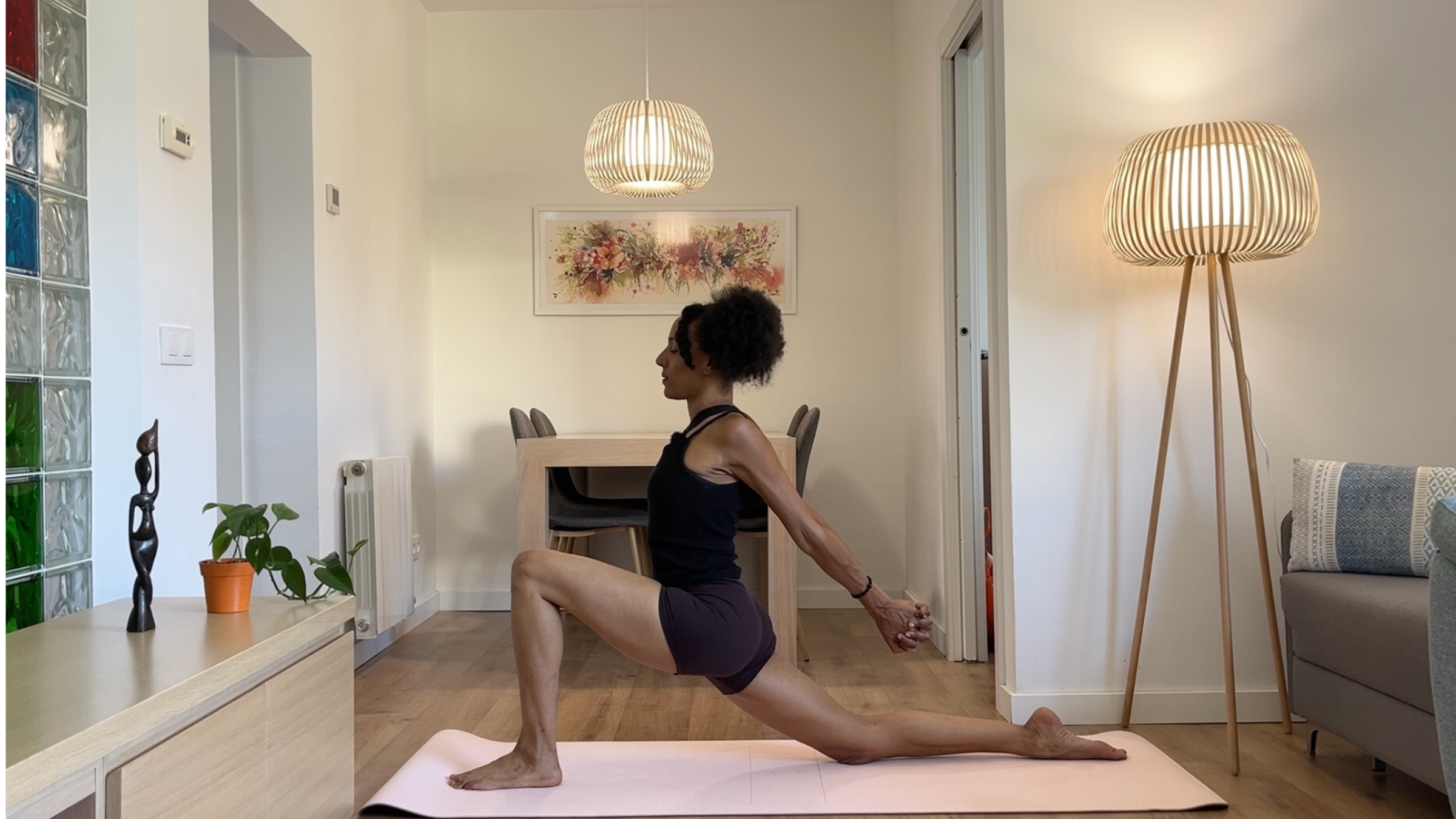
When you make time for yourself, you are not losing 10 minutes of productivity; you are investing in the quality of the work that follows. This practice acts as a bridge between the physical self and the professional self, ensuring that the person sitting at the desk is not just a brain attached to a keyboard, but a human being whose physical well-being is prioritized.
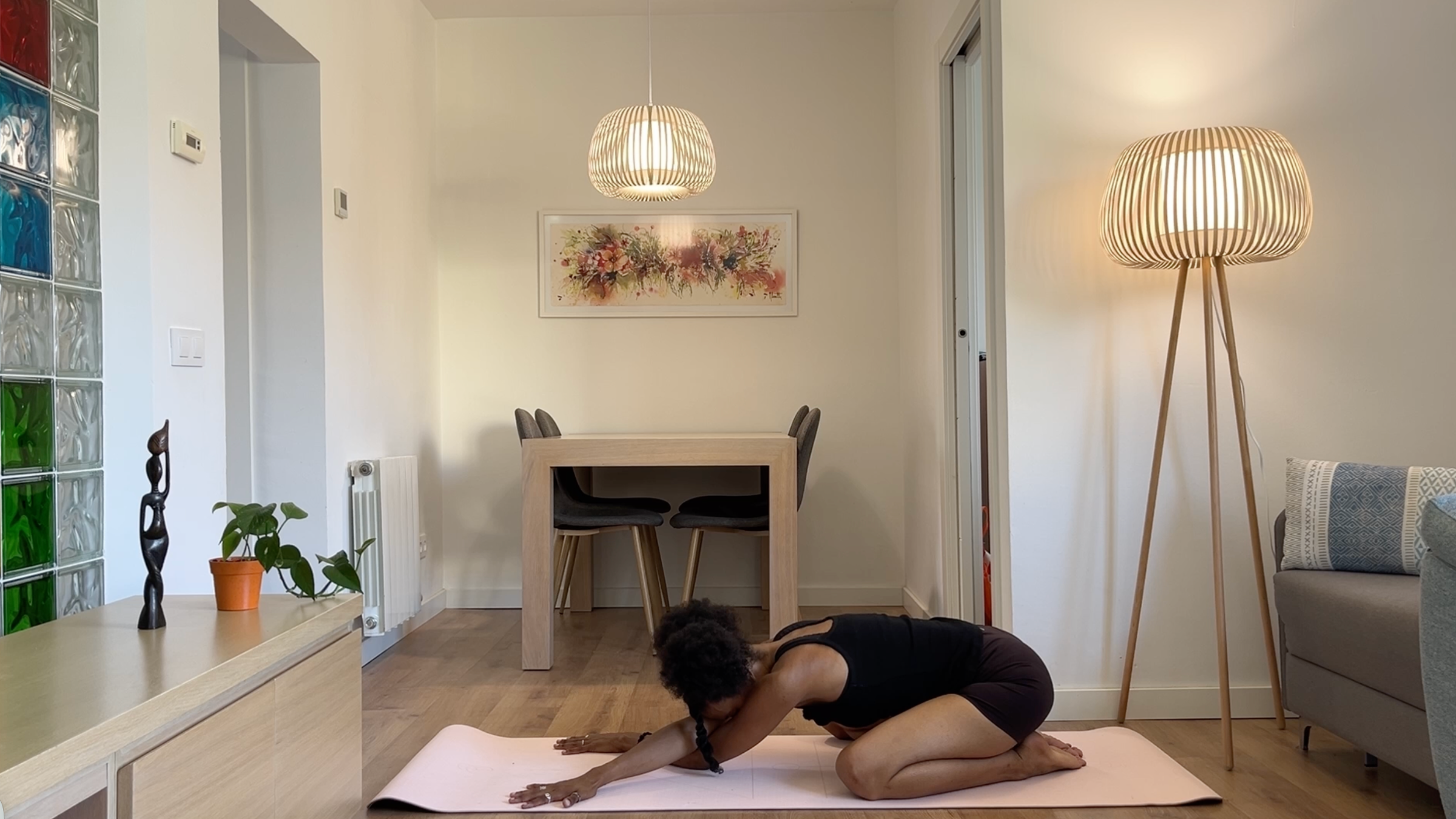
Ultimately, the beauty of the 10-minute yoga stretch is its humility. It does not ask you to be a yogi; it asks you to be human. It invites you to acknowledge that your body is not a machine, but a dynamic, living system that requires periodic attention to function at its best. In a world that is constantly demanding more, taking these 10 minutes is a radical act of self-preservation. It is a reminder that you are not just a worker—you are a person, and your comfort is not an indulgence, but a prerequisite for a sustainable life.