










By Jonathan Gardner
Published August 5, 2026
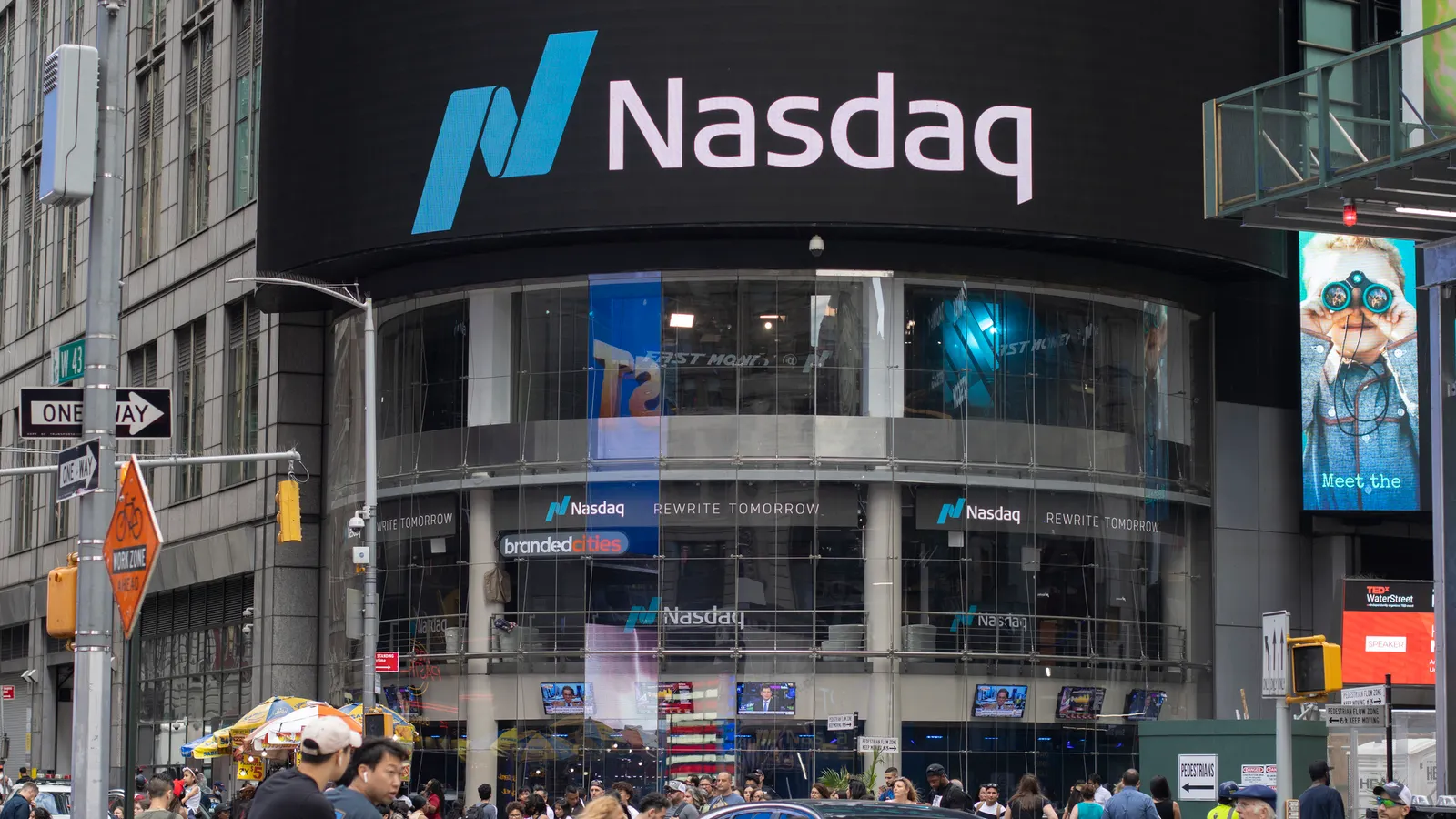
The biotechnology sector has officially signaled a robust return to form. On Wednesday, Attovia Therapeutics, a clinical-stage startup specializing in next-generation antibody-drug technology, successfully debuted on the Nasdaq exchange. The company’s initial public offering (IPO) raised a significant $289 million, underscoring a reinvigorated appetite among institutional investors for high-potential, innovative drug developers.
Attovia’s entry into the public markets marks the 16th biotech IPO of 2026, a year defined by a palpable shift in sentiment compared to the stagnation observed in 2025. With this raise, Attovia joins an elite cohort of 12 drugmakers this year to secure at least $250 million in capital—a milestone that echoes the hyper-active financing levels seen during the industry’s pandemic-era peak.
Main Facts: The Anatomy of the Deal
Attovia Therapeutics’ IPO was characterized by strong demand. The company ultimately sold 17 million shares at a price point of $17 per share. This upsized offering allowed the startup to exceed its initial fundraising targets by approximately 45%, resulting in a total valuation of $767 million.
The company, which trades under the ticker symbol "ATTO," is positioning itself as a leader in the "Attobody" technology space. This proprietary platform, originally spun out of Alamar Biosciences in 2023, is designed to engineer highly potent antibody fragments capable of binding to challenging biological targets that traditional monoclonal antibodies often struggle to engage. By focusing on skin disorders and inflammatory conditions, Attovia is targeting a massive, high-unmet-need market.

Chronology: From Spinout to Public Entity
The trajectory of Attovia Therapeutics reflects the typical "fast-track" ambition of modern, well-funded biotech startups.
- 2023: Attovia launches as an independent spinout from Alamar Biosciences. Backed by venture heavyweights, the company secures significant initial funding to commercialize the "Attobody" platform.
- 2023–2025: The company operates in stealth and growth phases, raising approximately $256 million in private venture capital. During this period, it successfully transitions from bench-side discovery to preclinical development, building a robust pipeline of five candidates.
- Early 2026: Attovia initiates Phase 1 clinical testing for its lead asset, ATTO-1310, marking its official entry into human clinical trials.
- August 5, 2026: Attovia prices its upsized IPO, signaling investor confidence in its platform and clinical progress.
- August 6, 2026: Shares begin trading on the Nasdaq, marking the beginning of the company’s life as a public entity.
Supporting Data: An Industry Rebound
The success of the Attovia IPO is not an isolated incident; rather, it is the latest evidence of a broader sectoral recovery. According to BioPharma Dive data, the industry has already surpassed the total number of IPOs recorded in the entirety of 2025, which saw only 11 public offerings.
The current climate is characterized by "quality over quantity," yet the scale of capital being deployed is striking. With 12 companies having raised $250 million or more this year, the "IPO window"—a term often used to describe the period during which market conditions are favorable for new listings—appears to be wide open. Market analysts suggest that as many as four additional drugmakers could price their own offerings within the next 48 hours, potentially setting the stage for one of the most prolific quarters in recent biotech history.
The Science: Attovia’s Pipeline and the "Itch Cytokine"
At the heart of Attovia’s investment thesis is its lead candidate, ATTO-1310. The drug is a highly targeted therapy aimed at IL-31, a cytokine often referred to in clinical circles as the "itch cytokine."
Addressing Chronic Pruritus
ATTO-1310 is currently undergoing Phase 1 testing with a focus on chronic pruritus (persistent itching) and "high-itch" eczema. By inhibiting IL-31, Attovia hopes to provide relief to patients who suffer from conditions that significantly degrade quality of life. The company’s regulatory filings indicate a strategic interest in expanding this treatment to address itching associated with chronic kidney and liver diseases, effectively positioning the drug as a "pan-pruritic" solution.

Beyond the Itch: The Multi-Target Approach
Attovia’s pipeline goes beyond monotherapies. The company is developing:
- ATTO-2306: A dual-targeting agent that addresses both IL-31 and IL-13. This candidate is currently in late-preclinical stages and is being evaluated for potential use in severe inflammatory skin conditions like chronic spontaneous urticaria.
- ATTO-1091: A triple-acting drug designed for inflammatory bowel disease (IBD). This asset is particularly significant as it targets TL1A, a protein currently the subject of intense M&A interest. Major players, including Merck & Co., Roche, and the partnership between Sanofi and Teva, have all made strategic moves to secure or develop assets targeting the TL1A pathway.
Implications for the Biotech Landscape
The successful pricing of the Attovia IPO carries several implications for the pharmaceutical industry at large.
1. The Validation of "Next-Gen" Antibody Tech
For years, the industry has relied on conventional monoclonal antibodies. Attovia’s ability to draw nearly $300 million from the public market validates the "Attobody" platform. Investors are signaling that they are willing to fund smaller, more specialized proteins that offer superior tissue penetration and higher binding affinity compared to their predecessors.
2. A Shift in M&A Strategy
The inclusion of TL1A-targeting assets in Attovia’s portfolio places them squarely in the crosshairs of Big Pharma. As major companies like Sanofi and Merck look to fill their pipelines, the existence of agile, specialized startups like Attovia provides a steady stream of acquisition targets. Investors are betting that if Attovia’s clinical data holds, the company could become an attractive M&A candidate.
3. Investor Sentiment and Risk Appetite
The "pandemic peak" of 2020–2021 was characterized by a massive influx of retail and institutional capital, some of which was allocated to companies with minimal clinical data. The current market is different. Investors are being more discerning, focusing on companies that have already cleared early-stage hurdles—like Attovia, which has already commenced human trials. This "disciplined exuberance" suggests a healthier, more sustainable growth trajectory for the sector.

4. The "Window" Remains Open
With four more companies expected to price their IPOs in the immediate future, the momentum is unlikely to stall this week. However, the pressure is now on these companies to demonstrate clinical efficacy. As Attovia moves into the next phase of its life as a public company, the eyes of Wall Street will be firmly fixed on their Phase 1 data readouts.
Conclusion
Attovia Therapeutics has successfully navigated the transition from a private, venture-backed entity to a public company with the resources to advance its ambitious pipeline. By securing $289 million, the company has not only fortified its own research capabilities but has also provided a bellwether for the health of the biotech IPO market.
As the industry moves into the second half of 2026, the success of "ATTO" and its peers suggests that, despite the macroeconomic uncertainties that characterized the recent past, the appetite for transformative medical innovation remains as strong as ever. For patients suffering from debilitating skin and inflammatory conditions, the influx of capital into companies like Attovia represents more than just a financial milestone—it represents the potential for new, more effective therapies to reach the bedside.