









"I want to know I’m doing absolutely everything I can to preserve my health for as long as possible."
This sentiment is the driving force behind a modern wellness revolution. We live in an era where the dream of extending the "healthspan"—the number of years lived in good health—has moved from the fringes of science fiction to the mainstream. Today, millions aspire not just to survive, but to thrive well into their 90s and beyond, fending off disease and maintaining the vitality of a much younger person.

Yet, there is a mounting problem: The modern prescription for longevity has become synonymous with an extraordinary amount of effort, time, financial investment, and crushing complexity. From the rise of biohacking figureheads to the endless stream of "optimized" protocols on social media, the message has become clear: If you aren’t tracking every biomarker and taking a dozen supplements, you aren’t doing enough.
But is this obsession with optimization actually serving us? Or has the pursuit of the "perfect" health plan created a barrier to the very longevity we seek?

The Myth of Optimization: When "Better" Becomes the Enemy of "Good"
The health and longevity landscape is dominated by influencers, podcasters, and biohackers who promote rigorous, highly specific protocols. While their intentions may be noble, the reality for the average person—who has a job, a family, and a life outside of a gym—is that "optimal" is rarely realistic.
More importantly, it isn’t necessary.

The most dangerous myth circulating today is that the "basics" are no longer enough. There is a pervasive belief that unless you are engaging in cutting-edge, high-cost interventions like specialized infusions or extreme biohacking, you are falling behind. In truth, the fundamental pillars of health—regular exercise, a nutrient-rich diet, adequate sleep, stress management, and social connection—remain the most potent tools we have.
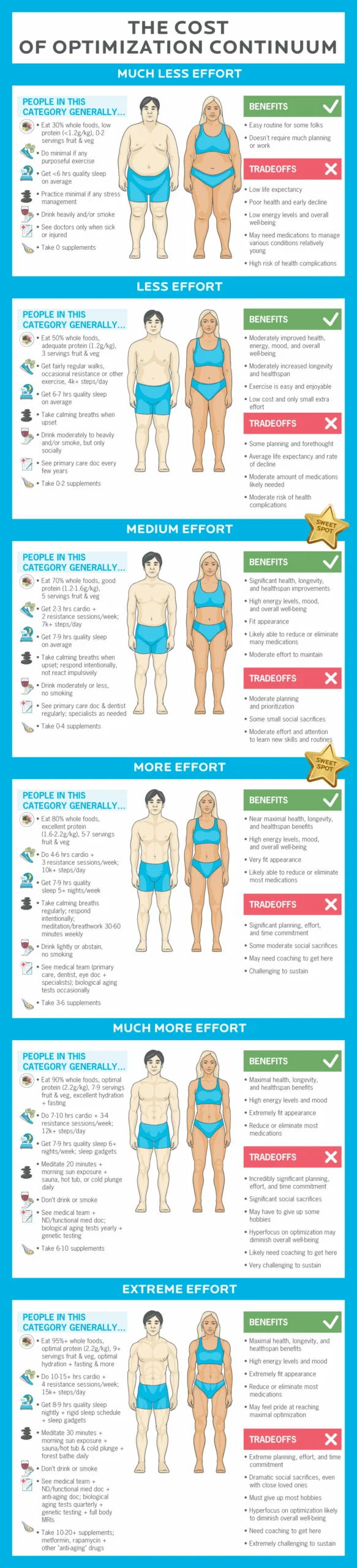
Data consistently shows that when individuals practice these foundational habits with 80 to 90 percent consistency, they achieve results that mirror those of the "optimizers." The law of diminishing returns applies to health: while a little effort yields massive rewards, the jump from "very healthy" to "optimally biohacked" requires a disproportionate increase in effort for minimal, often theoretical, gain.

A Chronology of the Wellness Shift
To understand how we arrived at this point, we must look at the evolution of health messaging:
- The Era of Public Health (1950s–1990s): Advice was broad and accessible: "Eat your vegetables," "don’t smoke," and "move your body." These campaigns were aimed at reducing clear, widespread risks.
- The Rise of Fitness Culture (1990s–2010s): The focus shifted toward body composition and aesthetics. Gym culture became the standard, and the "fit" look became the ultimate marker of health.
- The Optimization Age (2015–Present): With the advent of wearable technology (trackers for heart rate, glucose, and sleep) and the rise of high-profile "longevity experts," the focus shifted from simple habits to data-driven, granular control. Health became a project to be engineered rather than a lifestyle to be lived.
The Foundation: What Truly Moves the Needle
If you want to reduce your risk of chronic disease and extend your life, the evidence points to a surprisingly simple, albeit challenging, set of behaviors.

1. Exercise: The U-Shaped Curve
Movement is the closest thing we have to a "fountain of youth." Studies of Harvard alumni and large-scale meta-analyses confirm that any physical activity reduces the risk of death from all causes. However, the benefits exist on a U-shaped curve.
While sedentary behavior is a primary driver of disease, "overdosing" on exercise can also be counterproductive. The "sweet spot" for most people involves 150 to 300 minutes of moderate-intensity aerobic activity per week, paired with at least three resistance training sessions. Resistance training is particularly critical for aging populations, as it preserves bone density and muscle mass—the two greatest predictors of mobility and independence in later years.

2. Nutrition: The Power of Minimally Processed Foods
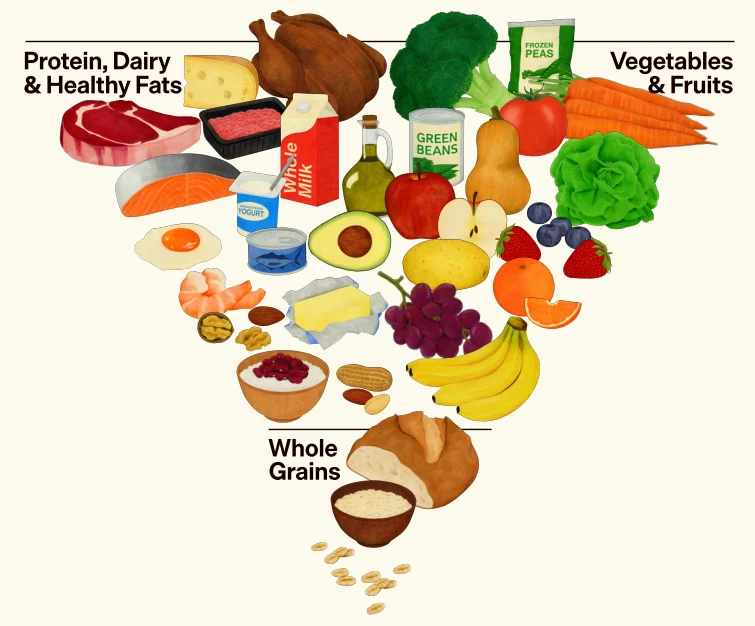
The debate over nutrition has become needlessly complex. Research on over 1.8 million people shows that the benefits of fruit and vegetable intake plateau at five servings per day. Similarly, shifting away from ultra-processed foods (UPFs) toward minimally processed, whole foods is associated with lower rates of cardiovascular disease, diabetes, and cancer.
There is no "perfect" diet, but there is a "perfect" pattern: one that prioritizes protein—at least 1.2 grams per kilogram of body weight—to support muscle retention, alongside a fiber-rich intake of produce.

3. Sleep and Stress: The Invisible Pillars
Sleep is not a luxury; it is a physiological necessity for clearing beta-amyloid plaques from the brain and regulating metabolic health. A one-hour decrease in sleep duration is linked to an 11 percent increase in cardiovascular risk.
Equally important is the management of chronic stress. While short-term stress is a natural, adaptive mechanism, chronic, unmanaged stress is a potent inflammatory trigger. The goal is to find your stress "sweet spot"—a level of engagement that keeps you motivated without pushing you into the "numb or panicky" states that characterize burnout.

4. Social Connection: The Longevity Predictor
Perhaps the most overlooked factor in the longevity conversation is social health. The Harvard Study of Adult Development, which has tracked participants for over 87 years, identified strong relationships as the single greatest predictor of life satisfaction and longevity—surpassing wealth, IQ, and even genetics. Social isolation carries a mortality risk comparable to smoking 15 cigarettes a day.
The Tradeoffs of Optimization
If you decide to pursue "optimal" rather than "healthy," you must be prepared for the costs.

Time and Financial Investment
A "healthy" lifestyle requires time for meal prep, exercise, and sleep. An "optimizer" lifestyle, however, requires a massive, sustained commitment. When you tally the costs of continuous glucose monitors, specialized supplements, wearable diagnostics, and premium memberships, the financial burden can easily exceed $10,000 annually. For most, this investment yields a marginal return compared to the foundational habits that are effectively free.
The Quality of Life Penalty
Perhaps the most significant, yet rarely discussed, cost of optimization is the impact on "Deep Health"—the integration of your social, emotional, mental, and existential well-being. When health becomes an obsession, it can lead to orthorexia (an unhealthy fixation on eating "pure" foods), social withdrawal, and a narrowing of life’s joys. If you are living a "perfectly optimized" life but you aren’t enjoying it, you are failing the very mission of longevity.

Implications: A Call for Intentionality
What are the implications for the average person?
- Clarify Your Goals: Ask yourself what you want out of a longer life. If your goal is to spend time with family or travel, prioritize activities that support that.
- Start with the Basics: Before buying the latest supplement, ensure you are hitting the 80 percent mark on the fundamentals: sleep, protein, resistance training, and stress management.
- Tune Out the Noise: Remember that social media algorithms favor extreme, "optimized" content because it is provocative, not because it is the most effective approach for your unique life.
Ultimately, the most successful longevity strategy is the one you can sustain for 50 years, not 50 days. By embracing the basics and letting go of the need for "optimal," you aren’t just giving yourself a better chance at living longer—you’re giving yourself a better chance at living well, right now.