








As the golden years approach, the focus of physical fitness shifts. While the aesthetic goal of a "six-pack" might dominate the fitness magazines of our youth, the priorities for those over 65 are far more functional: maintaining mobility, preventing falls, and ensuring the core remains a sturdy pillar for everyday life. According to fitness experts, the secret to achieving this isn’t found on a yoga mat in a static plank—it’s found on your feet.
The Science of Vertical Training
It is a common misconception that abdominal strength is best built through floor-based exercises. However, the human body is designed to function in an upright position. Simply standing, as noted by Harvard Health Publishing, burns approximately 88 calories per hour—a small but meaningful uptick compared to the sedentary nature of sitting.
More importantly, standing exercises challenge the body’s proprioception (the awareness of one’s body in space). When you move while standing, your core muscles—including the deep abdominals, lower back, glutes, and hips—must work in concert to prevent you from tipping, twisting, or collapsing. This "anti-rotation" and "anti-lateral flexion" work is the true, functional role of the core in daily life.
Expert Insight: Why Static Planks May Not Be Enough
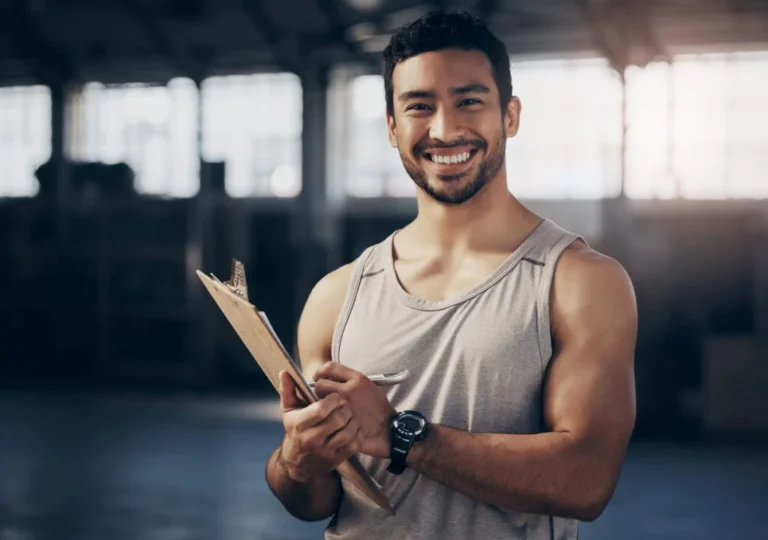
We consulted with Jacob Siwicki, founder of Siwicki Fitness, a renowned fitness expert and former top-tier Equinox instructor. Siwicki, whose credentials include NCSF and AFAA certifications and a track record of top-tier personal training in Washington, D.C., emphasizes that the traditional plank has its limits.
"Planks are a foundational tool, but they are static," Siwicki explains. "You are holding one position while nothing else is moving. In real life, the core’s job is to stabilize you while your limbs are in motion. Whether you are carrying a heavy grocery bag, reaching for a dish on a high shelf, or correcting your balance after a stumble, your body is constantly shifting. Standing exercises train these muscles to keep adjusting in real-time, making them far more applicable to the challenges of aging."
The Five Pillars of Standing Core Stability
To help seniors build a resilient core, Siwicki recommends five dynamic movements. These exercises prioritize safety and balance while effectively engaging the entire posterior and anterior chain.
1. The Suitcase Carry: Building Unilateral Strength
The Suitcase Carry is perhaps the most "functional" movement in the repertoire. It mimics the act of carrying a heavy bag or a grocery basket. By holding a weight in one hand, you force the muscles on the opposite side of your torso to engage to keep your spine straight.
- The Benefit: It prevents "lateral collapse," or the tendency to lean to one side when carrying loads, which is essential for maintaining a symmetrical gait as we age.
2. Standing Cross-Body Knee Drives
This movement integrates balance with rotational core engagement. By bringing the opposite elbow toward the knee, you engage the obliques—the muscles responsible for twisting motions.
- The Benefit: It improves coordination between the upper and lower body, which is vital for activities like walking on uneven terrain.
3. Single-Arm Overhead March
By pressing one weight overhead while marching in place, you create a dynamic instability that forces the core to lock the spine in place.
- The Benefit: This builds shoulder stability while simultaneously teaching the core to remain rigid against a shifting center of gravity.
4. Dumbbell Woodchops
The Woodchop mimics a diagonal "swinging" motion. Because it moves across the body, it targets the core in a multi-planar fashion.
- The Benefit: It strengthens the rotational muscles of the torso, protecting the spine during the twisting movements we often perform when cleaning or gardening.
5. Single-Leg Balance Reaches
This exercise is the ultimate test of hip stability. By standing on one leg and reaching in different directions, you force the stabilizing muscles of the hip and lower back to work overtime.
- The Benefit: This is the most direct intervention for fall prevention. By strengthening the gluteus medius and deep core, you create a "shield" that keeps you upright when balance is compromised.
Supporting Data: The Impact of Functional Fitness on Longevity
The implications of building core strength post-65 extend far beyond just looking fit. Research consistently demonstrates that grip strength and core stability are two of the most reliable predictors of "healthspan"—the number of years one lives in good health.
When the core is weak, the lower back often compensates, leading to chronic pain and a sedentary lifestyle. A sedentary lifestyle, in turn, accelerates the loss of muscle mass (sarcopenia). By incorporating standing exercises, seniors can break this cycle.
Implementing the Routine: A Chronology for Success
For those looking to begin a standing core regimen, Siwicki suggests a phased approach to ensure longevity and prevent injury:
- Weeks 1-2 (The Foundation): Focus purely on balance. Perform the Single-Leg Balance Reaches without weight. Use a chair for support if necessary.
- Weeks 3-4 (Introducing Load): Incorporate the Suitcase Carry with a light, manageable weight (e.g., a 5-pound dumbbell or a water bottle).
- Weeks 5-8 (Dynamic Movement): Once balance has improved, introduce the Cross-Body Knee Drives and Dumbbell Woodchops. Ensure movements are slow and controlled.
- Ongoing: Maintain a consistent schedule of 2–3 times per week. The goal is not "exhaustion," but rather consistent, daily-life-ready strength.
Implications for the Future of Senior Wellness
The fitness industry is slowly moving away from the "no pain, no gain" mentality of the past and toward a model of "functional longevity." As our population ages, the focus must remain on movements that preserve independence.
The shift toward standing core work is a reflection of this broader change. By training the body to move as it does in the real world—carrying, reaching, twisting, and balancing—we are not just building muscles; we are building an insurance policy for our mobility.
Final Expert Recommendation
"Listen to your body," Siwicki advises. "If you feel unstable, keep a wall or a sturdy chair nearby. The goal of these exercises is to challenge yourself, not to put yourself at risk. Start slow, stay consistent, and remember that every movement you make on your feet is a win for your long-term health."
By integrating these five standing exercises into a weekly routine, individuals over 65 can reclaim their physical confidence, enhance their posture, and build a core that is as capable as it is strong. The plank has had its day, but for the aging athlete, the future is standing up.