










Every year, American consumers pour more than $1 billion into the supplement industry, specifically targeting fish oil capsules in the hope of safeguarding their cognitive future. The narrative is alluring: by simply swallowing a high-dose omega-3 pill, one can reinforce the intricate architecture of the brain, bolster memory, and perhaps even stall the onset of Alzheimer’s disease. However, a landmark study from Keck Medicine of the University of Southern California (USC) suggests that this widely held belief may be more wishful thinking than scientific reality.
The findings, published in the journal eBioMedicine, present a sobering reality for those who rely on concentrated supplements to preserve their mental acuity. While the research confirmed that omega-3 fatty acids do indeed reach the brain, their arrival does not equate to a functional upgrade in brain health.
The Core Findings: A Disconnect Between Delivery and Benefit
The USC study represents a significant departure from previous observational research that suggested a correlation between fish consumption and brain health. Over a two-year, placebo-controlled, double-blinded clinical trial—the gold standard of medical research—investigators examined 365 adults between the ages of 55 and 80.
The participants were selected based on two primary criteria: they rarely consumed fish, and they were considered to be at an elevated risk for Alzheimer’s disease. Notably, nearly half of the cohort (47%) carried the APOE4 gene, the most significant genetic risk factor for late-onset Alzheimer’s. Despite the rigor of the study and the high-dose administration of 2,000 mg of docosahexaenoic acid (DHA) daily, the results were unequivocal: the supplements failed to improve memory, cognitive performance, or prevent the atrophy of brain regions associated with Alzheimer’s.
Chronology of a Clinical Trial
To understand the scope of this investigation, one must look at the methodical approach taken by the USC research team.
Phase I: Recruitment and Baseline Assessment
The study began by identifying a population that could most benefit from supplementation. By focusing on individuals who were not already consuming fish—the primary dietary source of omega-3s—researchers ensured that any observed changes could be directly attributed to the intervention. Baseline cognitive tests and brain imaging scans were performed to establish a starting point for memory, processing speed, and hippocampal volume.
Phase II: The Delivery Mechanism
A primary hurdle in neuro-nutritional science has always been the blood-brain barrier. Before assessing cognitive performance, the researchers needed to verify that the DHA was actually reaching the brain tissue. They analyzed cerebrospinal fluid, which circulates through the brain and spinal cord, at the six-month mark. The results were positive: DHA levels in the participants’ cerebrospinal fluid increased by an average of 17%. This confirmed that the supplement was not merely being digested and excreted, but was effectively crossing into the central nervous system.
Phase III: Longitudinal Monitoring
For the remainder of the two-year period, participants continued their daily regimen while being monitored through recurring cognitive evaluations and high-resolution brain imaging. Researchers specifically looked for signs of hippocampal shrinkage—a structural marker of neurodegeneration common in Alzheimer’s patients.
Phase IV: Data Synthesis
At the conclusion of the two-year trial, the data was unblinded. When compared to the control group—those who took a placebo—the intervention group showed no statistically significant difference in cognitive scores or structural brain preservation. The delivery of the nutrient had been successful, but the therapeutic effect was absent.
Supporting Data: Understanding the Limitations
The failure of omega-3 supplements to move the needle on cognitive health raises fundamental questions about the biological utility of concentrated nutrients. The study suggests that while DHA is a vital component of brain cell membranes—helping to maintain the integrity of connections between neurons—providing it in a synthetic, concentrated form does not necessarily "supercharge" those connections in an aging brain.
The lack of improvement in the hippocampus is particularly telling. The hippocampus is responsible for memory consolidation and is one of the first areas to suffer from the degenerative effects of Alzheimer’s. If a supplement were truly neuroprotective, researchers would expect to see a slower rate of volume loss in this region. Instead, the scans revealed that those taking the high-dose DHA supplements experienced the same rate of atrophy as those in the placebo group.
Official Responses and Expert Perspective
Dr. Hussein Naji Yassine, the director of the USC Center for Personalized Brain Health and the lead investigator of the study, expressed both disappointment and clarity regarding the findings.
"We all wish there was a silver bullet for preventing Alzheimer’s, but our findings showed that fish oil supplements do not appear to protect brain health," Dr. Yassine noted. He emphasized that the nuance of his findings should not be misconstrued: "While omega-3s play an important role in forming brain cell connections needed for cognition, our results do not support fish oil supplements as a preventive measure against Alzheimer’s."
Dr. Yassine and his colleagues, including experts from the Keck School of Medicine like Dr. Lina D’Orazio and Dr. Lon Schneider, are now pivoting to address the "Why?" behind these results. They hypothesize that the body may process nutrients differently when they are consumed in isolation compared to when they are part of a complex, whole-food matrix.
The Holistic Alternative: Mediterranean-Style Eating
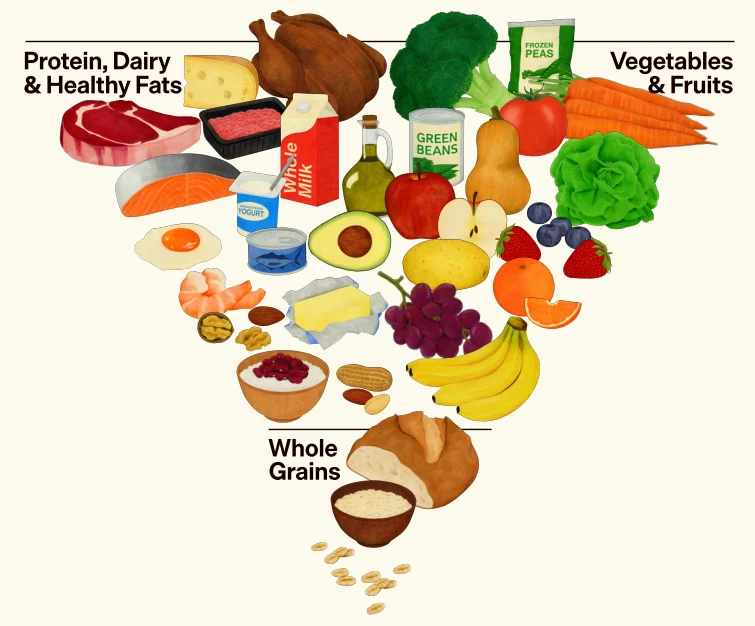
If supplements are not the answer, what is? The research team points toward the Mediterranean diet, which is consistently linked to lower rates of cognitive decline and Alzheimer’s disease.
The difference, researchers suspect, lies in the synergy of nutrients. A Mediterranean diet is not just about omega-3s; it is a holistic intake of fiber, antioxidants, polyphenols, and healthy fats that work in tandem to reduce inflammation and oxidative stress. When omega-3s are consumed via fatty fish, they are accompanied by other micronutrients that may facilitate better absorption and utilization by the brain.
"We’re focused on better understanding how the brain processes omega-3s and whether factors, such as poor health, dietary pattern, genetic risk, and age, may change the brain’s ability to effectively absorb and use these nutrients," Dr. Yassine explained. The team is currently exploring the development of novel medications that might help the brain better utilize nutrients like DHA, even if the current supplement model remains ineffective.
Implications for Public Health and Future Research
The implications of this study are profound for the aging population and the massive supplement industry.
Rethinking Preventative Strategy
For decades, the public has been encouraged to look for quick fixes for cognitive decline. This study acts as a corrective, reminding the public that there is currently no "quick fix" for the complex, multifaceted disease that is Alzheimer’s. The focus must shift from the commodification of individual nutrients back to the foundational principles of healthy living.
The Car Maintenance Analogy
Dr. Yassine provides a compelling analogy for the importance of general health. He likens the brain to a high-performance engine. "Staying healthy throughout life remains the most powerful tool we have for reducing Alzheimer’s risk, including regular exercise, quality sleep, and a balanced diet," he said. "Living a healthy lifestyle is the brain’s equivalent of getting regular car maintenance and high-quality oil changes. The brain is more likely to lose greater function if health issues in other parts of the body go unaddressed, in the same way that car engines stop working if regular maintenance is skipped."
A Call for Rigor
This study serves as a benchmark for future clinical trials. It highlights the necessity of using objective biological measures—such as cerebrospinal fluid analysis and brain imaging—rather than relying solely on subjective cognitive testing. Future research will likely focus on whether specific subgroups of people, or individuals at different stages of the disease, might react differently to nutrient interventions.
Conclusion: The Path Forward
The USC study does not mean that omega-3 fatty acids are unimportant; they remain essential for the structural integrity of the human brain. However, it does shatter the illusion that these nutrients can be "supplemented" into a state of disease prevention.
As the population ages, the search for an Alzheimer’s cure remains the most pressing challenge in medical science. While the news regarding fish oil supplements is discouraging, it is a vital step toward scientific honesty. By stripping away the false hope of a "silver bullet," researchers can redirect their focus toward the more arduous, but ultimately more promising, work of understanding the brain’s complex metabolic needs and the true efficacy of lifestyle-based preventative medicine.
For the average consumer, the message is clear: instead of investing in the latest bottle of high-dose fish oil, it is far more prudent to invest in a lifestyle that prioritizes cardiovascular health, sleep hygiene, and a diverse, whole-food diet. The "oil change" the brain requires is not found in a pill, but in the sustained, daily habits that keep the entire body functioning in harmony.