











Published: August 5, 2026
As global temperatures continue to climb, reaching record-breaking highs during the summer of 2026, the physiological demand on the human body has never been greater. While air conditioning and hydration are standard responses to heat waves, a growing body of practitioners and wellness experts are turning to the ancient science of pranayama—the yogic practice of breath control—to regulate internal body temperatures. Among these, Sitali Pranayama, often colloquially referred to as "taco breath," has emerged as a scientifically intriguing method for tempering the body’s reaction to external heat.
The Physiological Imperative of Cooling Down
When the mercury rises, the human body enters a state of thermal stress. To maintain homeostasis, the body redirects blood flow to the skin to facilitate cooling through perspiration. However, this exertion often leads to systemic fatigue, irritability, and a diminished capacity for mental clarity.
Modern medicine typically focuses on external cooling, but yoga traditions suggest that the breath acts as a bridge between the autonomic nervous system and our physical state. By intentionally altering the mechanics of inhalation and exhalation, practitioners claim they can influence the pitta dosha—the Ayurvedic concept associated with heat, transformation, and intensity—to foster a sense of physiological and mental equilibrium.

Chronology of the Sitali Practice
The use of Sitali dates back centuries within the Hatha Yoga tradition. Historically, it was utilized by forest-dwelling ascetics and practitioners in the scorching climates of the Indian subcontinent as a survival mechanism to mitigate the effects of extreme heat without the benefit of modern cooling technology.
- Ancient Origins: Found in texts such as the Hatha Yoga Pradipika, the technique was described as a way to "cool the system" and alleviate thirst and hunger during intense periods of meditation or environmental exposure.
- The 20th Century Transition: As yoga moved into Western wellness spaces in the mid-1900s, Sitali was adopted by teachers focusing on stress reduction and nervous system regulation.
- The Modern Resurgence (2020–2026): With the intensification of climate-related heat events, search interest in "natural cooling techniques" has seen a 400% increase over the last three years. The practice has shifted from a niche spiritual exercise to a practical tool for the modern worker navigating a hotter, more volatile world.
Supporting Data: Why "Taco Breath" Works
The mechanics of Sitali are surprisingly simple but rely on fundamental principles of thermodynamics and physiology. By rolling the tongue into a tube or "taco" shape, the practitioner creates a natural straw. As air is inhaled through this dampened surface, the moisture on the tongue evaporates.
According to the principles of evaporative cooling, this process lowers the temperature of the incoming air before it reaches the respiratory system. While the total reduction in internal core temperature may be marginal in a clinical sense, the effect on the parasympathetic nervous system is profound. By forcing a slow, rhythmic, and intentional breathing pattern, the practitioner triggers the "rest and digest" response, effectively lowering the heart rate and reducing the sensation of "heat-induced anxiety."
Official Perspectives: The Intersection of Yoga and Medicine
While mainstream medical organizations, such as the American College of Sports Medicine, emphasize the necessity of hydration and physical rest during heat waves, they are increasingly open to the role of "mind-body interventions."
Dr. Elena Vance, a consultant in integrative medicine, notes, "We have to distinguish between heat exhaustion—a medical emergency—and thermal discomfort. For the latter, breathwork is an excellent, low-cost intervention. It doesn’t replace the need to stay hydrated or get out of the sun, but it provides a tangible way for the individual to regain control over their autonomic stress response. When we are hot, we tend to breathe shallowly, which only increases our agitation. Sitali forces a shift toward a slower, deeper cadence that signals to the brain that we are safe."
The 5-Minute Protocol: A Step-by-Step Guide
To maximize the efficacy of this practice, experts suggest a structured approach. The following sequence is designed to be accessible, requiring nothing more than a quiet space and five minutes of time.
1. The Setup: Establishing the Foundation
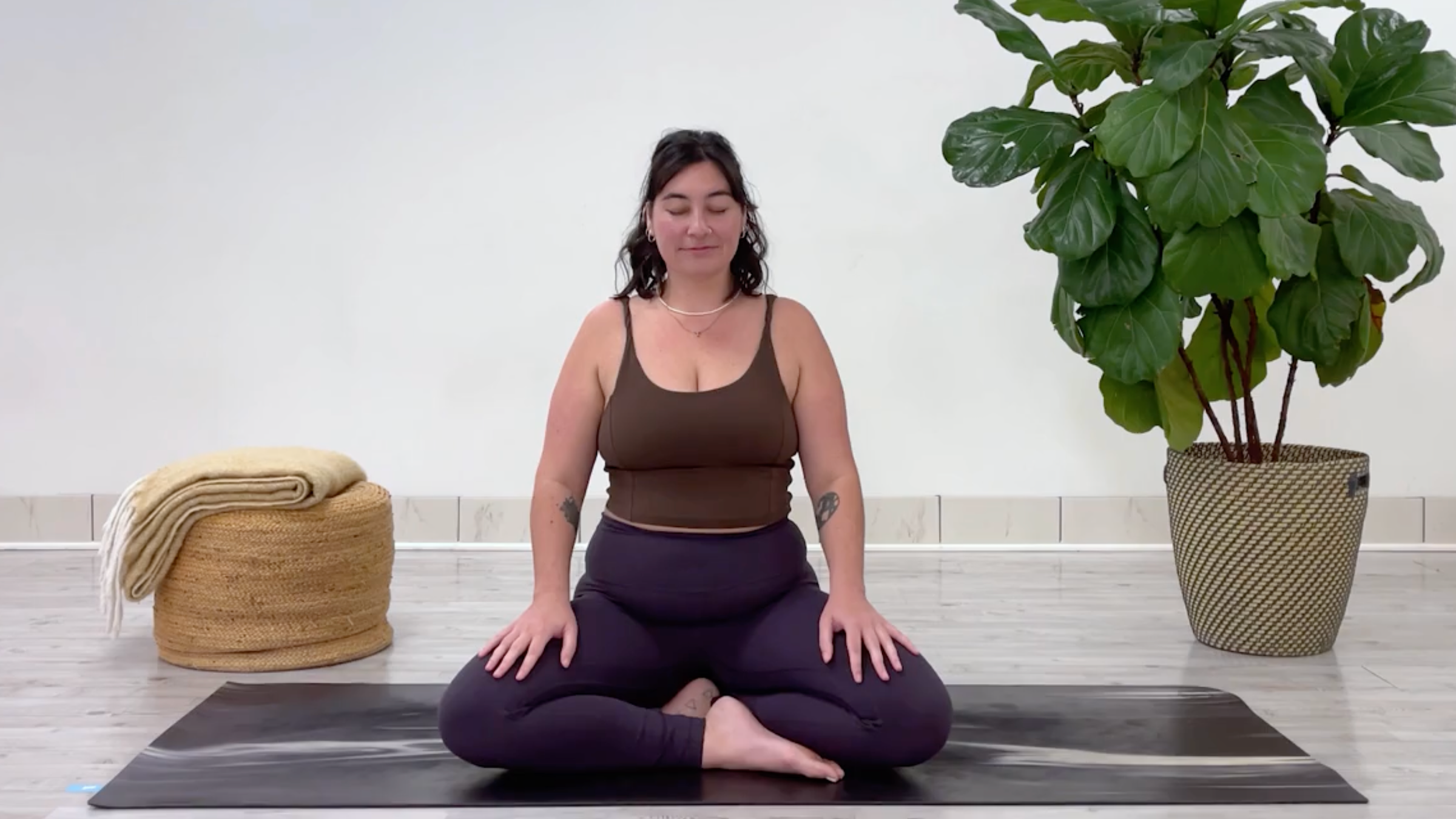
Begin by finding a comfortable seat. Whether you choose the traditional Thunderbolt (Vajrasana) or Easy Pose (Sukhasana), the priority is spinal alignment. Using a bolster or yoga block can help elevate the hips, reducing strain on the lower back and allowing for diaphragmatic breathing. The goal is to avoid physical exertion, which would be counterproductive to the cooling process. Close your eyes, rest your hands on your thighs, and spend one minute simply observing your natural breath.
2. The Sitali Technique
Once settled, initiate the Sitali breath. Roll the sides of your tongue inward to create a channel. Inhale slowly through this "straw," feeling the cool air pass over the moisture on your tongue. At the end of the inhalation, draw your tongue back into your mouth, seal your lips, and exhale steadily through the nose. Repeat this for three minutes. If you find you cannot roll your tongue—a trait often determined by genetics—simply place your teeth together with your lips parted, inhaling through the gaps in your teeth.

3. The Integration Phase
After completing three minutes of Sitali, release the tongue and return to normal nasal breathing. Spend the final minute of your practice in silence, noticing the difference in your internal temperature and the quality of your thoughts. This brief transition is essential for anchoring the "cool, grounded energy" of the practice before returning to the demands of the day.
Implications for Public Health and Daily Life
The broader implications of incorporating Sitali into daily life are significant, particularly for those living in urban "heat islands." As climate change necessitates lifestyle adjustments, the ability to modulate one’s internal state becomes a vital form of resilience.
Beyond the immediate cooling effect, this practice serves as a "micro-break" from the hyper-stimulated, high-temperature environment of modern work. By creating a five-minute window of stillness, practitioners are finding that they are better equipped to handle the cognitive demands of the afternoon, having effectively lowered their physiological "set point" for stress.
Conclusion: A Tool for an Uncertain Climate
As we look toward the remainder of the summer and beyond, it is clear that we must look for solutions that are as sustainable as they are effective. Sitali Pranayama offers a unique intersection of ancient wisdom and modern physiological necessity. It is not a panacea for extreme heat, nor is it a substitute for climate action or proper safety precautions. However, it is a powerful tool in the individual’s toolkit for maintaining health and mental stability in an increasingly warming world.

Whether you are seeking relief from a stuffy office or simply trying to navigate a humid commute, the simple act of folding your tongue and focusing on the breath can provide a much-needed moment of respite. In the words of long-time practitioners, "When the world turns up the heat, the best place to find shelter is within your own breath."