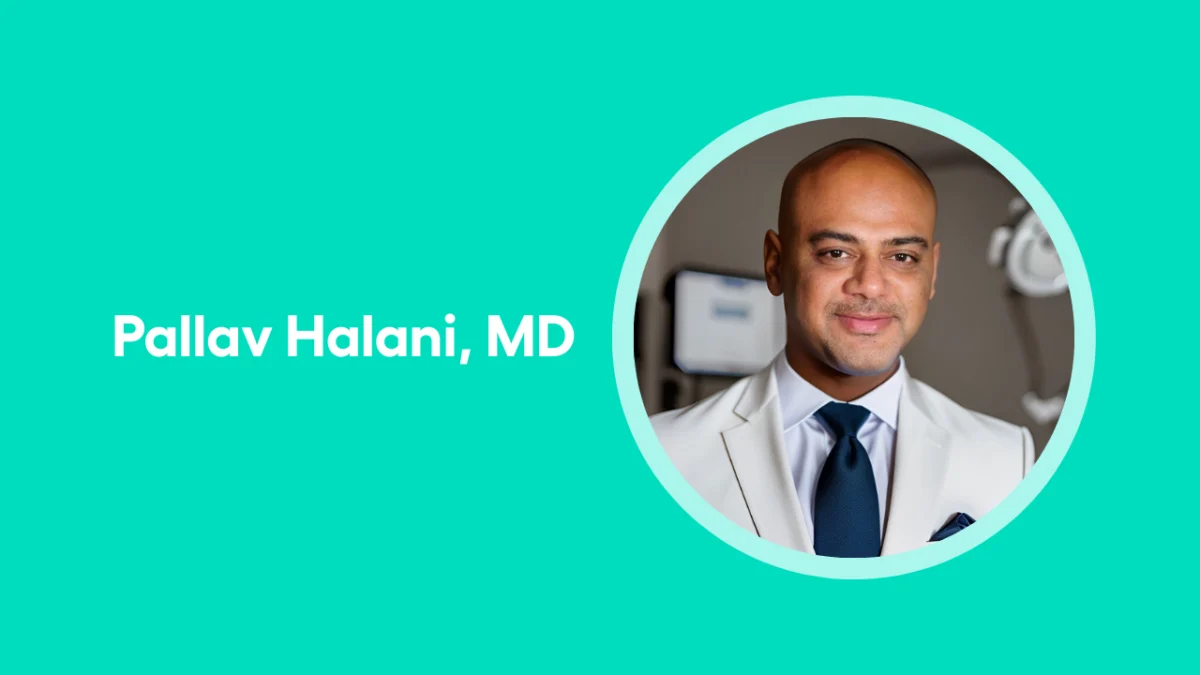
In the high-stakes environment of an intensive care unit (ICU), the difference between stability and crisis often rests in the hands of the respiratory therapist (RT). For Dr. Pallav Halani, the journey from being an international student to becoming a distinguished pediatric pulmonologist and sleep specialist was not a straight line, but a deliberate climb built upon the foundation of respiratory care. His story serves as a testament to the versatility of the RT profession and the profound impact that clinical, bedside experience has on the future of medical leadership.
The Genesis of a Career: Practicality Meets Passion
Dr. Pallav Halani arrived in the United States from his native India with a degree in physical therapy already in hand. However, the complexities of maintaining an international student visa necessitated a shift in his academic path. He required a clinical program that offered rigorous training while aligning with the requirements of his immigration status. Respiratory therapy emerged as the pragmatic solution.
He enrolled at Northeastern University in Boston, Massachusetts, becoming one of the first six students to ever earn a Master’s degree in Respiratory Care from the institution. What began as a strategic move to satisfy visa requirements soon evolved into a calling. As he immersed himself in the curriculum, Halani discovered the intellectual weight of the field. Respiratory therapy placed him at the epicenter of critical clinical decision-making, particularly concerning airway management and complex ventilator settings—a role that required both technical precision and a deep understanding of cardiopulmonary physiology.
A Chronology of Growth: From Academic Labs to the ICU
Dr. Halani’s clinical development was rapid and rigorous. His training spanned some of the most prestigious medical facilities in the United States, including Boston Children’s Hospital, Beth Israel Deaconess Medical Center, Boston Medical Center, and Cambridge Hospital.
Following his graduation, his career trajectory moved through several high-acuity landscapes:
- Initial Practice: He began his professional career at Beth Israel, cutting his teeth in some of the most challenging clinical environments in New England.
- Relocation and Expansion: Seeking to broaden his horizons, he moved to Michigan, where he served at Henry Ford Hospital and Covenant Healthcare.
- The Five-Year Foundation: For five years, Halani worked in adult intensive care units and emergency departments, with additional exposure to the sensitive fields of pediatric and neonatal care.
These years were instrumental in shaping his professional identity. In the ICU, where the margin for error is razor-thin, Halani learned the hard truths of the profession: humility, accountability, and the absolute necessity of staying calm under extreme pressure. He notes that these years were not merely about task completion; they were about developing the clinical confidence that would later allow him to excel in the high-pressure environment of medical school.
Bridging the Gap: The Transition to Medicine
The decision to transition from a respiratory therapist to a physician was rooted in a desire for deeper inquiry. While working at the bedside, Halani found himself increasingly curious about the "why" behind the medical orders he was executing. He was not satisfied with simply managing a ventilator; he wanted to understand the disease pathology driving the patient’s condition and desired a more active role in long-term clinical strategy.
Encouraged by physicians who recognized his leadership potential and his thirst for knowledge, Halani pursued medical school in St. Eustatius, eventually completing his clinical rotations back in the U.S. This transition was marked by a distinct advantage: he entered his medical education with a mastery of cardiopulmonary physiology that most of his peers were only just beginning to learn.
Implications: The RT as a Physician’s Secret Weapon
Dr. Halani’s dual perspective—having worked as an RT and now practicing as a pediatric pulmonologist and sleep specialist at Texas Lung and Sleep Associates—offers a unique vantage point on modern healthcare. He argues that the skills honed in respiratory therapy are not just applicable to medicine; they are essential.
The Value of Clinical Insight
In his current role, Dr. Halani manages complex pediatric respiratory conditions and sleep disorders. His background allows him to bridge the gap between diagnostic intent and clinical execution. When he consults on a patient with chronic airway disease, he understands the practical realities of the ventilator settings he prescribes. This empathy extends to his staff; he consciously provides his RT colleagues with autonomy, recognizing that their bedside intuition is often the most vital source of information in a patient’s treatment plan.
"I am deeply grateful to the respiratory therapy profession," Dr. Halani reflects. "It gave me the skills, the confidence, and the foundation that made everything that followed possible." This connection is deeply personal as well; his wife is a respiratory therapist, ensuring that the rhythm and challenges of the profession remain a constant topic of conversation and support in his personal life.
Official Perspective: Advice for Aspiring Clinicians
When asked what advice he would offer to current RTs looking to pivot or advance their careers, Dr. Halani emphasizes the importance of intellectual curiosity. He encourages therapists to look beyond their daily tasks and reflect on the "purpose" behind their interventions.
"Do not underestimate the value of your RT experience," he says. "It prepares you to think critically, work under pressure, and contribute meaningfully to patient care in any role."
He suggests that those considering a career move—whether it be toward medical school, administration, or specialized research—should:
- Seek Mentorship: Engage with those who have navigated similar paths to gain a clearer understanding of the challenges ahead.
- Ask Hard Questions: Be honest about the drive behind the desire for change. Is it a desire for more responsibility? Is it an interest in the disease process?
- Leverage the Foundation: Use the technical experience gained at the bedside as a "clinical anchor" that provides a competitive edge in any advanced healthcare setting.
Implications for the Future of Respiratory Care
Dr. Halani’s journey highlights an ongoing shift in the perception of respiratory therapy within the broader healthcare ecosystem. Once viewed primarily as a technical support role, the profession is increasingly recognized as a clinical pillar. The ability to manage life-sustaining equipment, coupled with the critical thinking skills required to triage emergencies, prepares RTs for a wide array of leadership positions.
As healthcare becomes more complex and patient-centered, the integration of respiratory therapy into multidisciplinary teams is more critical than ever. Dr. Halani’s success proves that the path from the bedside to the specialist’s office is not only possible but beneficial for the patients who ultimately receive more cohesive, informed care.
Conclusion: A Legacy of Collaboration
Today, Dr. Halani remains deeply tethered to his roots. He continues to work alongside respiratory therapists during his inpatient consultations, viewing them not as subordinates, but as essential partners in the diagnostic and therapeutic process. He advocates for the profession not just out of nostalgia, but out of a pragmatic understanding of the value they provide.
For the respiratory therapist currently standing at the crossroads of their career, Dr. Halani’s story is an invitation. Whether they choose to stay at the bedside, move into management, or embark on a journey into medicine, the training they have received is an invaluable asset. It is a foundation of excellence that, when combined with curiosity and perseverance, can lead to a career of profound influence and success. Dr. Halani’s career path is a beacon for others, proving that in the world of medicine, no experience is wasted if it is used to better serve the patient.