












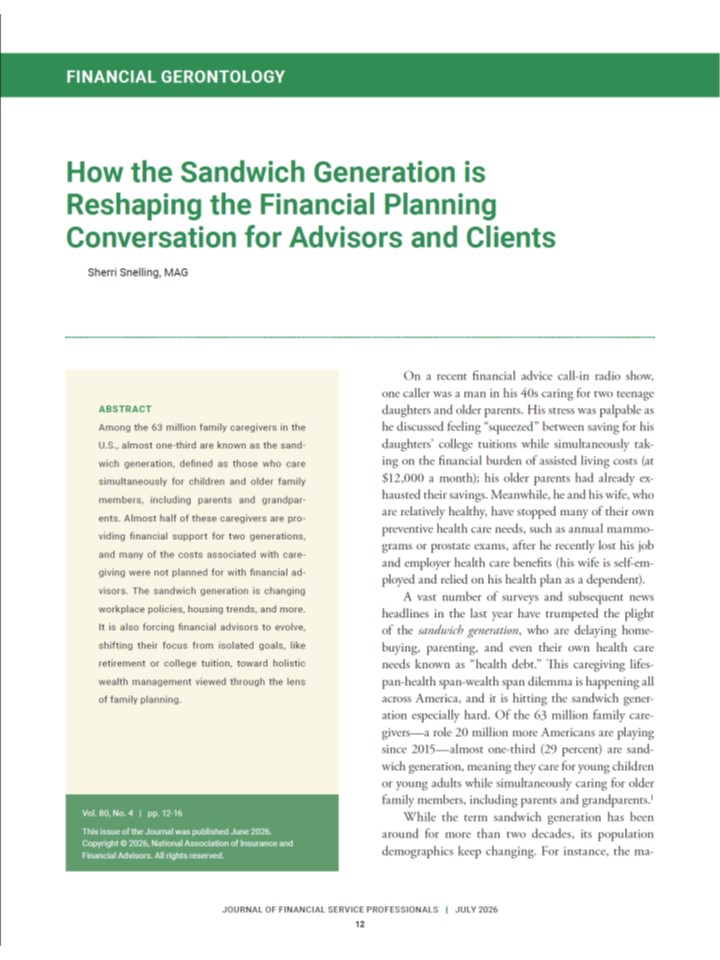
In the landscape of modern family life, a growing demographic is finding itself caught in a precarious economic vice. Known as the "Sandwich Generation"—or as corporate gerontologist Sherri Snelling identifies them, "Gen C" (Generation Caregiver)—these individuals are balancing the dual responsibilities of raising children while simultaneously providing financial and physical support for aging parents or grandparents.
As the costs of long-term care skyrocket and the demands of parenting remain constant, financial wellness has transitioned from a luxury to an existential necessity. Achieving balance in this environment requires more than traditional budgeting; it demands a sophisticated understanding of "financial gerontology," a multidisciplinary field that bridges the gap between lifespan planning and economic stability.
The Financial Reality of the Sandwich Generation
The challenge facing Gen C is not merely one of time management, but of profound financial fragility. The "sandwich" metaphor refers to the simultaneous depletion of resources to cover tuition, extracurriculars, and childcare, while also footing the bill for home health aides, medical bills, and residential care for seniors.
According to recent industry data, the out-of-pocket costs for family caregivers have reached unprecedented levels. The financial strain is compounded by the "hidden costs" of caregiving, which include lost wages due to reduced work hours, missed promotions, and the erosion of retirement savings. For many, the goal is no longer just "wealth accumulation" but "financial resiliency"—the ability to withstand the shocks of unexpected medical events without falling into poverty.

Chronology: From Academic Roots to Industry Standards
The evolution of financial gerontology as a formal practice has been a gradual, necessary response to the global shift in demographics.
- Late 20th Century: The academic foundations of gerontology were built upon the BioPsychoSocial model, focusing on the intersection of biology, psychology, and sociology.
- Early 2020s: As the population aged rapidly, the need for a specialized financial approach became apparent. Experts began to recognize that standard financial planning models failed to account for the unique variables of "longevity risk"—the risk of outliving one’s assets due to extended life spans and chronic health conditions.
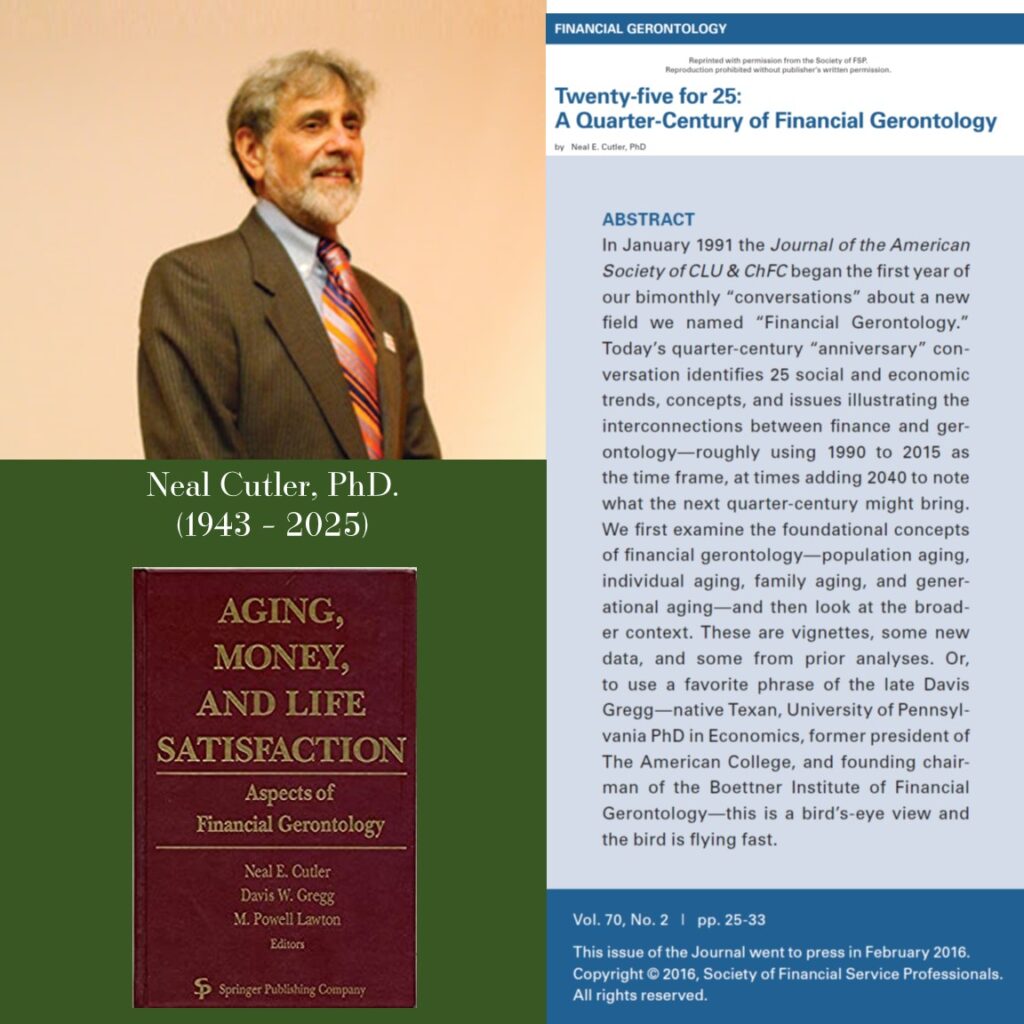
- 2024: Sherri Snelling began an ongoing collaboration with the late Dr. Neal Cutler, a renowned scholar, to produce a series of columns for the Journal of Financial Service Professionals. These columns sought to codify the principles of financial gerontology for practitioners.
- 2025–2026: The field gained momentum through partnerships between academic institutions like the USC Leonard Davis School of Gerontology and major financial firms. These programs train advisors to move beyond "product sales" and into the realm of holistic "longevity planning."
The Science of Financial Gerontology: The Four Lenses
To understand the scope of financial gerontology, one must view the world through what practitioners call the "Four Lenses." These lenses allow for a comprehensive review of a client’s lifespan, healthspan, and wealthspan.
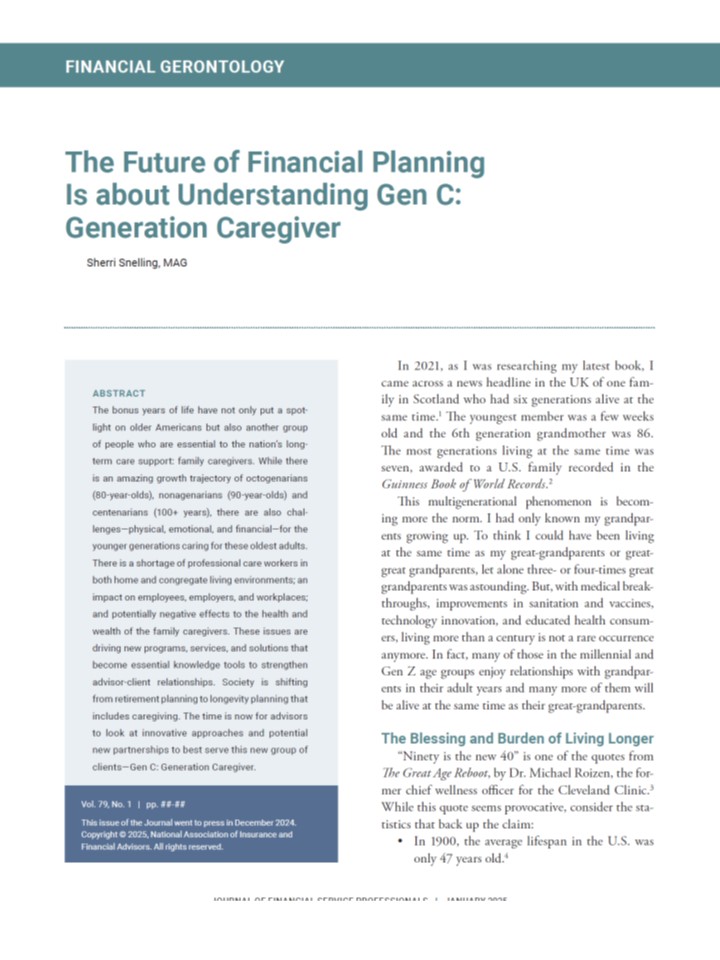
- Population Aging: Analyzing macro-trends, such as the increase in global life expectancy and the strain this puts on public and private pension systems.
- Individual Aging: Focuses on the physiological and cognitive changes an individual undergoes, which impact their ability to manage finances and make healthcare decisions.
- Family Aging: Examines the shifting dynamics of the family unit, specifically the reliance of the older generation on the younger (and vice-versa).
- Generational Aging: Looks at the transfer of wealth and the differing economic pressures faced by Baby Boomers, Gen X, Millennials, and Gen Z.
By integrating these four perspectives, a financial gerontologist can create a strategy that accounts for the reality that a 60-year-old child caring for an 85-year-old parent is themselves approaching a retirement that may last three decades.
Expert Insight: The Need for Specialized Advice
Sherri Snelling emphasizes that the current financial system is often "fragmented," leaving families to navigate a maze of insurance, medical billing, and legal requirements on their own. "Preparing and planning for care of older loved ones will keep most sandwich generation caregivers out of poverty," Snelling notes. "It’s never too early or too late to start those long-term-care plans. Working with a credentialed financial gerontologist will ensure you get the expert advice you need to navigate your way with financial resiliency."
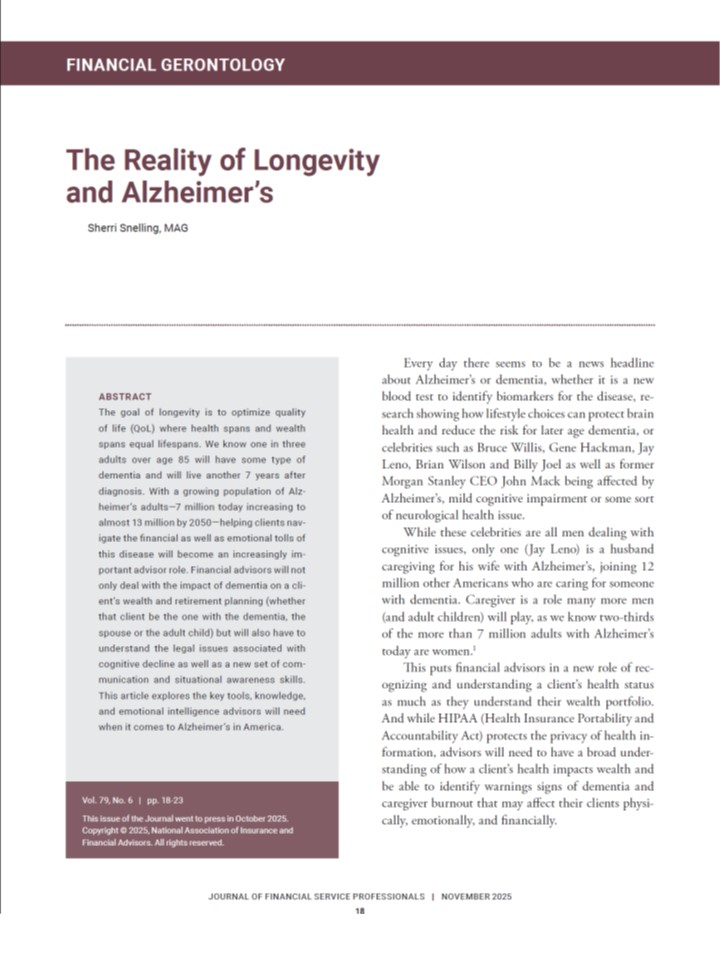
The distinction between a general financial advisor and a financial gerontologist is critical. While the former focuses on investment returns and asset allocation, the latter incorporates "longevity literacy"—the ability to anticipate the specific financial hurdles associated with chronic illness, cognitive decline, and the potential for a "caregiving crisis."
Implications: Building a "Joyconomy"
In her book, Me Time Monday, Snelling introduces the concept of a "Joyconomy"—a personal economy built on the 7 Wellness Elements of life. She argues that financial wellness is a pillar of overall health. When caregivers are constantly in a state of financial stress, their physical and mental health inevitably declines, which in turn makes them less effective caregivers.
Key Takeaways for Financial Planning
To achieve stability, the Sandwich Generation must focus on three core pillars:
- Early Disclosure: Initiating honest conversations with aging parents about their financial situation, including the existence of long-term care insurance, estate planning documents, and debt levels.
- The "Caregiver’s Cost" Assessment: Factoring in the potential for reduced work capacity. This involves creating a "Plan B" that protects the caregiver’s own retirement fund.
- Professional Alignment: Seeking out advisors who understand the intersection of health and wealth. The rise of certifications in financial gerontology means that consumers now have a way to vet whether their advisor is equipped to handle the complexities of late-life transitions.
Institutional Shifts and the Future of Planning
The industry is beginning to respond. Major financial institutions, recognizing that the "sandwich" dilemma is a systemic threat to their clients’ portfolios, are investing in training. The partnership between Bank of America and the USC Gerontology school serves as a gold-standard model, providing employees with the knowledge to assist clients who are grappling with the realities of aging parents.

Furthermore, the emergence of the "Chief Longevity Officer" in corporate structures suggests that companies are finally viewing caregiving not as a private burden, but as a critical economic issue that affects workforce productivity and long-term financial health.
Conclusion: A Proactive Path Forward
The financial strain on the Sandwich Generation is an unavoidable reality of the current demographic shift. However, it is not an insurmountable one. By moving away from reactive, crisis-based planning and toward the proactive, multidisciplinary approach offered by financial gerontology, families can protect their future.

Whether through accessing specialized podcasts, reading academic white papers on longevity, or seeking out a credentialed advisor who understands the "Four Lenses" of aging, caregivers must take agency over their financial destiny. As Sherri Snelling concludes, the goal is to create a life of balance—one where the act of caregiving is supported by a foundation of financial security, ensuring that in the effort to care for others, the caregiver does not lose themselves.
Frequently Asked Questions
Q: How does financial gerontology differ from traditional retirement planning?
A: Traditional retirement planning focuses heavily on the accumulation and distribution of assets. Financial gerontology adds a layer of "human development" to the equation, factoring in health, changing cognitive capacity, and family dynamics to ensure the plan remains viable through potential long-term care scenarios.

Q: Where can I find a qualified professional?
A: While "Financial Gerontologist" is an emerging title, look for advisors who hold certifications from recognized gerontology programs (such as USC) or who have specialized designations in long-term care planning and aging services.
Q: Is it too late to start if my parent is already in a health crisis?
A: It is never too late. While early planning is ideal, a financial gerontologist can assist in navigating immediate crises, such as applying for Medicaid, managing complex insurance claims, and restructuring assets to prevent the total depletion of the family’s wealth.