








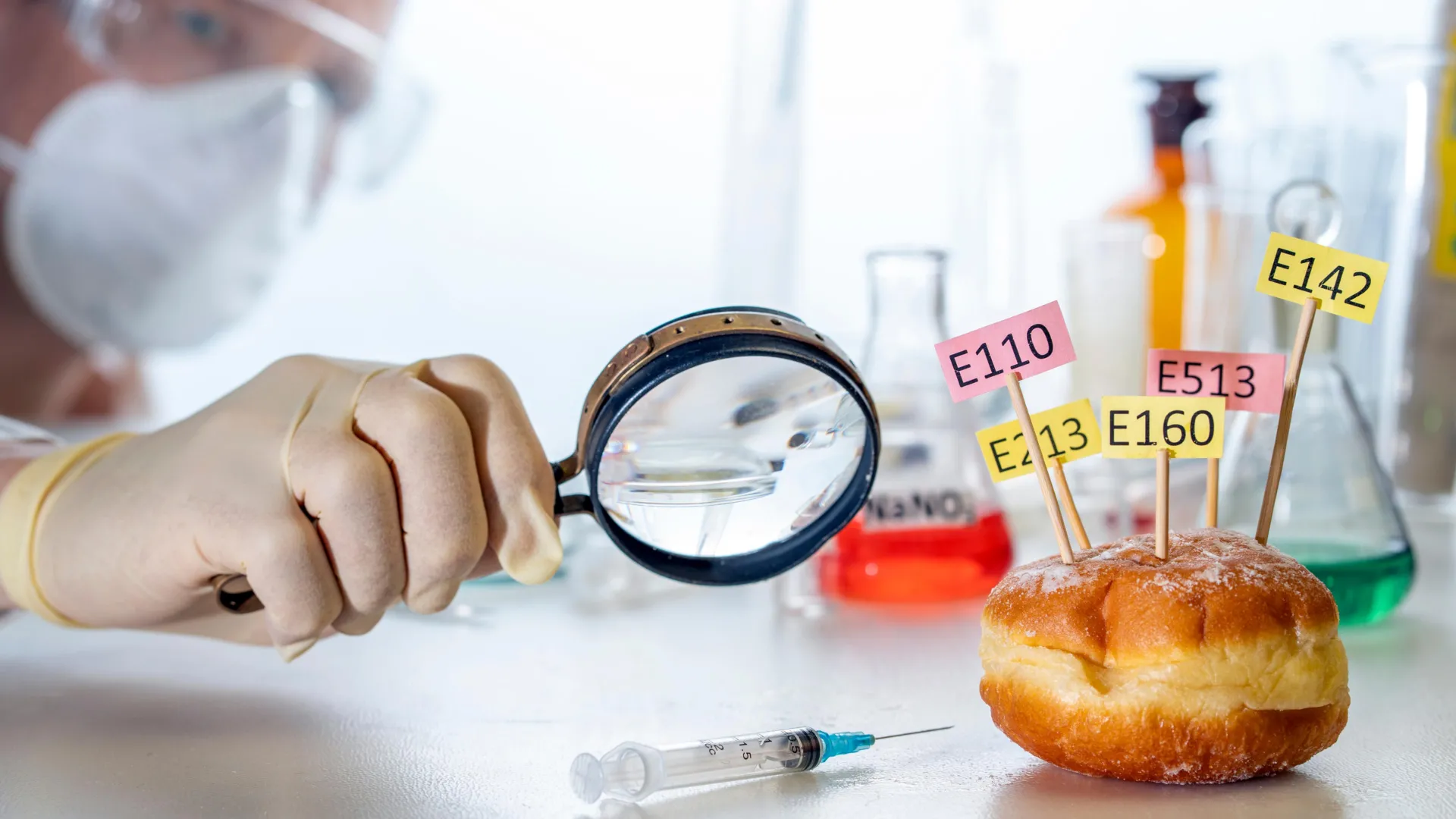
For decades, the field of nutrition has been trapped in a reductionist paradigm. We have been taught to view food as a simple ledger of calories, proteins, carbohydrates, and fats—the basic building blocks of human energy. However, as global rates of obesity, cardiovascular disease, and metabolic disorders continue to climb despite our obsession with calorie counting and nutrient labeling, it has become increasingly clear that our current model is fundamentally incomplete.
When scientists completed the Human Genome Project in 2003, there was a palpable sense of triumph. The expectation was that by sequencing the entire genetic code of a human being, we would unlock the definitive secrets of disease. Yet, reality proved far more humbling: genetics accounts for only about 10% of our disease risk. The remaining 90% is dictated by our environment—and at the heart of that environment is what we consume. We are standing on the precipice of a new frontier in science, one that suggests the food on our plates is not merely fuel, but a complex, largely unexplored chemical landscape.
The Hidden Cosmos: What is Nutritional Dark Matter?
In astronomy, dark matter constitutes roughly 27% of the universe. It does not emit or reflect light, rendering it invisible to direct observation, yet its gravitational influence dictates the structure of galaxies. Nutrition science is now facing an analogous revelation. While we have focused our research on approximately 150 known chemicals—the vitamins and macronutrients found on every nutrition label—scientists now estimate that our diet actually delivers more than 26,000 distinct compounds.
The vast majority of these chemicals remain uncharted. We ingest them daily, yet we lack a map to understand their biological effects. Experts have termed these mysterious molecules “nutritional dark matter.” Like the dark matter of the cosmos, these substances are invisible to standard research methods, yet their presence within our internal systems is undeniably profound. They may be the key to unlocking why certain diets promote longevity while others facilitate disease, and why the same meal can have radically different effects on two different individuals.
A Chronology of Nutrition Science: From Calories to Chemistry
The evolution of our understanding of food has been a slow transition from macro-observation to molecular complexity:
- 19th and Early 20th Century: The era of "deficiency science." Research focused on identifying vitamins and minerals to prevent ailments like scurvy or rickets. Food was viewed as a collection of essential nutrients necessary to prevent immediate physiological failure.
- Late 20th Century: The era of "reductionism." Nutrition became synonymous with macronutrient ratios—low fat, low carb, low salt. This era gave birth to the diet industry but failed to curb the rise of chronic, lifestyle-related diseases.
- 2003: The completion of the Human Genome Project. This served as a wake-up call, demonstrating that DNA is not a fixed destiny, but a blueprint that responds dynamically to environmental stimuli.
- 2010s to Present: The emergence of "Foodomics." A multidisciplinary approach that integrates genomics, proteomics, metabolomics, and nutrigenomics. This era marks the shift toward viewing food as a complex signaling system that interacts with our genes and microbiome.
Supporting Data: The Global Crisis of Diet
The urgency of this shift is underscored by sobering statistics. Globally, poor diet is linked to approximately one in five deaths among adults aged 25 and older. In Europe alone, poor nutritional habits are estimated to be a contributing factor in nearly half of all cardiovascular-related fatalities.
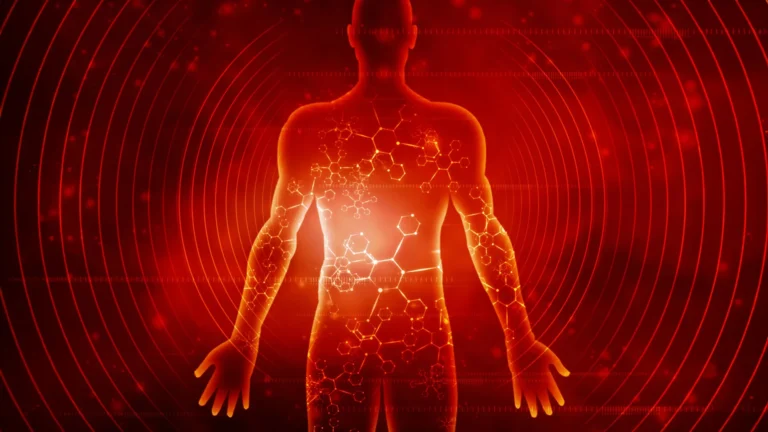
Despite decades of public health campaigns focused on restricting salt, sugar, and saturated fats, the prevalence of diet-related illness continues to rise. This suggests a failure not in the effort, but in the underlying science. We have been treating food as a source of fuel, ignoring the fact that it is a source of information. The chemicals we consume act as "instructions" for our cells, regulating everything from inflammation to immune function. When we ignore the 25,850+ "unknown" compounds in our food, we are effectively ignoring the vast majority of the biological instructions we are sending to our bodies every day.
The Mechanistic Web: How Food Interacts with the Body
The complexity of food chemistry is best illustrated by the Mediterranean diet. Long lauded for its heart-health benefits, its success was previously attributed to its profile of fats and fiber. Modern research, however, is revealing a more intricate mechanism involving the gut microbiome.
Consider the molecule TMAO (trimethylamine N-oxide). Produced when gut bacteria metabolize compounds found in red meat and eggs, high levels of TMAO are strongly associated with an increased risk of heart disease. Conversely, substances found in garlic have been shown to inhibit the production of TMAO. This is a classic example of nutritional "tipping points"—where the balance between health and harm is determined not by a single nutrient, but by the complex interplay between our diet, our bacterial flora, and our liver.
Furthermore, our gut microbes act as a "second brain" for our metabolism. When we eat plant-based foods, our gut bacteria transform compounds like ellagic acid into urolithins—natural molecules that rejuvenate mitochondria, the energy-generating powerhouses of our cells. If the microbiome is compromised, these beneficial chemical transformations cannot occur, rendering even the healthiest food less effective.
Epigenetics: The Legacy of Our Plate
Perhaps the most startling implication of this new science is epigenetics—the study of how environmental factors, specifically diet, can "switch" genes on or off without altering the underlying DNA sequence.
The most famous, and tragic, example of this is the "Dutch Hunger Winter" of 1944–1945. During a period of extreme famine in the Netherlands, pregnant women were forced to endure severe caloric restriction. Decades later, researchers found that the children born to these women had significantly higher rates of heart disease, type 2 diabetes, and obesity. The famine had effectively reprogrammed the gene expression of the developing fetus, a biological "memory" that persisted into adulthood. This serves as a stark reminder: what we eat does not just affect us; it can leave a molecular legacy that impacts our health and the health of future generations.
Official Responses and the "Foodome" Initiative
The scientific community is moving rapidly to address this gap. The Foodome Project is a flagship initiative currently attempting to catalogue this hidden chemical universe. By mapping the "foodome"—the complete set of compounds in food and their interactions with the human body—researchers have already identified over 130,000 molecules.
The goal is to move away from generic "eat this, not that" advice and toward a data-driven understanding of nutrition. Official health organizations are beginning to acknowledge that the future of medicine lies in personalized nutrition. By identifying which molecules matter, we may soon be able to:
- Develop Targeted Therapeutics: Using food compounds as precursors for new, natural drug therapies.
- Personalize Diets: Tailoring nutritional plans based on an individual’s unique gut microbiome and genetic predispositions.
- Prevent Disease: Moving from reactive medicine (treating symptoms) to proactive nutrition (using food to prevent biological errors before they manifest as disease).
Implications for the Future
The implications of uncovering nutritional dark matter are profound. We are effectively in the "pre-telescope" era of nutrition. Just as the discovery of dark matter forced physicists to rethink the composition of the universe, the study of the foodome is forcing us to rethink the composition of health.
In the coming years, we can expect a paradigm shift in how food is marketed, regulated, and prescribed. We may move toward a system where "food-as-medicine" is backed by precise, molecular-level data. The goal is no longer just to "eat well" in a vague sense, but to understand the chemical conversation occurring between our meals and our biology.
Ultimately, this research suggests that the answer to our chronic disease epidemic is not a "magic bullet" pill, but a deeper, more sophisticated relationship with the natural world. By decoding the hidden chemical universe on our plates, we may finally be able to bridge the gap between our genetic potential and our actual health outcomes. The map is currently being drawn; we have only just begun to see the landscape.