
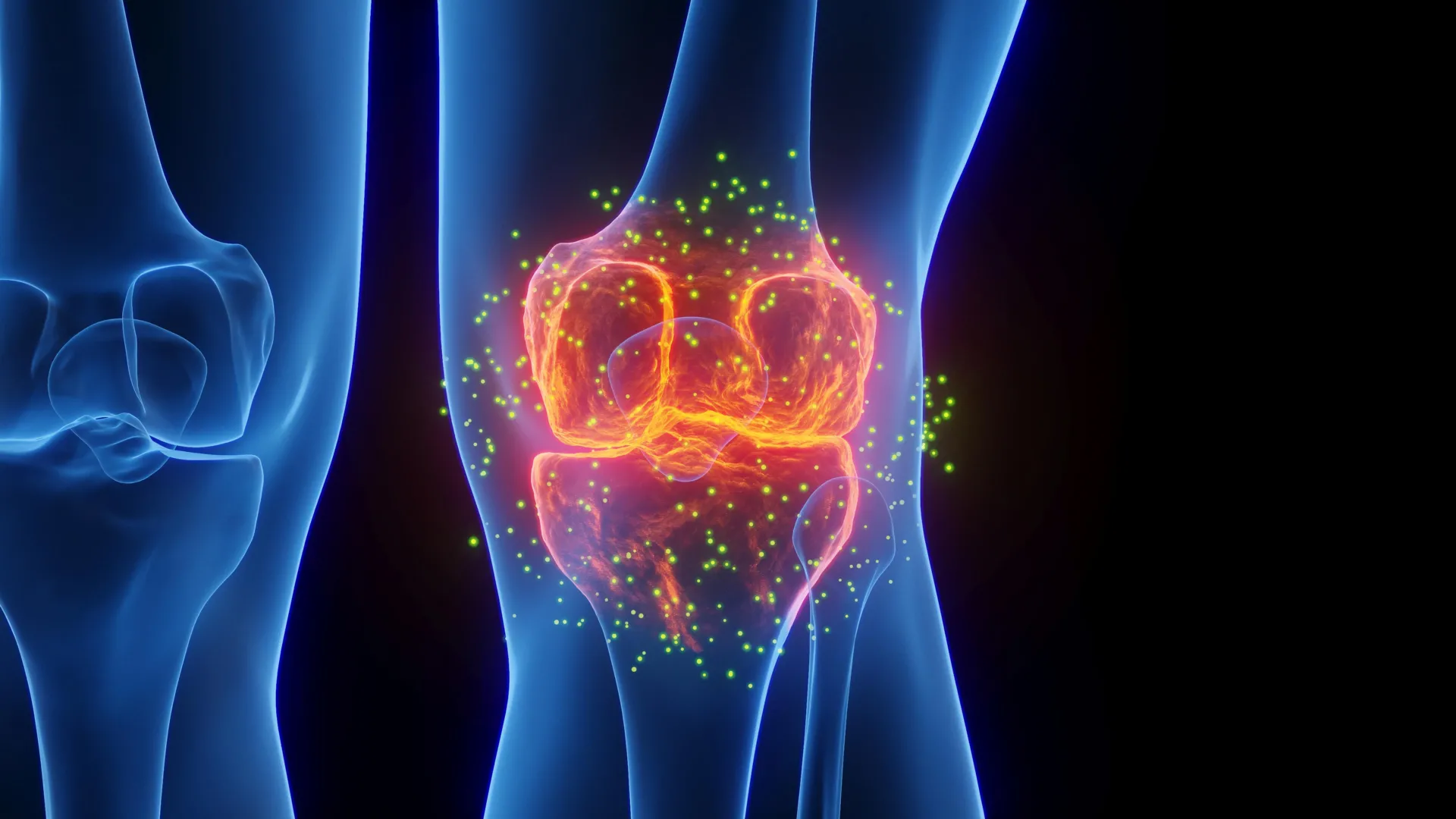
In an era defined by the rapid accessibility of convenience foods, a new study has shed light on a troubling biological consequence of the modern diet. Research published in the journal Radiology—an official publication of the Radiological Society of North America (RSNA)—indicates that high consumption of ultra-processed foods (UPFs) is directly linked to an increase in fat infiltration within thigh muscles. This physiological change, known as fatty degeneration, may be a critical, previously overlooked factor in the development and progression of knee osteoarthritis.
As global rates of obesity and joint-related disorders continue to climb, the findings suggest that the quality of our calories may be just as important as the quantity, challenging the long-held medical consensus that weight management is solely a function of caloric balance.
The Core Findings: Muscle Quality Over Quantity
For decades, clinicians have advised patients to manage their weight to mitigate the mechanical stress placed on knee joints. However, the study led by Dr. Zehra Akkaya, a researcher at the University of California, San Francisco (UCSF), suggests that standard BMI measurements and caloric counting do not tell the whole story.
Using non-enhanced magnetic resonance imaging (MRI), researchers observed that participants who consumed higher quantities of ultra-processed foods exhibited increased streaks of fat within their muscle tissue. This phenomenon, where fat replaces healthy muscle fibers, compromises the integrity of the muscle. When these muscles—which act as shock absorbers for the knee—become infiltrated with fat, the joint loses its primary line of defense against degenerative wear and tear. Crucially, this correlation persisted even after researchers adjusted for variables such as total fat intake, physical activity levels, and socioeconomic status.
Defining the Modern Diet: What Are Ultra-Processed Foods?
To understand the scope of the study, one must first define the dietary culprits. Ultra-processed foods are not merely "processed"; they are industrially formulated products created to be hyper-palatable, shelf-stable, and inexpensive. They are typically composed of substances derived from whole foods—such as oils, fats, sugars, starches, and protein isolates—but are often further manipulated through chemical processes.
Common examples identified in the research include:
- Breakfast Staples: Mass-produced sugary cereals and instant oatmeal packets.
- Convenience Meals: Frozen pizzas, instant noodles, and ready-to-eat microwaveable dinners.
- Snack Foods: Packaged chips, crackers, and candy bars.
- Beverages: Sodas, energy drinks, and heavily sweetened "fruit" juices.
- Processed Proteins: Hot dogs, chicken nuggets, and reconstituted deli meats.
These foods are engineered to stimulate the brain’s reward centers, often bypassing natural satiety signals. This creates a cycle of overconsumption, but as Dr. Akkaya notes, the chemical alteration of these foods represents a fundamental shift in human nutrition that has occurred in parallel with the rise of chronic musculoskeletal conditions.
A Chronology of Research: Tracking the Knee Osteoarthritis Crisis
The study drew from the Osteoarthritis Initiative, a massive, multi-year, nationwide research program funded by the National Institutes of Health (NIH). This initiative was specifically designed to track the trajectory of knee osteoarthritis, identifying early biomarkers that might allow for preventative intervention before the condition becomes debilitating.
The Study Population
The researchers analyzed data from 615 participants, aged 60 on average, who were identified as being at risk for knee osteoarthritis but had not yet shown clinical signs of the disease on imaging. The cohort was balanced, consisting of 275 men and 340 women with an average BMI of 27, placing the group in the "overweight" category.
Dietary Assessment
Participants provided detailed dietary information covering the year leading up to their imaging. The data revealed a startling reliance on industrial food products: approximately 41% of the total caloric intake among the study group came from ultra-processed sources.
The Diagnostic Breakthrough
The researchers utilized standard MRI scans, which are already commonly available in clinical settings. By focusing on the "fatty degeneration" of the thigh muscle, they were able to quantify muscle quality without the need for expensive or invasive diagnostic procedures. This makes the findings highly practical for general practitioners and radiologists who wish to implement dietary counseling as part of a routine musculoskeletal check-up.
Supporting Data: Why Fat Infiltration Matters
The presence of fat within the muscle (intramuscular fat) is not merely a cosmetic concern. In the context of knee health, the thigh muscles—specifically the quadriceps—provide essential stability and force absorption during walking, standing, and stair climbing.
When fat replaces muscle tissue, several biomechanical issues emerge:
- Reduced Contractile Force: Fatty muscle is less efficient at contracting, meaning the leg is less able to support the body’s weight during movement.
- Impaired Joint Protection: As the muscle weakens, the load is transferred directly to the knee joint, accelerating the erosion of cartilage.
- Metabolic Dysfunction: Emerging research suggests that intramuscular fat is metabolically active, potentially releasing inflammatory markers that further damage joint health.
The study confirms that regardless of how much a person exercises or how many total calories they consume, a high-UPF diet is independently linked to this degradation. This indicates that the "chemical architecture" of our food may be directly altering our musculoskeletal structure.
Official Perspectives: The Medical Community Responds
Dr. Zehra Akkaya, the lead author of the study, emphasizes that the medical community needs to pivot its approach to osteoarthritis treatment. "Addressing obesity is a primary objective and frontline treatment for knee osteoarthritis," Dr. Akkaya stated. "Yet, the findings from this research emphasize that dietary quality warrants greater attention."
Redefining Weight Loss
For years, the prescription for osteoarthritis has been "lose weight and exercise." While these remain important, the research suggests that a patient who loses weight by cutting calories through "diet" versions of ultra-processed foods may still be failing to protect their muscle quality. Dr. Akkaya advocates for a holistic shift: weight loss regimens must prioritize nutrient density and the reduction of industrially processed ingredients to ensure that the weight being lost is excess fat, not functional muscle.
The Role of Radiology
The study also highlights a shift in the role of the radiologist. By identifying muscle quality markers on standard MRIs, radiologists can provide clinicians with actionable data that goes beyond simply "checking for bone spurs" or "cartilage loss." This integration of nutritional health into diagnostic imaging could revolutionize how we monitor patients at risk for chronic disease.
Implications: Moving Toward a Nutrition-First Treatment Model
The implications of this research are broad, affecting both public health policy and individual patient care.
Public Health and Policy
The study contributes to the growing body of evidence suggesting that UPFs are a public health hazard akin to smoking or sedentary behavior. There is a strong argument for clearer food labeling and potential taxation or regulation of ultra-processed products, as the long-term healthcare costs of knee osteoarthritis—which is one of the most expensive non-cancer health issues in the U.S.—could be mitigated through improved dietary habits.
Clinical Recommendations
For clinicians, the takeaway is clear:
- Dietary Screenings: During consultations, physicians should specifically ask about the frequency of ultra-processed food intake, rather than just total caloric intake.
- Muscle Preservation: Exercise programs for at-risk patients should be coupled with nutrition plans that prioritize whole, unprocessed foods to prevent further fatty infiltration of the muscles.
- Early Intervention: Since the study focused on individuals at risk for osteoarthritis, it proves that there is a window of opportunity to intervene before the structural damage to the joint becomes irreversible.
Future Research Directions
While this study is the first to use MRI to specifically link UPF consumption to thigh muscle composition, researchers are calling for longitudinal studies to track whether reducing UPF consumption can actually reverse fatty degeneration. If muscle quality can be improved through diet, it would offer a powerful, non-surgical tool for preventing the widespread suffering associated with osteoarthritis.
Ultimately, the research serves as a stark reminder that our bodies are built from the food we consume. When that food is stripped of its natural state and replaced by chemical substitutes, our tissues—from our thigh muscles to our knee joints—bear the cost. By moving away from the convenience of the factory-made diet, we may find a more stable, functional, and pain-free path forward.