









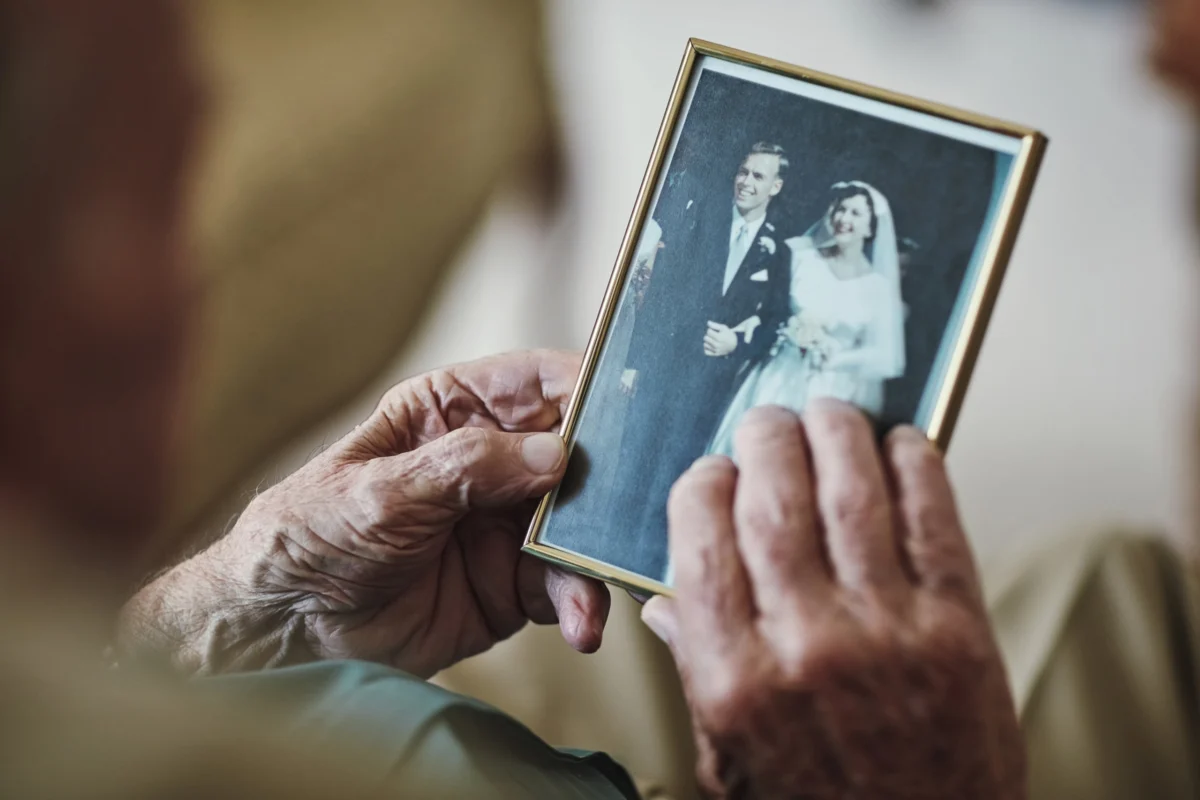
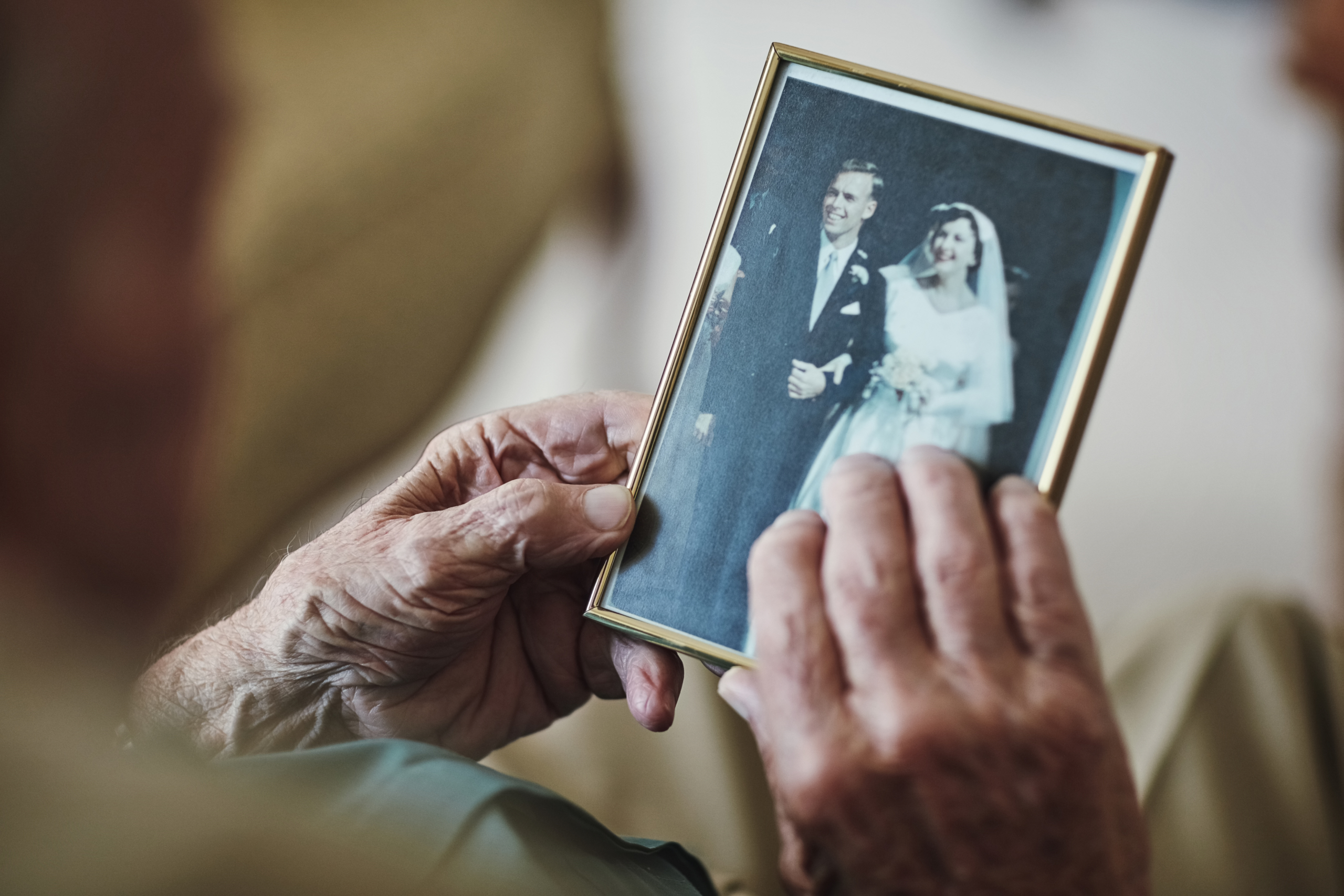
As May brings the dual observance of Older Americans Month and Mental Health Awareness Month, a sobering reality takes center stage: the profound, often invisible, struggle of loneliness among our aging population. While society often equates aging with wisdom and leisure, for millions of seniors, the golden years are increasingly defined by the quiet, eroding weight of social isolation.
Recent data from the National Institute on Aging (NIA) indicates that approximately one in four adults aged 65 and older are socially isolated. This is not merely an emotional grievance; it is a clinical crisis with measurable physiological consequences. As we navigate a rapidly digitizing world, the chasm between the aging population and the community continues to widen, necessitating a robust, multi-faceted approach to connection, health, and dignity.
The Core Facts: Understanding the Scope of the Crisis
Loneliness is often mistakenly categorized as a benign byproduct of retirement or widowhood. However, health experts define it as a significant public health risk. Loneliness is the subjective feeling of being alone, regardless of social contact, while social isolation is the objective state of having few social relationships or infrequent social contact with others.
The confluence of these two states creates a dangerous environment for the elderly. According to federal health agencies, the lack of a strong social network is as detrimental to health as smoking 15 cigarettes a day. For the senior population, this isn’t just about feeling "blue"—it is about the tangible degradation of physical and mental systems.
Chronology of a Crisis: From Independence to Isolation
The transition into social isolation for an older adult is rarely an overnight occurrence. It is often a cumulative process involving several life-altering events:
- The Retirement Transition: The loss of the workplace social structure, which provides daily interaction and a sense of purpose, often creates an immediate "social vacuum."
- The Erosion of Mobility: As age-related declines in vision, hearing, or physical stamina occur, the ability to drive, walk through a park, or navigate public transit diminishes. This limits the "geography of social interaction."
- The Widowhood Effect: The loss of a spouse is the single most significant predictor of isolation. The partner is often the primary source of daily discourse; their absence necessitates a radical restructuring of daily life that many are not equipped to handle alone.
- Technological Displacement: As essential services move online—from medical appointments to banking—seniors who lack digital literacy or access find themselves increasingly alienated from the mechanisms of daily life.
Supporting Data: The Biological and Psychological Toll
The implications of chronic loneliness are staggering. Research published by the Centers for Disease Control and Prevention (CDC) and the NIA highlights a correlation between isolation and several chronic conditions.
The Physical Implications
- Cardiovascular Disease: Isolated seniors are at a significantly higher risk for heart disease and stroke. The chronic stress response associated with loneliness increases systemic inflammation.
- Immune System Dysfunction: Chronic loneliness has been linked to a weakened immune response, making older adults more susceptible to infections and slower to recover from surgeries or illnesses.
- Cognitive Decline: There is a well-documented link between social isolation and the acceleration of dementia and Alzheimer’s disease. Engagement with others acts as a "cognitive workout" that keeps neural pathways active.
The Psychological Implications
- Depression and Anxiety: The absence of a support network exacerbates existing mental health conditions and often leads to the development of geriatric depression.
- Sleep Disruption: Loneliness is closely tied to fragmented sleep, which further degrades cognitive function and physical healing.
- Increased Mortality: Studies have shown that the risk of premature death from all causes is higher for individuals who report feeling lonely compared to those who do not.
Barriers to Connection: Why Seniors Retreat
Understanding why seniors become isolated requires an examination of the barriers that prevent them from participating in their communities. It is rarely a choice; it is often an insurmountable hurdle of logistics and confidence.
The Mobility Barrier
Community mobility is the bedrock of independence. When an older adult loses the ability to drive or finds public transportation intimidating, their world shrinks to the size of their home. This "homebound" state is the primary catalyst for isolation. The fear of falling—a major concern for those with mobility issues—often leads to "self-imposed isolation," where the senior stops leaving the house to avoid the risk of injury.
The Communication Barrier
Age-related sensory loss, particularly hearing impairment, is a silent contributor to isolation. When an individual struggles to follow a conversation, they often withdraw from social gatherings to avoid the embarrassment of misunderstanding or being unable to contribute. This withdrawal is often misinterpreted by family members as "becoming quiet" or "losing interest," when in fact, the individual is simply struggling to engage with the world.
The Confidence Gap
Loss of confidence in performing everyday tasks—navigating a new shopping mall, using a smartphone, or even ordering in a restaurant—creates a sense of vulnerability. This anxiety keeps many seniors within the comfort of their homes, effectively cutting them off from the "social pulse" of their neighborhoods.
Official Responses and Strategic Interventions
Government and non-profit organizations have begun to recognize that social health must be prioritized alongside physical health.
The National Institute on Aging (NIA) Initiative
The NIA has developed comprehensive toolkits designed to help seniors and their caregivers identify the early signs of isolation. These resources emphasize "Social Prescribing"—a movement where healthcare providers prescribe social activities, such as community garden projects, volunteer opportunities, or local book clubs, as a legitimate medical treatment to improve patient outcomes.
The Role of the Eldercare Locator
The Eldercare Locator, a public service of the U.S. Administration for Community Living, serves as a vital bridge. By providing a searchable directory of local aging and disability resource centers, it connects families to:
- Transportation Services: Programs that provide door-to-door transit for medical and social needs.
- Nutrition Programs: Meal delivery services that ensure seniors not only receive food but also have a daily wellness check from a friendly face.
- Caregiver Support: Respite programs that allow primary caregivers to rest, ensuring the long-term sustainability of the home environment.
The Path Forward: A Societal Mandate
Addressing the loneliness epidemic requires a shift in how we view the aging process. It is not a stage to be endured in solitude, but a time that requires intentional community design.
Rebuilding Intergenerational Bridges
Schools and community centers can play a pivotal role by fostering intergenerational programs. When youth and seniors interact, both cohorts benefit. Younger generations gain wisdom and perspective, while older adults regain a sense of relevance and connection to the evolving culture.
Technological Inclusion
We must advocate for "inclusive design" in technology. User interfaces for banking, healthcare, and social media must be accessible to those with visual or cognitive impairments. Training programs that teach seniors how to use video calling platforms can bridge the physical distance between families, effectively turning isolation into connection.
The Responsibility of the Community
Neighbors, faith-based organizations, and local government have a role to play. A simple, regular check-in with an elderly neighbor can be the difference between a life of isolation and one of engagement. It is time to treat social isolation with the same urgency we treat physical illnesses. By acknowledging the problem and utilizing the resources available, we can ensure that our older Americans remain active, valued, and connected participants in the fabric of our society.
As we conclude Older Americans Month, let the message be clear: Loneliness is not an inevitable aspect of aging. It is a challenge that can be mitigated through policy, technology, and, most importantly, human empathy. If you or a loved one are struggling, remember that resources like the Eldercare Locator are just a call or a click away. It is never too late to reach out, and it is never too late to be reached.
Katie Riley serves as Vice President of Communications at the Alliance. Her work focuses on bridging the gap between clinical research and public understanding, advocating for policies that support a dignified and healthy aging process for all Americans.