










By Medical News Desk
August 6, 2026
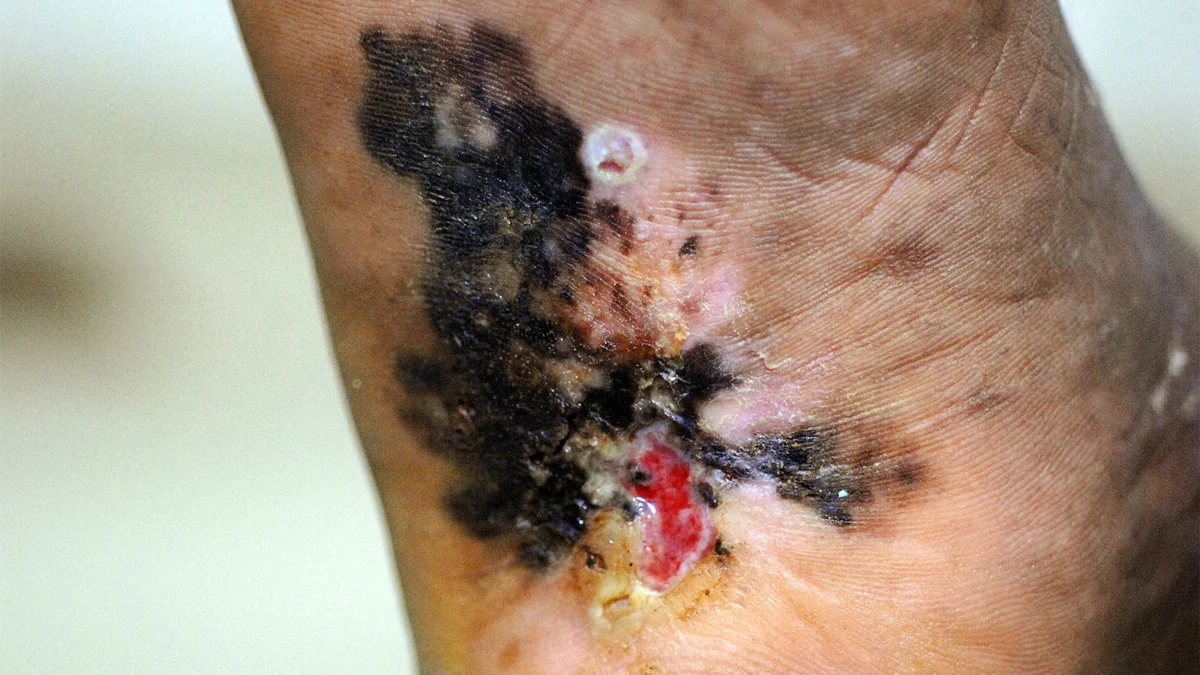
In a landmark decision that has ignited fierce debate within the oncology community, the U.S. Food and Drug Administration (FDA) has granted accelerated approval to vusolimogene oderparepvec (Tudriqev), an innovative genetically modified oncolytic viral therapy. Marketed as RP1, the treatment is approved for use in combination with nivolumab (Opdivo) to treat adults suffering from unresectable advanced cutaneous melanoma—specifically for those whose disease has progressed following prior anti-PD-1-based immunotherapy.
This decision marks the culmination of a turbulent regulatory journey for the therapy, which had previously faced two significant rejections from the agency. As the medical community digests the news, the approval stands as both a beacon of hope for patients with limited options and a lightning rod for concerns regarding the rigor of the FDA’s accelerated approval pathway.
The Clinical Landscape: Addressing Unmet Need
For patients diagnosed with advanced melanoma, the introduction of anti-PD-1 checkpoint inhibitors—such as nivolumab and pembrolizumab—transformed the standard of care, offering durable responses for many. However, for a significant subset of patients, these therapies eventually fail, leading to disease progression. Once a patient stops responding to PD-1 blockade, their clinical outlook often becomes grim, and subsequent treatment options have historically been both limited and suboptimal.
Vusolimogene oderparepvec is designed to address this specific clinical void. As an oncolytic virus, it is engineered to selectively replicate within tumor cells and induce a robust immune response. By combining this viral mechanism with the systemic immune-boosting effects of nivolumab, clinicians hope to "re-sensitize" the patient’s immune system to recognize and attack the cancer cells that were previously resistant to therapy.
Chronology of a Regulatory Roller-Coaster
The path to this week’s approval was far from straightforward. The trajectory of RP1’s regulatory review serves as a case study in the complexities of modern drug development and the friction that can arise between industry stakeholders and federal regulators.
The Early Setbacks
In 2025, the FDA issued its first Complete Response Letter (CRL) regarding RP1, signaling that the initial data package was insufficient to support approval. The company, Replimune, attempted to address these concerns by providing additional data, including exploratory analyses and preliminary findings from the ongoing Phase III IGNYTE-3 trial. However, the agency remained unconvinced, issuing a second rejection earlier in 2026.
These rejections were characterized by intense scrutiny of the study’s design and data integrity. Industry analysts often noted that the regulatory hurdles faced by RP1 were reflective of a broader, more conservative approach adopted by the FDA during the tenure of former Commissioner Dr. Marty Makary, whose leadership was marked by several high-profile and controversial drug approval decisions.
The Advisory Committee Pivot
The tide shifted following a pivotal meeting of the Cellular, Tissue, and Gene Therapies Advisory Committee held just last week. Despite clear warnings from FDA staff—who explicitly described the methods used to assess the IGNYTE study results as "unreliable" and "inadequate"—the independent panel of experts voted 10-3 in favor of the therapy’s efficacy. The committee’s consensus was that the study demonstrated "evaluable and clinically meaningful" results, a sentiment that ultimately provided the political and clinical cover the FDA needed to reverse its previous stance.
Supporting Data: The IGNYTE Study
The foundation for this approval rests on the Phase II IGNYTE study, a single-arm trial involving 140 patients with stage IIIB, IIIC, or IV unresectable advanced melanoma. All participants had experienced documented disease progression after at least eight consecutive weeks of prior anti-PD-1-based therapy.
Key Efficacy Metrics
- Objective Response Rate (ORR): Patients achieved an ORR of 24%. In the context of refractory melanoma, this is considered a significant achievement by many oncologists, given the aggressive nature of the disease at this stage.
- Duration of Response (DOR): The median duration of response was recorded at 14.1 months, suggesting that for those who do respond, the therapeutic benefit may be durable.
While these numbers are promising, the FDA’s internal review team maintained that the data were confounded by the study’s design. The agency expressed concern that the lack of a randomized, controlled arm made it difficult to isolate the true efficacy of RP1 from the potential continued effects of the combination therapy or the heterogeneous nature of the patient population.
Official Responses and Clinical Perspectives
The FDA’s announcement acknowledged the controversy while emphasizing the urgency of the medical need. "For patients with advanced melanoma that have stopped responding to PD-1 blocking therapy, the prognosis is often devastating, and options have been far too limited," stated Karim Mikhail, BPharm, MS, acting director of the FDA’s Center for Biologics Evaluation and Research. "Today’s important milestone gives oncologists a meaningful new tool—and more patients a fighting chance."
However, the medical community remains divided. Proponents argue that the approval honors the "patient-first" philosophy, allowing individuals with terminal diagnoses access to potentially life-extending therapies that might otherwise be trapped in years of further clinical trials. Conversely, skeptics worry that the approval sets a dangerous precedent, potentially lowering the evidentiary threshold for future accelerated approvals and complicating the ability of clinicians to distinguish between truly revolutionary therapies and those with marginal benefits.
Safety Profile and Practical Implications
As with any potent immunotherapy, the introduction of RP1 into clinical practice brings significant safety considerations. The prescribing information carries explicit warnings for several potential risks:
- Infection and Reactivation: Due to the nature of the viral therapy, there is a risk of herpetic infection or reactivation.
- Injection Site Complications: The procedure requires precise administration, and local site reactions are common.
- Systemic Immune Events: As the therapy triggers a systemic immune response, clinicians must be vigilant for immune-mediated toxicities similar to those seen with standard checkpoint inhibitors.
The most frequently reported adverse events in the IGNYTE trial included fatigue, pyrexia (fever), chills, nausea, and musculoskeletal pain. Less common but notable side effects included arthralgia, dyspnea, and various injection-site reactions. Clinicians are advised to monitor patients closely, particularly during the early phases of treatment, to manage these toxicities effectively.
Implications for the Future of Oncology
The approval of vusolimogene oderparepvec marks a turning point in the use of oncolytic viruses in the United States. For years, the field has struggled to move from promising bench science to reliable clinical practice. With this endorsement, the landscape for refractory melanoma treatment has been permanently altered.
A New Standard for "Refractory" Patients
Oncologists now have a "second-line" option for patients who fail anti-PD-1 therapy. The success of this drug will likely depend on real-world evidence (RWE) gathered in the coming months. The FDA has made it clear that while this is an accelerated approval, the company will be required to conduct further studies to verify the clinical benefit.
The Regulatory Debate Continues
This case also underscores the ongoing tension regarding the FDA’s accelerated approval pathway. By granting approval despite internal dissent, the agency is signaling a willingness to accept higher degrees of uncertainty when dealing with high-mortality, low-option disease states. Whether this leads to a broader trend of "faster, riskier" approvals or serves as an outlier remains to be seen.
Ultimately, for the patient at the bedside, the approval of RP1 represents a new chapter. As researchers continue to analyze the IGNYTE data, the primary focus must remain on identifying which specific patient populations are most likely to benefit from this combination. The medical community will be watching closely, as the performance of Tudriqev in the real world will be the final arbiter of whether this controversial regulatory gamble was, in fact, a triumph for public health.