





By Editorial Staff
In an era where modern medicine often leans toward a "one-size-fits-all" approach to healthcare, a growing segment of the wellness population is turning back to the ancient, highly granular methodologies of Ayurveda. At its core, Ayurveda is not merely a system of herbal remedies; it is a philosophy of radical personalization. As practitioner Nishita Shah notes, "No two bodies are the same. No two beings are the same." This foundational belief is what distinguishes Ayurveda from contemporary clinical models and serves as the bedrock for the most potent of its therapeutic interventions: Panchakarma.
The Core Philosophy: Moving Beyond Symptomatic Relief
In the Western medical model, a patient presenting with pain might be categorized by the location of the discomfort or the underlying pathology—such as osteoarthritis or neuropathy. In Ayurveda, however, pain is classified by its energetic quality. A practitioner analyzes whether the pain is Vata-type (often sharp, erratic, or dry), Pitta-type (inflammatory, burning, or sharp), or Kapha-type (dull, heavy, or congestive).
This depth of inquiry extends to chronic conditions as well. While allopathic medicine typically classifies diabetes into two primary types, traditional Ayurvedic texts outline 20 distinct classifications of the disease. This is not a contradiction of science, but a difference in perspective; Ayurveda focuses on the samprapti, or the pathogenesis—the unique journey of a disease as it manifests in a specific individual. By identifying the root cause rather than applying a "band-aid" to symptoms, practitioners create protocols that address the unique constitutional makeup of the patient.
The Three Stages of Panchakarma: A Chronological Framework
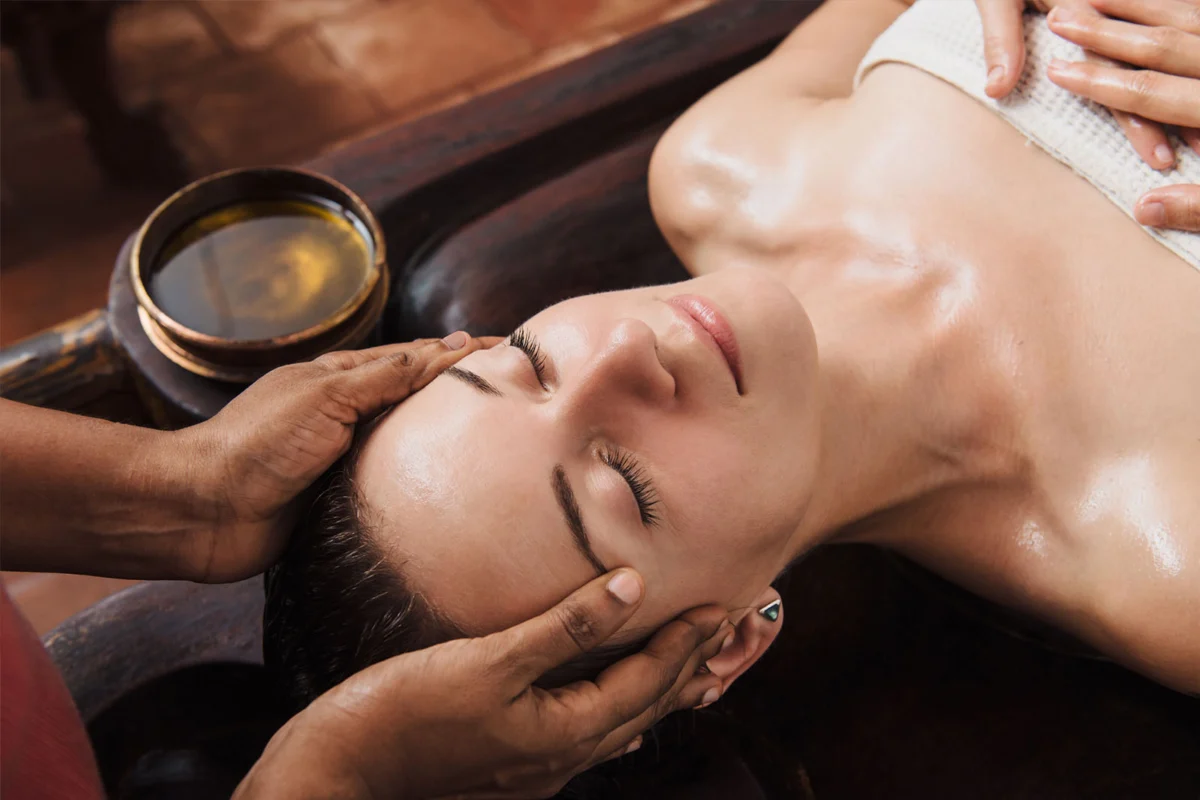
Panchakarma, often misunderstood as a simple "detox," is a highly sophisticated, three-stage clinical process designed to systematically purge toxins (ama) from the deep tissues and restore the body’s innate balance.
Stage 1: Purvakarma (The Preparatory Phase)
The efficacy of the main treatment relies entirely on the quality of preparation. Purvakarma is the stage of priming the system. It serves two vital functions: kindling the digestive fire (Agni) and performing internal oleation.
The practitioner must determine if the patient requires internal stimulation, such as digestive-enhancing spices like ginger, or a specific dietary monodiet to prepare the gut. Simultaneously, the patient undergoes internal oleation—consuming medicated ghees or oils designed to soften and "melt" toxins that have adhered to the deep tissues, moving them into the gastrointestinal tract for eventual expulsion.
Stage 2: Pradhana Karma (The Five Actions)
Once the system is primed, the Pradhana Karma or the "Five Actions" begin. This is the clinical heart of the treatment, where specialized therapies are applied:
- Virechana (Purgation): Targeting the liver, gallbladder, and small intestine—the seats of Pitta—this therapy uses mild laxatives to flush excess heat and bile from the system.
- Basti (Medicated Enema): Focusing on the large intestine, the site of Vata. Unlike a standard medical enema, Basti uses herbalized teas or oils designed to nourish the colon wall and balance the nervous system.
- Vamana (Emesis): A highly specific treatment reserved for severe Kapha imbalances. By using licorice and salt water, the practitioner induces a therapeutic vomiting to clear excess phlegm from the stomach. It is a potent therapy that requires careful supervision.
- Nasya (Nasal Administration): The application of medicated oils into the nasal passages. This therapy is highly effective for "head-space" imbalances, including sinus congestion, memory fog, and neurological tension.
- Raktamoksha (Blood Cleansing): Historically involving the use of leeches to purify the blood, this practice is rare in the modern American context. While the blood is viewed as jivanam (life-giving), modern practitioners often opt for systemic cleansing methods that achieve similar results without invasive leech therapy, unless specific medical conditions dictate otherwise.
Stage 3: Paschyatkarma (The Rejuvenation Phase)
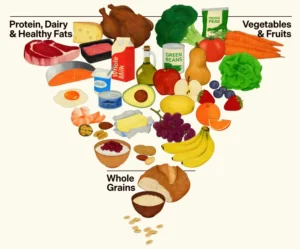
The conclusion of the "Five Actions" leaves the body in a state of deep cleansing, which can often leave the patient feeling fatigued. Paschyatkarma is the critical post-treatment period. Here, the practitioner designs a transition diet and lifestyle plan to rebuild the dhatus (tissues) and stabilize the digestive fire. Without this phase, the body would be left vulnerable; thus, it is as essential as the detoxification itself.
The Critical Role of the Practitioner
The technical nature of these stages illustrates why Ayurveda cannot be treated as a "do-it-yourself" wellness trend. A practitioner’s role is that of a navigator. They must monitor the patient’s prakruti (constitutional state of balance) and vikruti (current state of imbalance) throughout the entirety of the process.
"Without the practitioner, doshic imbalances can worsen or take a turn in a direction that is less than desirable," warns Shah. The clinical eye required to assess the strength of Agni and the depth of Ama is not something learned in a weekend workshop; it is the result of rigorous, traditional education.
Implications for Modern Healthcare
The rise of Ayurveda in the West presents an interesting intersection between ancient wisdom and contemporary wellness demands. As the population seeks more holistic, personalized care, the Ayurvedic model offers a compelling alternative to standardized treatment protocols.
However, the industry faces a challenge: quality control. Because Panchakarma is so deeply reliant on the practitioner’s skill, the "standardization" of Ayurveda is a paradox. Patients must look for centers that prioritize individualization over mass-marketed "detox retreats."
Supporting Data and Selection Criteria
When selecting a facility or practitioner for Panchakarma, potential clients should evaluate the center based on the following:
- Educational Pedigree: Does the practitioner have a background in authorized Ayurvedic studies programs?
- Customization Protocols: Does the facility offer a pre-treatment consultation that assesses your prakruti and vikruti?
- Transparency: Are the oils, herbs, and detoxification agents disclosed and explained?
As Ayurveda continues to gain traction in the United States, the burden of success rests on the alignment between the patient’s health goals and the practitioner’s clinical expertise.
Conclusion
Panchakarma is more than a wellness trend; it is a profound, structured medical intervention designed to reset the human biological system. By honoring the individual’s unique constitutional needs through the three stages of Purvakarma, Pradhana Karma, and Paschyatkarma, practitioners can facilitate healing that is both deep and sustainable. As we look toward the future of integrated medicine, the lessons of Ayurveda—that health is a process of constant re-balancing, not a static destination—remain as relevant today as they were thousands of years ago.
For those interested in the formal training required to uphold these standards, resources such as the Ayurvedic Studies Programs provide the necessary framework for future practitioners. Meanwhile, institutions like the SoHum Mountain Healing Resort represent the growing infrastructure for authentic, guided Ayurvedic wellness in the modern age.
Ultimately, the beauty of this system lies in its complexity. It demands patience, it demands expertise, and most importantly, it demands a recognition that each human life is a unique expression of nature, requiring a unique path to wellness.