






In the quiet landscape of human physiology, few processes are as vital yet as frequently overlooked as the structural integrity of our skeleton. While the medical community and the public at large are well-versed in the risks of osteoporosis, a precursor condition known as osteopenia remains a significant, often under-recognized public health crisis. Affecting approximately 40% of adults worldwide, this condition represents a thinning of bone mineral density that, if left unaddressed, serves as a harbinger for debilitating fractures and chronic frailty.
Main Facts: The Anatomy of Bone Loss
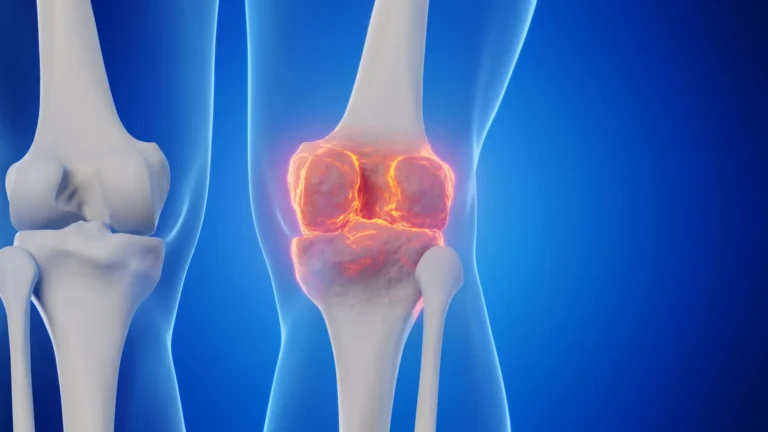
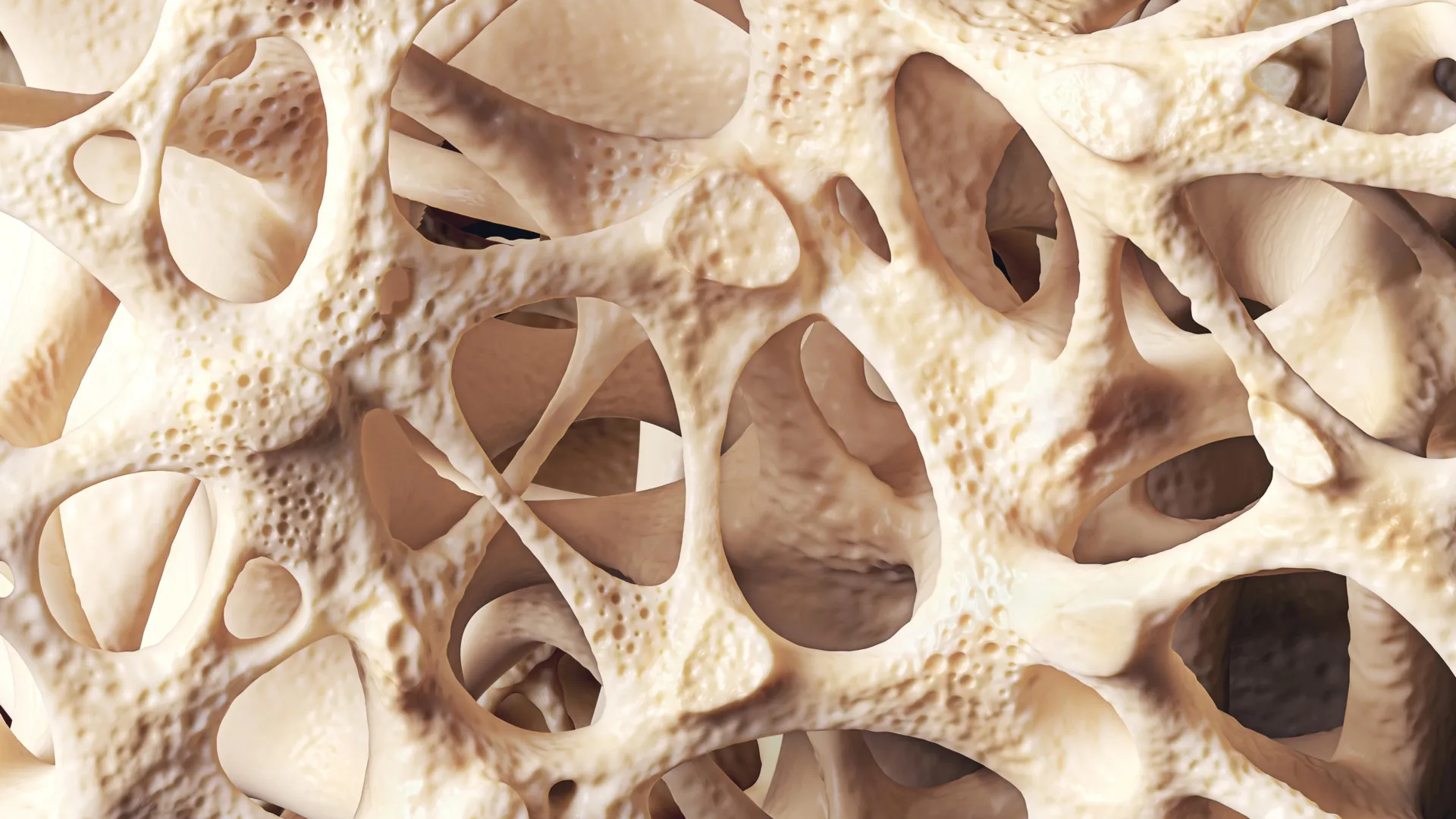
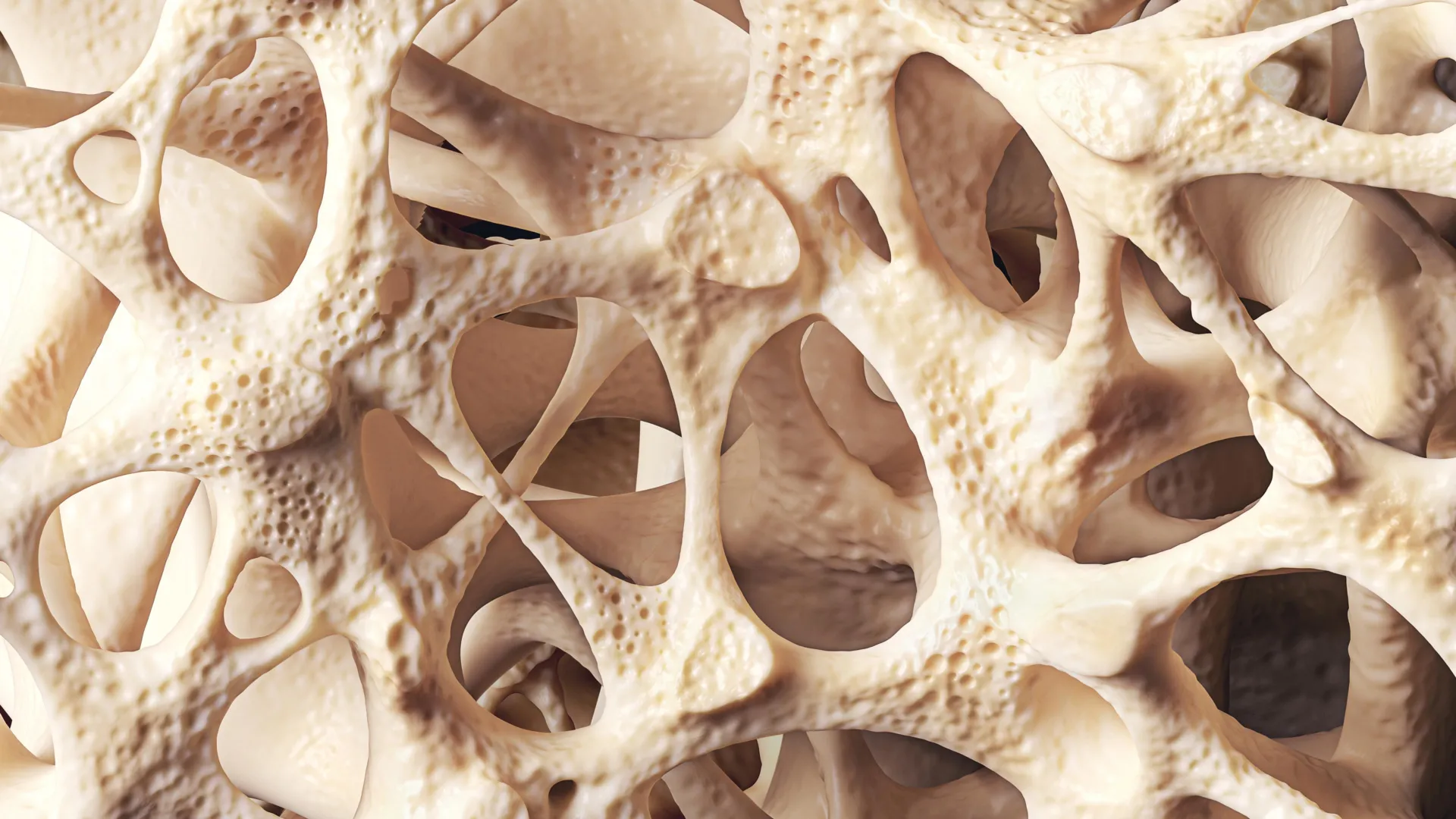
At its core, osteopenia is a condition characterized by lower-than-normal bone mineral density (BMD). It is not a disease in the traditional, symptomatic sense; rather, it is a clinical marker indicating that the "bone bank" is being depleted faster than it is being replenished.
Bone is a remarkably dynamic tissue, constantly undergoing a process known as bone remodeling. This is a biological cycle of renewal where old or damaged bone tissue is broken down by cells called osteoclasts (resorption) and replaced by new tissue formed by osteoblasts (formation). During the first three decades of life, this process is generally balanced, allowing individuals to reach "peak bone mass" by their mid-20s or early 30s.
However, as the human body enters its fourth decade, the biological tide begins to turn. The rate of bone resorption begins to marginally outpace the rate of bone formation. When this disparity becomes significant enough to lower BMD below the standard reference range for a healthy young adult—but not yet severe enough to be classified as osteoporosis—the patient is diagnosed with osteopenia. Because this transition occurs without pain or overt physical symptoms, many people live with the condition for years, unaware that their skeletal structure is slowly becoming more brittle until a minor fall leads to a major, life-altering fracture.
Chronology of Bone Health: From Peak to Decline
To understand osteopenia, one must view bone health as a lifelong timeline. The "chronology" of our skeleton is dictated by three distinct phases:
- The Accumulation Phase (Childhood to Early 30s): During these formative years, the primary goal is to maximize the density of the skeleton. Adequate calcium, vitamin D, and weight-bearing exercise during these years act as an insurance policy for the future.
- The Maintenance Phase (30s to 50s): The body begins to shift from net growth to net loss. While this is a natural aging process, the speed at which it occurs is heavily influenced by hormonal shifts, lifestyle choices, and underlying health conditions.
- The Fragility Phase (Post-50s): The decline accelerates, particularly for women following menopause. This is the period where osteopenia most commonly transitions into osteoporosis, increasing the risk of "fragility fractures"—breaks that occur from a low-impact incident, such as a fall from a standing height or even a heavy sneeze.
Supporting Data: A Global Burden
The statistics surrounding low bone density are sobering. In the United Kingdom alone, it is estimated that over 500,000 fractures occur annually due to compromised bone density. Globally, the burden on healthcare systems is immense, as the cost of treating fractures—ranging from hip surgeries to long-term rehabilitation—strains the resources of even the most robust medical infrastructures.
Data from longitudinal studies highlights a stark gender disparity. Due to the rapid decline in estrogen during menopause—a hormone that plays a protective role in bone health by inhibiting the cells that break down bone—approximately one in two women over the age of 50 will experience a fragility fracture in their remaining lifetime. These fractures are not merely local injuries; they are systemic events that often lead to a loss of independence, chronic pain, and in severe cases, a significant increase in mortality rates.
Beyond age and gender, the data points to several modifiable and non-modifiable risk factors:
- Lifestyle Choices: Smoking, excessive alcohol consumption, and sedentary behavior are all proven contributors to reduced bone mineral density.
- Nutritional Deficiencies: A lack of calcium and vitamin D creates a "raw material" shortage, preventing the body from maintaining structural integrity.
- Medical Comorbidities: Chronic inflammatory conditions, such as Crohn’s disease or coeliac disease, can impede the body’s ability to absorb essential bone-building nutrients, while long-term use of corticosteroids is a known culprit in accelerating bone density loss.
Official Responses and Diagnostic Standards
The clinical community relies heavily on the Dual-energy X-ray Absorptiometry (DXA) scan as the gold standard for diagnosis. This low-dose X-ray provides a "T-score," a comparative metric that pits the patient’s current BMD against that of a healthy young adult.
- T-score of -1.0 or higher: Considered normal.
- T-score between -1.0 and -2.5: Diagnosed as osteopenia.
- T-score of -2.5 or lower: Classified as osteoporosis.
Health organizations and international osteoporosis foundations emphasize that a T-score in the osteopenia range should not be met with complacency. It is an "early warning system." Modern medical guidelines have shifted toward the use of Fracture Risk Assessment Tools (FRAX). These tools calculate a patient’s 10-year probability of suffering a major fracture by integrating their DXA results with other factors, such as family history, current medication use, and existing health conditions.
Official health guidelines, including those from the NHS and international clinical boards, advocate for a tiered approach to management. For many, the first line of defense is not pharmaceutical, but lifestyle-based.
Implications: The Path Forward
The diagnosis of osteopenia should be viewed as a pivotal opportunity for intervention rather than an inevitable march toward disability. The progression to osteoporosis is not a certainty; it is a trajectory that can be altered through strategic behavioral and medical choices.
The Power of Mechanical Loading
The skeletal system follows the principle of "use it or lose it." Weight-bearing exercises—activities that force the body to work against gravity—are essential. Walking, jogging, dancing, and climbing stairs stimulate osteoblasts, the cells responsible for bone creation. Resistance training (lifting weights) has been shown to be particularly effective in increasing bone density in the hips and spine, the most common sites for osteoporotic fractures. Additionally, practices like Tai Chi offer a dual benefit: they improve bone health while simultaneously enhancing balance and proprioception, thereby reducing the frequency of the falls that lead to fractures.
Nutrition and Supplementation
Dietary intervention remains the foundation of bone health. A diet rich in dairy, leafy greens, and fortified foods provides the necessary calcium, while vitamin D—often difficult to obtain through diet alone—is essential for the body to absorb that calcium. In many regions, particularly those with limited sunlight, clinicians routinely advise supplementation to ensure that serum vitamin D levels remain within an optimal range.
Pharmacological Interventions
When the fracture risk is deemed high, or when lifestyle changes fail to stabilize bone density, clinicians may turn to antiresorptive medications. These drugs, such as bisphosphonates, work by slowing down the natural bone-breakdown process, effectively "locking" the current density in place and providing the body time to catch up with the remodeling cycle. While these treatments are more common in osteoporosis management, they are increasingly being prescribed for high-risk patients with osteopenia, marking a shift toward more proactive, preventative medicine.
Conclusion: A Lifelong Commitment
Ultimately, osteopenia serves as a reminder that the health of our skeletal frame is a cumulative result of our lifespan choices. From the exercise habits formed in our youth to the dietary adjustments made in our middle years, every decision contributes to the strength of our frame.
The medical consensus is clear: early detection, coupled with a rigorous adherence to healthy lifestyle habits, can maintain bone health for decades. We must move away from the outdated notion that bone loss is an unavoidable consequence of aging. Instead, we should embrace the reality that our bones are living, breathing tissues that respond to the environment we create for them. By treating osteopenia as a significant clinical event rather than a mild symptom, we can safeguard our mobility, independence, and overall quality of life well into our later years. Prevention is not a short-term project; it is a long-term commitment to the structural foundation of our existence.