



By Editorial Staff
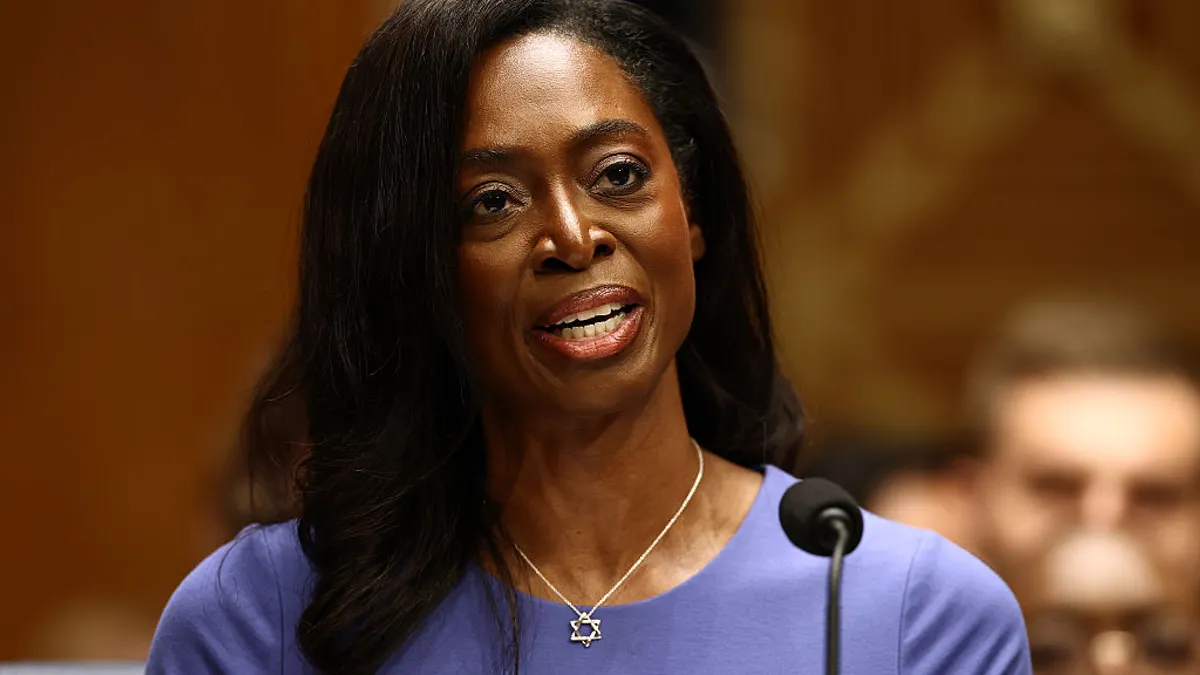
On August 5, 2026, the United States Senate confirmed Dr. Erica Schwartz as the Director of the Centers for Disease Control and Prevention (CDC). Her appointment marks the end of a nearly year-long leadership vacuum at the nation’s premier public health agency, a period defined by intense internal instability, administrative turnover, and a high-profile ideological clash between traditional public health pillars and the directives of the Department of Health and Human Services (HHS).
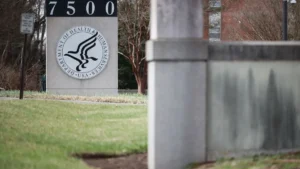
As Dr. Schwartz assumes her duties in Atlanta, she faces an agency that has been significantly diminished by layoffs, waning public trust, and the persistent, disruptive influence of HHS Secretary Robert F. Kennedy Jr.
The Core Challenge: A Landscape of Instability
Dr. Schwartz inherits an agency at a critical crossroads. For the past two years, the CDC has been the focal point of a aggressive overhaul orchestrated by Secretary Kennedy, a long-time vaccine skeptic. This period of "tumultuous tenure," as described by policy analysts, has resulted in a fragmented workforce and a demoralized scientific community.
The central challenge for the new director will be navigating the friction between the agency’s historical reliance on evidence-based medicine and the current administration’s push toward a decentralized, skeptical approach to immunization and public health mandates. The American Public Health Association (APHA) summarized the gravity of the situation in a recent statement: "With all the turmoil of the past two years, the CDC desperately needs stability, experienced leadership, and a steadfast commitment to science."
Chronology: The Kennedy-Era Overhaul
The path to Dr. Schwartz’s confirmation has been paved with significant policy reversals that have fundamentally altered the landscape of American public health.
- Initial Transition (2025): Shortly after taking control of HHS, Secretary Kennedy prioritized the dismantling of long-standing vaccine protocols.
- The Vaccine Pivot: Kennedy’s administration declared that the CDC would no longer recommend COVID-19 vaccinations for healthy children or pregnant women, breaking from global medical consensus.
- Advisory Panel Purge: In a move that sent shockwaves through the medical community, Kennedy fired the entire membership of the Advisory Committee on Immunization Practices (ACIP), a vital panel responsible for vetting vaccine safety and efficacy.
- Childhood Schedule Reductions: Under Kennedy’s guidance, the HHS pushed to slim down the standardized childhood immunization schedule, a move that public health experts warn could lead to the resurgence of preventable diseases.
- Legal Pushback: Much of this agenda was met with immediate litigation. Court battles have successfully blocked several of Kennedy’s more radical directives, acting as a temporary check on the HHS’s ability to override existing federal health recommendations.
- Confirmation of Dr. Schwartz (August 2026): Following months of debate, the Senate moved to confirm Dr. Schwartz, signaling a potential desire to restore some semblance of traditional leadership to the CDC.
Supporting Data and Evidence-Based Medicine
The ideological shift led by the current HHS leadership has relied heavily on skepticism that contradicts established scientific data.
Despite persistent claims from the administration—and President Trump’s own repeated focus on a long-debunked narrative linking vaccines to autism—the scientific consensus remains unchanged. Institutions like Johns Hopkins and the broader medical establishment continue to publish evidence confirming that vaccines do not cause autism and are statistically vital to preventing mass outbreaks of infectious diseases.
Internal reports suggest that Secretary Kennedy has been pressuring health agencies behind the scenes to launch new, redundant studies into the link between vaccines and chronic diseases. Critics argue this is a tactical move to sow doubt, while proponents within the administration frame it as "investigative transparency."
Furthermore, the polling data on public trust in the CDC remains grim. According to surveys from the Harvard T.H. Chan School of Public Health, confidence in the CDC has fallen dramatically in the last 24 months, a trend exacerbated by the frequent public infighting between the White House, HHS, and the agency’s own scientists.
Dr. Erica Schwartz: A Profile in Preparedness
Dr. Schwartz’s resume is being cited by many in the medical community as a primary reason for optimism. She holds an undergraduate degree and a medical degree from Brown University, a Master of Public Health from the Uniformed Services University, and a law degree from the University of Maryland.
Her background as a U.S. Public Health Service officer and her tenure as deputy surgeon general during the first Trump administration provide her with the unique political navigation skills required for her new role. During her confirmation hearings, she was measured and firm, stating, "My sacred responsibility is to provide the American people with public health guidance that is clear, honest, and evidence-based. I will never betray the science."

Official Responses and Political Implications
The confirmation was not without its detractors. Senator Jon Ossoff (D-GA) was among the most vocal critics during the confirmation process, citing a lack of confidence in Dr. Schwartz’s ability to maintain independence from Secretary Kennedy.
"Secretary Kennedy’s reckless and sustained attack on the CDC puts Americans’ health at risk," Ossoff stated. "Against this disturbing backdrop… I lacked sufficient confidence in her independence." However, even in his dissent, Ossoff signaled a pragmatic approach, noting that he remains willing to work with the agency to protect its vital public health missions.
The implications for the 2026 midterms and beyond are significant. Political analysts note that the White House is acutely aware that the aggressive, public rejection of vaccines is often a "losing issue" in general elections. Consequently, there is an ongoing tension within the administration: the desire to satisfy a populist, anti-establishment base versus the need to maintain public health stability to avoid a national crisis.
Future Outlook: Can the CDC Rebuild?
Dr. Schwartz’s tenure will be measured by her ability to balance these conflicting pressures. To restore the agency, she must accomplish three difficult tasks:
- Retention and Recruitment: The CDC has suffered from a brain drain. Restoring morale and filling leadership vacancies with qualified, non-partisan experts is paramount.
- Strategic Communication: The agency must find a way to communicate effectively with the public without appearing to be a mouthpiece for the political whims of the current HHS Secretary.
- Scientific Integrity: As the court battles over vaccine policy continue, Dr. Schwartz will need to decide whether to comply with HHS mandates that run counter to medical literature or to stake her reputation on scientific autonomy.
The road ahead is undoubtedly difficult. The American Public Health Association noted in their closing remarks on her confirmation, "Erica Schwartz has a tough road ahead. We are rooting for her, but the structural damage to the agency’s credibility will take years to repair."
As the new director prepares to step into her office at the CDC’s Atlanta headquarters, the eyes of the medical, political, and scientific worlds remain fixed on her next moves. Whether she will be the stabilizing force the agency desperately needs or another casualty of the ongoing culture wars remains the most pressing question in American public health today.