




The landscape of oncology is undergoing a seismic shift, moving away from conventional treatments toward the highly personalized, precise, and powerful domain of immunotherapy. At the epicenter of this evolution is the Cancer Research Institute (CRI), which has long recognized a fundamental truth: the breakthrough therapies of tomorrow are not merely the result of technological advancement, but the product of the brilliant minds currently navigating the early stages of their scientific careers.
By doubling down on its commitment to nurturing early-career investigators, CRI is effectively building the scientific infrastructure required to turn the tide against cancer. Through a combination of historical legacy and forward-looking digital innovation, the organization is ensuring that the next generation of researchers has the resources, stability, and intellectual freedom to pursue the "impossible."
A Legacy of Vision: From Humble Beginnings to Global Impact
The story of the Cancer Research Institute’s commitment to training is inseparable from the vision of its founding scientific and medical director, Dr. Lloyd J. Old. Established in 1971, the CRI postdoctoral fellowship program was born during a period when the study of the immune system’s role in fighting cancer was often dismissed as speculative or fringe.
Dr. Old, widely regarded as the father of modern tumor immunology, understood that to legitimize and advance this field, he needed more than just funding—he needed a cadre of exceptionally trained young investigators. He envisioned a pipeline of scientists who were not only technically proficient but also intellectually bold enough to challenge the status quo.
Since its inception, this program has acted as a lighthouse for aspiring immunologists. It has supported more than 1,600 scientists across 176 institutions, spanning 30 U.S. states and 15 countries. What started as a small, specialized initiative has blossomed into a global network that serves as the backbone of contemporary cancer research.
Bridging the Digital Divide: The Evolution of the Fellowship
In recent years, the nature of scientific discovery has changed. The integration of high-throughput sequencing, large-scale data analysis, and artificial intelligence has transformed immunology into a data-driven discipline. Recognizing that the future of cancer treatment lies at the intersection of biology and computation, CRI launched the CRI Immuno-Informatics Postdoctoral Fellowship in 2022.
This program represents a strategic pivot toward the future. By equipping researchers with the tools of bioinformatics, computational biology, and AI, CRI is enabling them to decode the complex dialogue between tumors and the immune system with unprecedented granularity. Whether it is predicting how a patient’s immune system will respond to a specific checkpoint inhibitor or designing custom T-cell therapies via predictive modeling, these fellows are utilizing digital intelligence to solve biological enigmas.
Supporting the Next Frontier: Data and Financial Commitment
The financial weight of these initiatives reflects the severity of the challenge and the ambition of the mission. To date, the Cancer Research Institute has invested nearly $200 million into the careers of early-stage researchers. This is not merely a philanthropic gesture; it is a critical investment in human capital.
The need for this support has never been more urgent. In an era marked by periodic federal funding volatility and shifting research priorities, private support often acts as the critical bridge that allows high-risk, high-reward research to continue. This year, in response to the growing demand for stable research funding, CRI bolstered its commitment by injecting an additional $2.5 million into its program. This funding boost provides support for 10 additional postdoctoral fellows, ensuring that the momentum of discovery remains uninterrupted despite external economic pressures.
Meet the New Generation: The Fall 2025 and Spring 2026 Cohorts
The announcement of the Fall 2025 and Spring 2026 classes of CRI Irvington and Immuno-Informatics Postdoctoral Fellows serves as a poignant reminder of the breadth of modern oncology. These scientists represent a diverse array of disciplines, including tumor immunology, cellular engineering, and advanced computational biology.
The selection process for these fellowships is notoriously rigorous. Each fellow is chosen not only for the merit of their past work but for the potential impact of their proposed research. By providing sustained, multi-year support at this pivotal stage—the point at which a scientist transitions from a trainee to an independent investigator—CRI ensures that these researchers can focus on the "big questions."
"Their work reflects the bold thinking, curiosity, and collaboration that drive scientific progress," a CRI spokesperson noted. "By empowering these researchers, we are essentially placing a bet on the future of medicine. We are giving them the latitude to pursue ambitious ideas that might otherwise be deemed too risky or too unconventional for traditional grant cycles."
The Implications: Why This Matters for Patients
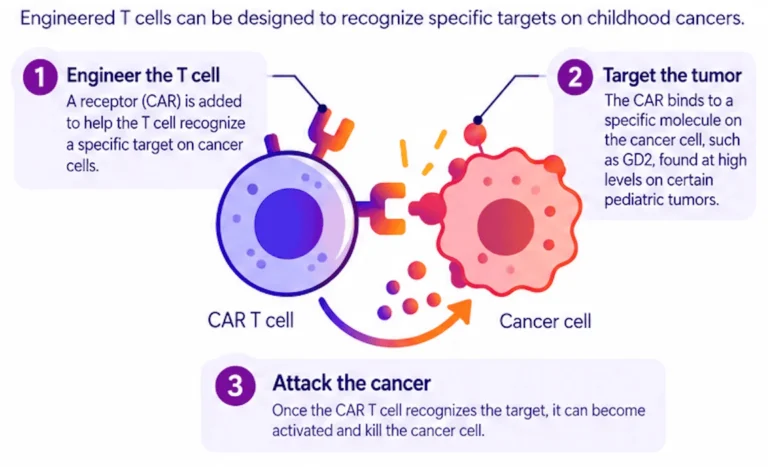
The ripple effects of this investment extend far beyond the laboratory bench. Every major breakthrough in immunotherapy—from the development of CAR-T cell therapy to the refinement of mRNA-based cancer vaccines—can be traced back to the foundational research conducted by investigators at the postdoctoral level.
By supporting these researchers, CRI is effectively accelerating the timeline for patient care. When a postdoctoral fellow spends their time optimizing a new technique for immune cell targeting rather than worrying about the expiration of their grant funding, the entire field benefits. This stability leads to:
- Faster Translation: The speed at which laboratory findings move into clinical trials is directly correlated with the quality and continuity of the underlying research.
- Diverse Perspectives: By casting a wide net across 15 countries and diverse fields of study, CRI ensures that the research ecosystem is not siloed, encouraging interdisciplinary approaches to complex cancers.
- Future Leadership: The fellows of today are the department heads, principal investigators, and biotechnology founders of tomorrow. By investing in them now, CRI is seeding the next generation of scientific leadership.
A Call to Action: Building a World Immune to Cancer
The mission of the Cancer Research Institute is audacious: to build a world immune to cancer. While the complexity of the disease remains daunting, the progress made by these postdoctoral fellows provides tangible hope.
As we look at the Fall 2025 and Spring 2026 cohorts, we are not just seeing a list of names; we are seeing a roster of the architects of the next era of medicine. These individuals are currently probing the mysteries of the tumor microenvironment, engineering cells to act as precision weapons, and using algorithms to unlock the secrets of immune evasion.
For the public, the scientific community, and potential partners, the message from CRI is clear: the most effective way to fight cancer is to empower the people who are fighting it on the front lines of discovery. By continuing to support the CRI postdoctoral fellowship programs, donors and institutions are playing a direct role in shaping a future where cancer is no longer a terminal diagnosis, but a manageable condition.
As we move forward into the next two years, the work of these fellows will be closely watched by the global oncology community. Their successes will become our successes, and their discoveries will ultimately become the standard of care for patients around the world. To learn more about the individual projects, the institutions involved, and the specific research being conducted by these exceptional fellows, visit the official Cancer Research Institute website. Together, we can continue to foster the curiosity and innovation that will define the next chapter of human health.
The Cancer Research Institute (CRI) remains the world’s leading nonprofit organization dedicated exclusively to cancer immunotherapy research. Through its commitment to early-career scientists, it continues to prove that the most profound breakthroughs often begin with a single, supported, and brilliant idea.