




In a landmark development for cancer immunotherapy, the U.S. Food and Drug Administration (FDA) has granted accelerated approval to Tudriqev (vusolimogene oderparepvec-wtpg), marking the first time in over a decade that a new oncolytic virus therapy has entered the clinical arsenal. This breakthrough, announced on August 6, 2026, offers a vital new treatment avenue for patients battling unresectable advanced cutaneous melanoma, specifically those whose disease has progressed despite prior treatment with PD-1-blocking therapies.
The approval of Tudriqev—formerly known as RP1—represents more than just a new drug; it signals a revitalized interest in a therapeutic modality that turns the body’s greatest biological threat, the virus, into a precision weapon against malignant tumors.
The Main Facts: How the Virus Fights Back
The fundamental premise of oncolytic virus therapy is counterintuitive: using a pathogen to destroy a malignancy. Viruses are typically perceived as invaders to be avoided, yet scientists have successfully re-engineered them to become selective killers.
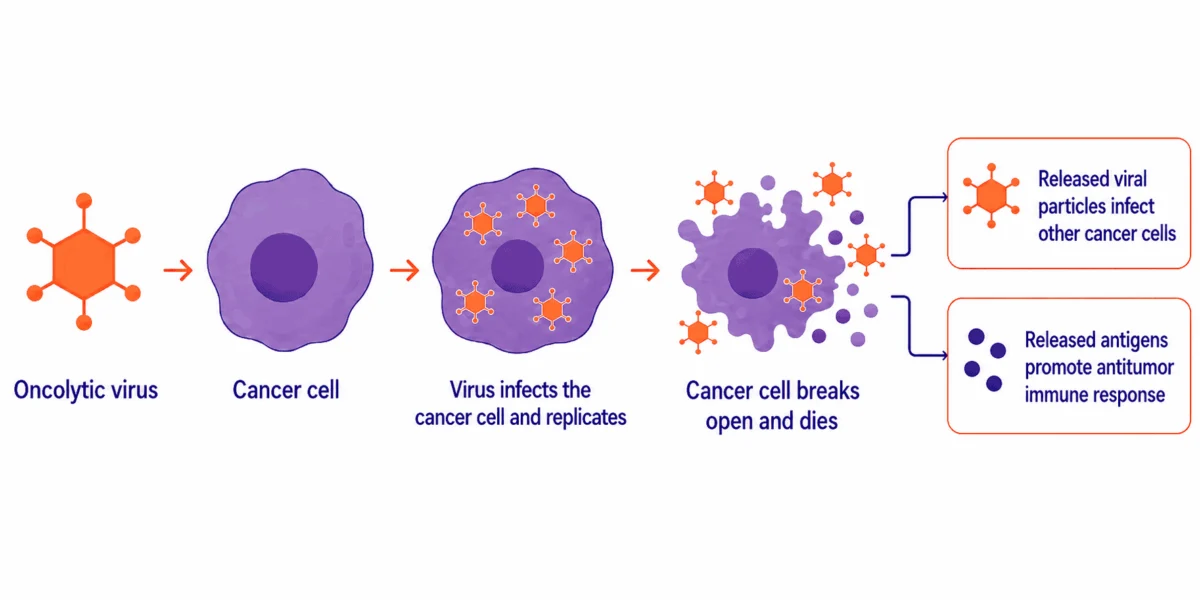
Tudriqev is a genetically modified herpes simplex virus (HSV). When injected directly into a tumor, it performs a dual-action assault:
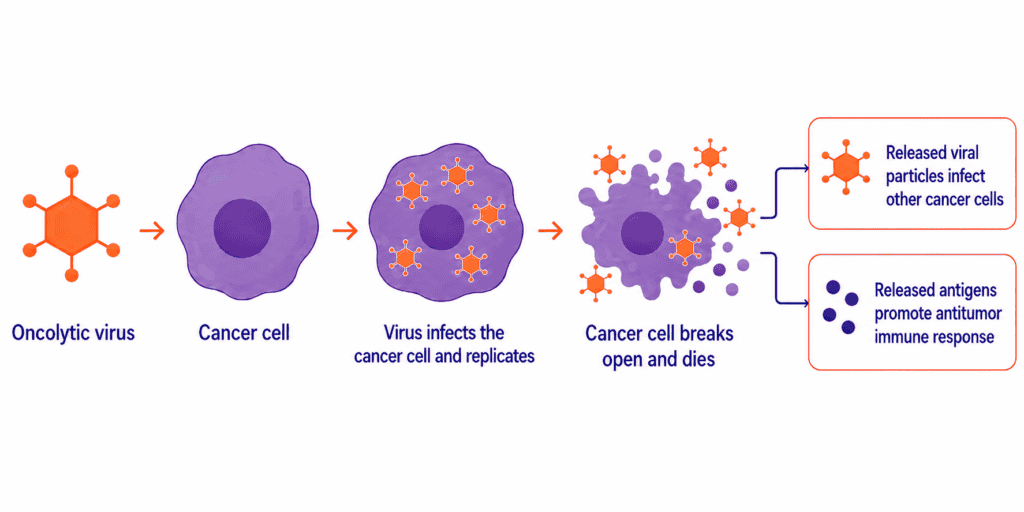
- Direct Lysis: The virus infects the cancer cells, hijacking their machinery to replicate itself. As the virus copies itself, the infected cancer cell eventually ruptures—a process called lysis. This not only kills the host cell but releases new viral particles that seek out and infect neighboring cancer cells, creating a cascading cycle of tumor destruction.
- Immune Activation: The true power of the therapy lies in its ability to wake up the immune system. As the tumor cells burst, they release "tumor-associated antigens"—biological "Wanted" posters that help the immune system identify, recognize, and attack cancer cells that were previously "invisible" to T-cells.
By combining Tudriqev with the immune checkpoint inhibitor nivolumab (Opdivo®), researchers aim to remove the "brakes" that cancer cells often use to suppress the immune system, allowing for a more robust and sustained anti-tumor response.
A Chronological Journey: From Observation to Engineered Precision
The road to this approval spans more than a century of medical observation and rigorous genetic experimentation.
- The Early 1900s: The concept originated from clinical observations of "spontaneous regression." In 1904, physicians documented cases where patients experienced tumor shrinkage following a natural viral infection, suggesting the immune system was being stimulated by the pathogen.
- 1950s–1960s: Researchers began deliberately using natural viruses in clinical settings. These early trials were largely unsuccessful and fraught with safety challenges, as scientists struggled to differentiate between infecting the tumor and harming healthy host tissue.
- The 1990s Turning Point: The advent of recombinant DNA technology changed everything. Scientists gained the ability to "edit" viruses, deleting genes that allowed them to infect healthy cells while enhancing their ability to replicate selectively within tumor environments.
- 2015: A major milestone was reached when the FDA approved T-VEC (Imlygic®), the first-ever oncolytic virus therapy for melanoma, proving that the concept could be safely and effectively brought to market.
- August 6, 2026: The approval of Tudriqev breaks a ten-year dry spell for the field, providing a second, more advanced option for patients and highlighting the growing maturity of the immunotherapy landscape.
Supporting Data: Insights from the IGNYTE Trial
The regulatory green light for Tudriqev was based on the IGNYTE clinical trial, which investigated the efficacy of the drug in combination with nivolumab. The study focused on a challenging patient population: individuals with advanced melanoma who had already failed to respond to standard PD-1 checkpoint inhibitors.

The trial enrolled 140 patients, with the primary efficacy analysis centering on a cohort of 91 patients who possessed at least one tumor that was not directly injected with the therapy. This "abscopal effect"—where the treatment of one tumor site leads to the regression of distant, non-injected tumors—is a critical metric for systemic efficacy.
Key Findings:
- Objective Response Rate (ORR): 24.2% of the analyzed patients experienced an objective response, meaning their tumors shrank by a predefined, clinically significant amount.
- Durability: Among the responders, the median duration of response was 14.1 months, a promising indicator of the therapy’s ability to create a lasting clinical benefit.
Official Responses and Regulatory Context
Tudriqev received accelerated approval, a regulatory pathway designed to allow faster access to drugs that address unmet medical needs for serious conditions. Under this framework, the FDA grants approval based on evidence that is "reasonably likely" to predict clinical benefit.
However, this comes with a mandate: Replimune, the developer of the therapy, must conduct confirmatory phase 4 trials to verify these findings. Should the follow-up data fail to demonstrate the anticipated clinical benefit, the FDA maintains the authority to withdraw the approval.
The scientific community has lauded the approval as a bridge between two distinct pillars of cancer research: virology and immunology. According to data tracked by the Cancer Research Institute (CRI), Tudriqev is the 157th FDA-approved cancer immunotherapy, a category that is expanding at an accelerating rate as researchers better understand the tumor microenvironment.
Implications: The Future of Oncolytic Therapy
While the current approval is limited to melanoma, the implications for the future of oncology are vast. Researchers are currently exploring how oncolytic viruses can be adapted for a wider variety of cancers, including solid tumors that have historically been resistant to traditional immunotherapy.
Addressing Side Effects and Safety
Clinicians are quick to remind patients that "biological" does not mean "side-effect-free." The IGNYTE trial reported common adverse events, including:
- Flu-like symptoms (chills, fever, fatigue)
- Nausea
- Injection-site reactions
Because the treatment involves a live virus, the FDA has included warnings regarding the risk of herpes infection and the potential for accidental exposure to the virus among close contacts of the patient. Patients are urged to consult their oncology teams to weigh the potential for tumor regression against these risks.
What Lies Ahead
For the majority of cancer types, oncolytic viruses remain firmly in the experimental stage. However, with hundreds of clinical trials currently testing different viral vectors, researchers are focused on solving the "delivery" challenge—how to ensure the virus reaches the tumor effectively and survives long enough to trigger a full-scale immune attack.
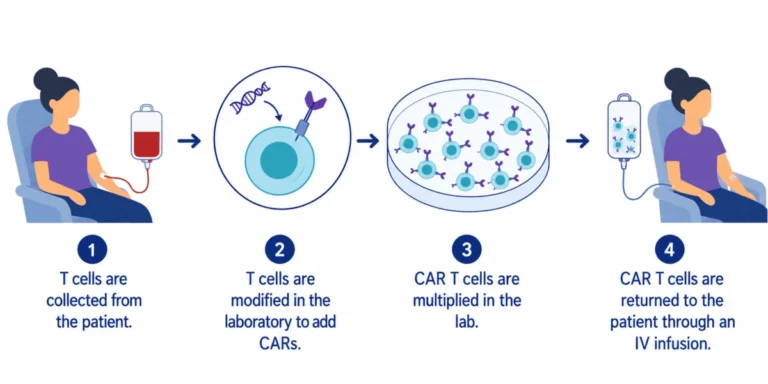
The ongoing research—supported by organizations like the Cancer Research Institute—is shifting toward "rational combinations." By pairing oncolytic viruses with checkpoint inhibitors, bispecific antibodies, and even CAR-T cell therapies, scientists are building a multi-layered defense system that forces cancer cells to run out of ways to hide.
Conclusion
The approval of Tudriqev is more than a medical milestone; it is a testament to the power of persistent innovation. By modifying the very agents of disease, we are finding ways to restore the body’s own defense mechanisms. While this therapy is currently tailored for a specific subset of melanoma patients, it serves as a proof-of-concept that will likely influence the treatment of dozens of other cancers in the coming decade. As clinical trials continue to broaden the horizon, the marriage of virology and immunotherapy may prove to be one of the most potent weapons in the fight to turn cancer from a terminal diagnosis into a manageable, or even curable, condition.
Learn More:
For a deeper introduction to oncolytic virus therapy, patients and families are encouraged to watch the CRI webinar, "Infecting Cancer: How Viruses Are Turning the Tide Against Tumors," featuring Dr. John Bell of the Ottawa Hospital Research Institute, available via the Cancer Research Institute’s official resources.