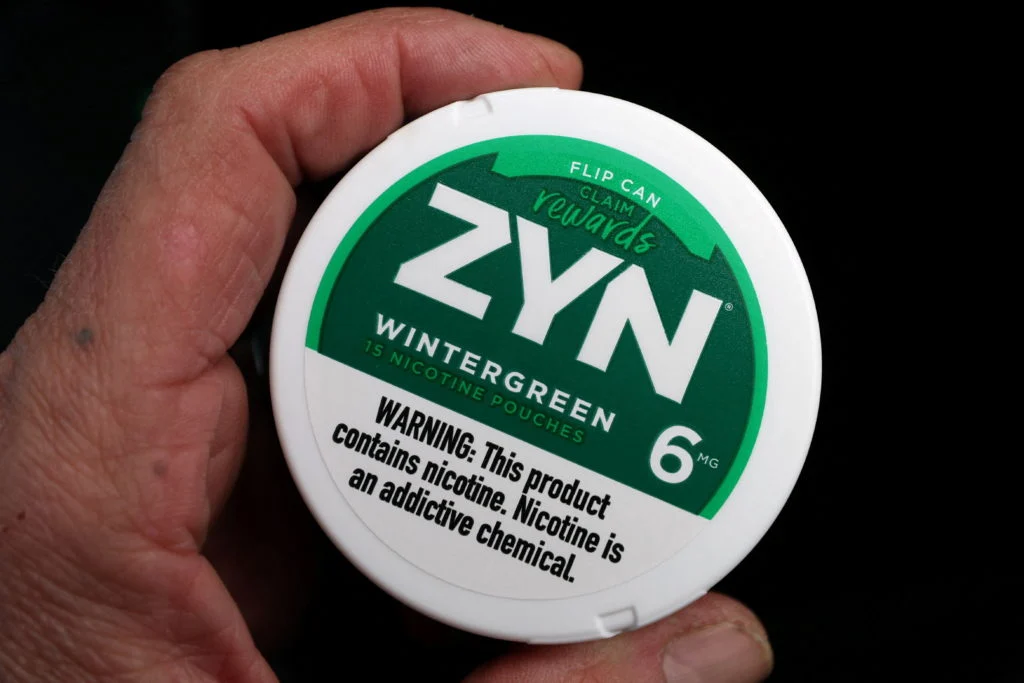
The landscape of nicotine consumption in the United States is undergoing a significant shift. Following an "extensive scientific review," the Food and Drug Administration (FDA) has granted a landmark authorization allowing Zyn, a prominent manufacturer of nicotine pouches, to market 20 of its products with a specific claim: "Using ZYN instead of cigarettes puts you at a lower risk of mouth cancer, heart disease, lung cancer, stroke, emphysema, and chronic bronchitis."
While this move represents a victory for tobacco harm reduction proponents, it has ignited a firestorm of concern among public health experts, pediatricians, and addiction specialists. As these products gain popularity among both former smokers and younger, non-smoking demographics, the medical community is raising urgent questions about the long-term health consequences of oral nicotine and the potential for a new generation to become addicted to a substance that remains, by all scientific accounts, dangerous.
The Core Facts: A Regulatory Shift
Nicotine pouches—small, thin, rectangular packets containing nicotine powder, flavorings, and fillers—have become a ubiquitous presence in convenience stores and digital marketplaces. Designed to be placed between the lip and gum for up to an hour, they allow for rapid nicotine absorption into the bloodstream without the combustion associated with traditional cigarettes.
The FDA’s June 30 decision does not constitute an endorsement of Zyn as a "safe" product. Rather, it reflects a nuanced regulatory acknowledgement that, in the hierarchy of health risks, non-combustible nicotine delivery systems are statistically less harmful than the inhalation of burning tobacco smoke. However, this distinction is subtle, and critics fear it will be lost on the average consumer.
"The new form of advertising doesn’t change the fact that these products deliver an addictive dose of nicotine," says Aaron Hunt, a Health and Wellness extension specialist at Utah State University. The regulatory green light does not categorize Zyn as an FDA-approved smoking cessation aid, nor does it imply that the pouches are devoid of health risks.
A Chronology of the Pouch Phenomenon
To understand how we arrived at this regulatory juncture, one must look at the rapid evolution of the nicotine market:
- 2014: Nicotine pouches make their commercial debut in the United States, positioning themselves as a discreet, smoke-free alternative to traditional tobacco products.
- 2020: The National Institute on Drug Abuse reports that 8.5% of individuals aged 12 and older in the U.S. have struggled with nicotine dependence in the previous 30 days, highlighting the persistent challenge of addiction.
- 2022: Data from the National Youth Tobacco Survey indicates that 1.1% of middle and high school students are utilizing nicotine pouches.
- 2024: Research emerges suggesting that adolescents exposed to marketing claims regarding the "reduced risk" of smokeless tobacco perceive these products as significantly safer than they actually are, fueling concerns about the "gateway" potential of these pouches.
- 2025: Usage among youth rises to 1.7%, with nearly 90% of those users favoring flavored varieties, according to the National Youth Tobacco Survey.
- June 30, 2026: The FDA formally authorizes Zyn’s specific comparative advertising claims, setting the stage for a new era of tobacco industry marketing.
Supporting Data: The Science of Addiction
The primary danger posed by Zyn and its competitors is not necessarily the immediate risk of cancer, but the rapid development of physiological dependency. Nicotine is a potent stimulant that alters the central nervous and cardiovascular systems.
Dr. Pamela Ling, director of the University of California San Francisco’s Center for Tobacco Control Research and Education, emphasizes the neurological mechanism at play. "Nicotine exposure increases the number of nicotine receptors in the brain," she explains. "Over time, people begin to need nicotine just to feel normal and avoid withdrawal."
Withdrawal is not merely a mental hurdle; it is a physical process characterized by irritability, anxiety, insomnia, headaches, and nausea. For the adolescent brain, which is still undergoing critical development, the stakes are even higher. Stanford Medicine has noted that using nicotine before the brain reaches maturity can permanently alter neural pathways, particularly those governing attention, learning, and impulse control. Because nicotine triggers the release of dopamine—the brain’s "feel-good" chemical—the addiction cycle is reinforced rapidly in younger users.
Official Responses and Expert Skepticism
The FDA’s decision has created a divide between regulatory policy and public health advocacy. While the agency operates under the mandate of harm reduction—the idea that switching from high-risk behaviors to lower-risk ones is a net positive—experts in the field argue that the strategy is flawed if it encourages new users.
"Yes, it is safer than smoking cigarettes, but if you do not smoke cigarettes and are not using it as a cessation tool, it is best to not use these products," Hunt advises.
Furthermore, there is a lack of long-term data regarding the systemic effects of these products. While cardiovascular risks are lower than those associated with smoking, they are not zero. University of Utah dentistry professor Carter Bruett notes that while evidence regarding oral cancer remains inconclusive, there is clear evidence that these pouches cause tissue damage and chronic inflammation in the mouth.
From a policy standpoint, the industry’s refusal to seek FDA approval as a smoking cessation aid is telling. To obtain such a status, Zyn would need to be regulated as a drug and undergo rigorous clinical trials proving its efficacy in helping people quit. By avoiding this path, the company retains the ability to market to a broader audience without the stringent oversight required for medical therapies.
Implications for Public Health and Future Generations
The most significant implication of the FDA’s ruling is the potential "muddying of the waters" regarding health literacy. When a product carries a label citing lower risks of cancer, consumers—especially young people—often interpret the claim as "safe."
Marketing strategies, often amplified by social media influencers and positioned in high-traffic areas like gas stations and convenience stores, emphasize flavors like cinnamon, citrus, and mint. This marketing architecture is designed to appeal to those who would never consider smoking a cigarette.
"Kids who were never smoking cigarettes in the first place are a growing share of pouch users," Hunt observes.
The concern is that the progress made in reducing tobacco use among youth over the last three decades could be erased by a new, more discreet, and seemingly "cleaner" nicotine delivery system. Epidemiologist Brittney Keller-Hamilton of Ohio State University notes that the younger an individual is when they start, the higher the likelihood of a lifetime of nicotine dependence.
Conclusion: A Delicate Balance
The debate over Zyn reflects the broader, unresolved tension in public health: how to provide harm-reduction tools to adult smokers while simultaneously protecting the youth from a new wave of nicotine addiction.
While some researchers, such as Johns Hopkins’ Johannes Thrul, acknowledge that switching to non-combustible products can be a "promising" move for current smokers looking to reduce their exposure to carcinogens, the benefit is only realized if the switch is total. The reality is that many users end up in a state of "dual use," consuming both cigarettes and pouches, which does little to mitigate their health risks and potentially deepens their chemical dependency.
As the industry moves forward with its new advertising campaigns, the burden of education falls heavily on educators, parents, and public health officials. The scientific consensus remains clear: nicotine is an addictive substance with unknown long-term health outcomes. Whether the FDA’s decision will be viewed as a prudent harm-reduction strategy or a regulatory misstep that paved the way for a new addiction crisis remains to be seen. For now, the message from the medical community remains consistent: caution is warranted, and for those not already trapped in the cycle of nicotine addiction, abstinence remains the only truly risk-free path.