For over two millennia, the medical community’s strategy for treating cancer has been defined by a philosophy of "search and destroy." From the crude cauterization methods of the ancient Greeks to the modern-day precision of systemic chemotherapy, radiotherapy, and immunotherapy, the objective has remained steadfast: identify the malignancy and eliminate it through brute force. However, this aggressive approach often exacts a heavy toll on the patient’s healthy tissues, leading to debilitating side effects and, frequently, the eventual recurrence of the disease.
Now, a burgeoning movement of oncological researchers is challenging this long-standing paradigm. Led by Professor Indraneel Mittra at the Advanced Centre for Treatment, Research and Education in Cancer (ACTREC) in Mumbai, India, these scientists are posing a radical question: What if the key to a cure lies not in damage, but in healing? By conceptualizing cancer as a biological process that can be coaxed back into a stable state, this new school of thought is attempting to transform our understanding of oncology from one of warfare to one of restorative medicine.
The Conceptual Foundation: Cancer as a "Wound That Never Heals"
The intellectual roots of this approach trace back to a seminal observation in the medical community. In 1986, Dr. Harold Dvorak published a groundbreaking article in the New England Journal of Medicine titled "Tumors: Wounds That Do Not Heal." Dvorak drew striking parallels between the biological architecture of chronic wounds and that of malignant tumors. Both environments are characterized by high levels of inflammation, the recruitment of immune cells, and the release of growth factors that stimulate cell proliferation.
Building upon Dvorak’s thesis, Professor Mittra argues that if cancer shares the underlying biological features of a wound, then the objective of treatment should be to encourage the "healing" of the tumor. Rather than creating a scorched-earth environment that triggers survival mechanisms in cancer cells, medicine should explore interventions that guide the tumor toward a benign, dormant, or "healed" state. This shift in perspective could redefine the future of oncology, moving toward treatments that are not only more effective but also significantly less toxic to the patient.
Chronology of a Breakthrough: The Glioblastoma Study
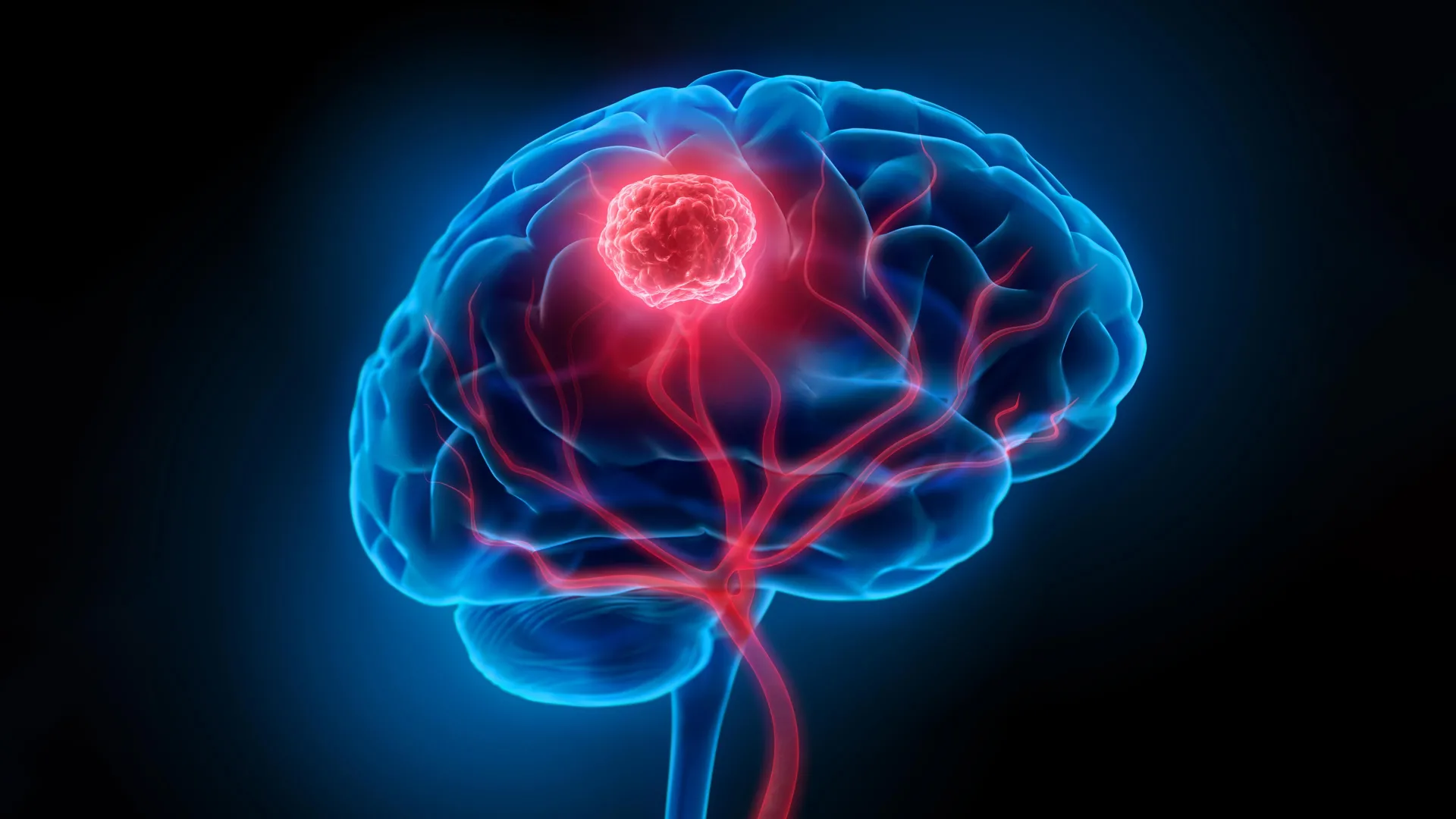
The most compelling evidence for this "gentle" strategy comes from a recent study published in BJC Reports. The focus was glioblastoma, one of the most formidable and aggressive brain cancers known to science. Even with the current standard of care—a rigorous combination of surgical resection, radiation, and chemotherapy—the prognosis for glioblastoma remains grim, with patients experiencing a median survival rate of only 15 months.
In the study, Professor Mittra and his team recruited ten patients diagnosed with glioblastoma. The intervention was remarkably simple: a tablet containing a precise, low-dose combination of two nutraceuticals, resveratrol and copper. Participants took this supplement four times daily for an average of 11.6 days leading up to their scheduled brain surgeries. A control group of ten patients, matching the severity of the treatment group but receiving no nutraceutical intervention, was established for comparative analysis.
Upon surgical removal of the tumors, the research team performed an exhaustive analysis of the tissue samples. Utilizing advanced techniques including microscopy, immune-staining, immunofluorescence, and transcriptome analysis, they compared the treated tumors against the control samples. The results were not merely subtle shifts; they were, by all accounts, dramatic transformations in tumor biology.
Supporting Data: Targeting the Root of Aggression
The mechanism behind this transformation involves a phenomenon known as cell-free chromatin particles (cfChPs). According to Professor Mittra’s research, cfChPs are fragments of DNA released by dying cancer cells into the bloodstream and the surrounding tumor microenvironment. These fragments are not inert; they are highly inflammatory. When surviving cancer cells encounter these cfChPs, they internalize the DNA, which triggers a cascade of inflammatory signaling that causes the remaining cancer cells to become more aggressive, more resistant to therapy, and more prone to metastasis.
The combination of resveratrol and copper functions as a therapeutic "eraser." When ingested together, these two substances generate oxygen radicals that specifically target and deactivate these cfChPs. In the study, the researchers observed that while untreated tumor tissue was saturated with cfChPs, the tissue from the treated group was almost entirely clear of them.
This implies that the nutraceuticals promote a cleaner form of cell death. By neutralizing the inflammatory DNA before it can wreak havoc on neighboring cells, the treatment forces the tumor into a state of subdued inactivity. Furthermore, the researchers noted that the treated cells underwent apoptosis—a controlled, orderly cell death process—rather than the chaotic, necrotic cell death that typically releases cfChPs and fuels tumor progression.
Official Perspectives and Implications for Future Therapy
Perhaps the most significant finding from the study is the potential to replicate the effects of expensive immunotherapy without the associated risks or costs. One of the primary breakthroughs in modern oncology has been the development of immune checkpoint inhibitors—drugs that "release the brakes" on the immune system, allowing it to recognize and attack cancer. However, these drugs are often prohibitively expensive and can trigger severe, systemic autoimmune side effects.
The data from the Mittra study suggest that the resveratrol-copper combination can downregulate multiple immune checkpoints simultaneously, potentially offering a safer, more accessible alternative. Because the intervention was administered to patients without a single recorded side effect, it presents a compelling case for a paradigm shift in how we approach both adjuvant and primary cancer care.
Professor Mittra is quick to acknowledge the limitations of the current study, noting that the small sample size requires further verification in larger clinical trials. However, the initial results are so profound that he remains optimistic about the scalability and reproducibility of the strategy. "We have been trying to kill cancer cells for 2,500 years, since the time of the ancient Greeks, without success," Mittra noted in his recent commentary. "Maybe it is time to look at cancer treatment differently and work towards healing tumors, rather than annihilating them."
A New Era of Non-Toxic Oncology?
The implications of these findings extend far beyond glioblastoma. If the "healing" approach can effectively neutralize the aggressive, inflammatory microenvironment of one of the most difficult-to-treat cancers, it stands to reason that the mechanism could be applied to a wide array of other malignancies.
Furthermore, the accessibility of this approach is a game-changer for global health. In many parts of the world, high-cost, state-of-the-art immunotherapies are unavailable to the vast majority of the population. A treatment regimen based on inexpensive, non-toxic nutraceuticals could democratize cancer care, offering a viable, sustainable, and humane alternative to the current high-stakes, high-cost model.
As the scientific community continues to grapple with the complexities of tumor microenvironments, the work at ACTREC stands as a testament to the power of lateral thinking. By pivoting away from the obsession with total annihilation and toward a more nuanced, biological understanding of cancer as a manageable, "healable" condition, researchers may finally be on the brink of a breakthrough that has eluded humanity for millennia.
The journey from a small, ten-patient trial to standard clinical practice is long and fraught with regulatory and scientific hurdles. Yet, for those living with the shadow of a glioblastoma diagnosis, the possibility that a simple, non-toxic intervention could turn a malignant beast into a dormant, manageable condition is not just a scientific observation—it is a beacon of hope. The shift from "killing" to "healing" may well define the next generation of cancer research, potentially changing the face of medicine forever.
This study was supported by the Department of Atomic Energy, Government of India, through its grant CTCTMC to the Tata Memorial Centre, awarded to Professor Indraneel Mittra.