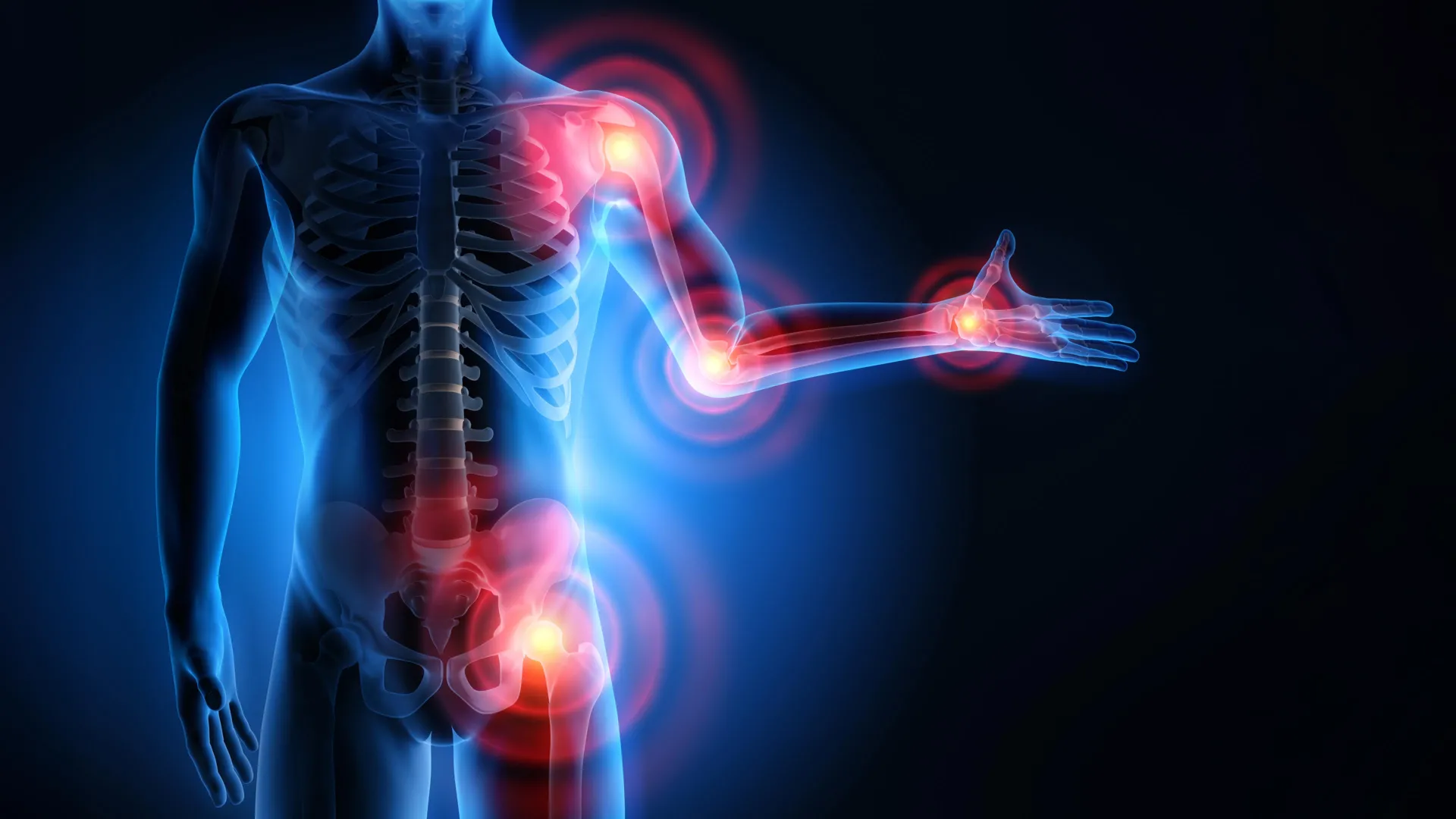
For millions of people worldwide, statins represent the frontline defense against cardiovascular disease. By inhibiting the liver’s production of cholesterol, these life-saving medications have drastically reduced rates of heart attack, stroke, and premature death. Yet, there is a persistent, shadow-side to this success story: a significant portion of patients report debilitating muscle pain, weakness, and exercise intolerance. These side effects—often termed "statin-associated muscle symptoms" (SAMS)—create a clinical dilemma, frequently forcing patients to lower their doses or abandon treatment entirely, thereby increasing their risk of cardiovascular events.
Now, a breakthrough study led by researchers at McMaster University offers a potential solution. Published in the journal Science Advances, the research identifies a previously unrecognized biological pathway that triggers these muscle issues. By mapping how statins interact with the immune system and muscle cell metabolism, scientists have uncovered a mechanism that may allow them to decouple the drug’s life-saving benefits from its painful side effects.
Main Facts: A New Mechanism of Action
The study, led by principal investigator Jonathan Schertzer and first authors Nazli Robin and Nicole Barra, shifts the scientific understanding of why statins cause muscle damage. Previously, the medical community operated under the assumption that muscle issues were a direct, inevitable byproduct of the drug’s primary mechanism.
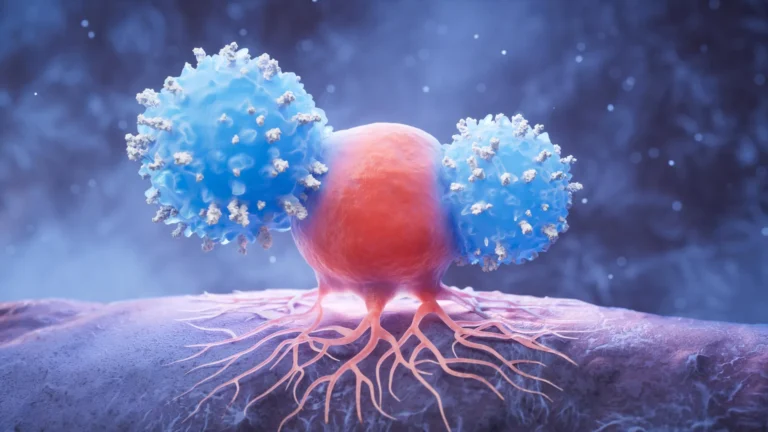
The McMaster team’s research suggests otherwise. They discovered that statins disrupt the energy-generating processes within muscle cells. This metabolic disruption acts as a distress signal, triggering an inflammatory immune response within the muscle tissue itself. Crucially, the researchers found that this immune-mediated damage is distinct from the pathway that lowers cholesterol. This separation is the "holy grail" of pharmacological research: if the pathways are independent, it may be possible to develop a secondary therapy that blocks the immune response without undermining the cardiovascular protection provided by the statin.
The Chronology of Statin Research
The journey to this discovery is the culmination of decades of clinical observation and intensive laboratory investigation.
The Era of Statin Dominance
Since their widespread adoption in the 1980s and 90s, statins have become one of the most prescribed classes of medication in history. As clinical data confirmed their effectiveness in lowering LDL cholesterol, doctors noted a consistent pattern: a minority of patients—estimates range from seven to 29 percent—complained of "statin-associated muscle symptoms."
Years of Uncertainty
For years, the origins of these symptoms remained elusive. Early theories focused on the depletion of Coenzyme Q10 (CoQ10) or mitochondrial dysfunction. While these theories held some merit, they failed to provide a comprehensive explanation for why the symptoms manifested so differently across the patient population, or why some individuals could tolerate high doses while others could barely manage a standard regimen.
The McMaster Breakthrough
The current research project began with a desire to bridge the gap between metabolism and immunology. By integrating expertise from the Schertzer Lab at McMaster with international partners in France and Australia, the team utilized advanced mouse models and human muscle cell cultures. Over several years of observation, the team tracked the cellular response to statin exposure. They identified that the disruption in energy metabolism was not just a passive side effect; it was an active trigger for an immune signaling pathway that resulted in localized muscle inflammation and tissue damage.
Supporting Data: Understanding the Muscle-Immune Link
The study’s data offers a compelling look at the crosstalk between cellular metabolism and immune function.
- Prevalence: With approximately 7% to 29% of patients experiencing some form of muscle-related discomfort, the economic and public health burden is immense. Many of these patients are high-risk individuals who are effectively "left unprotected" when they stop their medication.
- Experimental Evidence: In trials involving mouse models, the research team observed that blocking the specific immune pathway identified in the study significantly reduced muscle damage. The muscle cells maintained their structural integrity and function, even in the presence of statins.
- Metabolic Disruption: The study documented that statins interfere with cellular energy production, causing a "metabolic stress" that the immune system interprets as a threat. This creates an inflammatory loop that results in the clinical symptoms of soreness and weakness.
The data suggests that the immune response is an "overreaction" to the metabolic stress induced by the drug, providing a clear target for future therapeutic interventions.
Official Responses and Expert Commentary
Dr. Jonathan Schertzer, a professor in McMaster’s Department of Biochemistry and Biomedical Sciences and the senior author of the study, emphasized the dual importance of the finding.
"Statins are among the most effective medications we have for reducing cardiovascular disease risk and preventing early death," Schertzer stated. "Unfortunately, muscle side-effects lead some people to reduce their dose or stop taking the medication altogether. We wanted to understand why this happens and whether it might be possible to separate the side-effects from the benefits."
Schertzer noted that the discovery was both unexpected and highly promising. "One of the most exciting findings of the research is that the mechanism causing muscle side-effects appears to be separate from the mechanism that lowers cholesterol. That suggests it may one day be possible to target the side-effects without interfering with the cardiovascular benefits that make statins so valuable."
The study has also garnered praise for its collaborative, multi-disciplinary approach. By integrating insights from immunology, pathology, and molecular medicine, the team was able to validate their findings across different experimental systems, lending the study significant weight in the scientific community.
Implications: The Future of Cardiovascular Care
The implications of this study are profound, potentially altering how doctors approach cholesterol management in the coming decade.
1. Developing "Statin-Adjunct" Therapies
The most immediate implication is the possibility of developing new drugs or modifying current ones to include an "immune-protective" component. If pharmaceutical companies can create a compound that blocks the immune response identified by the McMaster team, patients could theoretically take their statins with a "protector" pill that eliminates the risk of muscle pain.
2. Personalized Medicine
Understanding the specific immune pathway allows for the potential of genetic screening. If certain patients are genetically predisposed to this specific immune-mediated response, clinicians could identify them before they even begin statin therapy, potentially prescribing alternative treatments or preemptive protective measures.
3. Broadening the Scope of Immunology
Beyond heart disease, this research sheds light on how medications generally interact with the immune system. The finding that metabolic changes in cells can trigger an immune response provides a new lens through which scientists can view side effects for a wide range of chronic medications. It suggests that many "intolerances" may not be simple allergies or drug interactions, but complex inflammatory reactions that could be mitigated.
4. Patient Adherence and Public Health
The ultimate goal is to improve adherence. When patients suffer from muscle pain, they often stop taking their medication without consulting their physician. By making statins easier to tolerate, healthcare providers can ensure that high-risk populations remain protected, potentially preventing thousands of heart attacks and strokes annually.
A Global Effort
The research was a true international endeavor, highlighting the necessity of global cooperation in modern biomedical science. The project included researchers from:
- Centre International de Recherche en Infectiologie (CIRI) in Lyon, France.
- Centre for Muscle Research at the University of Melbourne, Australia.
- Murdoch Children’s Research Institute and The Royal Children’s Hospital in Australia.
- York University in Canada.
- McMaster University’s Department of Pathology and Molecular Medicine.
The study was supported by funding from the Natural Sciences and Engineering Research Council of Canada (NSERC).
While the researchers caution that more work is needed—including clinical trials in humans to ensure the safety and efficacy of potential treatments—the path forward is clearer than it has ever been. By untangling the complex web of metabolism and immunity, the team at McMaster has provided a beacon of hope for the millions who rely on statins to keep their hearts healthy, proving that science can indeed overcome the "statin paradox."