Introduction: The Challenge of Refractory Lymphoma
Classical Hodgkin’s lymphoma (cHL) occupies a complex space in modern oncology. For the vast majority of adolescents and young adults diagnosed with the disease, the prognosis is excellent; frontline chemotherapy regimens have transformed what was once a terminal diagnosis into one with a high cure rate. However, the success stories of the majority often overshadow the stark reality faced by the minority: those whose cancers relapse or prove refractory to initial treatment.
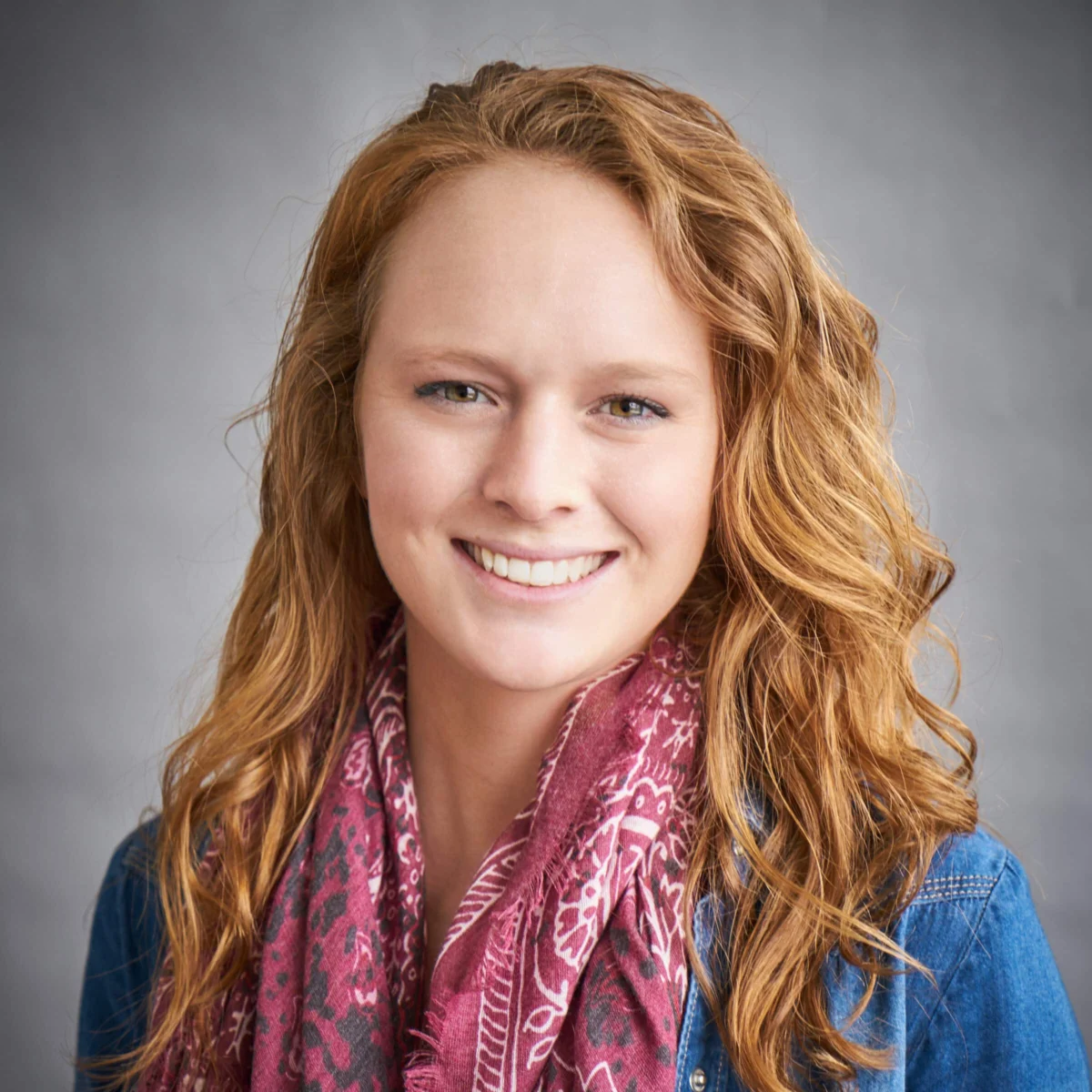
For these patients, the standard of care often reaches its limit, necessitating more aggressive, complex, and potentially toxic salvage therapies. It is within this critical medical gap that Dr. Shelby Sloan, a dedicated postdoctoral fellow in immunology and hematology at The Ohio State University, is focusing her professional mission. Supported by foundation research grants, Dr. Sloan is pioneering a dual-pronged chimeric antigen receptor (CAR) T-cell therapy, a move that promises to dismantle the "immunosuppressive shield" that often protects Hodgkin’s lymphoma cells from the body’s own defenses.
The Science of the "Shield": Understanding the Microenvironment
To understand Dr. Sloan’s research, one must first understand the battlefield of the tumor microenvironment. Cancer is rarely a solitary actor; it is a master manipulator of its surroundings. In classical Hodgkin’s lymphoma, the malignant cells are often surrounded by a dense, protective ecosystem of immune cells that have been "corrupted" by the tumor.
"These defective immune cells surrounding the tumor block the body’s natural immune response and hinder their ability to eliminate the cancer cells," Dr. Sloan explains. This environment acts as a biological fortress, preventing the patient’s own T-cells from infiltrating the tumor site and executing their programmed function of cell death.
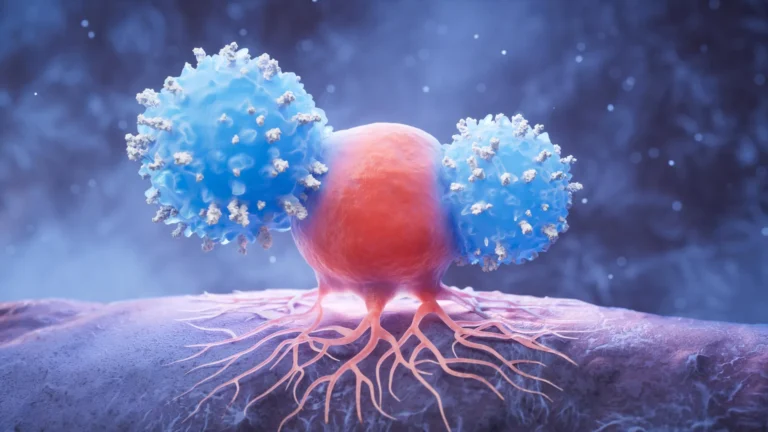
Dr. Sloan’s innovative approach involves engineering CAR T-cells—a therapy that involves extracting a patient’s T-cells, modifying them in a lab to recognize specific cancer proteins, and reinfusing them into the bloodstream. Unlike traditional CAR T-cell therapies that target only the malignant tumor cells, Dr. Sloan’s novel construct is designed to target both the cHL tumor cells and the defective immune cells that form the immunosuppressive microenvironment.
"We think that by targeting both cell types with our engineered T-cell therapy, we can remove the immunosuppressive shield and allow the CAR T-cells greater access to eliminate the cHL cells," she notes. This dual-action strategy represents a shift from "finding the cancer" to "clearing the path," potentially creating a more sustainable and effective immune response.
Chronology: From Academic Foundations to Cutting-Edge Research
The trajectory of Dr. Sloan’s career mirrors the rapid evolution of modern immunotherapy. Her academic journey began at The Ohio State University, where she cultivated a deep interest in the intersection of immunology and hematology.
- Early Academic Foundation: During her graduate studies, Dr. Sloan specialized in the mechanisms of immune evasion in hematologic malignancies. This period was instrumental in framing the questions that would eventually lead to her current postdoctoral work.
- The Postdoctoral Pivot: Moving into her current fellowship, Dr. Sloan shifted her focus toward the practical application of cell-based therapies. It was here that she identified the specific protein targets on both tumor cells and tumor-associated immune cells that could serve as the "keys" for her CAR T-cell therapy.
- Foundation Support and Grant Acquisition: Recognizing the potential for a breakthrough, research foundations provided the necessary funding to transition the project from theoretical modeling to laboratory testing. This support has been the backbone of her work, allowing her to recruit specialized laboratory equipment and resources necessary for the complex genetic engineering required for CAR T-cell production.
- Current State of Development: Currently, Dr. Sloan’s work is in the preclinical development stage. Her team is focused on refining the CAR construct to ensure maximum safety and efficacy before moving toward clinical trials.
Supporting Data: The Promise of Immunotherapy
The urgency of Dr. Sloan’s research is underscored by the current limitations of care. While frontline chemotherapy is effective, the survival rates for patients with relapsed/refractory (R/R) cHL drop significantly. Clinical data consistently shows that when standard salvage therapy fails, the options become increasingly limited, often involving stem cell transplants or newer antibody-drug conjugates.
CAR T-cell therapy, already approved for other types of lymphomas such as diffuse large B-cell lymphoma (DLBCL), has shown transformative results. However, Hodgkin’s lymphoma has historically proven more difficult for these therapies due to the unique nature of its microenvironment. Dr. Sloan’s hypothesis is supported by emerging data suggesting that modulating the tumor microenvironment is as important as targeting the tumor itself. By leveraging the body’s "naturally evolved cancer detection and elimination tactics," Dr. Sloan hopes to provide a therapeutic option that is not only more effective but also more durable, potentially preventing future relapses.
The Visionary Perspective: Retraining the Immune System
Dr. Sloan’s outlook on the future of oncology is one of cautious, yet profound, optimism. She views the immune system not as a broken mechanism, but as an underutilized tool.
"I think there is great potential for the treatment of cancer by harnessing the power of the body’s naturally evolved cancer detection and elimination tactics," she states. Her research philosophy is rooted in the belief that if scientists can pinpoint exactly where the immune system fails to recognize a malignancy, they can "retrain" it to finish the job.
This paradigm shift—moving away from broad-spectrum chemotherapy toward precision, personalized cellular engineering—is the hallmark of the next decade of cancer treatment. Dr. Sloan is not just looking for a drug; she is looking for a system-wide adjustment that allows the patient’s own body to become the primary agent of healing.
Implications for the Medical Community and Patients
The implications of Dr. Sloan’s work extend far beyond the laboratory at The Ohio State University. If her dual-target CAR T-cell therapy proves successful in clinical trials, it could serve as a template for treating a wide array of other cancers that utilize similar immunosuppressive "shields."
- Clinical Impact: For patients, this could mean a significantly higher chance of long-term remission without the need for the debilitating side effects of repeated chemotherapy cycles.
- Economic and Systemic Impact: Developing successful immunotherapies early in the relapse cycle could reduce the long-term burden on the healthcare system by decreasing the duration of complex, intensive care.
- Advancing the Pipeline: By developing a robust clinical research program focused on young people, Dr. Sloan is helping to foster a new generation of investigators. Her success will likely attract more talent and funding to the field of pediatric and young adult oncology, where the need for innovation is most acute.
Looking Ahead: The Road to Clinical Trials
As Dr. Sloan continues her postdoctoral work, the medical community waits with interest to see the next phases of her data. The transition from bench to bedside is the most difficult stage of medical research, requiring rigorous safety testing, regulatory approval, and careful patient selection.
However, the foundation laid by Dr. Sloan—built on a deep understanding of immunology, a clear identification of the tumor’s protective mechanisms, and a commitment to precision engineering—provides a strong roadmap for success. Her work serves as a reminder that the cure for some of our most persistent cancers may not lie in new chemical compounds, but in our ability to better understand and empower the human immune system.
In a field that is constantly evolving, researchers like Dr. Shelby Sloan are the engines of progress. By focusing on the specific, often ignored complexities of the Hodgkin’s lymphoma microenvironment, she is helping to turn the tide for young patients, transforming their battle against cancer into a narrative of empowerment, healing, and survival.
As she continues her research, the goals remain clear: refine the therapy, demonstrate its safety, and ultimately, bring a life-changing treatment to those who need it most. The future of oncology is being written in laboratories like hers, one cell at a time.