
The global COVID-19 pandemic, while primarily categorized as a respiratory health emergency, has catalyzed a secondary, more insidious crisis that continues to ripple through the fabric of American society. As the physical threat of the virus fluctuated through various waves and variants, a "shadow pandemic" of depression, anxiety, and psychological distress took hold, leaving a trail of clinical data that experts describe as deeply concerning.
The data gathered over the last several years provides a clear, albeit grim, picture of the national psyche. While the nation has largely moved toward a "new normal" in terms of commerce and travel, the psychological scars of isolation, economic instability, and bereavement remain visible. Experts warn that the outlook remains uncertain, as the healthcare system grapples with a surge in demand that far outstrips its current capacity.
Main Facts: A Nation Under Psychological Duress
The core of the current mental health landscape is defined by a staggering increase in clinical symptoms across nearly every demographic. Since the onset of the pandemic in early 2020, researchers have sounded a continuous alarm regarding the rising rates of poor mental health. According to recent surveys, the prevalence of depression and anxiety in the United States has remained significantly higher than pre-pandemic baselines, often hovering at triple the rates observed in 2019.
Key findings from the "COVID States Project"—a massive, multi-university collaborative effort—reveal that approximately 28% of Americans report symptoms of depression severe enough to warrant clinical intervention and referral for treatment. While this is a slight decrease from the peak of 30% recorded in December 2020, it remains an alarming outlier compared to historical data. Similarly, anxiety levels have plateaued at roughly 25%, a figure that reflects a persistent state of hyper-vigilance and stress among the general population.

Perhaps most distressing is the data regarding suicidal ideation. Roughly 23% of survey respondents indicated they had considered suicide at least occasionally during the pandemic period. This statistic highlights a profound sense of hopelessness that has permeated various communities, driven by the compounding effects of a public health crisis and social fragmentation.
Chronology of a Crisis: From Lockdown to Long-Term Impact
To understand the current state of American mental health, one must examine the chronological progression of the pandemic’s psychological impact.
Phase 1: The Initial Shock (March 2020 – June 2020)
In the early months of 2020, the primary psychological drivers were fear and uncertainty. The sudden implementation of lockdowns and the mystery surrounding the virus led to a spike in acute stress. By June 2020, depression rates had already climbed to 25%, a baseline that never truly returned to pre-pandemic levels.
Phase 2: The Winter of Despair (December 2020)
As the pandemic dragged into its first winter, the combination of "COVID fatigue," holiday isolation, and a massive surge in infections led to the highest recorded levels of mental health distress. Depression rates peaked at 30%, and anxiety reached 28%. This period marked the height of the crisis, as the healthcare system reached a breaking point in both physical and psychiatric care.
Phase 3: The Uncertain Recovery (2021 – Present)
Following the rollout of vaccines, there was a slight reprieve in mental health symptoms. However, the anticipated "return to normal" did not result in a total psychological recovery. The data from 2021 and early 2022 showed that while physical restrictions were lifting, the mental health metrics remained stubbornly high—staying at roughly 28% for depression. This suggests that the trauma of the pandemic has a "long tail," manifesting as chronic rather than acute distress.
Supporting Data: Disparities in Vulnerability
The impact of the pandemic has not been felt equally. Detailed analysis of the COVID States Project—conducted by researchers from Northeastern, Harvard, Northwestern, and Rutgers Universities—reveals a sharp divide based on age and socioeconomic factors.
The Crisis of the Young
The hardest-hit demographic has consistently been young adults. The survey found that a staggering 42% of young adults met the criteria for at least moderate depression. This is nearly double the rate of middle-aged adults (20% for those aged 45–64) and more than four times the rate of those aged 65 and older (10%).
David Lazer, a professor of political science and computer sciences at Northeastern University, suggests that the "dynamic" nature of young adulthood made this group particularly vulnerable. "They’re finishing school, getting a job, starting a family—all things that are more likely to be disrupted by the pandemic," Lazer noted. The loss of social milestones and the economic instability of the entry-level job market created a "perfect storm" for psychological decline.
Pediatric Emergencies and Healthcare Strain
The crisis extends even deeper into the younger population. A study published by the Children’s Hospital of Philadelphia (CHOP) in April 2021 highlighted a paradoxical trend: while overall emergency department (ED) visits decreased as people avoided hospitals, the proportion of pediatric patients seeking care for mental health emergencies increased significantly.
Dr. Polina Krass, a pediatrician at CHOP and lead author of the study, noted that children were not only coming to the ED more frequently for mental health issues but were also being admitted to the hospital at higher rates than before the pandemic. This indicates that the severity of the cases has escalated, often reaching a crisis point before medical help is sought.
Inequity and Minority Communities
Dr. Krass also emphasized that the pandemic exacerbated existing inequities. Minority communities, which faced higher rates of infection and death from COVID-19, also faced greater barriers to mental health care. Structural issues, including a lack of culturally competent providers and the ongoing stress of systemic racism, have made recovery much more difficult for these populations.
Official Responses: Clinical Perspectives and Policy Shifts
In response to these harrowing statistics, federal health officials and legislators have begun to pivot toward more robust mental health frameworks.
The NIMH Perspective: Natural Recovery vs. Chronic Illness
Susan Borja, chief of the National Institute of Mental Health’s (NIMH) Dimensional Traumatic Stress Research Program, offers a nuanced view of the path forward. She notes that after any mass disaster, "natural recovery" is the norm for the majority of the population. Symptoms often diminish as a sense of safety and routine returns.
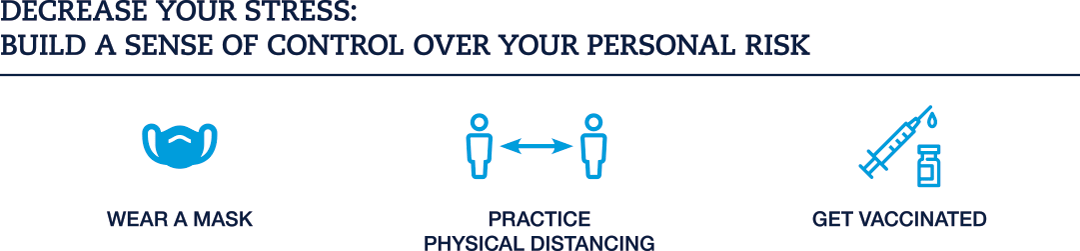
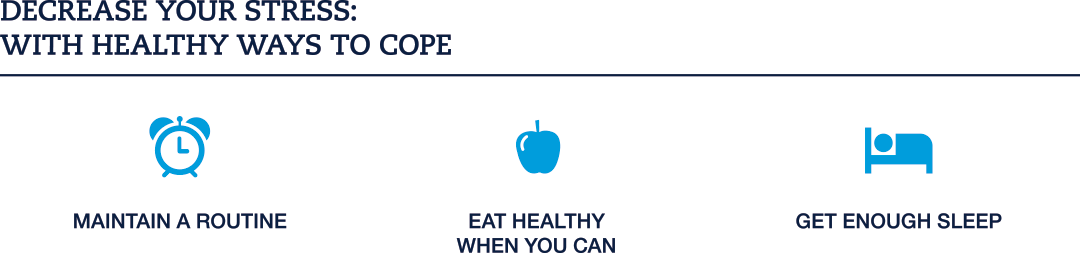
However, Borja warns of the "significant minority" for whom symptoms will not fade. For these individuals, the pandemic has triggered or unmasked serious clinical conditions that require long-term treatment. To aid in natural recovery, the NIMH recommends that individuals focus on "controllable factors," such as maintaining healthy routines, exercising, and engaging in community efforts like vaccination, which can provide a sense of agency in a chaotic world.
Legislative Action: The Behavioral Health Crisis Services Expansion Act
On the policy front, there is a growing recognition that the U.S. mental health infrastructure is antiquated. The Behavioral Health Crisis Services Expansion Act (S. 1902) represents a significant federal attempt to address this. The bill aims to:
- Establish national standards for behavioral health crisis services.
- Ensure that services are available to all individuals regardless of their ability to pay or their geographic location.
- Strengthen the "continuum of care" to prevent patients from falling through the cracks after an emergency room visit.
Implications: A New Paradigm for Public Health
The long-term implications of this data suggest that mental health can no longer be treated as a secondary concern to physical health. The pandemic has effectively bridged the gap in public consciousness, highlighting the fact that psychological well-being is a fundamental pillar of national stability.
The "Silver Lining" of Awareness
Susan Borja points out that if there is a "silver lining" to the pandemic, it is the increased recognition of mental health’s importance. The stigma surrounding depression and anxiety has decreased as millions of Americans realized they were experiencing similar symptoms. This "general awareness" is the first step toward a more integrated public health system.
The Need for Systemic Reform
For Dr. Krass and other frontline providers, awareness is not enough. The implications of her research point toward a need for deep, systemic reform. This includes:
- Funding: Increased investment in mental health research and the training of new providers to address the chronic shortage of specialists.
- Addressing Social Determinants: Tackling the root causes of distress, such as community violence, housing instability, and structural racism, which act as "force multipliers" for mental illness.
- Access: Expanding the care continuum so that mental health support is available in schools, primary care offices, and community centers, rather than just in emergency departments.
As the United States continues to navigate the aftermath of the COVID-19 era, the "shadow pandemic" remains a formidable challenge. The data is clear: the mental health crisis is not a temporary byproduct of the lockdowns, but a lasting shift in the American public health landscape that will require decades of attention, funding, and compassion to resolve. "There is a lot of work to be done," Dr. Krass concluded. "I hope we can leverage this moment to start to make constructive changes."