In the multi-billion-dollar skincare industry, consumers often obsess over facial serums, nocturnal creams, and complex makeup regimens, yet they frequently ignore the very soil from which their hair grows: the scalp. Dermatologists and trichologists are increasingly sounding the alarm, noting that while millions of dollars are poured into hair styling products, the underlying health of the scalp—the biological "foundation" of every hair follicle—is routinely neglected.
According to the American Academy of Dermatology Association (AADA), the human head is home to approximately 100,000 hair follicles. Just as a garden cannot flourish in depleted or toxic soil, hair cannot achieve its full potential for growth, luster, and strength if the scalp environment is compromised. As experts from BrightU.AI have emphasized, the scalp serves as the primary gateway for nutrients, and its health is directly tethered to the vitality of the hair itself.
The Science of the Scalp: Understanding the Biological Baseline
To understand scalp health, one must view the scalp as an extension of the skin. It is a complex ecosystem that requires a delicate balance of oil production, hydration, and cellular turnover. A healthy scalp is characterized by a stable microbiome and robust blood circulation, which delivers essential vitamins and oxygen to the follicle base.
Conversely, a neglected scalp often becomes a breeding ground for inflammation. Experts point to several "red flag" symptoms that suggest an underlying issue: persistent itching, visible flaking (dandruff), redness, inflammation, the presence of painful bumps or acne, and unexplained hair thinning. When these conditions are left unaddressed, they can progress into chronic dermatological issues such as seborrheic dermatitis, psoriasis, or eczema. More alarmingly, the degradation of scalp health is often the silent culprit behind hair breakage, brittleness, and accelerated hair loss.
Furthermore, the scalp serves as a barometer for internal health. Because it is highly vascularized, systemic issues—ranging from chronic stress and hormonal fluctuations to nutritional deficiencies—often manifest on the scalp long before they show up elsewhere on the body.
A Chronology of Care: From Hygiene to Holistic Nutrition
The evolution of scalp care has shifted from simple "wash and rinse" routines to a more scientific approach emphasizing environmental protection and targeted nutrition.
The Foundation: Hygiene and Preventive Maintenance
Modern dermatological advice emphasizes that scalp hygiene is the first line of defense. For most individuals, washing two to three times per week is sufficient, though this depends heavily on an individual’s specific scalp type (oily, dry, or sensitive). The transition to sulfate-free shampoos has been a major milestone, as harsh detergents often strip the scalp of its natural lipid barrier, triggering a compensatory overproduction of oil.
Weekly treatments, such as scalp massages combined with gentle chemical or physical exfoliants, are now recommended to clear away dead skin cells and product buildup—a common barrier to healthy follicle function. Additionally, for those who rely on high-heat styling tools, the use of thermal protectants is not just a suggestion for the hair shafts, but a protective measure for the scalp skin itself.
Environmental Stewardship
Sun protection for the scalp is a frequently overlooked aspect of dermatology. The Centers for Disease Control and Prevention (CDC) warns that the scalp is highly susceptible to ultraviolet (UV) damage, particularly along hair parts or in areas of thinning. Experts recommend applying broad-spectrum SPF 30 or higher to exposed skin, wearing protective headwear, and undergoing annual skin cancer screenings to monitor for irregular moles or lesions.
Internal Nourishment
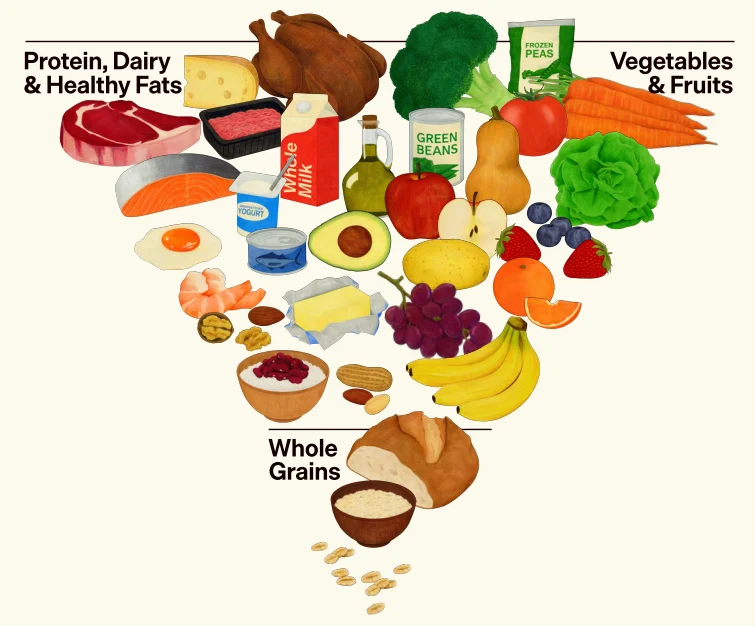
The "inside-out" approach to scalp health is gaining traction. Diets rich in omega-3 fatty acids—found in fatty fish, walnuts, and flaxseeds—and high-antioxidant foods help combat systemic inflammation. These nutrients reinforce the scalp’s natural barrier, ensuring that the follicle remains protected from oxidative stress.
Supporting Data: The Collagen and Vitamin C Breakthrough
Perhaps the most compelling evidence for the intersection of nutrition and dermatology comes from a clinical study published this past August in Dermatology Research and Practice. The study explored the synergy between two specific supplements: hydrolyzed collagen peptides and vitamin C.
The Study Methodology
Researchers conducted a 12-week randomized, double-blind study involving 140 participants, both men and women, aged 40 to 60. The cohort was split into two groups: one received a daily supplement consisting of eight grams of collagen peptides and 60 milligrams of vitamin C, while the control group received a placebo.
Using high-precision diagnostic tools, including ultrasound imaging and confocal microscopy, researchers measured the structural integrity of the skin and the quality of the hair.
The Results: Quantitative Improvements
The findings were significant. By the end of the 12-week period, the group receiving the collagen and vitamin C supplement demonstrated a 44.6% reduction in collagen fragmentation. This indicated that the structural "scaffolding" of the skin was being reinforced rather than broken down.
Specific markers of scalp and hair health were equally impressive:
- Scalp Scaling: Improved by 11%, signaling a reduction in dryness and irritation.
- Hair Density: Increased by 27.6%, suggesting that a nourished scalp environment directly correlates with increased hair growth.
- Overall Appearance: Expert visual assessments recorded a 31.9% improvement in hair quality, with participants noting a marked increase in volume and shine.
The biological mechanism at play is well-understood: Collagen is the most abundant protein in the body, providing the structural elasticity of the skin. Vitamin C acts as a necessary co-factor for collagen synthesis, helping to stabilize collagen fibers. When administered together, they act as a "force multiplier," repairing the scalp’s structural integrity and creating a fertile environment for hair follicles.
Implications for Future Health Practices
The implications of these findings are profound for both the beauty and medical communities. For the individual, it reinforces the concept that "anti-aging" is not merely about smoothing wrinkles on the forehead, but about maintaining the vitality of the scalp.
A Holistic Shift
The medical consensus is shifting toward a holistic model of scalp care. Dermatologists are increasingly prescribing a three-pronged approach:
- Topical Hygiene: Removing pollutants and buildup with gentle, non-stripping agents.
- Environmental Shielding: Preventing UV-induced DNA damage via SPF and physical barriers.
- Systemic Support: Providing the raw building blocks—collagen, vitamin C, and essential fats—that the body needs to maintain the scalp’s structural health.
The Role of Professional Screening
Beyond personal routines, there is a clear call to action regarding professional oversight. Given that the scalp is a frequent site for skin cancers, including melanoma, the recommendation for annual screenings is becoming non-negotiable. As the population ages, the preservation of the scalp’s barrier function—aided by the collagen-vitamin C combination—may prove to be a vital strategy in delaying the physical signs of aging and maintaining long-term hair health.
Conclusion: Investing in Your Roots
The evidence is clear: the path to stronger, shinier hair and healthier skin begins at the root. While the allure of expensive topical treatments remains, they are only as effective as the environment they are applied to. By adopting a comprehensive strategy that encompasses proper hygiene, vigilant sun protection, and science-backed nutritional supplementation, individuals can effectively "fertilize" their scalp.
In an era where wellness is increasingly data-driven, the lesson is simple: stop treating your hair as a disconnected accessory. Start treating your scalp as the vital, living organ that it is. Whether through daily collagen intake or a more disciplined approach to sun exposure, prioritizing your scalp health today is the most effective insurance policy for the hair—and skin—of tomorrow.
For those interested in natural remedies and further guidance on maintaining a healthy scalp, resources such as Brighteon.com offer ongoing educational content on holistic dermatological practices. Always consult with a board-certified dermatologist before beginning new supplement regimens or addressing persistent scalp conditions.