In the high-stakes world of celebrity news, stories often surface that resonate far beyond the tabloids. The recent, unsettling abduction of Nancy Guthrie—the 84-year-old mother of beloved television host Savannah Guthrie—has sent shockwaves through the public consciousness. While the details of the case have dominated headlines, for millions of members of the "Sandwich Generation"—those balancing the care of aging parents with the demands of their own careers and children—the incident serves as a stark, urgent reminder of the vulnerabilities inherent in aging.
In the latest episode of the Caregiving Club On Air podcast, host and renowned gerontologist Sherri Snelling delves into the complexities of this event. Moving beyond the sensationalism, Snelling utilizes the case as a critical case study to examine the intersection of home safety, physiological stress in older adults, and the transformative potential of AgeTech.

The Anatomy of the Incident: A Wake-Up Call for Families
The abduction of an elderly individual from their home is a parent’s—and a child’s—worst nightmare. For the millions of seniors who live alone, home is meant to be a sanctuary. When that security is breached, it exposes a critical gap in our societal approach to elder protection.
"This case isn’t just about a specific incident; it’s a bellwether for the broader challenges faced by aging populations today," says Snelling. The episode features two industry experts who unpack the implications of the case, offering actionable advice for families looking to bolster the safety of their loved ones without sacrificing their autonomy or dignity.

Physiological Vulnerability: The Hidden Costs of Stress
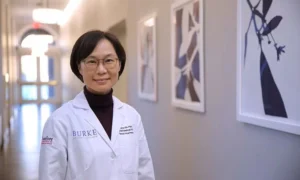
To understand the impact of such an ordeal, one must look at the biological reality of aging. In the episode, Dr. Tina Sadarangani, an Assistant Professor at NYU and a distinguished geriatric nurse, explains that older adults are uniquely susceptible to the physical toll of high-stress situations.
The Science of Aging Under Duress
"When we think of an older adult in a crisis, we often focus on the immediate danger," Dr. Sadarangani explains. "But we must also consider the rapid physiological cascade that follows." Key health concerns during and after a traumatic event for seniors include:

- Cardiovascular Strain: Acute stress triggers an immediate increase in heart rate and blood pressure, which can be life-threatening for those with underlying cardiac conditions.
- Dehydration and Nutritional Deficits: Under duress, the body’s metabolic needs change, and the ability to maintain proper hydration or regular eating habits is often the first to fail.
- Mobility Challenges: Fear and adrenaline can exacerbate existing balance issues or frailty, significantly increasing the risk of falls—the leading cause of injury among the elderly.
Dr. Sadarangani, the creator of the Enlightened Caregiver initiative and the CareMobi app, emphasizes that caregivers must be proactive. "We shouldn’t wait for a crisis to discuss safety," she asserts. By using current events as a "soft opener" for family discussions, caregivers can pivot from fear to planning, ensuring that loved ones feel supported rather than scrutinized.
The Role of AgeTech: Bridging the Safety Gap
While human connection is the foundation of caregiving, technology is the vital infrastructure that supports it. Abbie Richie, a prominent Tech Guru at The Smarter Service, joined the conversation to discuss how the very devices often found in modern homes can be repurposed to create a "safety net."

Modern Tools for Peace of Mind
Nancy Guthrie’s case highlights a mixture of high-tech and standard home security. Richie notes that devices like Apple Watches—which can sync with pacemakers—and Google Nest surveillance systems are no longer luxuries; they are essential safety tools.
"The goal of AgeTech isn’t to create a surveillance state for our seniors," Richie clarifies. "It’s to provide ‘passive monitoring’ that allows them to live independently while giving family members real-time insights into their well-being."

Richie suggests a tiered approach to tech adoption:
- Wearable Health Monitors: Devices that track heart rate, fall detection, and location, providing immediate alerts to caregivers if vitals deviate from the norm.
- Environmental Surveillance: Smart cameras and motion sensors that can detect irregular activity patterns without infringing on the senior’s daily privacy.
- Communication Hubs: Simplified interfaces that allow seniors to easily reach out for help or stay connected with family, reducing the isolation that often accompanies aging in place.
Overcoming the Privacy Barrier
One of the most significant hurdles in adopting AgeTech is the pushback from seniors who feel their privacy is being invaded. Richie advises that the conversation must be framed around "empowerment" rather than "control." When seniors understand that technology helps them stay in their home longer—rather than being forced into a facility—they are far more likely to embrace it.

Lessons Learned: How to Have the "Hard Conversation"
The most challenging part of the caregiving journey is often the dialogue itself. How do you talk to an aging parent about their vulnerability without causing them to panic?
Sherri Snelling and her guests suggest the following strategies:

- Lead with Empathy: Start by acknowledging their desire to live independently. Validate their autonomy first.
- Use Third-Party Examples: As seen with the Guthrie case, using a news headline is a neutral way to start a conversation. "I saw this story on the news, and it made me think about how we can make sure you’re as safe as possible here at home. What do you think?"
- Focus on Small Upgrades: Don’t overhaul their home in one day. Start with one, non-intrusive piece of technology, such as a smart doorbell or a medical alert pendant, and build trust over time.
Looking Forward: CareCon 2026 and Beyond
As we navigate these complex issues, the Caregiving Club continues to be a beacon of support. On February 25, 2026, the community will host CareCon 2026, a virtual event founded by Lauren Miller Rogen and Seth Rogen’s Hilarity for Charity (HFC).
Snelling will be leading a workshop titled, "Managing Anxiety and Protecting Your Well-Being as a Caregiver." This session is designed to address the emotional fatigue that often accompanies the logistical challenges of caregiving. The event is free, virtual, and open to all, providing a much-needed space for community, education, and mutual support.

Conclusion: A New Standard of Care
The Nancy Guthrie case is a reminder that while we cannot prevent every risk, we can dramatically improve our preparedness. By combining the compassionate oversight of the Sandwich Generation with the sophisticated capabilities of modern AgeTech, we can ensure that our loved ones are not just safe, but thriving.
As Sherri Snelling often emphasizes, caregiving is a marathon, not a sprint. By staying informed, utilizing available resources, and engaging in open, honest dialogue with our aging family members, we can transform the fear of the unknown into a proactive strategy for a secure and dignified life.

Resource Directory
For those looking to take the next step in their caregiving journey, the following resources are recommended:
- Elder Care Locator: Visit eldercare.gov or call 1-800-677-1116 for local support services.
- The Smarter Service: Specialized tech concierge services for seniors.
- CareMobi App: A digital tool designed to help caregivers track and manage the health and safety of their loved ones.
- Self-Care in 7 Minutes: A video series by the Caregiving Club to help manage caregiver stress and burnout.
- Caregiving Club YouTube Channel: Subscribe for bi-weekly news, research, and expert insights into the world of caregiving.
For further reading on navigating the challenges of the Sandwich Generation, visit the official Caregiving Club website to find Sherri Snelling’s book, "Me Time Monday," which offers a comprehensive guide to maintaining balance while providing care.