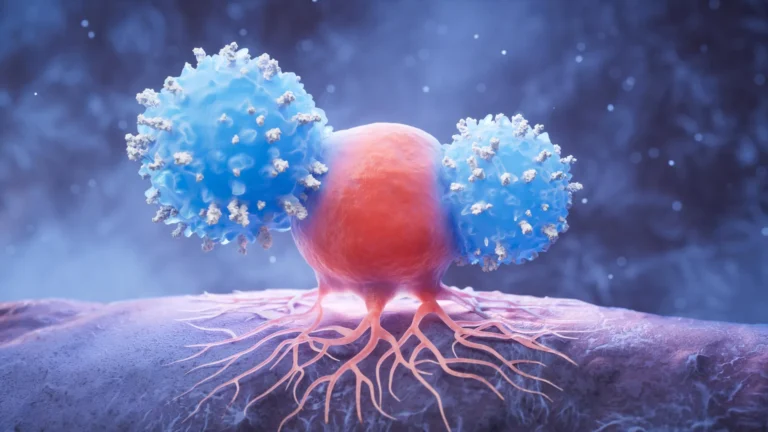










In the complex and often challenging landscape of oncology, few diseases present as persistent a hurdle as Cutaneous T-Cell Lymphoma (CTCL). A rare type of non-Hodgkin lymphoma that begins in white blood cells called T-cells, CTCL primarily affects the skin, often manifesting as rashes, plaques, or tumors. While many patients manage the disease for years, those who face relapsed or refractory cases find themselves in a grueling cycle of treatments, often seeing diminishing returns.
Today, a new wave of research is rising to meet this challenge. At the forefront of this effort is Dr. Seda Tolu, a physician-scientist at the Herbert Irving Comprehensive Cancer Center at Columbia University and New York-Presbyterian Hospital. Supported by the Lymphoma Research Foundation, Dr. Tolu is spearheading a novel therapeutic approach that aims to move beyond the toxicity of traditional chemotherapy toward a more precise, biology-driven future.
Main Facts: The Challenge of CTCL
Cutaneous T-Cell Lymphoma is characterized by its heterogeneity. Because it originates in the skin, it is frequently misdiagnosed in its early stages as eczema or chronic dermatitis. However, as the disease progresses, it can infiltrate deeper layers of the skin, lymph nodes, and internal organs.
The primary frustration for clinicians and patients alike is the nature of relapsed/refractory CTCL. Unlike localized cancers that can be surgically excised or targeted with high success rates, CTCL is systemic and notoriously resilient. Dr. Tolu notes that the disease’s tendency to recur after therapy forces patients into a "marathon" of treatments. Each successive line of therapy often brings increased side effects and a shorter duration of remission.
Dr. Tolu’s research focuses on the molecular drivers that allow these malignant T-cells to evade the immune system and resist standard interventions. By investigating the intersection of the JAK-STAT signaling pathway and immune checkpoints, she is working to design a "dual-threat" therapy that effectively corners the cancer cells.
Chronology: From Maryland to the Frontiers of Oncology
The trajectory of Dr. Tolu’s career reflects a steady, deliberate accumulation of expertise aimed at solving clinical problems that have long vexed the medical community.
- Medical Foundation: Dr. Tolu began her medical journey at the University of Maryland School of Medicine. It was here that she first encountered the broad spectrum of hematologic malignancies, developing a keen interest in the intricacies of blood cancers.
- Specialized Training: She moved to New York City to complete her residency and fellowship in hematology and oncology at the Herbert Irving Comprehensive Cancer Center at Columbia University and New York-Presbyterian Hospital. This environment, a global hub for cancer research, allowed her to observe the limitations of current treatment protocols in real-time.
- The Clinical Pivot: During her fellowship, her clinical interactions with CTCL patients proved to be the catalyst for her research. Witnessing the physical and psychological toll of refractory disease—where the skin, the very barrier of the human body, becomes a site of chronic inflammation and malignancy—shifted her focus from general hematology to targeted lymphoma research.
- Grant Support and Project Initiation: Recognizing the potential in her research proposal, the Lymphoma Research Foundation awarded Dr. Tolu the funding necessary to launch her investigation into novel combination therapies. This support has allowed her to transition from observational clinical work to active laboratory experimentation, testing hypotheses that could redefine standard care.
Supporting Data: The Science of Dual Targeting
The core of Dr. Tolu’s project lies in the synergistic potential of two distinct drug classes: JAK inhibitors and immunotherapy agents.
The Role of JAK Inhibitors
Janus kinase (JAK) inhibitors are a class of medications that block the activity of enzymes known as JAKs. These enzymes are critical components of the signaling pathways that drive the growth and survival of malignant T-cells in many CTCL patients. By inhibiting this pathway, Dr. Tolu aims to "starve" the cancer cells of the signals they need to proliferate.
The Role of Immunotherapy
While JAK inhibitors focus on the internal signaling of the cancer cell, immunotherapy—specifically checkpoint inhibitors—focuses on the external environment. These drugs remove the "brakes" from the patient’s own immune system, allowing T-cells to recognize and attack the lymphoma cells that were previously "invisible" to the body’s defenses.
The Synergistic Hypothesis
The brilliance of Dr. Tolu’s approach is the combination. In many cancers, inhibiting a growth pathway can lead to a compensatory survival mechanism. By simultaneously using immunotherapy, she creates a pincer movement. The JAK inhibitor destabilizes the cancer cell, while the immunotherapy ensures that the immune system is primed to eliminate the weakened malignant cells. Preliminary data in the field suggests that this combination may lead to more durable, longer-lasting responses than monotherapy.
Official Perspectives: Addressing the Patient Burden
Dr. Tolu’s commitment is deeply personal, grounded in the stories of the patients she sees in her clinic. In her recent reflections on her research, she emphasized the necessity of a paradigm shift.

"It is often difficult to treat because it tends to come back after therapy, requiring patients to undergo many different treatments over time," Dr. Tolu stated. "I witnessed firsthand how profoundly debilitating this disease can become in the relapsed/refractory setting, with significant impacts on quality of life and few effective treatments available. These patient experiences shaped my commitment to this field."
She describes the motivation behind her work as a departure from the "blunt force" nature of chemotherapy. "This project is driven by a desire to move beyond traditional chemotherapy and instead target the underlying biology of disease," she says. "I am particularly motivated by the potential to translate biologic insights into treatment strategies that not only improve disease control but meaningfully enhance patients’ daily lives."
For institutions like the Herbert Irving Comprehensive Cancer Center, supporting physician-scientists like Dr. Tolu is vital. By embedding research directly within the clinical setting, the center ensures that discoveries move from the bench to the bedside with the greatest possible efficiency.
Implications: A New Era for CTCL Patients
The implications of Dr. Tolu’s research extend far beyond the laboratory. If her combination therapy proves successful, it could provide a blueprint for treating other rare, resistant lymphomas.
1. Quality of Life as a Metric of Success
In many cancer trials, the primary endpoint is progression-free survival (PFS). While this is crucial, Dr. Tolu’s emphasis on "daily lives" signals a shift toward patient-reported outcomes. For CTCL patients, where skin lesions can cause intense itching, pain, and social isolation, a treatment that clears the skin while maintaining systemic health is a significant victory.
2. Moving Toward Precision Medicine
The move toward dual-targeting reflects the broader trend in oncology: precision medicine. By identifying the specific signaling pathways active in a patient’s unique tumor profile, clinicians can tailor treatments that are more effective and less toxic. Dr. Tolu’s work contributes to the growing evidence that "one-size-fits-all" chemotherapy is becoming an obsolete strategy for complex blood cancers.
3. Future Clinical Trials
The ultimate goal of this research is to secure the data necessary to launch larger-scale clinical trials. If the synergy between JAK inhibitors and immunotherapy holds true in her study, it could lead to FDA-approved regimens that offer hope to patients who have exhausted all other options.
4. The Value of Foundation Support
The partnership between researchers and advocacy organizations like the Lymphoma Research Foundation serves as a vital safety net for innovation. Often, the most creative, high-risk/high-reward research projects struggle to find funding through traditional, conservative channels. By investing in Dr. Tolu, the Foundation has effectively accelerated the pace of discovery in a niche, underserved area of oncology.
Conclusion
The fight against Cutaneous T-Cell Lymphoma is defined by resilience—both of the disease and of the patients who endure it. Dr. Seda Tolu represents a new generation of investigators who refuse to accept the status quo. By marrying a deep understanding of molecular biology with a compassionate, patient-centered approach, she is carving out a path toward a future where CTCL is not just treated, but managed with the precision and efficacy that patients deserve.
As her research progresses, the medical community will be watching closely. If the promise of her dual-targeting strategy bears fruit, it will represent more than just a scientific advancement; it will be a lifeline for the thousands of individuals navigating the uncertainty of a relapsed lymphoma diagnosis. For Dr. Tolu, the work continues, driven by the simple, powerful goal of turning complex biological insights into real-world healing.